A shared kids’ bedroom often feels crowded because every activity happens everywhere.
Toys reach the beds. Clean clothes land in the play area. A school bag blocks the closet. One child tries to sleep while the other is still looking for pajamas. You may also find How to Organize Kids’ Clothes in a Small Bedroom Without Overstuffing Drawers useful for a closely related small-home problem.
You do not need a large room to fix this. You need functional zones that tell each activity where to happen.
Start with the sleep zone
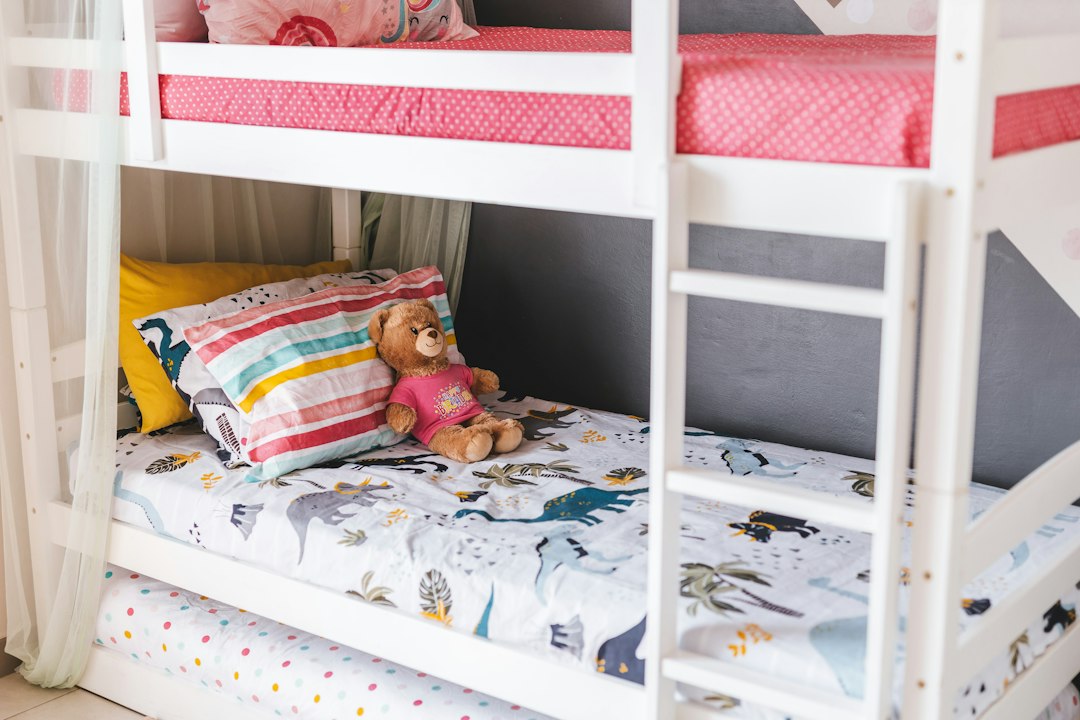
The beds are the least flexible pieces in the room, so place them first. Protect enough access for making the beds, changing sheets, and getting in and out safely. You may also find How to Clean Grease and Sticky Buildup in a Small Kitchen Before It Gets Bad useful for a closely related small-home problem.
Keep bedtime essentials nearby, but avoid letting each bedside area become general toy storage.
Build the dressing zone around the closet or dresser
Clothing works best when the storage, hamper, and a small amount of dressing floor space are close together.
If two children share clothing storage, make ownership clear with separate drawers, shelves, baskets, or hanging sections.
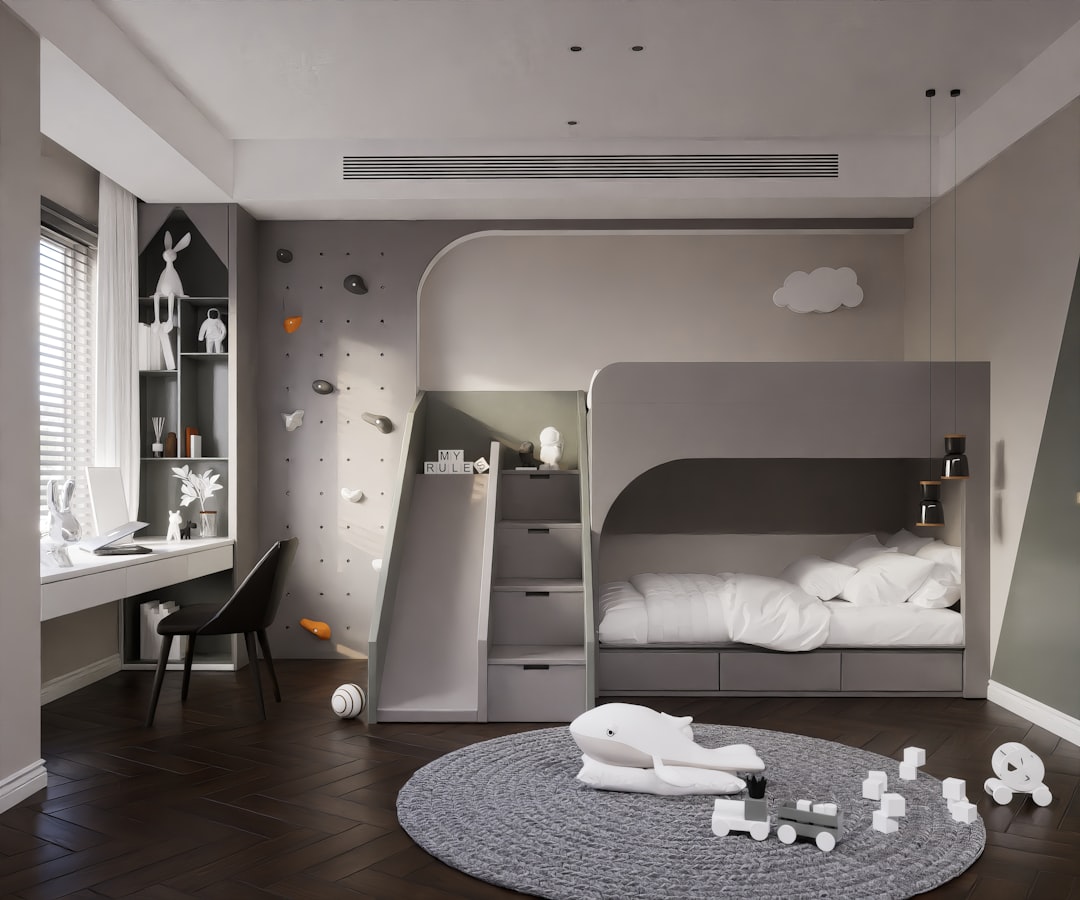
Give play one defined floor area
The play zone does not need to be large. It needs to be obvious enough that toys have a natural place to come out—and a natural boundary for cleanup. You may also find How to Organize a Small Kids’ Closet That Has to Hold Clothes, Shoes, and Gear useful for a closely related small-home problem.
Use the least obstructed section of floor, not the walkway between the beds and door.
Protect one neutral path
The route from door to beds, closet, and exit should stay clear. This path belongs to neither child.
A neutral circulation zone reduces arguments because backpacks, toy builds, and clothing piles are not allowed to claim it.
Put toy storage beside the play zone
Children are more likely to return toys when storage is close to where they use them. Broad bins and low shelves work better than making them carry every toy across the room.
Keep sleep storage visually quieter
If the room feels overstimulating at night, move active toys away from the head of the bed and reduce the number of visible categories in the sleep zone.
Use furniture as soft boundaries
A low bookcase, rug, dresser, or the orientation of the beds can suggest where one zone ends and another begins without adding walls.
Keep furniture placement safe and maintain clear egress.
Create one landing spot for each child
Give each child a hook, small basket, or bedside place for personal current-use items. This prevents shared surfaces from becoming negotiation zones.
Keep school gear out of the bedroom if possible
If backpacks and papers already have an entryway system, let them stay there. The bedroom does not need to absorb every part of family life.
See A Small Entryway System for Backpacks, Shoes, Coats, and School Papers.
Use a zone-based five-minute reset
Instead of “clean your room,” assign visible outcomes:
- sleep zone: beds usable,
- dressing zone: clothes and hamper reset,
- play zone: toys inside broad storage,
- neutral path: clear.
For siblings with very different tidiness habits
Keep personal systems flexible while the shared zones follow the same room standard. See How to Keep a Shared Kids’ Bedroom Tidy When the Kids Have Different Habits.
For bunk beds
Bunk beds can free floor space, but they still need safe access and room for bedding maintenance. Follow manufacturer instructions and age/safety guidance for the specific bed.
For two separate beds
Try to avoid creating two disconnected mini-bedrooms if the room is very small. Shared storage and one central play area can use the footprint more efficiently.
Frequently asked questions
How many zones should a shared kids’ room have?
Three core zones—sleep, dress, play—plus one clear circulation path are enough for most small rooms.
Should each child have a separate toy area?
Not necessarily. Shared toys can use one play zone while personal items have separate small storage boundaries.
What if the room has no obvious play space?
Use the largest clear section of floor and reduce toy volume or move some play categories to another room.
Zones make the room easier to understand
A shared bedroom becomes calmer when beds are for sleeping, one area supports dressing, toys have a play footprint, and the main path stays neutral. The room does not need more square footage—it needs clearer jobs. If you are working on the same space, How to Organize a Shared Kids’ Bedroom in a Small Home covers the next decision in more detail.