Foil, parchment, storage bags, reusable wraps, and food covers are thin products that somehow consume a surprising amount of kitchen space. You may also find How to Organize Countertop Appliances in a Small Kitchen useful for a closely related small-home problem.
The problem is usually not the category itself. It is duplicate boxes, several open sizes, awkward packaging, and supplies split across multiple cabinets.
Choose one food-wrap zone
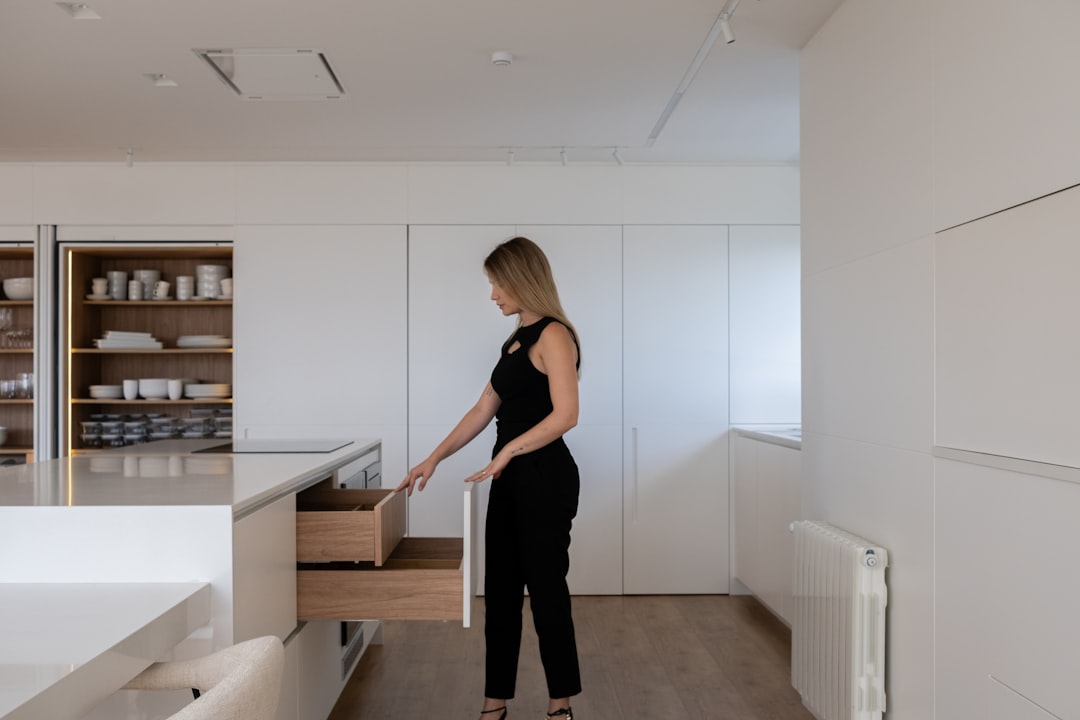
Use one shallow drawer, shelf, or narrow cabinet section close to food prep or leftovers.
The whole category should fit there without spilling into unrelated drawers.
Group by task
Broad groups work well:
- cooking/baking: foil and parchment,
- leftovers: bags and wraps,
- reusable covers or wraps,
- specialty items used occasionally.
Keep one open package per size when possible
If you buy backstock, store unopened duplicates behind or outside the active zone. Several open boxes of the same size create unnecessary bulk. For a related step-by-step approach, see How to Create a Family Donation Station That Actually Leaves the House.
Store boxes flat or upright based on the drawer
There is no universal best orientation. Use the position that lets you see labels and remove one item without lifting the entire category. For the broader setup, How to Organize a Small Fridge for a Busy Family Without Losing Food in the Back is a useful next read.
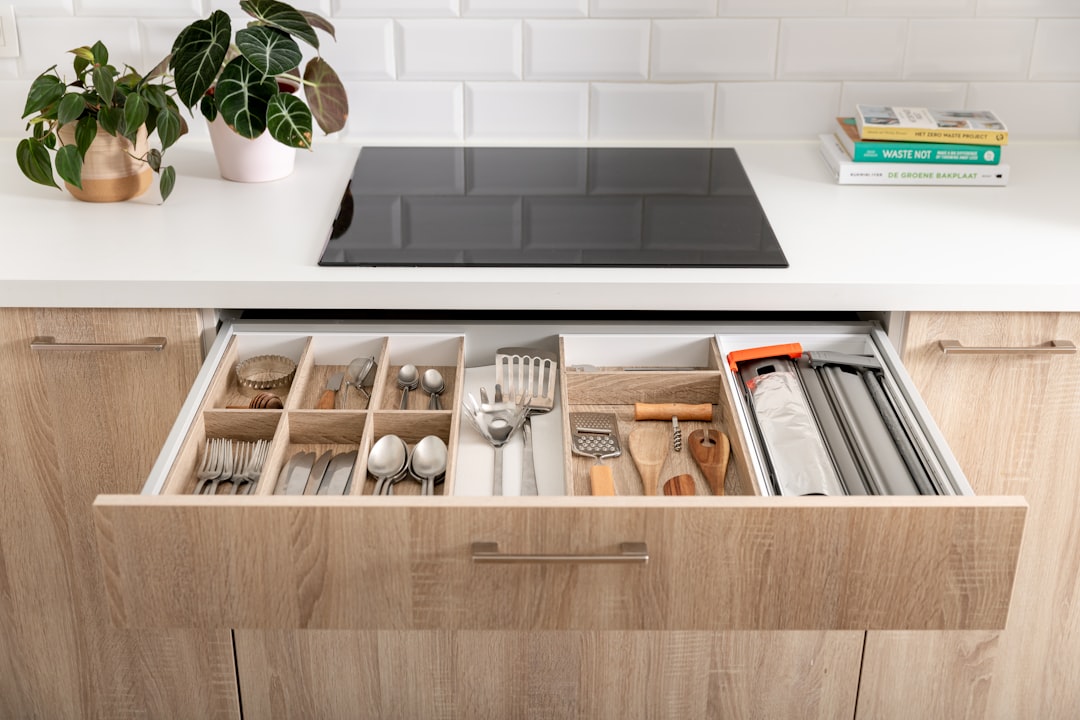
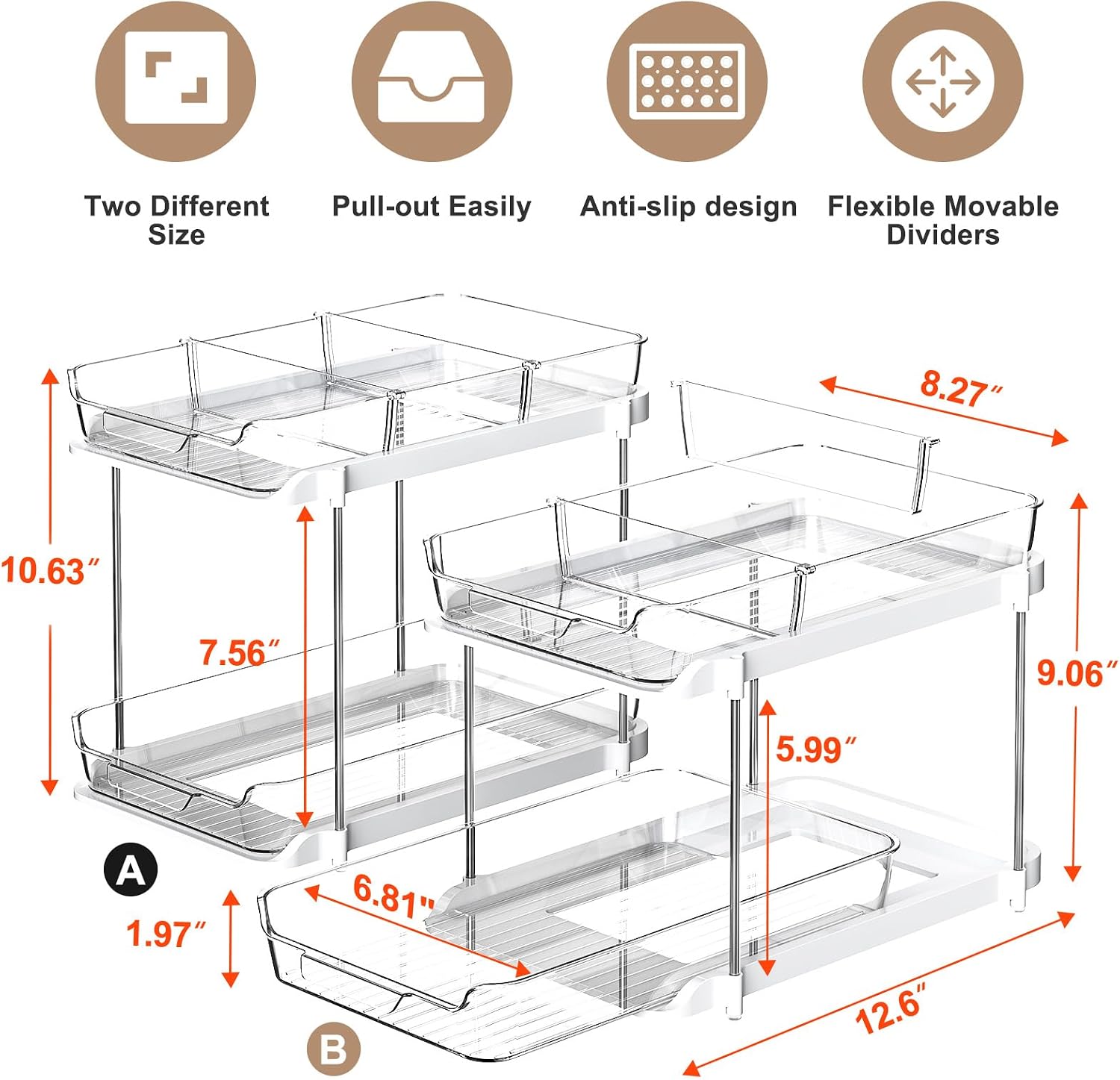
Use dividers only when they reduce sliding
A simple adjustable divider can keep long boxes from shifting. Avoid organizers that use more space than the products themselves.
Give reusable wraps a drying-and-return route
Reusable food covers, silicone bags, or wraps should follow their care instructions and return to storage only when clean and dry.
Keep takeout extras out
Disposable cutlery, condiment packets, random bags, and takeout napkins often migrate into the food-wrap drawer. Keep only what the household actually uses.
Limit specialty products
Vacuum bags, freezer labels, decorative sandwich bags, and niche liners can stay if used—but they should not crowd out daily basics. You may also find How to Organize a Small Freezer for a Busy Family useful for a closely related small-home problem.
The three-minute drawer reset
- group like boxes,
- close open packages,
- remove empty boxes,
- move unopened backstock out,
- return reusable items,
- clear unrelated takeout extras.
Pair the drawer with container storage
For reusable food containers and lids, see How to Organize Food Storage Containers and Lids in a Small Kitchen.
Frequently asked questions
Should foil and bags go in a drawer?
A drawer can work well, but a shelf or narrow vertical section is equally useful if that better fits the kitchen.
Do I need a special wrap organizer?
No. Start with one defined zone and add a divider only if shifting boxes are a real problem.
Where should bulk boxes go?
Keep unopened duplicates in a secondary backstock zone rather than filling the active drawer.
Keep the category shallow and visible
This is a small category that works best when every box is easy to identify and only the active supply lives in prime kitchen space.