Donation bags are supposed to help clutter leave. In many homes, they simply become another category stored in the closet. If you are working on the same space, How to Build a Portable Cleaning Caddy for a Small Home covers the next decision in more detail.
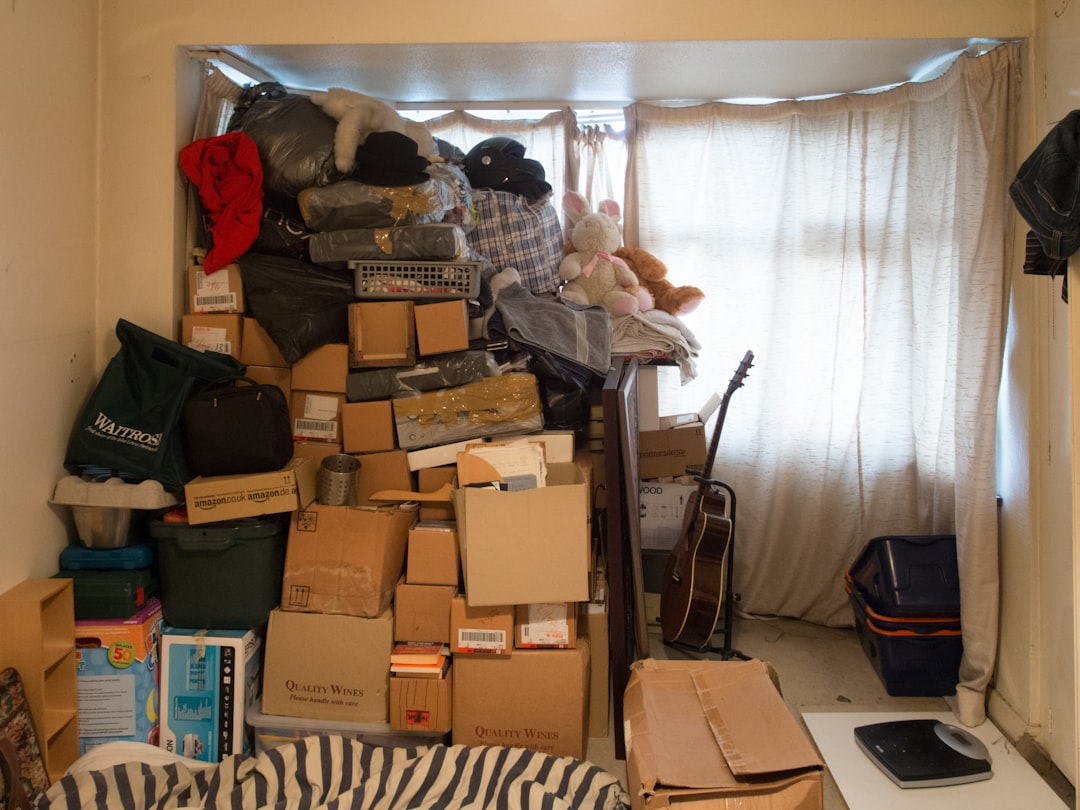
A better system gives donations three things: one container, one staging location, and one exit deadline.
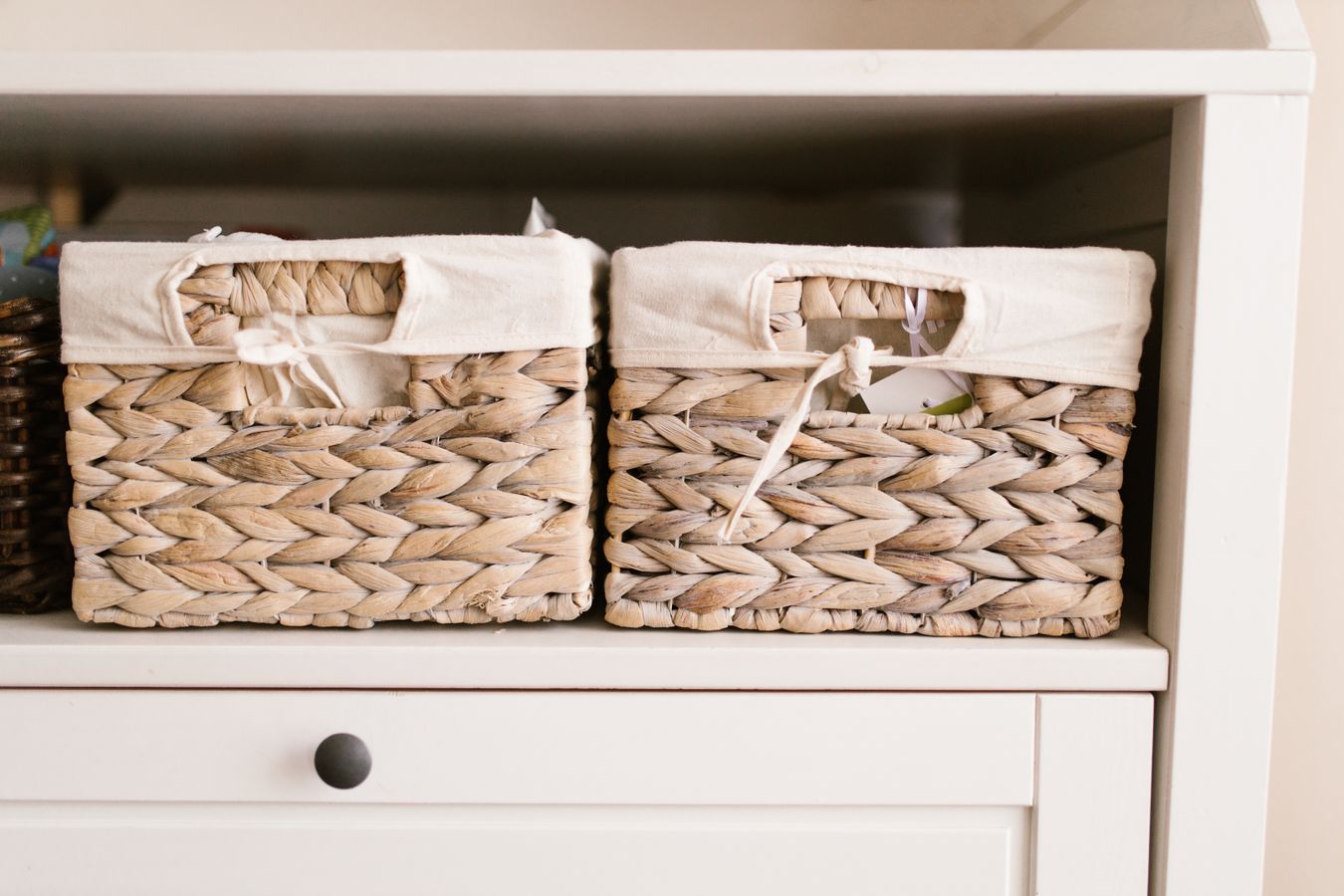
Choose a small container
Use one box, bag, or bin that the household can carry easily. A huge container encourages months of accumulation.

Put it where decisions happen
A closet edge, laundry area, or storage room can work. The donation station should be easy enough to use when someone finds an unwanted item—but not in the main walking path. You may also find What to Get Rid of First When Your Small Home Feels Too Full useful for a closely related small-home problem.
Only put decided items inside
The donation box is not a “maybe” box. Items should enter only after the household has decided they are leaving.
Separate sell, return, and donate
Online returns, items to sell, and donations have different next actions. Mixing them together slows every category.
Use a fill-or-date exit rule
Choose one:
- when the box is full, it leaves within 48 hours, or
- the box leaves on a regular monthly date even if not full.
Keep destination decisions simple
Pick one or two trusted donation destinations rather than researching a new organization for every bag.
Do not shop the donation box
If family members repeatedly pull items back out, add a short holding period before the item enters the final donation container. If you are working on the same space, How to Organize Countertop Appliances in a Small Kitchen covers the next decision in more detail.
Keep sentimental decisions elsewhere
Sentimental items need a different process. Do not let a complicated memory decision block a box of ordinary clothing and household goods from leaving. For the broader setup, How to Stop Entryway Shoes From Spreading Through a Small Home is a useful next read.
The five-minute weekly donation check
- add newly decided items,
- remove anything that belongs to returns/selling,
- check fullness,
- confirm the exit date,
- move the box toward the door when departure is due.
Pair the station with everyday decluttering
Use How to Declutter a Small Home When You Don’t Know Where to Start for the broader process.
Frequently asked questions
Where should a donation box live?
Choose a low-friction storage spot that does not block daily movement, such as a closet edge or laundry area.
How often should donations leave?
Use a predictable rule such as “when full” or one recurring monthly drop-off.
Can I keep several donation bags?
Multiple bags often become storage. One limited station makes the exit pressure clearer.
The donation station is successful only when it empties
The container is not the system. The exit rule is. Keep the category small, decided, and moving toward the door.