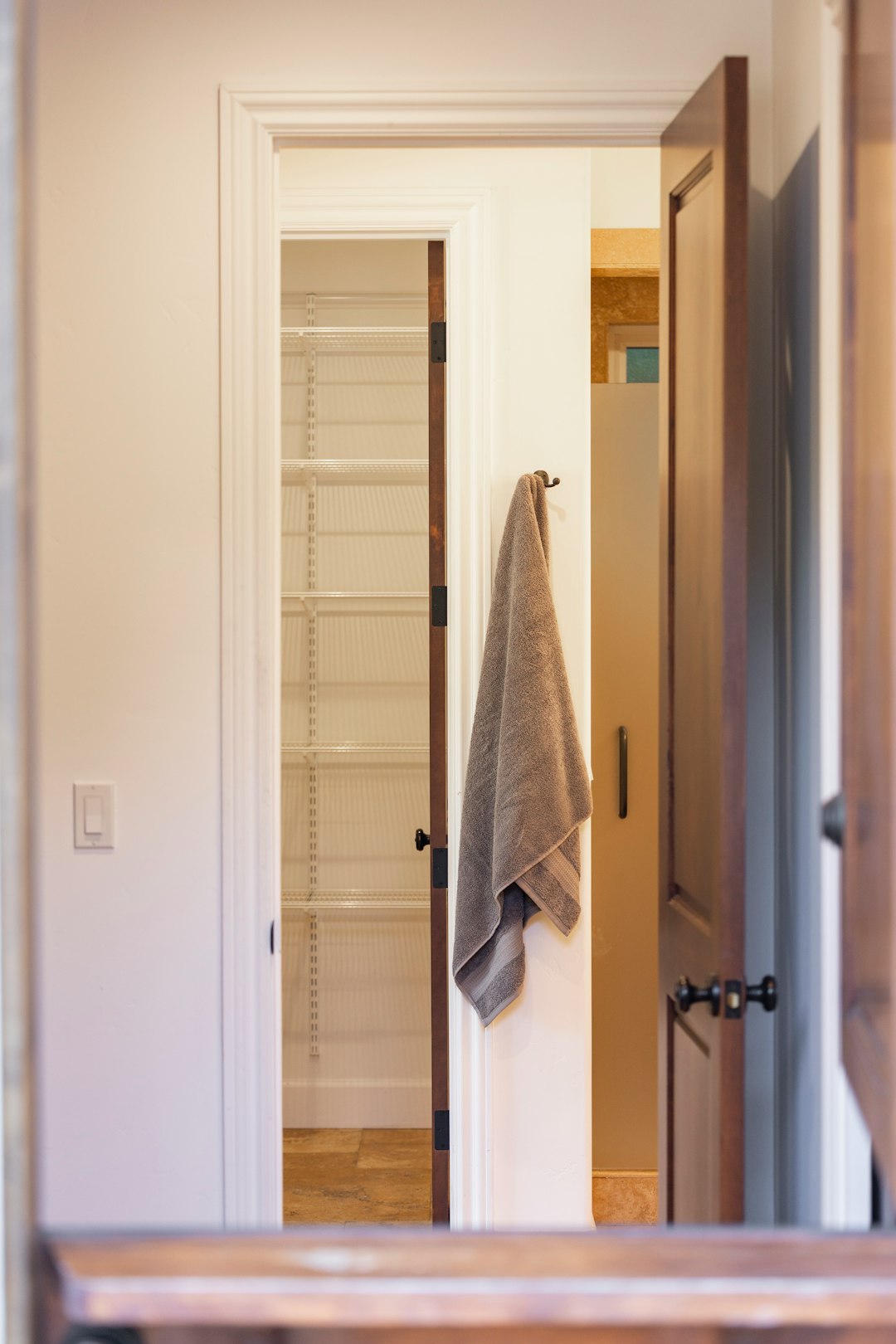
A linen closet can look large until towels, sheets, blankets, toiletries, and household backstock all try to share it.
The biggest mistake is treating every shelf as equal. A better system gives the easiest space to the linens the household uses every week and pushes seasonal or guest categories farther away.
Audit the closet with linens in use, in laundry and in storage
An apparently empty shelf on wash day can be misleading. Count the towels on hooks, sheets on beds, items in the washer and the clean load waiting to be put away. The layout must accept the portion normally stored when laundry is finished, not only what remains during a wash.
Sort into active towels, complete spare sheet sets, guest-only linens, seasonal bulk and non-linen supplies. Do one shelf at a time if emptying the entire closet would block the hall. Set used or still-damp items aside for their care route; only clean, fully dry linens enter ready storage.
Measure usable shelf width, depth and the opening between shelves. Include the door, hinge and any frame lip that limits pulling a container out. A bin that fits at the back but will not clear the opening has not solved access.
Keep sheet sets together
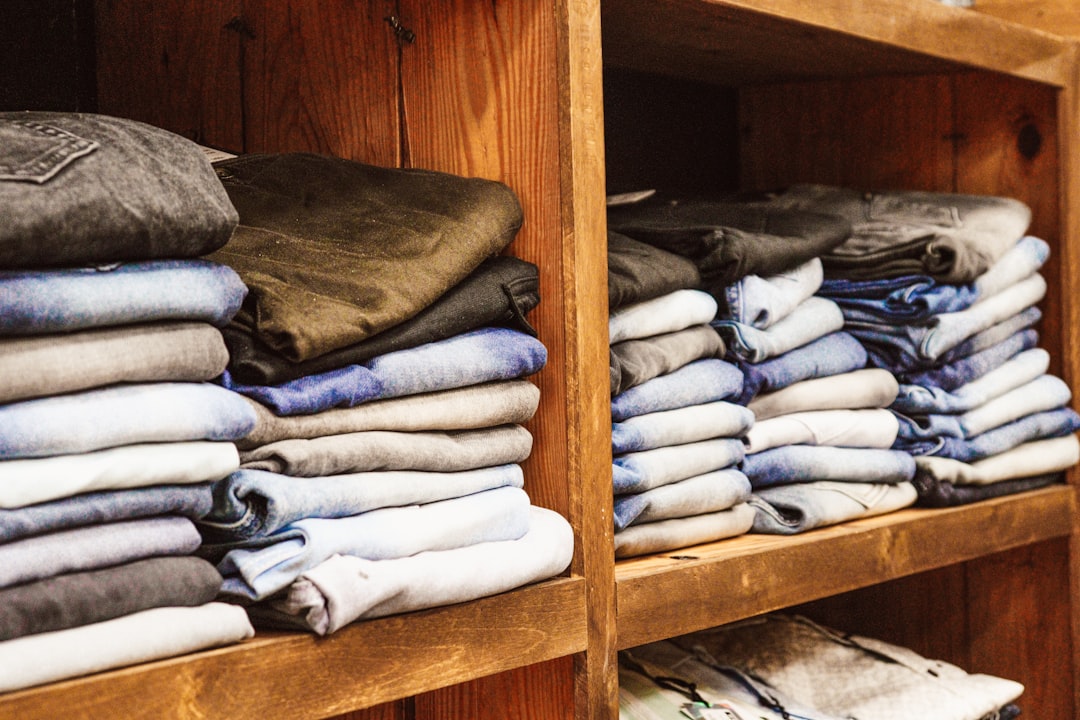
Store fitted sheets, flat sheets if used, and pillowcases as one set. A labeled shelf section, basket, or set folded inside a pillowcase can keep pieces from separating.
Give towels one shelf by function
Separate bath towels, hand towels, and washcloths only as much as needed. Broad stacks are easier to maintain than elaborate hotel-style displays.
Assign shelves by reach, weight and frequency
| Zone | Possible contents | Check |
|---|---|---|
| Comfortable everyday reach | Active towels and the current beds’ spare sets | Can the intended users remove and return one item without disturbing a stack? |
| Lower suitable shelf | Bulkier groups or heavier containers | Can they be retrieved comfortably without blocking the floor? |
| Higher suitable shelf | Lightweight, infrequently used items | Are shelf loading and safe access appropriate? |
| Separate seasonal location | Items that crowd out ready linens | Is it clean, dry, labeled and compatible with the textile? |
“Used less often” is not a reason to balance a heavy comforter above someone’s head. Follow the shelving limits and keep retrieval manageable. If bulk cannot fit without obstructing daily use, the guest and seasonal bedding plan provides a separate route.
Limit bathroom backstock
Toilet paper, tissues, soap, and toiletries can consume linen space quickly. Keep a practical household quantity and avoid letting bulk purchases push linens out of their own closet.
Use containers only where they improve retrieval
A small bin may keep washcloths or loose pillowcases together. Large towels may work better as direct shelf stacks because a container’s walls consume usable width. Try a folded group on the shelf before buying matching baskets.
For sheet sets, keep the required fitted sheet, flat sheet if used and pillowcases together. A pillowcase can group compatible clean pieces where that suits the textile; a labeled shelf section can work just as well. Label by actual bed or size, and distinguish incomplete sets so they are not mistaken for ready replacements.
Reserve room for the next clean load
Make a retrieval and return test with the amount normally stored. Remove a middle towel, take out one complete sheet set, then put both back without dismantling the closet. Reduce stack height or widen the category if that sequence fails.
Do not fill the last available slot with backstock simply because the towels are currently in use. Keep only the quantity of toiletries the closet can hold without displacing linens, and maintain safe product storage where children can access the cupboard. Put liquids where a leak will not run through ready textiles, following the product instructions.
A short reset after laundry day
- Return completely dry towels to their correct group.
- Match and return complete sheet sets.
- Check stray pieces before labeling them spares.
- Move out-of-season pieces to the planned secondary location.
- Remove empty packaging and review backstock that blocks access.
- Repeat the one-item retrieval test and leave the closet usable.
If the home has no central cupboard at all, the everyday towel and sheet map distributes these categories by room. Use one approach consistently rather than hiding identical supplies in several unmarked places.
Frequently asked questions
How many sheet sets should go in a linen closet?
Keep the number that supports your real laundry routine and available space, rather than filling the shelf because sets exist.
Should towels go in baskets?
Not necessarily. Baskets help with small or unstable categories; simple stacks may use large shelves more efficiently.
What should go on the top shelf?
Guest linens, seasonal bedding, or other low-frequency categories are usually better candidates than daily towels.
Let frequency decide the shelf
A linen closet works when daily towels and current bedding are easy, guest and seasonal items move out of the way, and clean laundry has enough room to come home without a struggle.