
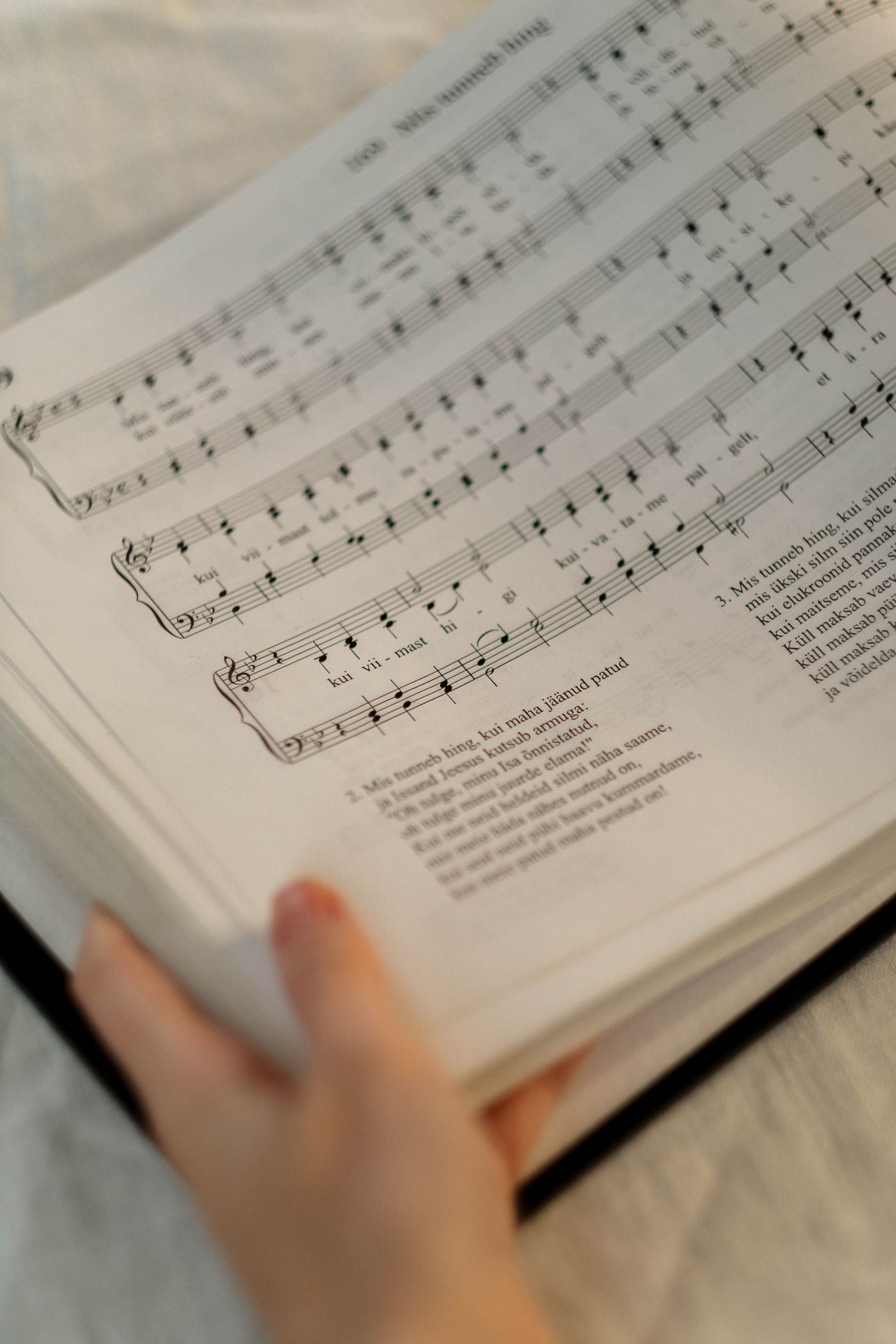
The title on a piece of sheet music is often only the beginning of its identity. Two copies of the same work can use different arrangements, keys, page numbers, or instrument parts. A folder organized solely by title may look tidy while sending the wrong version to the next practice session.
Pinterest’s Fall 2026 creator themes highlight screen-free hobbies. Keeping music understandable supports one such activity without requiring a permanent music room. This guide addresses ordinary household retrieval and the return of physical scores. It does not grant permission to copy, scan, distribute, or alter music; follow the terms and permissions that apply to each item.
Identify what one playable item includes
Begin with a small group you actually use. For each item, identify the work or collection, composer or credited creator, arranger where relevant, publisher or edition, and intended instrument or part. Keep the published identifiers visible rather than replacing them with a nickname that only one person understands.
A playable item might be a bound book, a complete set of purchased loose pages, or one authorized part from a larger ensemble set. Do not split a multi-part packet because the pages happen to be the same size. Conversely, do not bind unrelated loose pieces together merely because they were last played in the same room.
Record uncertain details plainly. If a loose page has no title or part identifier, keep it separate while you establish where it belongs. Do not assign it to the nearest-looking score. The household paper and digital record guide offers a broader reference principle: the record should point reliably to the physical item it describes.

Choose a main order that matches retrieval
For one player, an order by work or collection may be sufficient, with editions kept together and clearly distinguished. In a household with several musicians, separate the relevant owners or parts first when that prevents confusion. Choose the arrangement based on the question people ask while preparing to play.
Keep the main sequence simple enough to maintain without a cataloging project. A brief index can add other routes into the collection, such as instrument, occasion, or current study list. An index entry is usually easier to update than duplicating physical scores in several folders.
Where music shares storage with household books, preserve a distinct music section. Keeping books and magazines manageable can help with the surrounding shelf, but a general reading pile does not necessarily preserve part identity or page order. Make the music’s return location recognizable to other people who tidy the room.
Separate edition and part from ownership
The edition answers which version this is. The part answers what the player is expected to read. Ownership answers who may lend, annotate, retain, or return it. Keep those questions distinct, particularly with borrowed teaching materials or music shared among several participants.
Use a removable external note or appropriate enclosure where needed rather than automatically writing on someone else’s score. Retain any existing owner identification and instructions. If the permitted return condition is unclear, ask the owner before adding markings, adhesive tabs, or protective sleeves.
A household index might say “work title, arranger, flute part, borrowed from Sam, return after agreed session.” That is an example of a retrieval note, not permission to reproduce the music. Keep any private contact or lending information appropriately limited to the people who need it.
Preserve complete page sequences
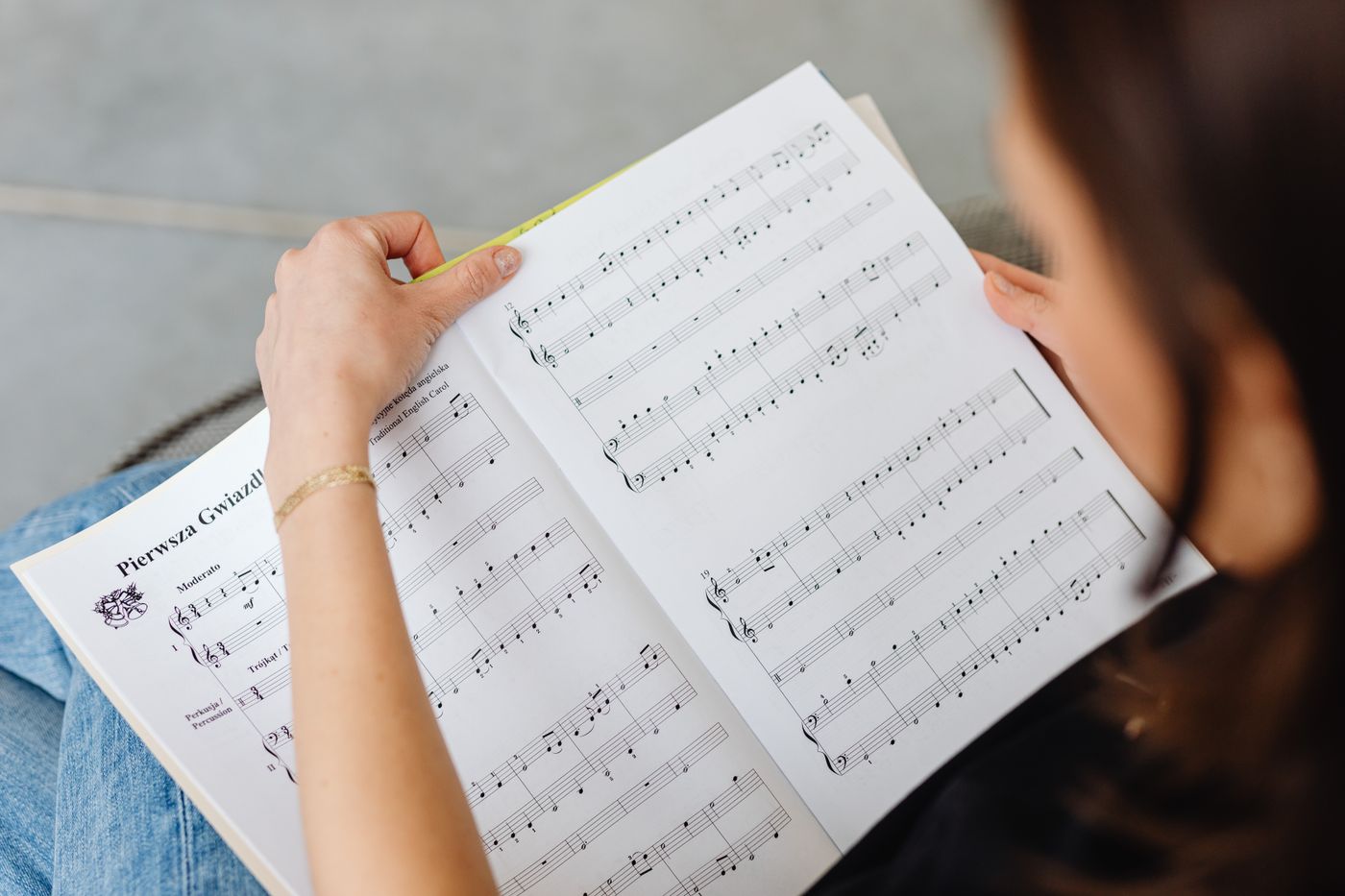
Check a loose-page item against its own stated pagination and contents before putting it into regular use. A gap in printed page numbers may or may not indicate a missing page; consult the actual edition rather than inventing the absent material. Keep the issue visible until it is resolved through an authorized source.
Use a suitable folder or enclosure that supports the pages without bending, hiding essential notation, or making ordinary page turns impractical. A bulky sleeve arrangement can be awkward on a stand even when it fits the storage shelf. The active playing format and long-term return format may need to be considered separately.
Avoid attaching unrelated pages with permanent adhesive or an improvised repair. For valuable or fragile scores, obtain appropriate preservation advice before treatment. For everyday working copies, follow the owner’s and publisher’s relevant conditions when changing how pages are held or displayed.
Build a small active practice selection
Select only the music needed for the current practice period, lesson, rehearsal, or household activity. Record where those items have gone if they leave the main sequence. A simple placeholder reading “current practice folder” can prevent another person from searching the whole shelf for a score that is in regular use.
Keep a dated list of the exact editions and parts selected where that is useful. “Three songs for Friday” is less reliable than identifying each actual score. When the selection changes, return finished items before adding another large group that nobody can readily navigate.
If several people share a work surface, organizing a shared desk can help define whose active materials are present and when the surface returns to other uses. The music folder should be able to leave the table as an understandable unit without sweeping loose pages into an unrelated drawer.
Keep practice notes from obscuring the source
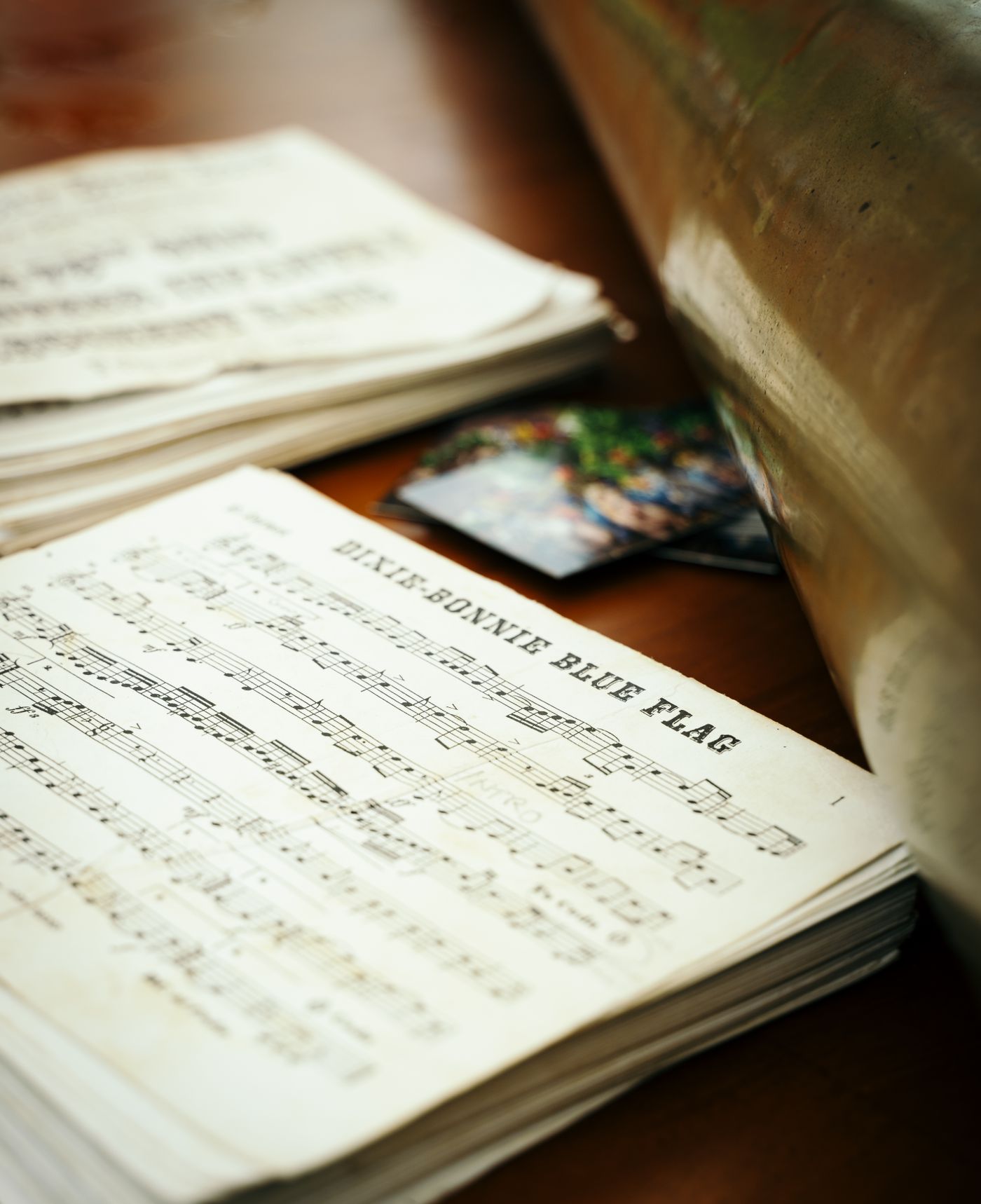
Use the annotation method allowed for the specific music and ownership arrangement. Separate session reminders from permanent reference information. A practice note saying “begin at the marked section” becomes unhelpful if the mark belonged to another edition or was removed when the score was returned.
Where you keep separate notes, identify the work, edition, and part before adding the next action. That lets a later session resume without assuming that every visible number refers to the same page sequence. A plain notebook can be enough; it does not need to become a second complete catalog.
Do not infer a different arrangement from penciled changes you cannot interpret. Ask the appropriate teacher, ensemble contact, or owner. The organization system should preserve information and questions rather than silently turning uncertainty into a new household version of the piece.
Return music after the activity, not after the pile becomes inconvenient
At the end of a practice period, put the complete working selection in its designated place. Loose pages should not be left on a chair that another person may need, behind a keyboard lid, or among the household’s current mail. Keep the chosen storage appropriate for the instrument area and the paper itself.
When an item is no longer active, check that its pages, authorized notes, and ownership information remain together, then return it to the main sequence. Update any placeholder. For borrowed items, complete the agreed handoff instead of treating movement back onto a shelf as the return itself.
Review the collection before expanding storage
If the shelf is filling, distinguish music you use, legitimate reference items, borrowed material awaiting return, and items you no longer intend to keep. Do not dispose of someone else’s score or distribute copies beyond the applicable permissions simply to reduce a pile.
Measure the real collection with its folders and supports before choosing storage. Planning capacity before buying containers helps avoid a file box that fits bare paper but not the working enclosures. Deciding what an organizer must solve can also reveal whether the real problem is unidentified versions rather than too few compartments.
The system is doing its job when a player can retrieve the right work, version, and part, use a complete sequence, and return it without losing the next person’s place. That clarity supports the music while leaving the shared room available for the rest of household life.
Explore related household decisions in our Home Organization hub.
Sources and editorial scope
Editorial research checked October 17, 2026. Trend-report dates and limitations are stated in the article; these are editorial applications of published signals, not verified October keyword rankings. Practical household guidance; illustrations do not document a tested household or authenticate a pictured material.
