Shoe-care supplies often spread farther than the shoes. One brush is by the door, an old polish tin is under the sink, and a cloth that might contain dark polish is mixed with household rags. A compact kit solves the ownership and storage problem by keeping only the supplies your current footwear needs, with their purposes still clear. For the broader setup, A Compact Letter-Writing Kit That Connects the Message to the Mailbox is a useful next read.
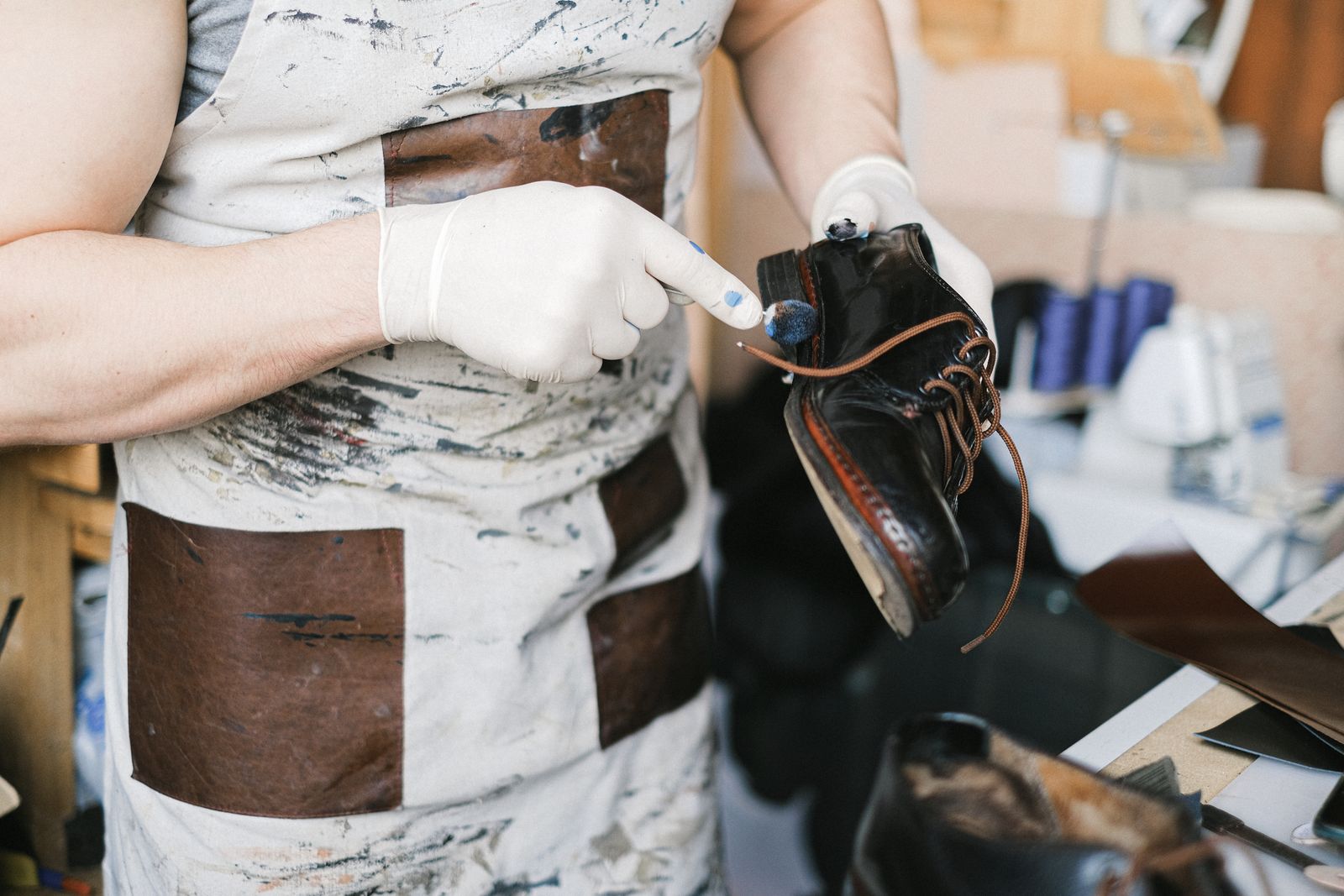
This guide is about building and returning that kit. The exact footwear and product instructions decide how to clean, condition, or polish a particular pair. A photograph of a professional shining leather shoes is not permission to apply the same method to suede, fabric, coated leather, or an unknown finish.
Build the list from shoes you own
Look at the pairs currently in use and identify the materials using their labels, maker information, or purchase details. Write down which pairs require a specific care product and which can be maintained with supplies already at home. If a material is uncertain, resolve it before adding a cleaner to the kit.
A useful inventory might read: one smooth-leather work pair with confirmed polish requirements, one textile sneaker with its own care directions, and one pair maintained only as its maker specifies. That list is more practical than buying a large assortment labeled �complete shoe care.�
Include ownership where it matters. A person’s special-finish footwear should not be treated as an invitation for anyone to experiment. Keep the exact product directions with the supply, and make it clear when the wearer should be consulted before maintenance.
If shoes themselves already spill into the walkway, address their home separately with family shoe storage for a small entryway. The care kit should support that arrangement without becoming another obstacle on the floor.
Keep product identity attached to the product
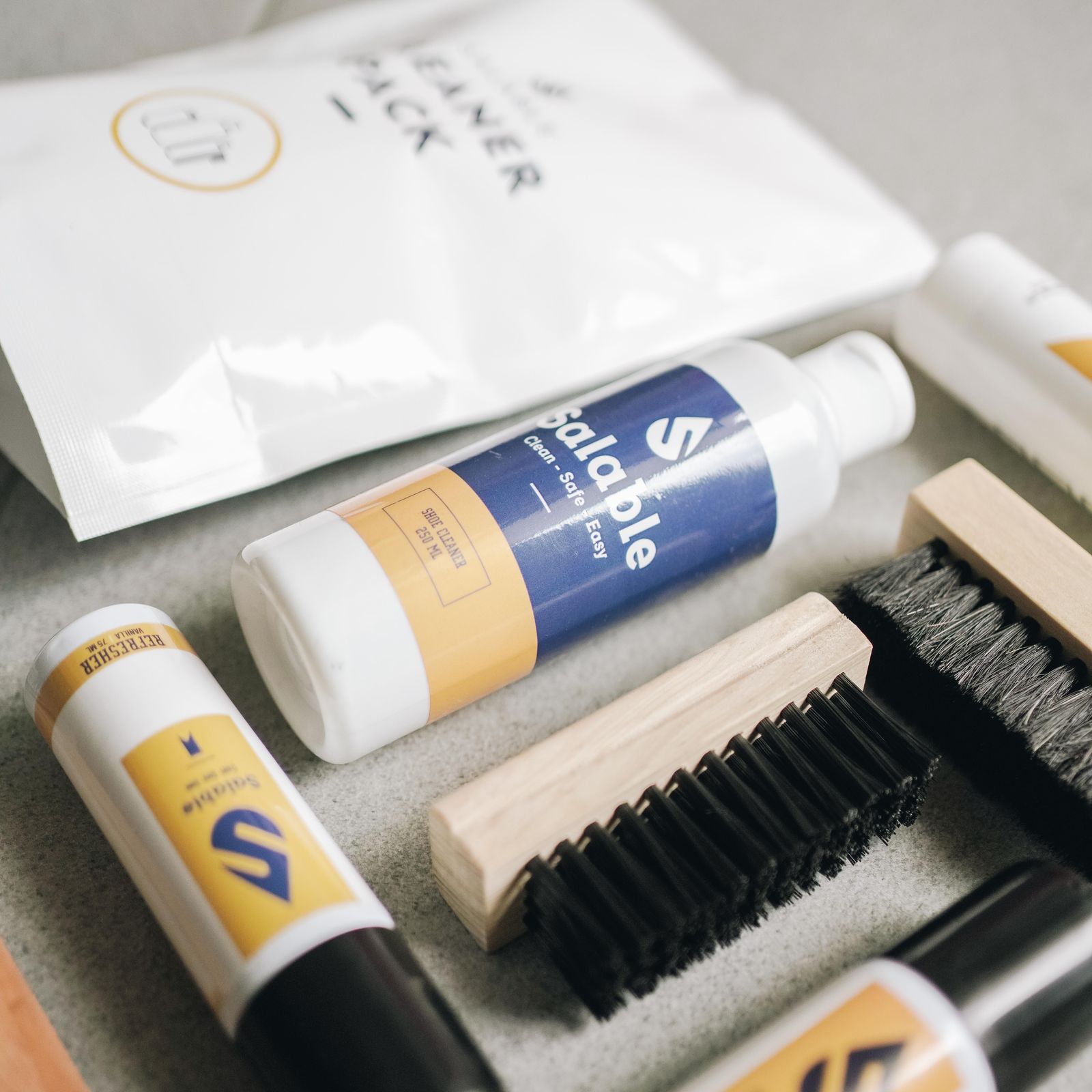
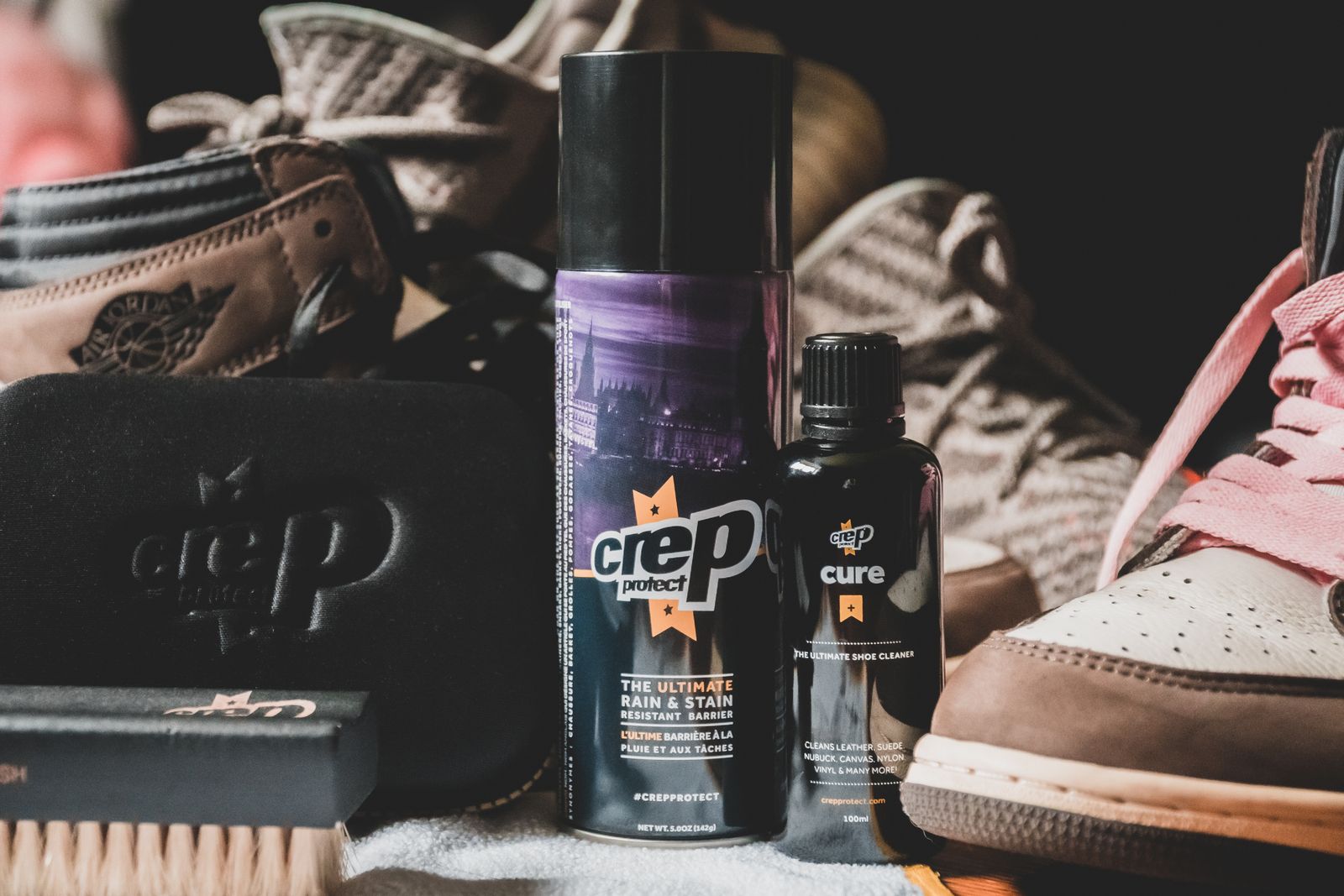
Retain care products in their original labeled containers. A tiny unmarked jar may look tidy, but it disconnects the contents from directions, compatibility information, warnings, and identification. Compact storage comes from reducing unnecessary products, not from making useful labels disappear.
Check that caps close correctly and containers remain sound. Follow each product’s storage instructions, including restrictions involving temperature, ventilation, children, or pets. A decorative basket beside a sunny door is not automatically a suitable location. Where product directions require a more controlled place, keep the kit there and bring it out for use.
Gather only confirmed supplies. Separate an unidentified or questionable product from the ready kit until you can resolve its identity and permitted disposal route. Do not test an unknown liquid on footwear as a way to discover what it is.
Paper instructions can be kept in a small sleeve or a short note can point to the maker’s current care page. Keep the product label readable even when the container sits inside the kit. A supply that can be identified only after emptying the whole box is harder to use responsibly.
Separate tools by the residue they carry
Brushes and cloths need identities as much as bottles do. A brush used with one color of polish should not become the universal brush just because it fits in the same compartment. Decide which tools belong to which confirmed task, color, or material, based on the applicable product guidance.
You may need a clean tool for an initial task and a different tool that carries product residue. Keep those purposes distinguishable. Small separate sleeves, compartments, or clear labels can help, provided they suit the tools and do not enclose damp items contrary to their care instructions.
For cloths, use a label or dedicated location that makes the contamination history understandable. Do not return a shoe-care cloth to kitchen wiping supplies because it has been washed once. The practical separation in organizing clean and used household cloths is useful here too.
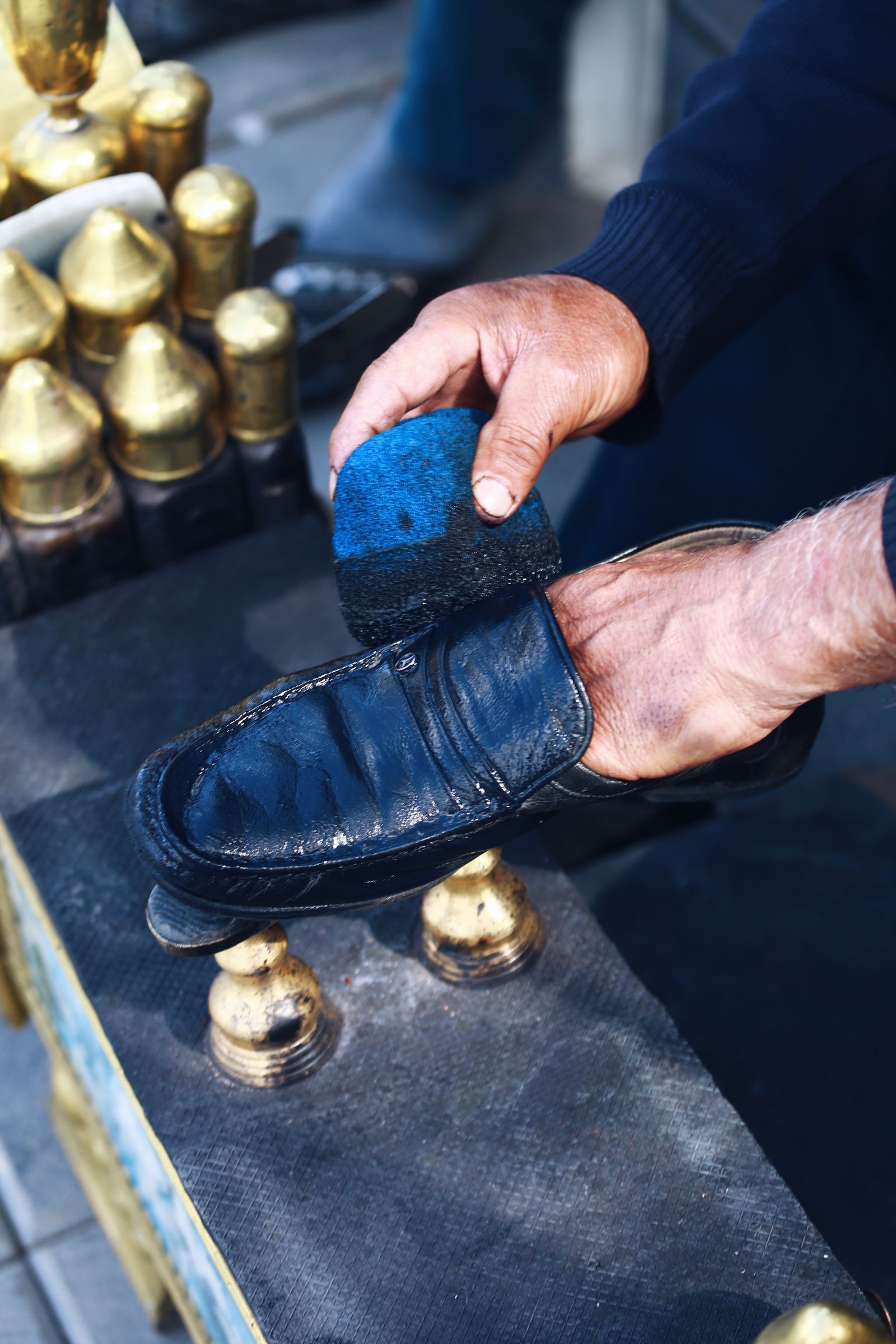
Choose the kit’s size by a complete use cycle
Place the confirmed supplies together on a surface. Keep the containers upright where their directions require it, preserve the shape of brushes, and leave enough room to see labels. This arrangement gives you the footprint the kit actually needs.
Try an existing container before buying a specialist case. Check whether it holds the supplies securely, can be cleaned appropriately, and allows the products’ storage requirements to be met. A shallow box can be easier to inspect than a tall narrow one, but the correct choice depends on the actual contents.
Do not size the kit only while everything is pristine. Include the cloth or tool that must return after use and any permitted separation needed for it. If the lid closes only before maintenance begins, you have measured a display rather than a working kit.
Keep backup stock elsewhere only when there is a real reason to own it. The active kit should contain usable supplies, not every half-finished container accumulated over years. Avoid retaining several products that perform the same confirmed task merely because their packages look different.
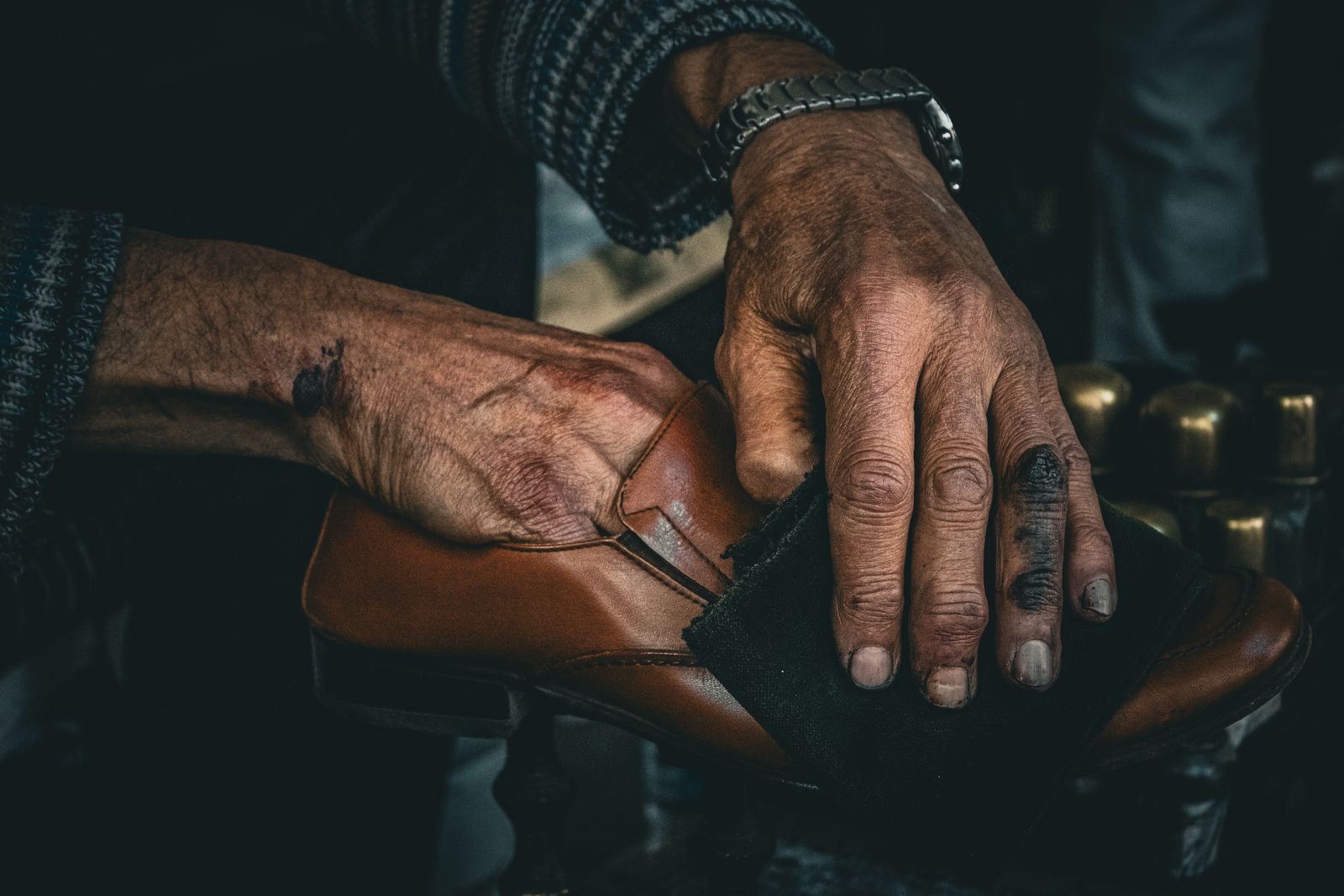
Give maintenance a place that can be reset
A small entryway may be a good departure point and a poor maintenance workspace. Choose a place suited to the actual care products, footwear, directions, and household traffic. Protect the surface as the products require and keep the work away from food preparation and children’s activities.
Bring out one pair and its relevant supplies. Leaving unrelated products in the kit reduces confusion and the number of open containers. Keep the route through the home clear, particularly if shoes are waiting for a required drying or finishing stage. For a related step-by-step approach, see How to Stop Entryway Shoes From Spreading Through a Small Home.
Before beginning, identify where the pair and used tools will go until they are ready to return. Do not seal damp equipment in a closed case just to make the entryway look finished. Follow the tool and product guidance, then put only ready supplies back into their assigned locations.
Wet outdoor footwear is a separate issue from care-product storage. The rainy-day entryway routine can help keep arriving shoes from occupying the clean maintenance area.
Make replenishment specific enough to prevent duplicates
When something runs low, record its exact name, color or variant, intended pair, and size. �Buy polish� is not enough if the kit contains products for different finishes. Photograph the label for your own shopping reference if useful, keeping personal details out of anything you share.
Check the kit before ordering. A product may appear missing because it was left at the maintenance location, borrowed, or moved to meet a storage restriction. Find the existing container before purchasing a replacement. This simple check prevents a compact kit from growing into a collection of duplicates.
Reassess supplies when footwear leaves the home. A special product for a pair you no longer own may no longer deserve space in the active kit. Follow its label and local disposal instructions; never combine leftover products to reduce the container count.
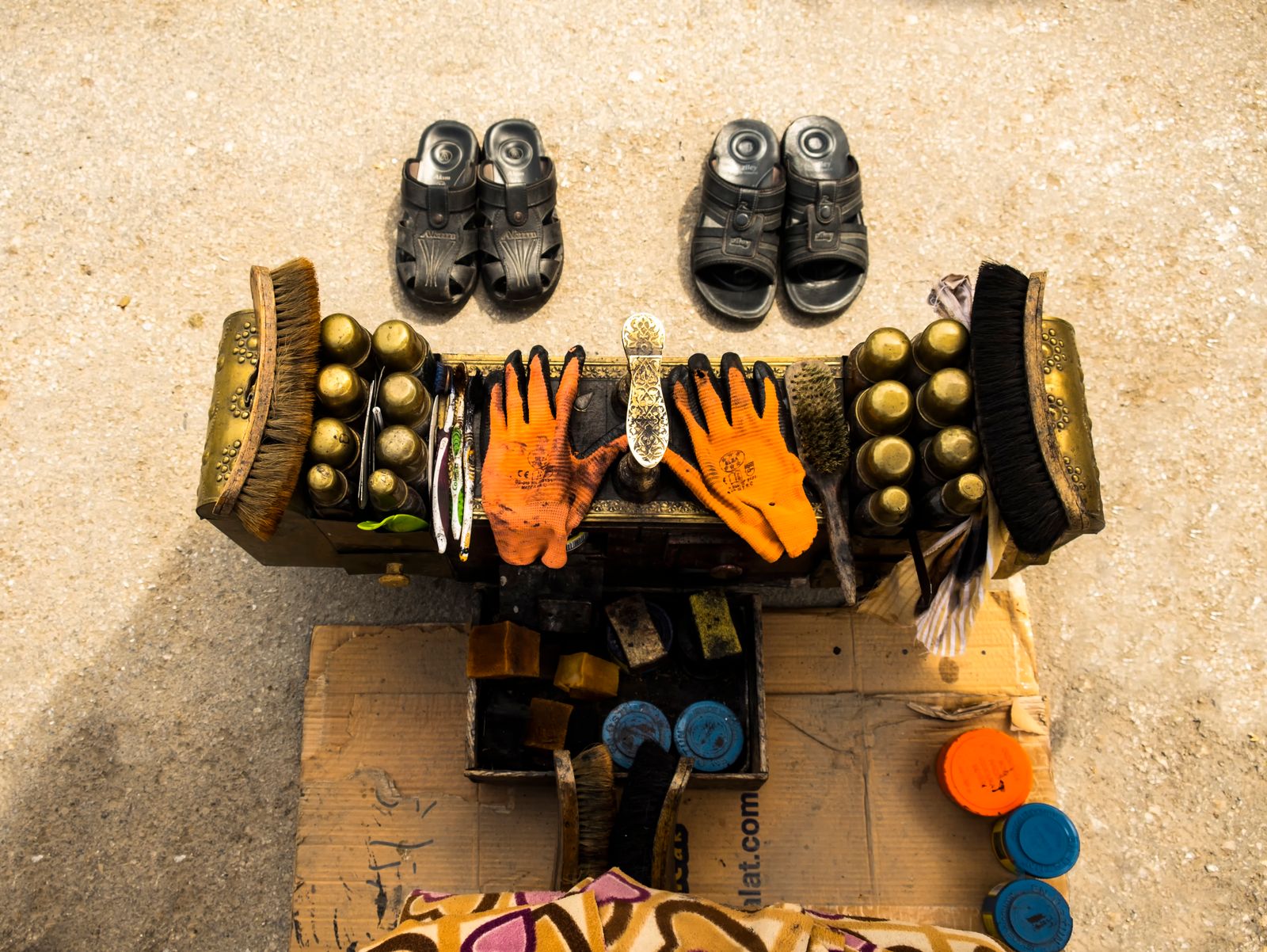
A small household example
Imagine a family with two pairs of dark smooth-leather shoes, several sneakers, and one suede pair. Their first version of the kit contains assorted tins, three anonymous brushes, and two loose cloths. Nobody knows which supplies are appropriate, so maintenance rarely starts. You may also find How to Organize a Small Hall Closet for Coats, Shoes, Bags, and Family Gear useful for a closely related small-home problem.
They identify the footwear, confirm the permitted products, and label the relevant tools. They keep the suede supplies distinct from the leather-polish group and move an unidentified container out of the ready kit. The smaller resulting box is stored where its labels permit, with a clear adult return responsibility.
The improvement is not a universal treatment method. It is that the family can connect each supply to a known job. If one pair needs specialist advice, its owner can seek that advice without making the rest of the kit unusable.
Check the kit after its first real use
Ask whether you found the right supply immediately, could read its directions, and had a suitable place for used tools. Notice anything left outside the container. That item may need a clearer home, a care step, or removal from the active assortment.
For broader entryway planning, see the Entryway collection and the site’s Organization guides. Keep the kit’s purpose narrow: it should make confirmed shoe care easier to begin and finish while preserving the space people need to enter and leave the home.