The cabinet under a bathroom sink looks bigger when it is empty than it feels once anything goes inside.
Pipes interrupt the middle. Cleaning products take the tallest space. Toilet paper gets crushed behind bottles. Toiletries migrate to the back. Eventually the only things you can reach are the items blocking everything else.
The solution is to organize around the plumbing footprint first, then use the remaining space for a few clearly defined categories.
Empty the cabinet and look at the actual shape
Before buying bins, remove everything and look at where the drain, supply lines, shutoff valves, and cabinet hinges reduce usable space.
Do not cover access that may be needed for plumbing maintenance.
Choose only the categories that belong here
Good candidates may include:
- daily toiletry backups,
- toilet paper in a limited quantity,
- hair or grooming tools that are used nearby,
- bathroom-specific cleaning supplies when appropriate and safely stored,
- one small personal-care category.
Do not use the cabinet for every bathroom-related item simply because it has a door.
Keep daily-use items in front
If something is used several times a week, it should be reachable without removing another container.
Backups and low-frequency items can go toward the rear—but only if they are grouped in a bin that can be pulled forward as one unit.
Use pull-forward bins instead of deep loose storage
The back of an under-sink cabinet becomes invisible when small items sit loose.
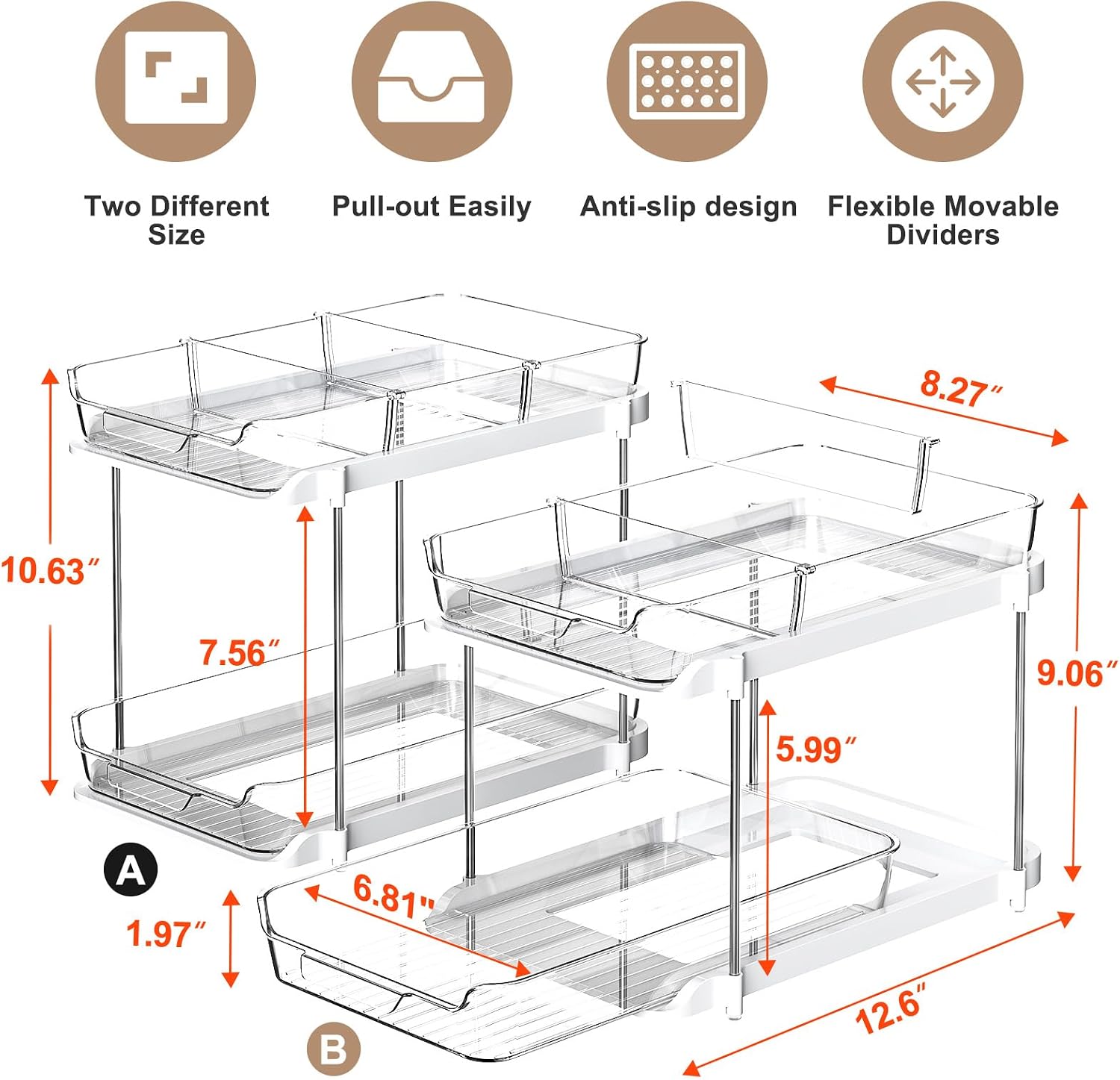
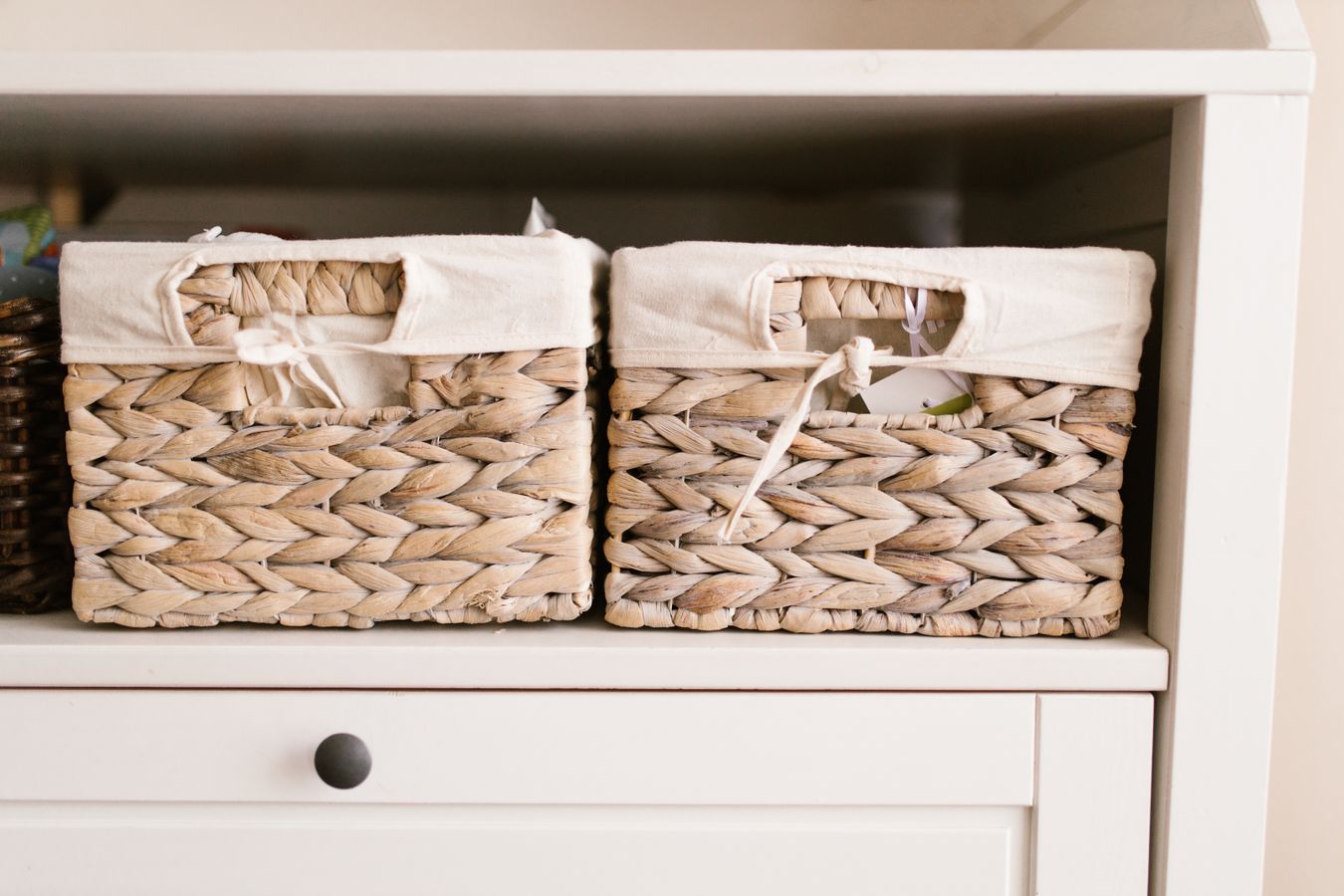
Use a few narrow bins, baskets, or trays that can slide out. Each one should have a broad job such as “hair,” “backups,” or “cleaning.”
Work around the pipes instead of fighting them
U-shaped organizers can be useful, but they are not required. Two narrow containers on either side of the plumbing often work better than one large organizer that barely fits.
Keep liquids upright and inspectable
Store bottles so caps remain upright and leaks are easier to notice. Consider a washable tray under liquid products if that fits the cabinet and product instructions. If you are working on the same space, How to Store Towels in a Small Bathroom With No Linen Closet covers the next decision in more detail.
Check the cabinet floor periodically for moisture or leaks.
Do not hide a plumbing problem behind storage
If you see persistent moisture, swelling, discoloration, or dripping, remove stored items and address the source rather than treating the cabinet as normal storage.
Keep bathroom backups limited
One backup toothpaste or shampoo may be useful. Six refills may not deserve scarce under-sink space.
Bulk backstock can move to another household storage zone. See What to Keep in a Small Bathroom—and What to Store Somewhere Else.
Use the cabinet door selectively
A light over-door or adhesive organizer may help with small items if it is appropriate for the cabinet and does not interfere with closing, hinges, or plumbing access. You may also find How to Help Towels Dry Faster in a Small Shared Bathroom useful for a closely related small-home problem.
Avoid overloading the door with heavy bottles.
Separate personal care from cleaning products
If the cabinet contains both, keep them in clearly separate bins. In homes with children, prioritize secure adult-controlled storage for household cleaning chemicals.
Give toilet paper a real limit
Keep the few rolls you need for convenient bathroom use. Store bulk packs elsewhere so paper products do not block every other category. If you are working on the same space, How to Keep a Small Bathroom Counter Clear When Several People Use It covers the next decision in more detail.
The five-minute under-sink reset
- pull each bin forward,
- remove empties and trash,
- return loose items to their category,
- check for leaks or moisture,
- move excess backstock out,
- return bins without blocking plumbing access.
What should not go under the sink?
Avoid using the space for food, important papers, sentimental items, or anything that would be damaged by a plumbing leak or bathroom humidity. For the broader setup, A Small Bathroom Morning Routine That Prevents Counter Clutter is a useful next read.
If several people share the bathroom
Give personal items separate caddies or bins while keeping household supplies distinct. For the whole-room system, see A Small Bathroom Storage System for a Family Sharing One Bathroom.
Frequently asked questions
What is the best organizer for under a bathroom sink?
The best setup fits around your actual plumbing and lets you pull categories forward without blocking access.
Should I use stackable drawers?
They can work if the dimensions fit and drawers can open fully around the pipes. Measure first.
How do I stop things getting lost in the back?
Use pull-forward bins and keep the rear area for low-frequency categories rather than loose small items.
Organize the awkward shape, not an imaginary rectangle
Under-sink storage works when plumbing stays accessible, daily items stay in front, and the back of the cabinet can move toward you in a few simple bins.