A family medicine cabinet often becomes a collection of every small health-related object in the house: bandages, thermometers, prescription bottles, pain relievers, allergy products, creams, travel packets, expired cough medicine, old dosing cups, and three nearly empty boxes of the same item. For the broader setup, How to Organize a Small Kitchen Utensil Drawer Without Buying a Giant Organizer is a useful next read.
Because these products matter, people hesitate to discard or relocate them. The result is an overfilled cabinet where finding the right thing can take longer than it should.
This is an organization guide, not medical advice. Store medicines and health products according to their labels, pharmacist or clinician guidance, and household safety needs. You may also find What to Keep in a Small Bathroom—and What to Store Somewhere Else useful for a closely related small-home problem.
Choose storage based on safety first
The most convenient shelf may not be the right shelf. Households with children, teens, pets, visitors, or other access concerns may need locked or otherwise secured storage. Some products also have specific temperature, moisture, or light requirements.
Do not assume the bathroom is automatically the ideal location just because the cabinet is called a medicine cabinet.
Separate personal medications from general first aid
Bandages and gauze are shared household supplies. A prescription medication belongs to a specific person and may require different access controls. Keeping these categories visually distinct reduces confusion.
Use separate secured zones, labeled bins, or shelves as appropriate for your household.
Keep medicines in original labeled packaging when appropriate
Pretty containers are not the goal here. Original labels can include dose information, warnings, expiration, identification, and instructions. Avoid decanting medication into unlabeled jars merely for visual consistency.
If you use a pill organizer for an individual routine, follow professional guidance and still keep the source medication properly identified.
Create a true first-aid category
A first-aid kit should be easy for an appropriate adult to identify quickly. Keep wound-care basics and related supplies together rather than scattered among toothpaste, cosmetics, and spare toiletries.
Review the kit periodically so empty boxes and dried-out products do not occupy the most valuable space.

Do not organize by package size
It is tempting to place all small boxes in one bin because they fit neatly. But a bin containing allergy medicine, bandages, thermometer covers, and travel toothpaste creates a searching problem.
Organize by use: first aid, personal medication, common approved household medicines, temperature/monitoring tools, and travel health items. For a related step-by-step approach, see How to Organize Under a Small Bathroom Sink Without Wasting Space.
Give each person a personal zone only when needed
If several household members take different regular medications, individual clearly identified zones can reduce mix-ups. The exact setup should reflect safety, privacy, and professional guidance.
Do not create child-accessible “personal medicine baskets” merely because personalized bins are popular in organization content.
Keep thermometers and small devices complete
A thermometer without batteries, a device without its case, or a testing tool separated from its accessories is not usefully stored. Keep compatible pieces together and remove obsolete accessories that no longer belong to any current device. You may also find How to Store Towels in a Small Bathroom With No Linen Closet useful for a closely related small-home problem.
Move non-medical bathroom clutter out
Hair clips, cosmetics, spare razor heads, hotel toiletries, and skincare samples often invade medicine storage because they are small. Give them their own category elsewhere.
Health storage works better when it is not competing with every miniature bathroom object.
Use shallow bins so labels stay visible
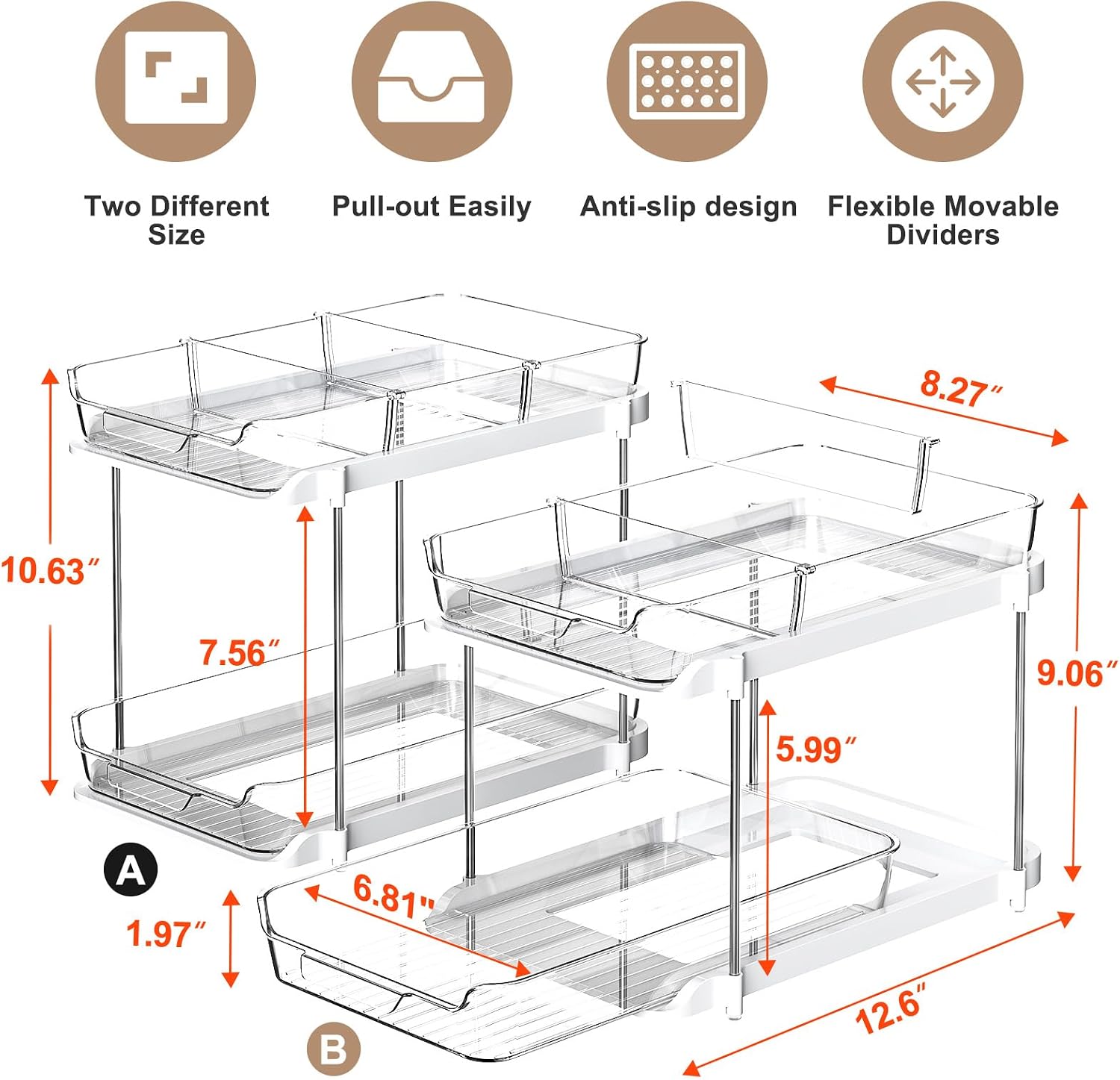
Deep boxes encourage stacking. A shallow tray or short bin can keep related items together while allowing you to read packaging from above or from the front.
If you must remove six boxes to find one medicine, the container is too deep for that category.
Check expiration dates on a predictable schedule
Choose one or two times a year to review the cabinet. Follow appropriate local guidance for disposal of expired or unused medications; do not flush or combine products unless official guidance specifically directs it.
Regular review also reveals duplicates before you buy more.
Keep dosing tools with the product they belong to
Loose syringes, cups, and spoons become confusing when they are separated from the product or instructions they were intended to accompany. Where appropriate, keep the correct tool with its original product and label.
Discard obsolete tools when the associated product is gone and there is no reason to keep them.
Create a travel-health kit separately
Travel-size products, motion-sickness items, spare bandages, and other travel supplies can live in a dedicated kit that is checked before trips. That prevents the everyday cabinet from holding multiple miniature duplicates.
After travel, review what needs replacement before storing the kit again.

Make emergency information easy for adults to find
Important household information should not be buried under products. Keep relevant emergency contacts, allergy information, or care instructions in a clearly designated location appropriate to your family, while protecting private information as needed.
The organizational principle is visibility for the people who may need it.
Avoid buying backups just because the box is small
Medicine cabinets become crowded with “just in case” duplicates. Keep reasonable household supplies based on your family’s needs, but remember that products expire and requirements change.
A smaller, current inventory is easier to manage than a deep backstock of uncertain age.
Link the cabinet to the broader bathroom system
Keep everyday grooming routines separate from health supplies. The approach in A Small Bathroom Morning Routine That Prevents Counter Clutter works better when the morning kit is not fighting for space with first aid and medication.
A simple family-health storage structure
- Secured personal medication: identified by person where appropriate.
- First aid: one clearly recognized kit.
- Common household items: grouped by function and stored according to instructions.
- Devices: thermometer and accessories together.
- Travel: a separate checked kit.
Explore this topic
Browse more practical guidance in the Home Organization hub. Room focus: Bathroom.
Related published guides
- A Small Bathroom Storage System for a Family Sharing One Bathroom
- How to Organize Under a Small Bathroom Sink Without Losing Everything in the Back
Frequently asked questions
Should medicine be stored in the bathroom?
Not automatically. Follow the product label and professional guidance regarding temperature, moisture, light, and security.
Can I put pills into decorative containers?
Keeping original identification and instructions is important. Do not remove medicines from labeled packaging just to make storage look uniform.
How often should I clean out the medicine cabinet?
A scheduled review once or twice a year is a practical starting point, with additional checks when medications change.

This cabinet should optimize clarity, not aesthetics
A family health-storage system succeeds when an appropriate adult can find the needed item quickly, identify it confidently, and know that outdated clutter is not hiding the current supplies. Use fewer categories, visible labels, secure access, and a regular review rhythm. In this part of the home, clarity is more valuable than matching containers.