
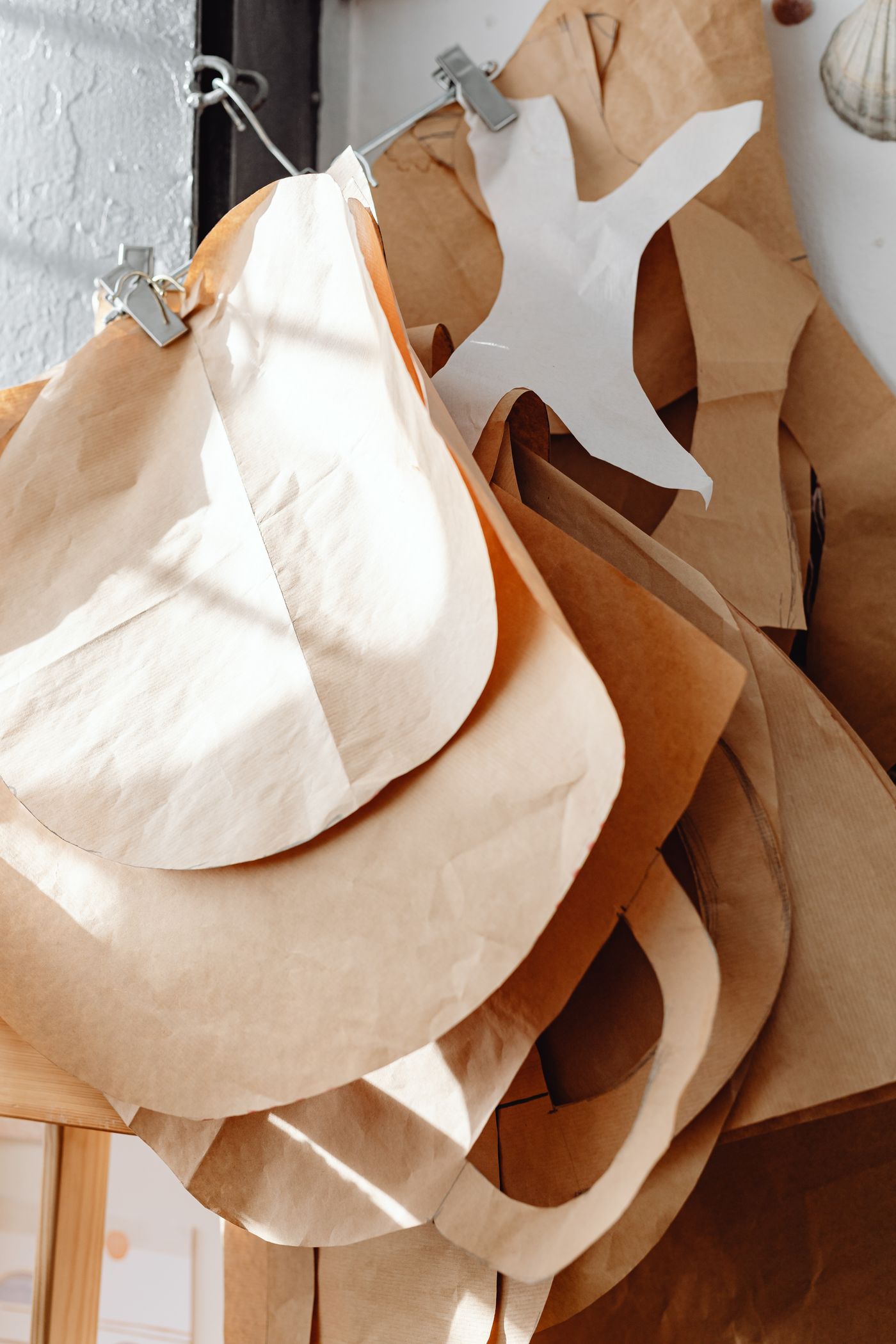
Keep each sewing pattern identifiable by its original design, the size you actually used, and the most recent working version. Store the instructions with the pieces, and separate an untouched master from copies you have adjusted. That is enough structure to prevent a small pattern collection from turning every sewing session into a search through anonymous paper.
Pinterest’s fall 2026 report highlights hands-on hobbies. This is a practical organizing response for someone who already sews, rather than a reason to buy patterns in anticipation of becoming a different person. The system should make your next real project easier without turning the home office into a permanent cutting room.
Begin with the patterns already on your desk. You do not need to reorganize a lifetime of sewing in one evening. One complete, clearly identified project is a useful starting point, especially if loose sheets have begun mixing with bills and ordinary household paperwork.
Identify the design before sorting the paper
Find the pattern company, design name or number, and the format you own. Keep its instruction booklet or legitimate download reference available. A sleeve piece that resembles another sleeve is not enough evidence that the two belong to the same design.
Check the publisher’s inventory of required pieces for the version you intend to make. Tilly and the Buttons, for example, describes printed packages containing pattern sheets and an instruction booklet. Preserve that relationship in storage. A pile of shapes without the corresponding directions is a project with missing information, even if every piece of paper is present.
Choose a short identifier you can repeat on the working pieces and their folder. A company abbreviation plus design number may be sufficient. If you draft your own designs, use a name and version date rather than relying on a description such as “the blue dress.” Fabric color can change while the pattern remains useful.
Separate the master from the working copy
Decide which copy preserves the original information and which one records your current work. The master might be an uncut printed sheet or a properly retained digital purchase. The working copy may contain traced pieces, size selections, or changes made for a particular project.
Keep those roles distinct. Do not put an altered bodice back among original pieces without marking it. The next time you open the folder, you should be able to tell whether a line belongs to the publisher or to a change you made after a fitting.
Our paper-versus-digital household records guide can help you choose an appropriate division between physical and digital information. A scan may serve as a reference, but it does not automatically preserve a usable full-scale sewing pattern. Keep the publisher’s printing, scale-checking, and use instructions with the original file.
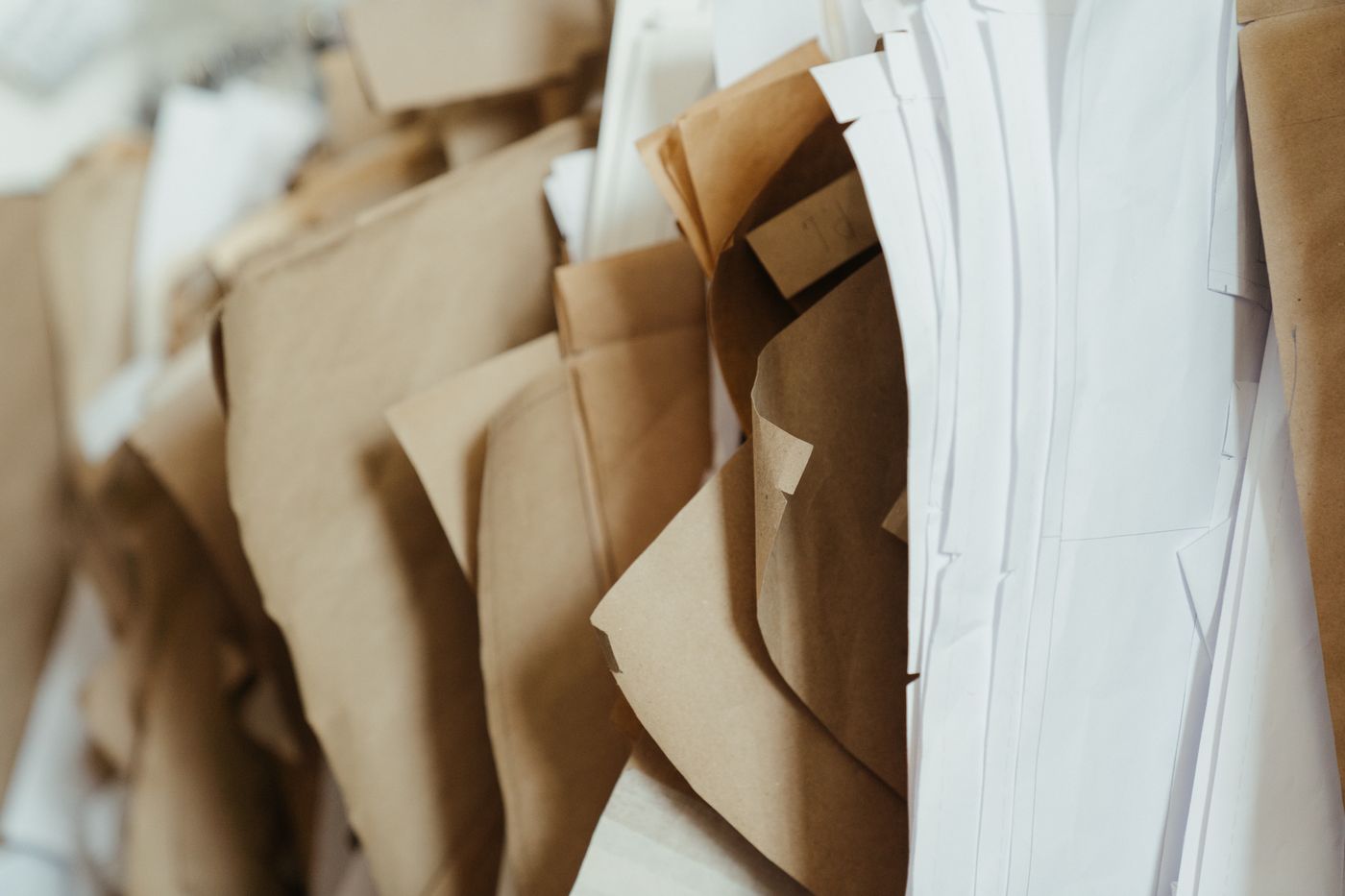
Name the size and version you really used
Write down the size designation supplied by the publisher and the version of the design you selected. Do not assume a familiar ready-to-wear clothing size identifies the right pattern pieces. Follow the pattern’s own size and fitting information when making that decision.
For an adjusted working copy, use a note that describes the change concretely. “Lengthened this working copy” is more useful than “fixed.” Include the date and which pieces were changed. If you followed a specific fitting tutorial, retain its reference rather than trying to recreate the method from an unexplained pencil mark.
Keep personal measurement notes appropriately private when other people use the office. They can stay inside the project folder rather than on a visible label. The outside needs enough information to retrieve the project; it does not need to display the wearer’s details.
Keep the pieces together without damaging them
Choose an existing folder, envelope, or other suitable container large enough for the paper in the condition you intend to store it. Avoid forcing a large taped sheet into a small pocket simply because all the other folders are that size. Different paper formats may reasonably need different storage methods.
Fold or roll only in a way suitable for the paper and your future use. Do not punch new holes through useful pattern markings or fasten fragile tissue with an attachment that tears it when removed. An outer container can carry the label without altering the pattern itself.
Keep small related pieces contained within the same project. Before closing the folder, check the piece names against the design’s list. If something is missing, write that on the project note. Calling the folder complete will not make a missing facing appear when the fabric is already laid out.
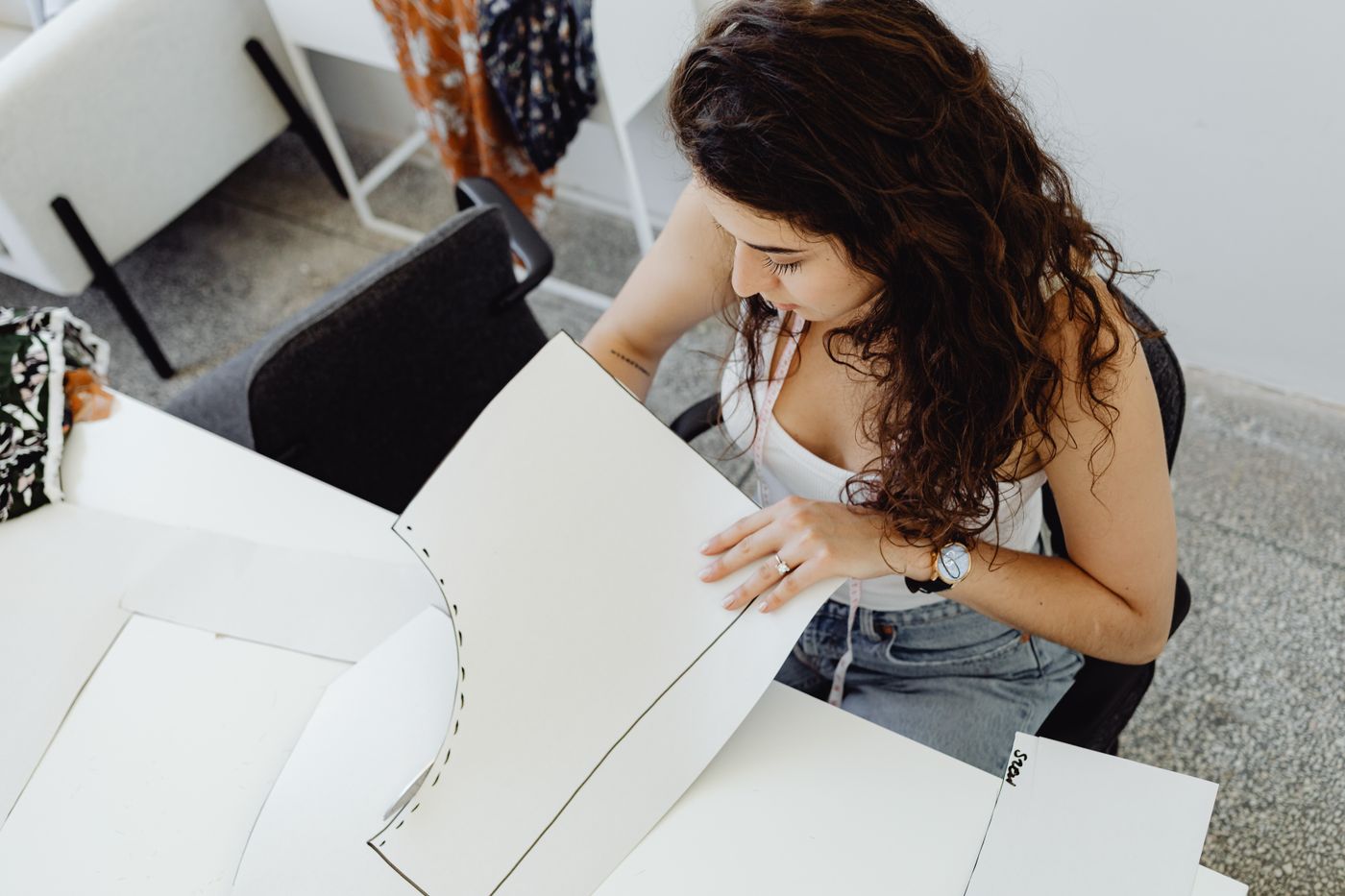
Give an active project a different position
Put the pattern for the project you are actually making within easy reach. Keep the broader library in its ordinary storage location. This prevents the office surface from becoming a display of every possible garment you might sew someday.
An active folder can include the relevant instructions and a brief next-step note. Keep tools and sharp items in their appropriate separate storage, rather than dropping them loose among paper. The pattern folder is an information packet, not a complete sewing basket.
If the sewing machine comes out at the dining table, our temporary sewing-machine station guide covers that physical setup. Bring the identified project to the station when needed and return it afterward. The office should not have to surrender its usable desk merely because sewing happens elsewhere in the home.
Preserve useful changes rather than every draft
After a project, decide which working version you would genuinely use again. Keep the version whose changes you understand and whose result you can describe. An earlier experiment may remain useful, but give it an honest status such as superseded or still unresolved.
Do not discard the only understandable reference in the enthusiasm of clearing the desk. First confirm that the retained version includes its related pieces and notes. A tidy-looking folder with an unexplained mixture of old and new parts is harder to use than a modestly larger but clearly labeled set.
Release redundant scraps that no longer carry useful information through an appropriate waste route. The decision concerns the physical copy you own; it does not authorize distributing purchased pattern files or reproductions. Check the publisher’s terms before lending, sharing, or passing on a format you did not create.
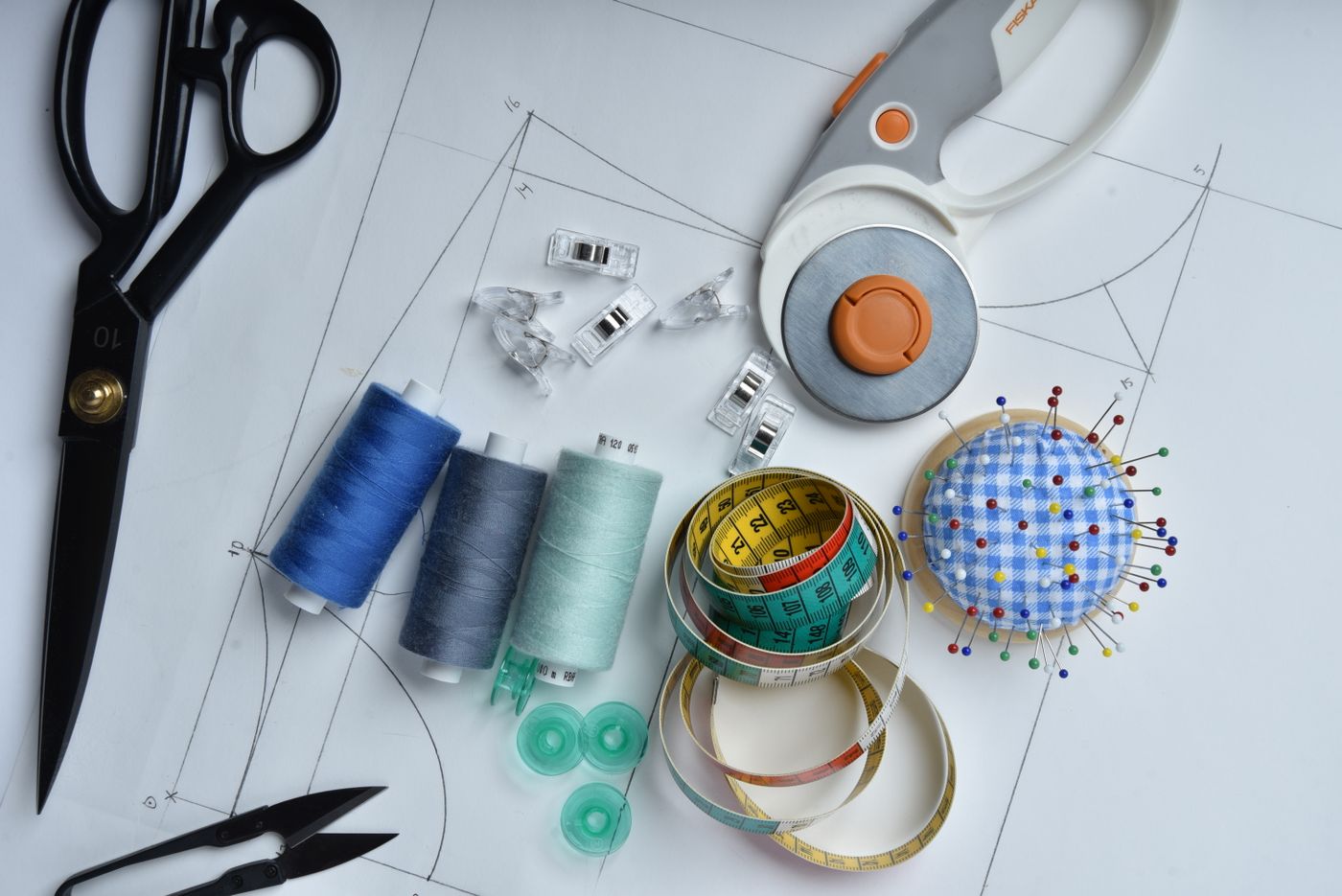
Keep digital filenames connected to the physical folder
Use a recognizable filename or folder name for legitimately retained digital patterns. Include the design identifier and keep the supplied instructions nearby. Preserve original downloads separately from files you annotate, so a working note does not overwrite the source material.
If a folder contains several print formats, label them clearly rather than assuming the newest filename is the right one. The next printing decision should follow the publisher’s instructions for that format. A thumbnail of the garment is useful for recognition but cannot confirm scale or completeness.
Make one brief reference in the physical folder if its instructions live digitally. The reference should help you find the actual file, not depend on a temporary browser tab. Avoid putting passwords, account recovery information, or other sensitive details on a craft label.
Fit the library into the office you already share
Choose one realistic shelf section or drawer allocation. Check the depth and opening as well as the front-facing width. A folder that technically fits while preventing the drawer from closing does not have a workable storage position.
Our shared home-office desk arrangement can help distinguish personal project storage from the surface another person needs for work. Agree where a pattern may stay temporarily and when it must return to its folder. A hobby can share the room without leaving its paper spread across both users’ positions.
Keep the collection within a capacity you can browse. Our capacity-ceiling method is useful if new patterns are arriving faster than projects are being finished. The practical limit can be one shelf section. A larger filing cabinet is a separate purchase, not the automatic next stage of enjoying sewing.
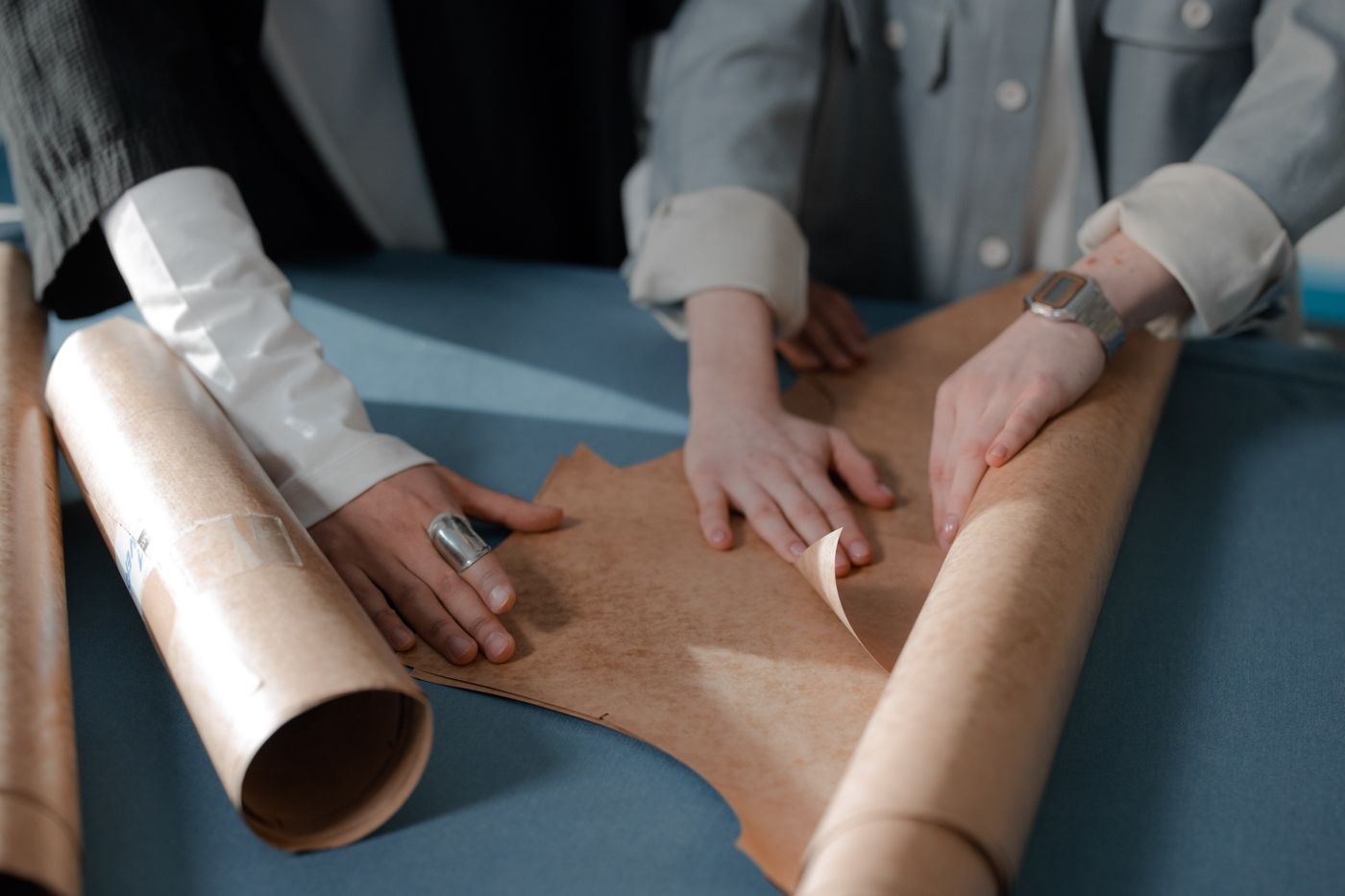
Close the session with a usable next step
Before leaving the project, return loose pieces to the correct folder and write the next action in ordinary language. “Check the missing pocket piece” or “compare this working copy with the last fitting note” is more useful than simply writing “continue.”
Put the active folder where you can retrieve it without moving unrelated household papers. Return the rest of the library to its allocated space. If the session exposed a missing instruction or an uncertain alteration, leave that uncertainty visible rather than filing the project as finished.
The collection is organized when you can choose a design, identify the right version, and account for its pieces. Consistent containers may look pleasing, but the important result is fewer repeated decisions and less accidental mixing. Let the information guide the storage, and keep enough of your desk clear to do the next piece of real work.
Explore related household decisions in our Home Organization hub.
Sources and editorial scope
Editorial research checked October 16, 2026. Trend-report dates and limitations are stated in the article; these are editorial applications of published signals, not verified October keyword rankings. Practical household guidance; illustrations do not document a tested household or authenticate a pictured material.
