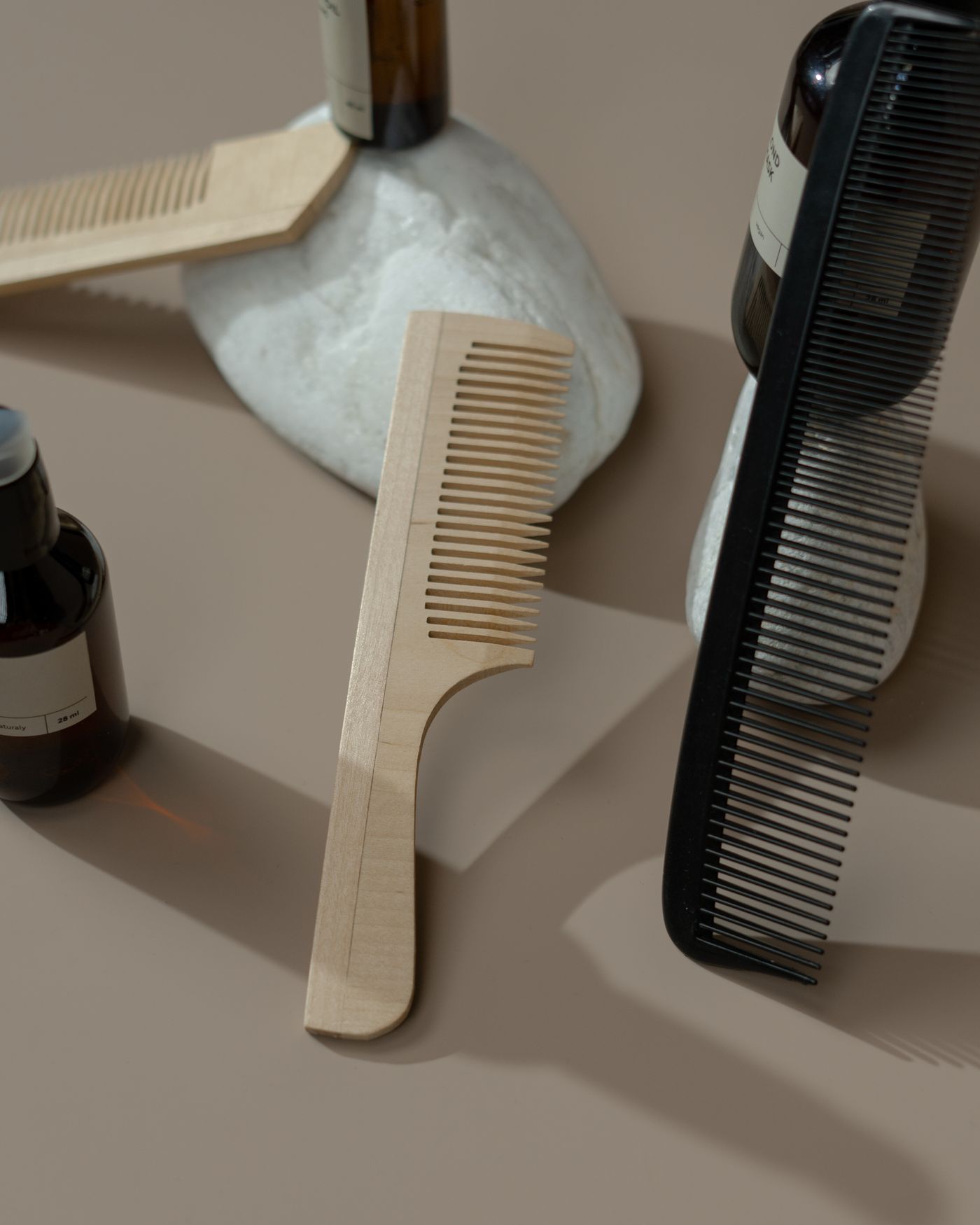
A reusable comb deserves a cleaning method matched to what it is made from. Wood, molded plastic, handmade composite material, coatings, and mixed construction can look similar in a product photograph while responding differently to water and cleaning products. The familiar advice to soak every comb in a bowl is too broad to apply without checking.
Houzz’s Fall 2026 report notes interest in tactile natural materials. For a bathroom containing wood and other characterful objects, the useful response is better care rather than assuming that a natural-looking finish is waterproof. This guide covers ordinary household comb care. It does not establish a disinfection process or replace professional guidance where a scalp condition or contamination requires special handling.
Identify the exact comb before choosing water or cleanser
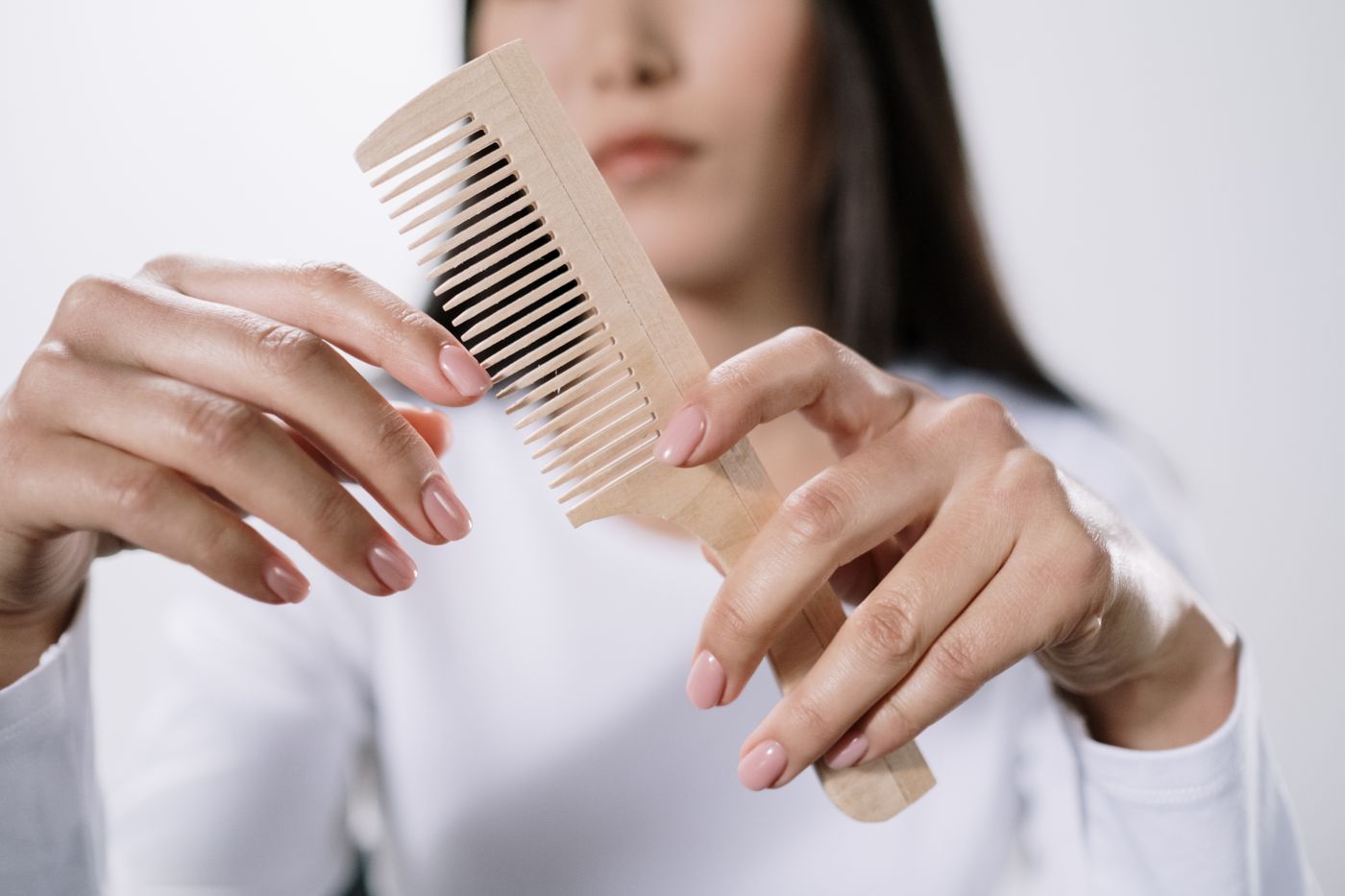
Look for the brand, model, packaging, or original product record. Confirm the stated material and care instructions. A light-colored comb may be wood, but color alone cannot confirm that. A handmade appearance also does not establish whether a comb has a coating, glued elements, or an all-one-piece construction.
Take a clear photograph of any identifying mark before it wears further. Save the product’s care page in a household reference location, noting which comb it describes. If several people own similar combs, keep their identities distinct rather than creating one household cleaning recipe based on the most water-tolerant example.
When the material cannot be established, start by removing loose hair without forcing the teeth or adding liquid. Ask the maker for the appropriate method before treating stubborn residue. An unknown comb is not a useful place to experiment with strong cleaners, boiling water, bleach, or a dishwasher cycle.
Inspect the teeth, edges, and joins
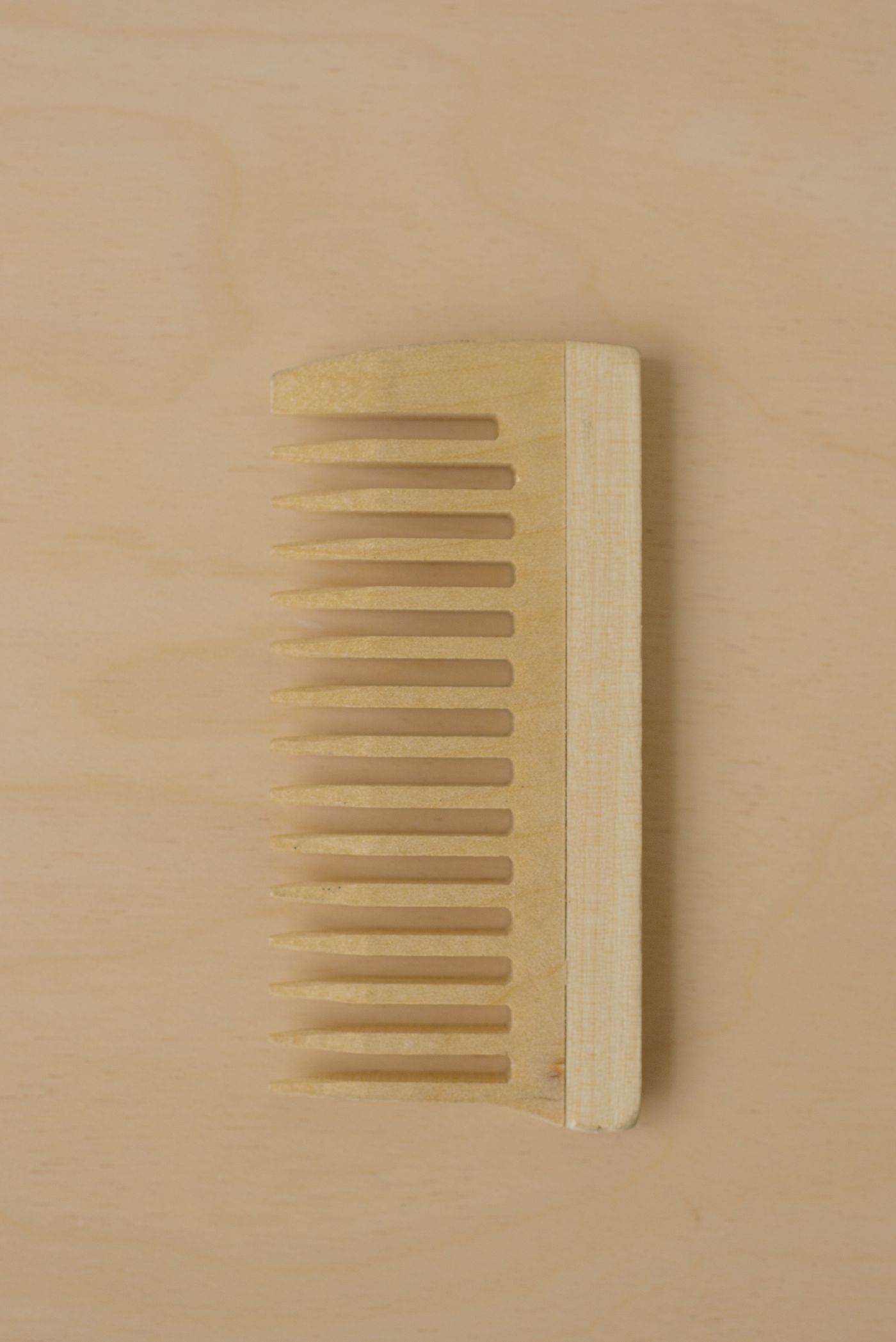
Hold the comb where you can see both sides and the spaces between the teeth. Look for cracks, loose pieces, rough edges, damaged coatings, or residue caught near a join. Set aside a damaged comb rather than using cleaning as a way to hide deterioration. A fresh appearance does not repair a rough tooth.
Avoid testing sharp or splintered areas by dragging them across your scalp or fingers. If you cannot assess a suspect area without risking a cut, stop using the item and ask the maker about replacement or assessment. The decision is whether the tool remains suitable for use, not whether every visible defect can be polished away at home.
Separate the comb from hairbrushes and other grooming tools. Brushes can contain cushions, ventilation holes, glued bristles, and handles with different care requirements. Their instructions should not be transferred automatically to a comb, even when both items are sold in the same bathroom collection.
Remove loose hair before handling residue
Work over a clear surface so loose hair can be collected into the appropriate waste route. Ease it out without prying against the teeth or using a sharp metal object to scrape the gaps. Do not pull a tight tangle hard enough to flex the tool. If hair is firmly trapped around a join, consult the maker before dismantling anything.
Keep this debris out of a running basin. Removing it before cleaning makes the remaining task easier to see and avoids washing an avoidable bundle of hair toward the drain. Clear the work surface afterward so a second person does not mistake the removed hair for something still awaiting attention.
If the whole basin needs cleaning, treat that as a separate task with products suitable for the basin. A countertop cleaner is not automatically a grooming-tool cleaner. A workable routine for a windowless bathroom can help separate surface care, drying space, and everyday storage without turning one comb into a full-room cleaning project.
Apply the instructions for the particular construction
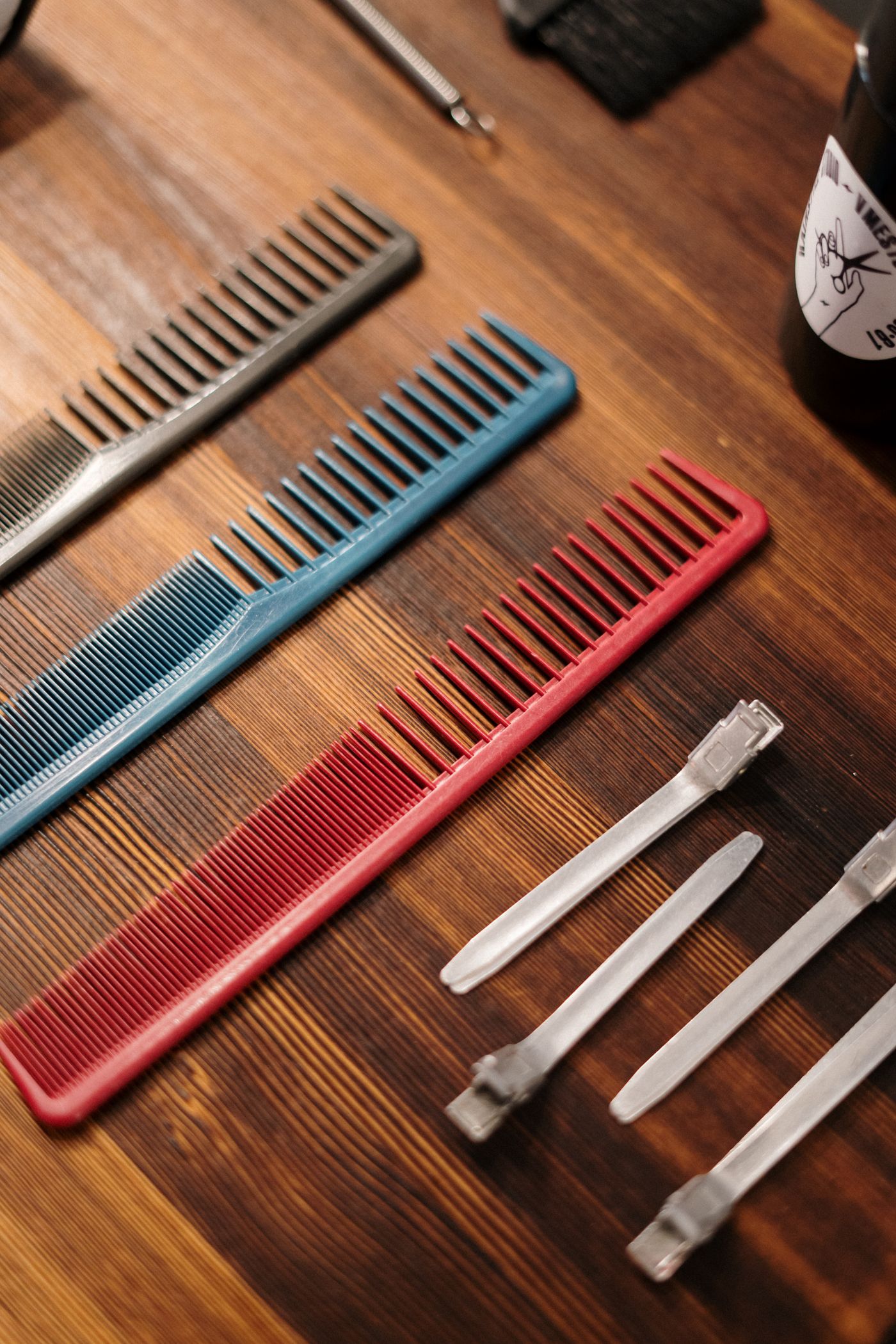
Kent’s aftercare guidance gives a useful example of why categories matter: for its handmade combs, it specifies wiping with a cloth, using a soft toothbrush gently on the teeth to ease away oil or dirt, and allowing the comb to dry away from direct heat and sunlight. Its instructions for other tools differ. Follow the directions for your actual product rather than treating this example as permission for every comb.
If your maker allows a cleanser or a water-based method, follow its specified conditions and restrictions. Do not increase concentration or contact time because a mark remains. If the directions say wipe clean, do not reinterpret that as an extended soak. “Reusable” describes repeated use, not unlimited tolerance for cleaning treatments.
Use a separate suitable cleaning tool rather than a toothbrush still used for oral care. Keep it identified and stored appropriately after its own cleaning. Do not assume that a tool used on the toilet, floor, or sink can be repurposed for the comb because it looks clean.
Work through the gaps without damaging the teeth
Where the instructions permit gentle brushing, support the comb so it does not slide off the work surface. Approach accessible gaps without forcing a cleaning tool into a space narrower than its working end. Focus on removing the residue allowed by the maker’s method, not on making an older object look newly manufactured.
Check both sides as you work. Residue near the base of the teeth may be less obvious than hair at the tips. Stop if the coating changes, the surface roughens, a join loosens, or the tool starts to bend. Continuing after a visible change can turn a limited cleaning problem into damage.
An older comb with decorative details may need a different level of care from an ordinary current-use item. If it has personal or historical value, separate the display decision from the grooming decision. You do not need to keep using an unsuitable heirloom to preserve its story.
Make drying part of the task
Follow the maker’s drying directions and allow the item to finish before putting it into enclosed storage. Dry-looking tooth tips do not prove that a handle join or narrow gap is ready. Avoid heaters, hair dryers, and sunny ledges unless the maker specifically authorizes that method; faster drying is not always appropriate drying.
Choose a suitable stable location away from splashes and routine bathroom traffic. A clean support surface should not require balancing the comb across a sink or leaving it on a wet towel. Keep it separate from other people’s tools while it dries, especially where items are visually similar.
If several household tools need attention, clean them in manageable groups so identities and instructions remain clear. The discussion of covered toothbrush storage illustrates a separate bathroom storage choice; it should not be read as a recommendation to put a damp comb into the same container.
Return it to a place that stays practical
Inspect the cleaned comb again in good light. If residue remains, check the maker’s next recommended step rather than escalating to an unverified home remedy. Persistent odor, damaged material, or an inaccessible buildup can be a reason to stop using the item while you seek advice or choose an appropriate replacement.
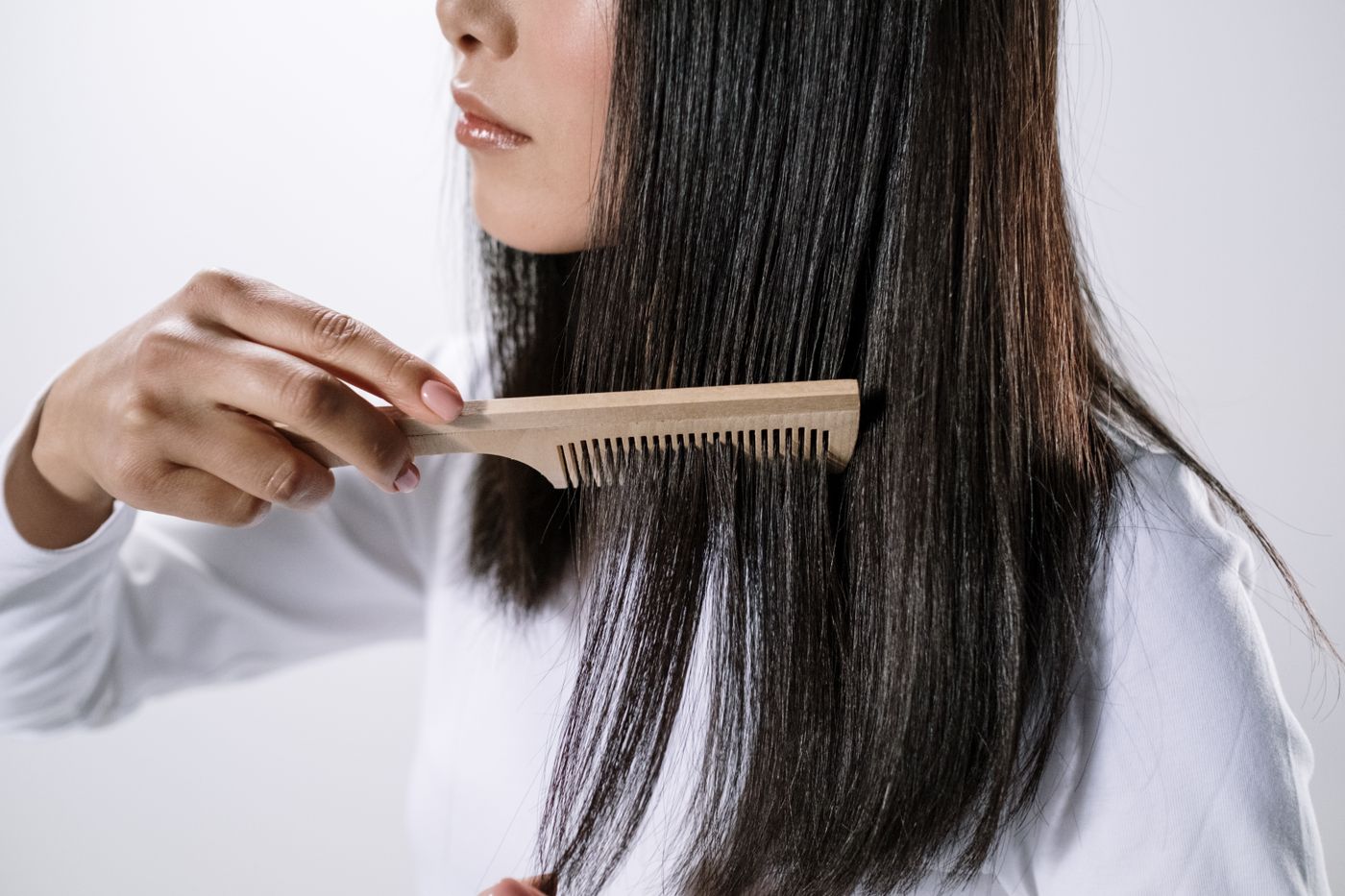
Return a suitable, fully dry comb to a clean place where it can be retrieved without scraping against other hard objects. Keep shared household cleaning supplies distinct from personal grooming storage. A shelf that looks minimal but exposes the comb to daily splashing may be a worse choice than a modest dry compartment.
Adjust the routine to what you observe
There is no universal cleaning interval supplied here. Product use, styling residue, storage conditions, and the maker’s directions all matter. Notice when hair or residue builds up and handle it before it becomes difficult to remove. Do not use a calendar interval as a reason to ignore a comb that visibly needs attention sooner.
If the comb repeatedly returns to dirty storage, solve that smaller storage problem. Keeping a shower squeegee accessible for its own task and assessing a shower caddy by drainage and access concern different tools, but both show why an item’s return place affects the routine. Keep the comb in the environment its own instructions support.
A useful result is straightforward: the material is identified, loose hair has been removed, the permitted cleaning method has been followed, and the dry tool has a suitable home. That is enough; a comb does not need an aggressive restoration treatment to earn its place in an everyday bathroom.
Explore related household decisions in our Cleaning hub.
Sources and editorial scope
Editorial research checked October 17, 2026. Trend-report dates and limitations are stated in the article; these are editorial applications of published signals, not verified October keyword rankings. Practical household guidance; illustrations do not document a tested household or authenticate a pictured material.