A windowless bathroom can feel dim, damp, and smaller than its measurements. White paint, a larger mirror, or shelving may help appearance, but the first question is how moisture leaves after bathing. If you are working on the same space, How to Help Towels Dry Faster in a Small Shared Bathroom covers the next decision in more detail.
In a rental, combine daily habits with observation. Use installed systems correctly, help textiles dry, reduce visual density, and report recurring moisture problems instead of disguising them.
Begin with the exhaust fan
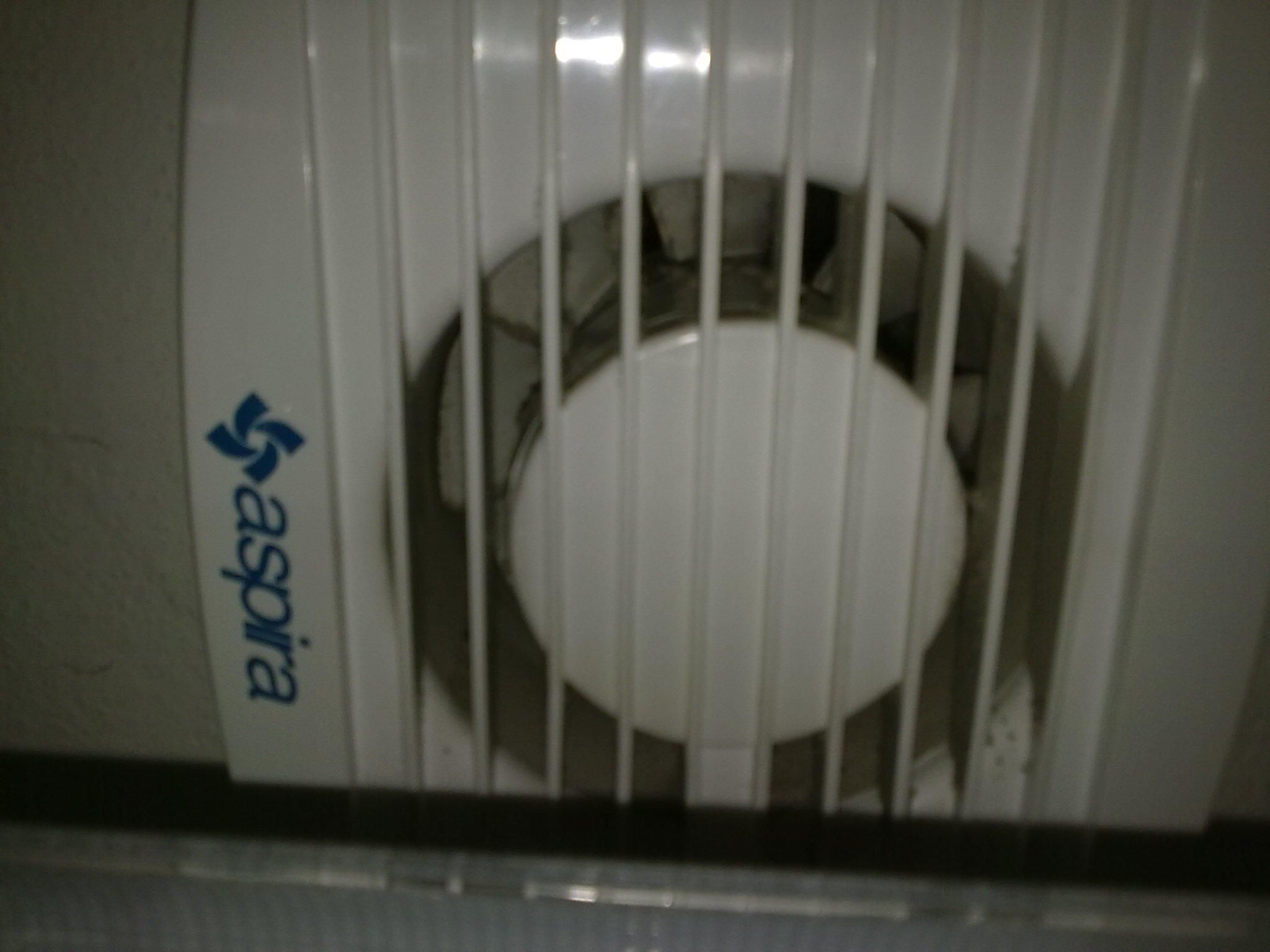
Turn the fan on and listen, but remember that sound alone does not prove useful airflow. Check the grille for visible dust and follow tenant-safe maintenance instructions. Do not dismantle electrical or duct components.
Use the fan during bathing and for the period recommended by the building or manufacturer afterward. Document a nonworking or ineffective unit.
Give replacement air a path
An exhaust fan needs an appropriate air path. Door undercuts, transfer grilles, and building design vary. Do not block intentional openings with thick mats or storage.
Opening the door after peak humidity may help in some homes, but privacy, safety, and building guidance still apply.
Dry towels as a system
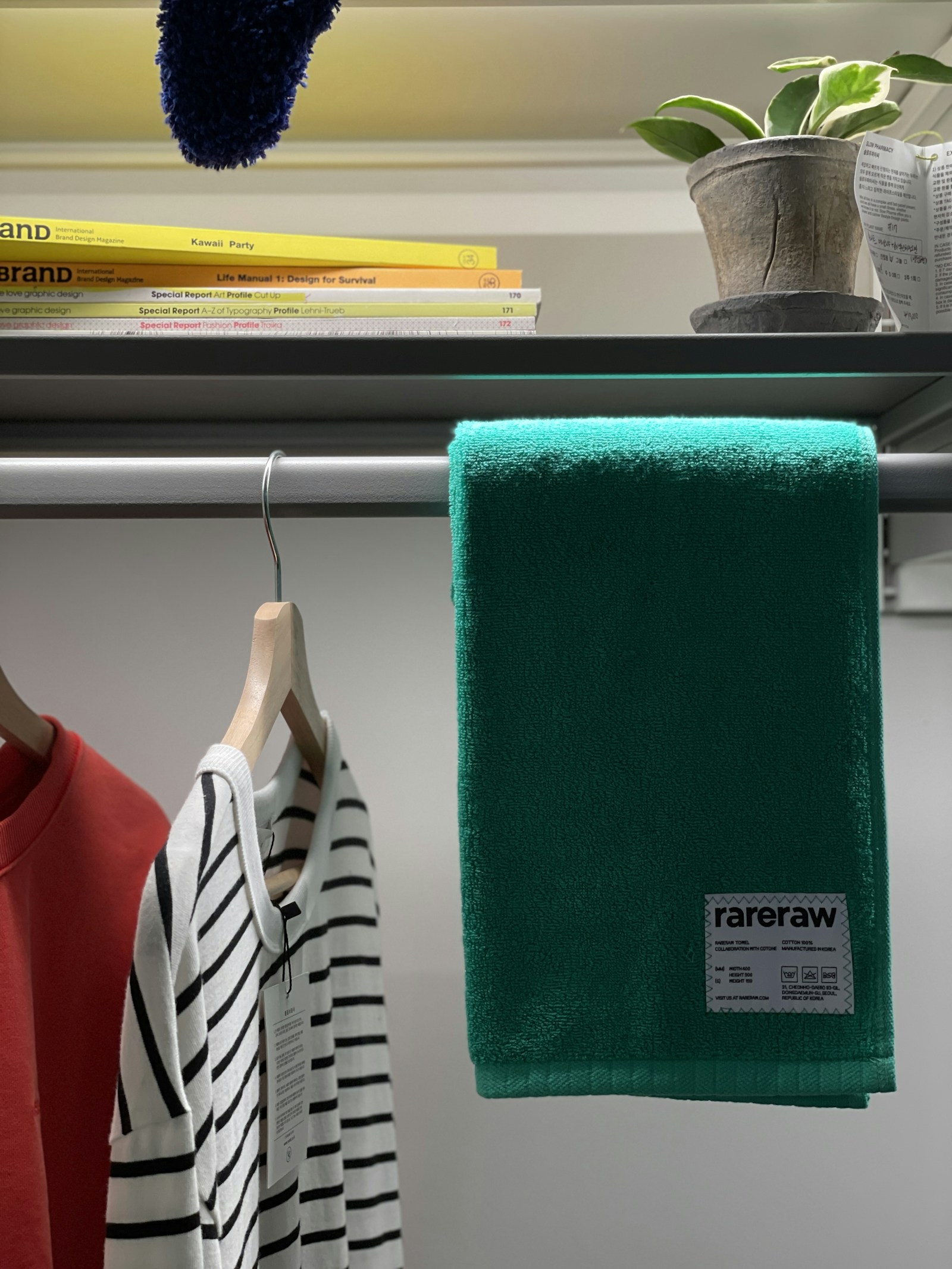
A thick towel folded on one hook dries slowly. Use separated hooks, a bar, or an allowed drying route outside the room. Rotate bath mats so one can dry fully. If you are working on the same space, How to Run School Mornings With One Small Bathroom and Several People covers the next decision in more detail.
Do not use a closed decorative hamper to hide damp laundry.
Layer lighting for use and cleaning
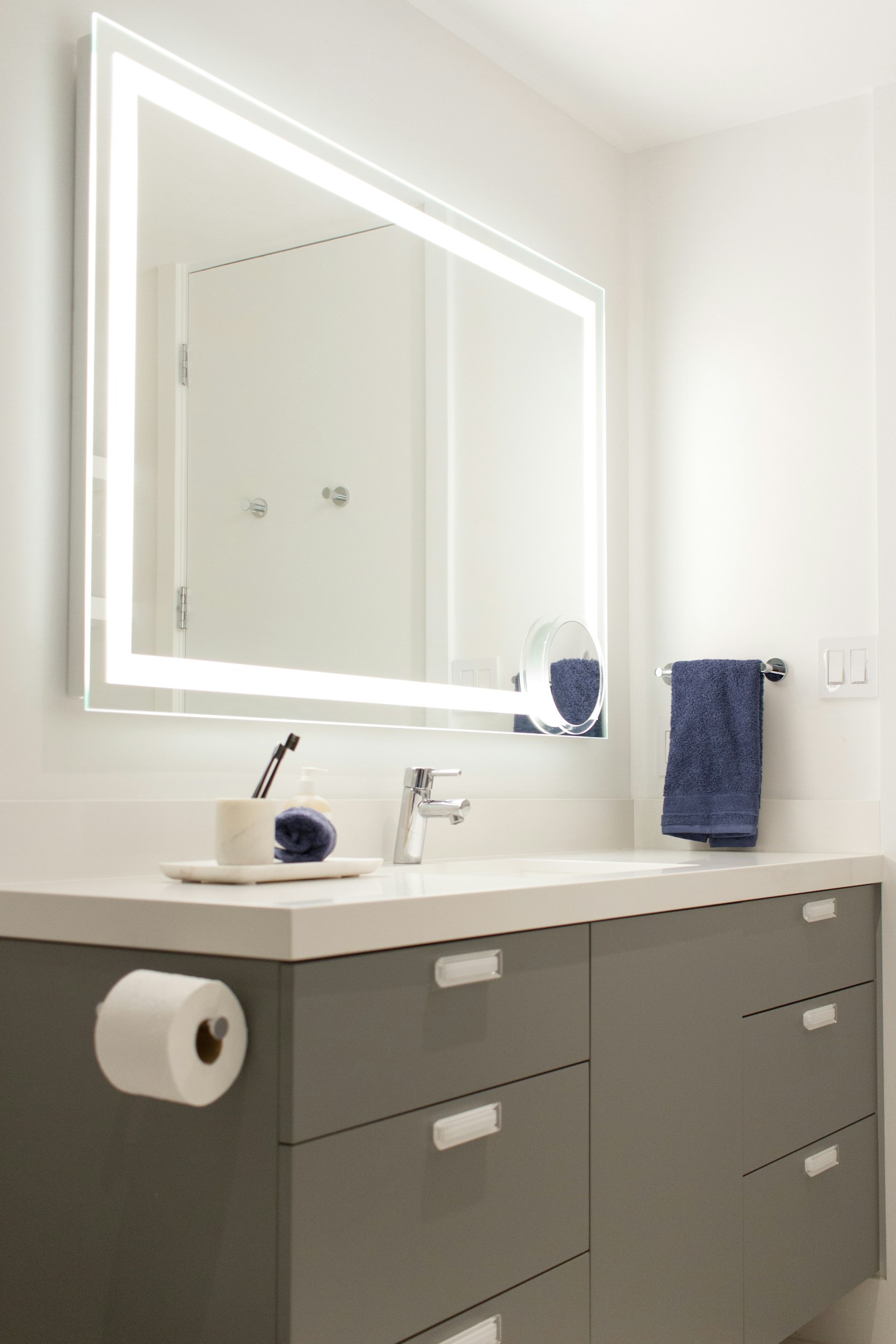
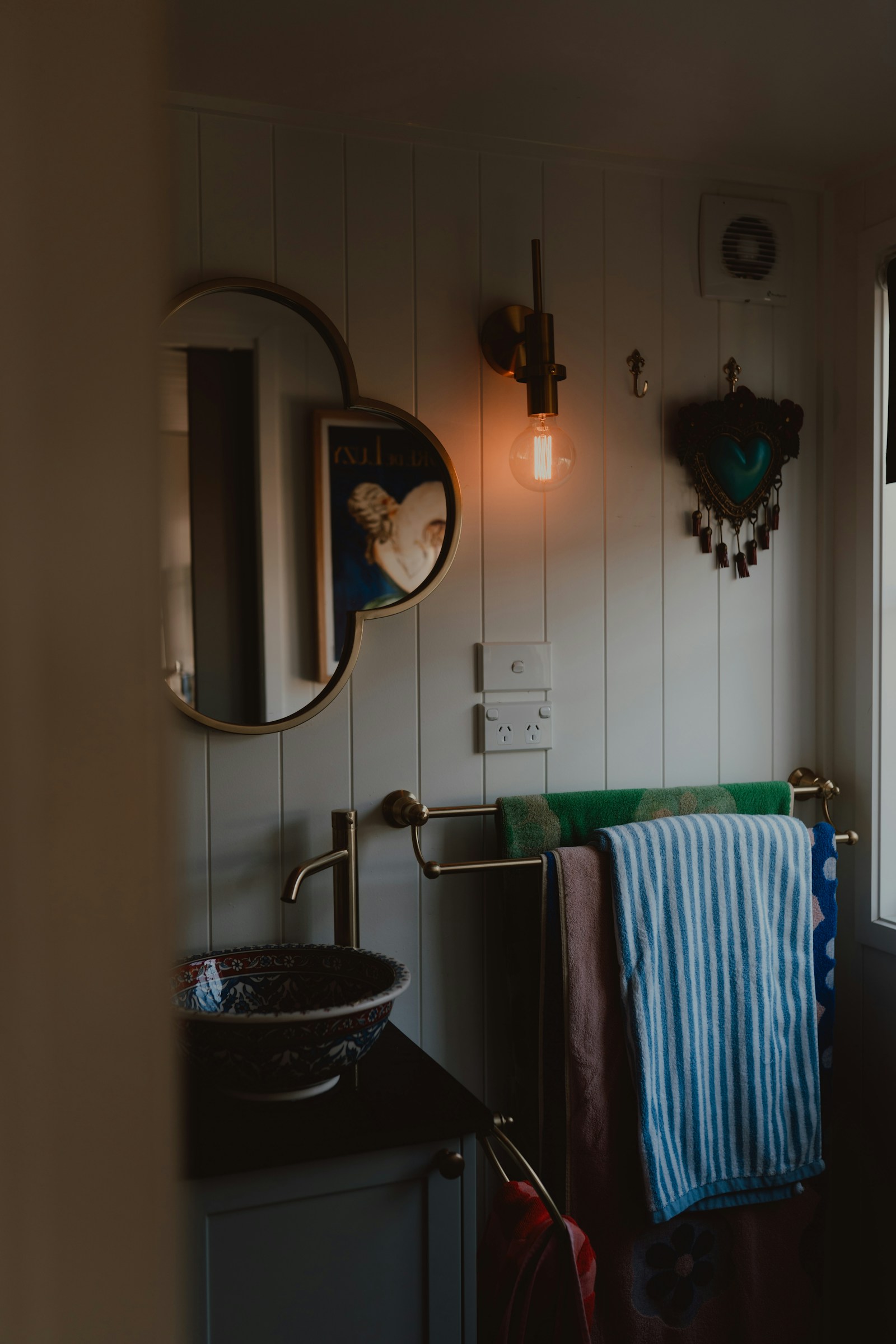
Overhead light supports general use; mirror lighting improves grooming; a low night-light may reduce glare. Use compatible bulbs and do not alter electrical fixtures without permission and qualified help.
Mirrors reflect light, but they also multiply clutter. Visual calm comes from editing visible products.
Reduce storage density
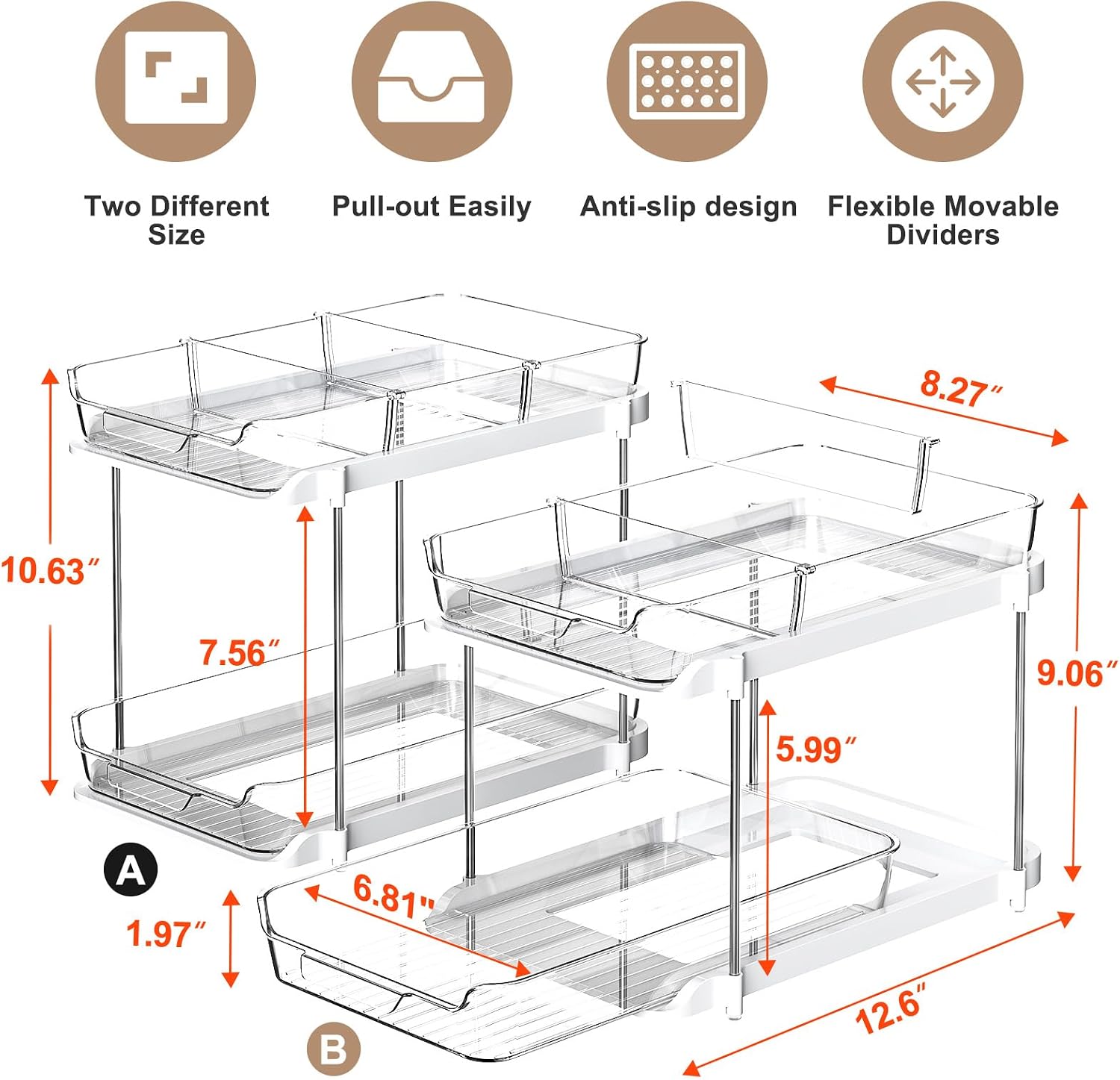
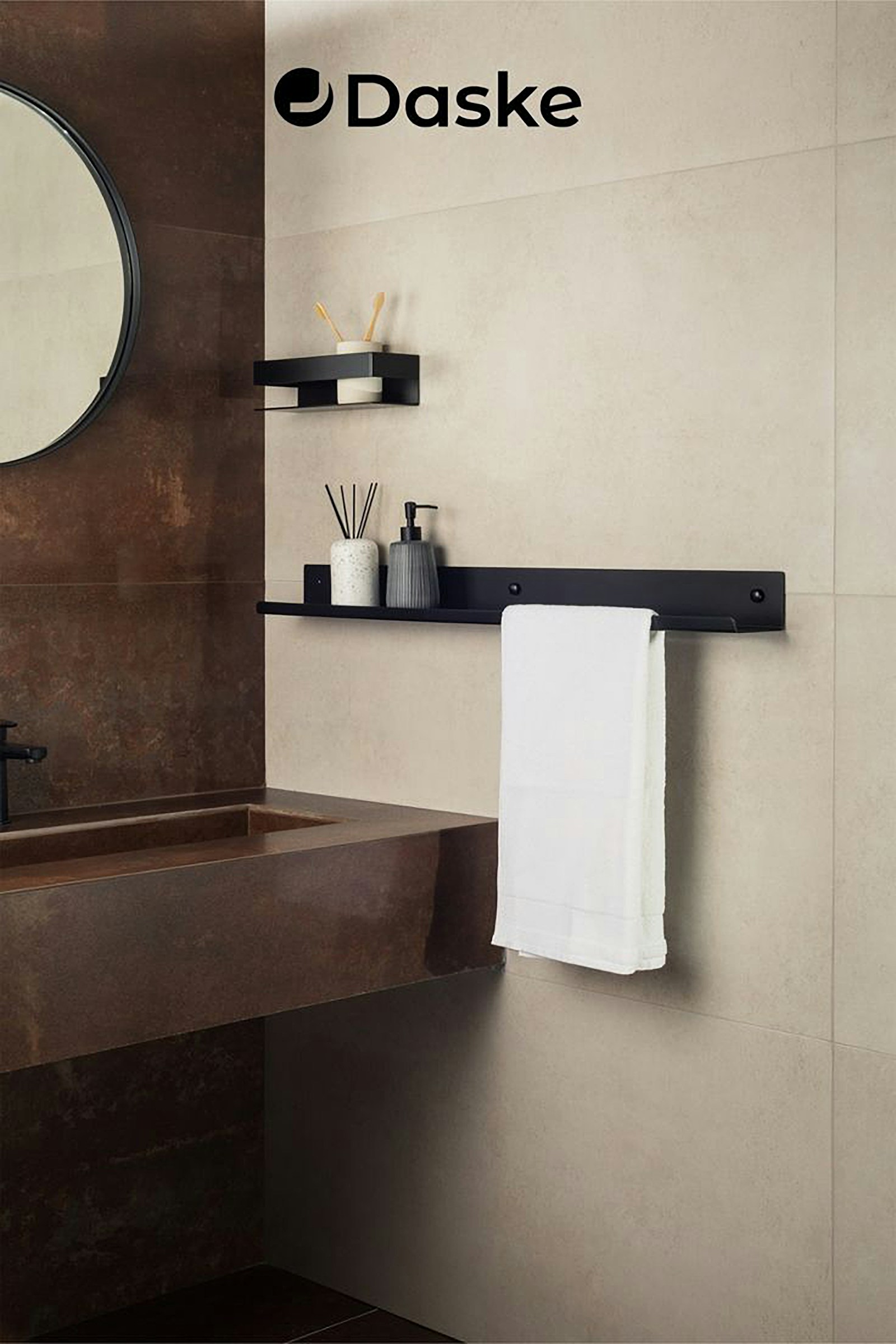
Floor towers, crowded shelves, and deep door organizers make circulation and cleaning harder. Keep daily shower products together and move backstock elsewhere when possible. You may also find How to Keep a Small Bathroom Floor Clean When Kids Use It Every Day useful for a closely related small-home problem.
For cabinet storage, use the under-sink organization method.
Choose wipeable, inspectable materials
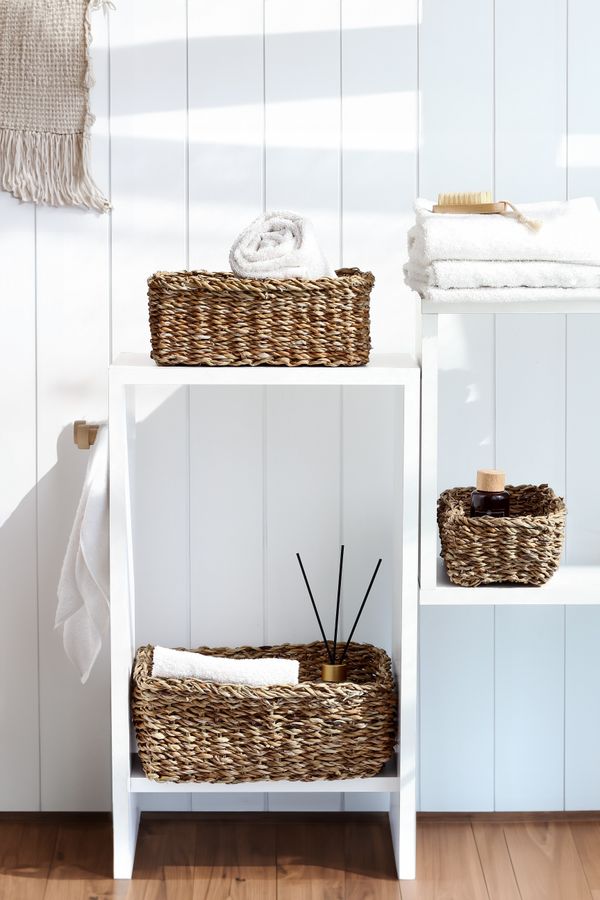
Paper packaging, untreated natural materials, and fabric bins may perform poorly beside splashes. Favor surfaces that can be wiped and checked.
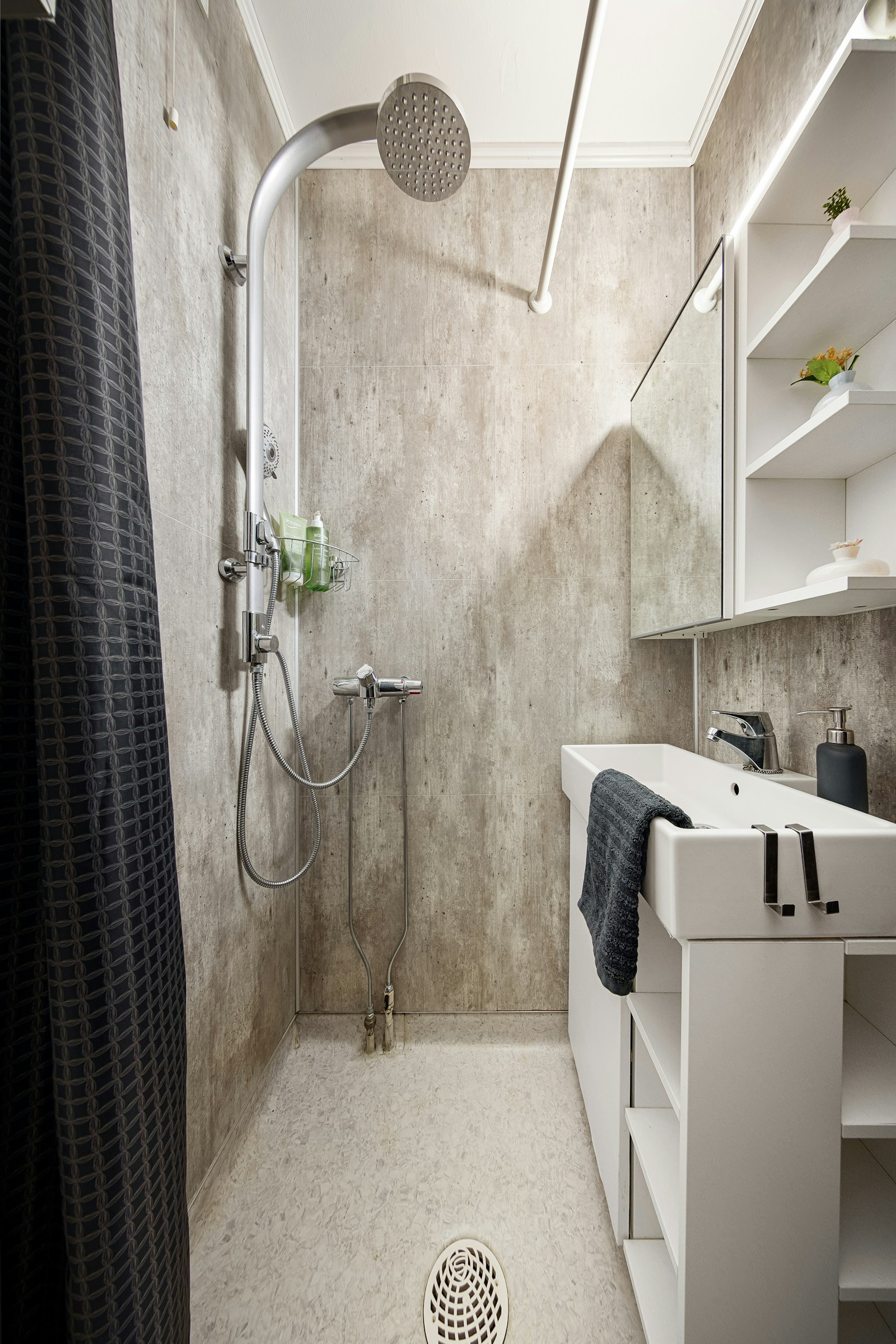
Leave plumbing joints, valves, and the cabinet floor visible enough to detect a leak.
Make cleaning moisture-aware
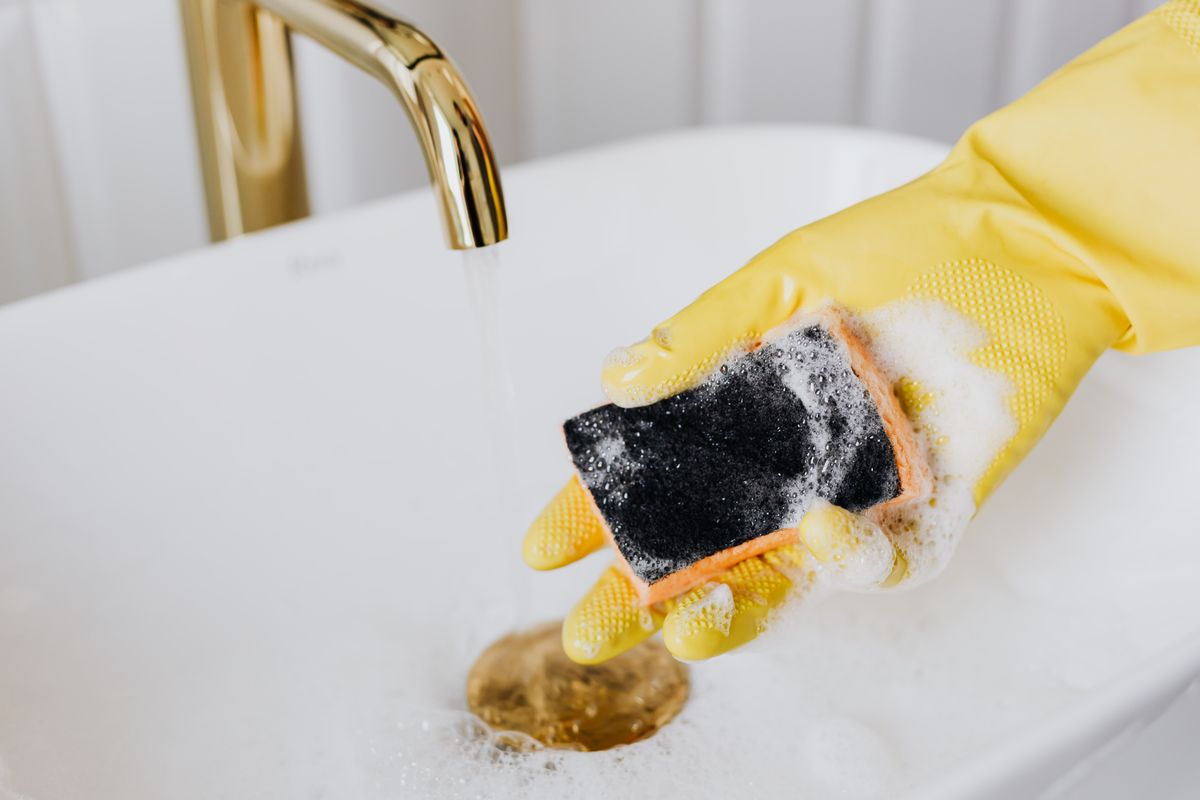
Wipe standing water, wash textiles realistically, and clean accessible surfaces with appropriate products. Focus on shower edges, sealant lines, the toilet base, and hidden corners.
Persistent musty odor is information, not a fragrance problem.
Know when to report
Steam after bathing is normal; recurring wet surfaces, staining, peeling finishes, swollen cabinetry, leaks, or growth that returns after ordinary cleaning deserves documentation.
Take dated photos and contact the landlord or property manager according to the lease and local procedure. Do not paint over a source you do not understand.
Run a ten-minute weekly inspection
Clear the floor, check behind the bin, look under the vanity, rotate the bath mat, wipe the mirror edge, and inspect the fan grille. The purpose is to catch damp zones before storage hides them. For the broader setup, How to Organize Bath Toys and Kids’ Bathroom Products Without Filling the Tub is a useful next read.
Make light work harder without adding clutter
Use one consistent bulb color family so the room does not feel visually fragmented. Clean the mirror and existing fixture covers before buying more lighting; film and dust can noticeably reduce brightness. A focused mirror light may improve grooming more than a brighter ceiling bulb that creates stronger shadows.
Reflective surfaces help only when they are also easy to wipe. More glass and chrome can create more visible water spots, so balance brightness with maintenance.
Separate “looks damp” from “is staying damp”
Dark tile or a cool color can make a bathroom feel damp even when surfaces dry normally. Conversely, a bright white room can hide a recurring leak. Judge performance by drying time, odor, staining, swelling, and repeated moisture—not color alone.
Build a renter evidence folder
Keep dated photos, written maintenance requests, and any response from the property manager together. Note when the fan failed, where water appeared, and whether the issue returned after ordinary cleaning. Clear documentation is more useful than repeatedly buying organizers or odor products to hide the symptom.
Continue through the right silos
Browse Small-Space Living, Cleaning, and the verified Bathroom hub.
My conclusion
A windowless bathroom works when moisture has a dependable exit, textiles can dry, storage stays edited, and lighting supports cleaning. Recurring dampness is a building signal, not a styling failure.
Frequently asked questions
Should the door stay open after showering?
It may help after peak humidity has been exhausted, but design and household needs vary.
Will a plant fix humidity?
No. It is decor, not ventilation or leak repair.
When should a renter report?
Report a nonworking fan, recurring dampness, leaks, damage, persistent odor, or returning growth.