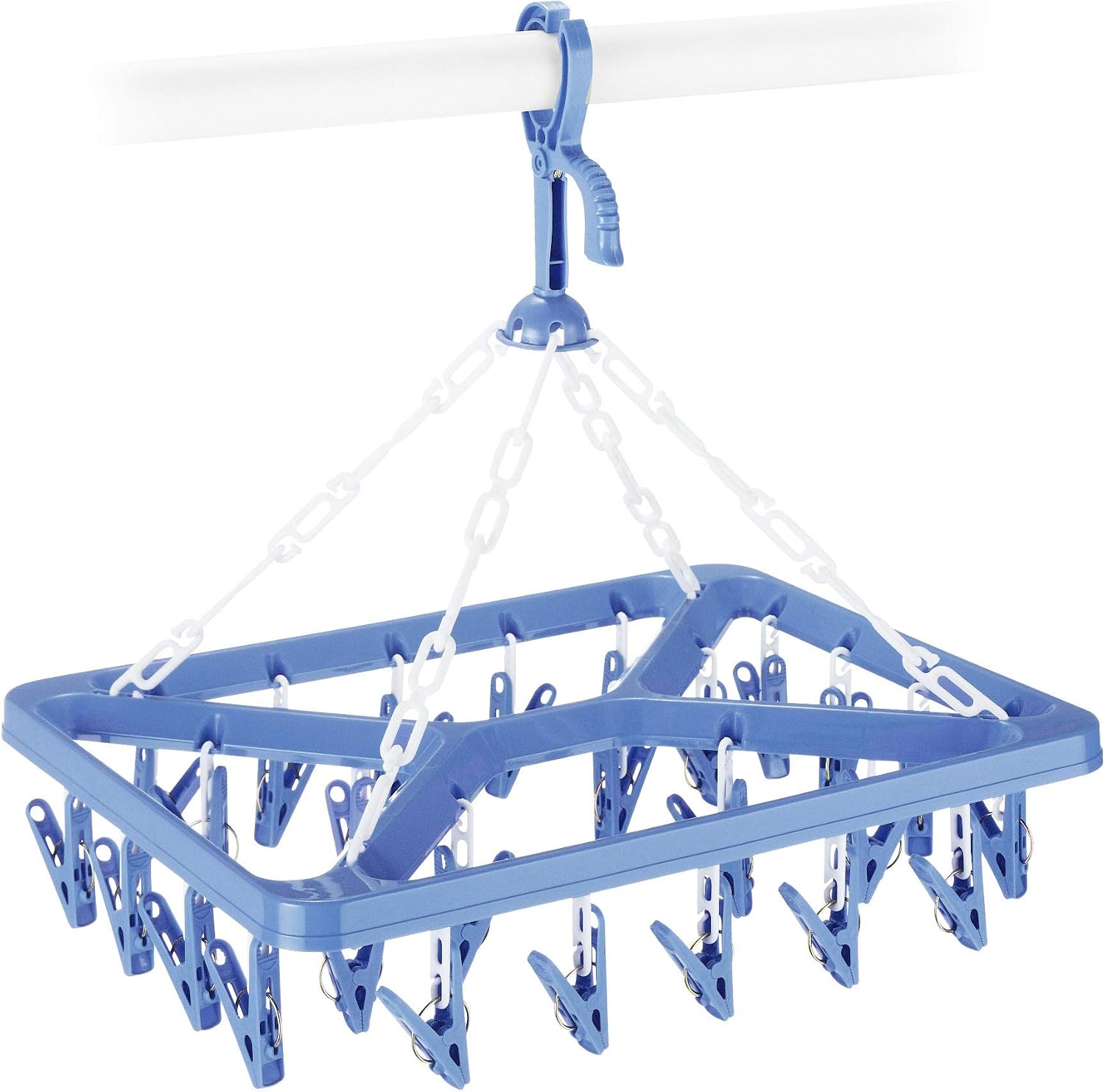
In a small shared bathroom, towels are often wet again before the previous set feels fully dry.
The problem gets worse when several towels share one hook, damp washcloths sit on the tub edge, and clean backups occupy the same tiny room.
The goal is to create a clear use → hang → dry → wash → replace loop.
Find out whether the problem is spacing, timing or room moisture
| What you notice | First adjustment | What to check next |
|---|---|---|
| Several towels hang on the same hook | Give each active towel a distinct position | Whether the towel can hang without being covered by another |
| Small cloths stay hidden behind bath towels | Move them to their own suitable support | Whether everyone returns them to that position |
| One towel is used again before it dries | Review the use-and-replacement schedule | Whether another appropriate drying position or a change of towel is needed |
| Windows or walls repeatedly collect moisture | Address room moisture and ventilation | Whether the problem persists beyond towel use |
Try the existing bar or hooks with the actual towels before buying more hardware. Check that doors open normally and everyone can reach their assigned position. More hooks do not help if the towels still overlap.
The EPA’s home-moisture guidance advises drying condensation and reducing its moisture source. Persistent dampness deserves attention to the room, not just a different towel arrangement. Renters should report ongoing moisture problems to the building manager.
This guide offers layout and routine changes, not measured drying-time claims. If the bathroom cannot support the active set, plan another appropriate drying route using the indoor air-drying guide. Connect used towels to the household laundry collection system.
Give each active towel enough hanging space
A towel dries better when it is not crumpled into a pile with other wet textiles. Use bars, hooks, or another setup appropriate to the room and towel size.

One person, one clear towel location
Assigning a consistent spot reduces accidental layering and makes it obvious which towel belongs to whom.
Move washcloths to their own drying spot
Small wet cloths disappear behind larger towels. Use a separate hook, rail section, or drying location.
Reduce the number of active towels
More towels in the bathroom does not create more drying capacity. Keep the active set and move clean backups elsewhere if needed.
Use ventilation and room airflow appropriately
Use the bathroom’s ventilation system according to the home setup and keep air paths as open as practical.
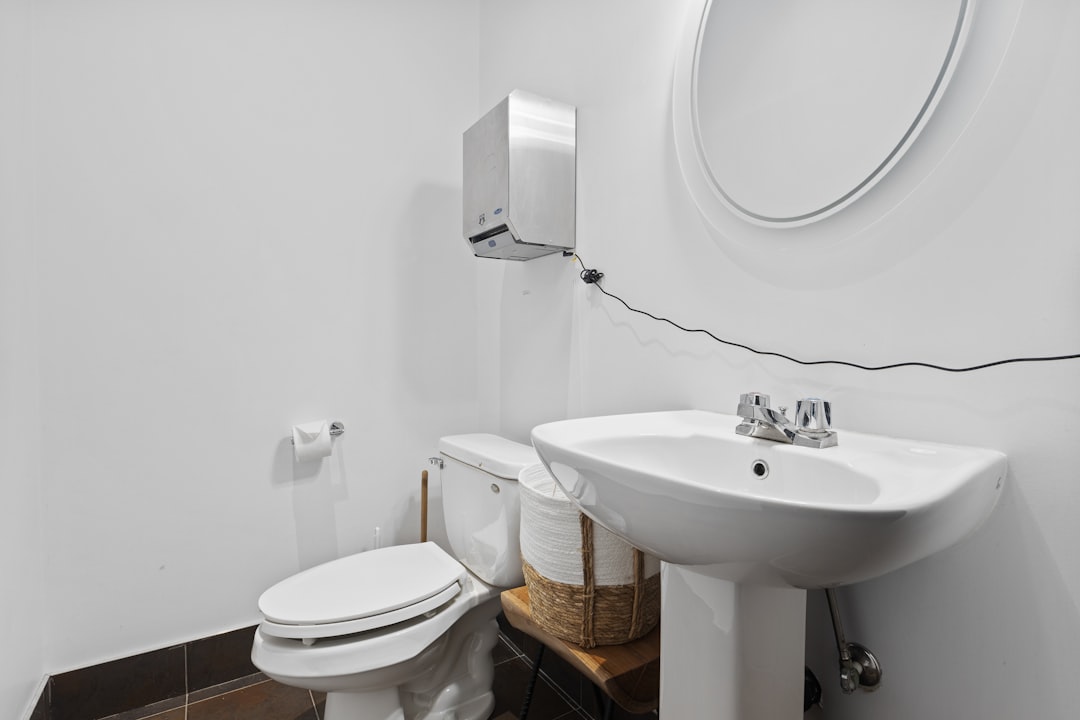
Do not store damp towels folded
Let towels dry appropriately before moving them into a hamper or storage situation that would trap moisture.
Keep hooks accessible
Children and shorter family members need towel storage they can actually reach if they are expected to hang towels independently.
Use a predictable towel-change rhythm
Choose a household schedule that matches use and laundry capacity so clean replacements arrive before the current set becomes a problem.
The two-minute towel reset
- separate layered towels,
- hang washcloths,
- move dirty textiles to laundry,
- return clean backups to storage,
- clear the floor.
For no-linen-closet homes
Use How to Store Towels in a Small Bathroom With No Linen Closet.
Frequently asked questions
Are hooks or bars better?
Either can work. Choose based on room layout, towel size, and whether towels have enough space to hang rather than bunch together.
How many towels should stay in the bathroom?
Keep the active set plus only the backup quantity your space can support.
What about damp bath mats?
Give them a drying routine appropriate to the mat material instead of leaving them folded or bunched on the floor.
Drying space is part of towel storage
A shared bathroom works better when every active towel has a real drying position and clean backups stay out of the way until needed.