Small shared bathrooms are often “solved” with one storage product: add a cabinet, add floating shelves, add baskets, add a rolling cart. The advice is appealing because it sounds decisive. In reality, bathrooms contain several categories with completely different needs. For a related step-by-step approach, see Visible vs. Hidden Storage for Kids: Which One Actually Helps a Small Home Stay Tidy?.
Toothbrushes are used twice a day. Backup toilet paper is bulky but simple. Hair tools may need cooling. Towels need drying, not just storage. Medicines and cleaning products can have specific storage and safety requirements. Cosmetics contain tiny pieces. One storage format rarely handles all of that well.
So instead of asking which bathroom organizer is best, I review the room zone by zone.
Zone 1: the sink — drawers usually win
The sink area has the highest frequency and the smallest objects. Toothpaste, floss, hair ties, razors, grooming tools, skincare, and personal items all compete for quick access.
Drawers perform well because they bring the full category forward. You are not reaching behind tall bottles in a deep cabinet. Shallow drawer dividers can also prevent small items from migrating.
The weakness is over-segmentation. A drawer with twenty tiny compartments becomes difficult to reset. Use broad zones by person or routine.
Zone 2: under the sink — cabinets win only with pull-forward access
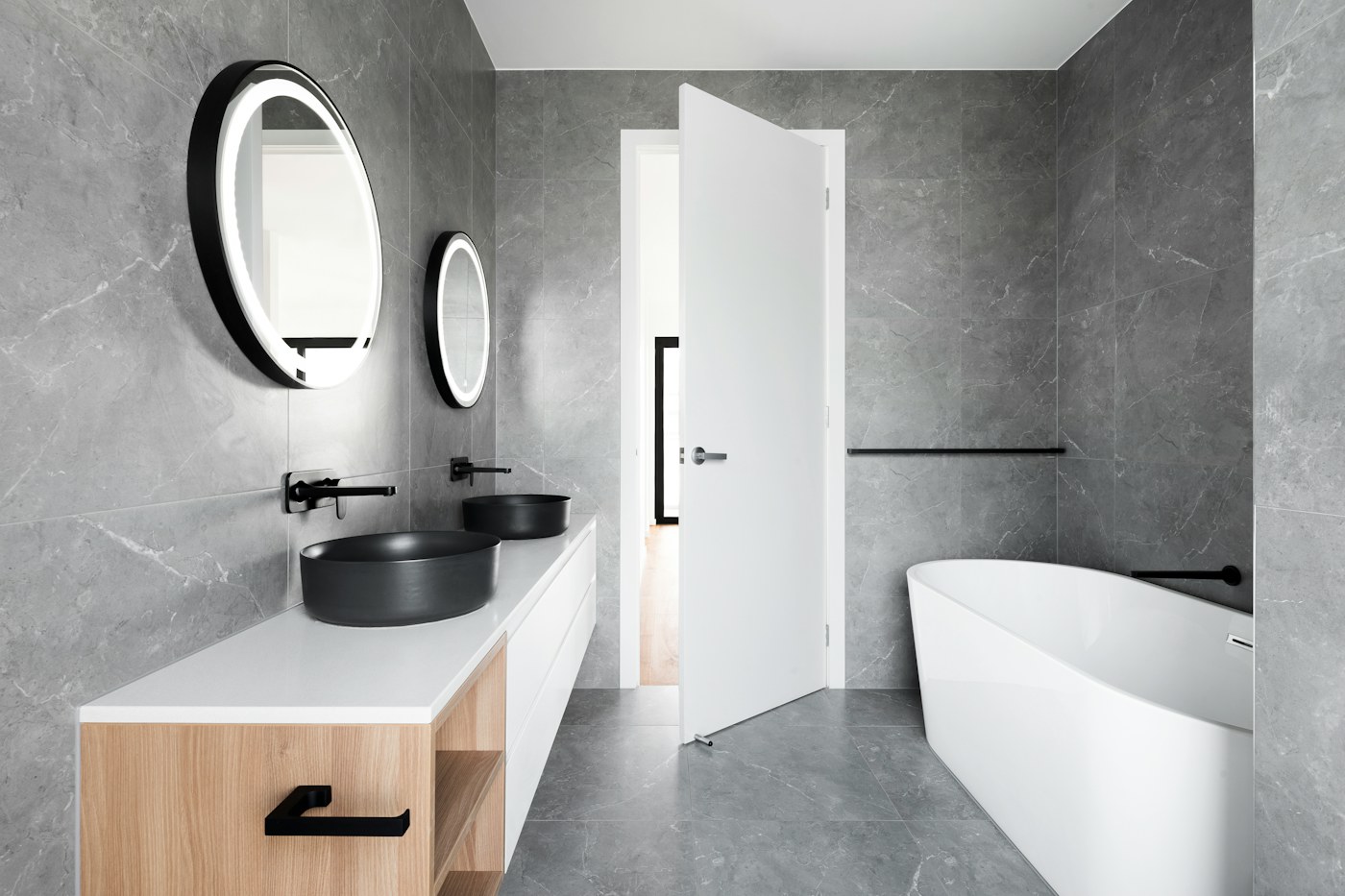
Under-sink cabinets look spacious but plumbing reduces usable geometry. Deep rear corners quickly become invisible storage. For a related step-by-step approach, see How to Organize Under a Small Bathroom Sink Without Wasting Space.
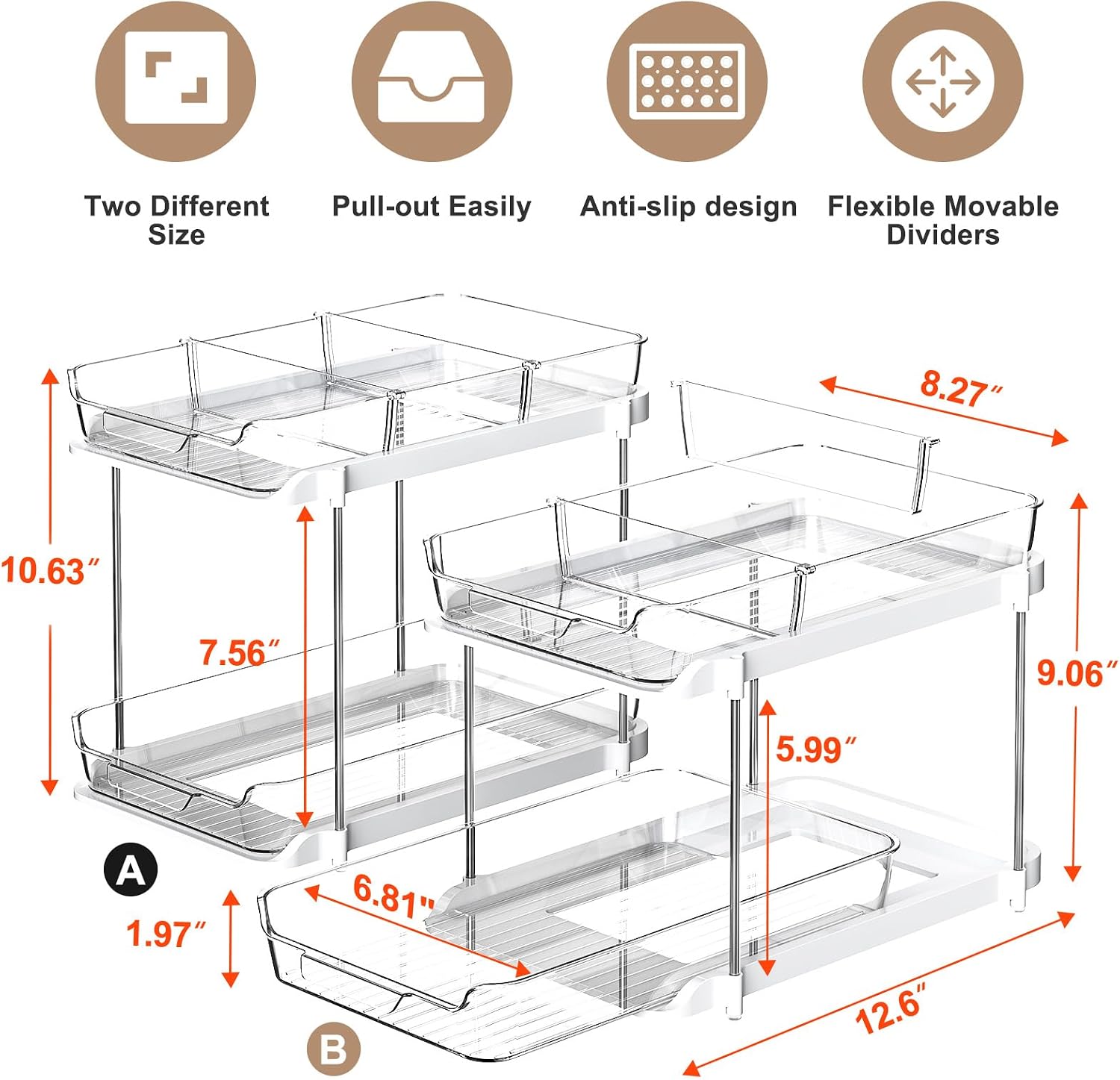
I prefer a few pull-forward bins or shallow groups rather than a wall of stacked containers. One bin for cleaning where safely stored, one for refills, one for less frequent personal-care items may be enough.
If this zone is a recurring problem, the detailed guide to organizing under a small bathroom sink addresses depth and plumbing obstacles directly.
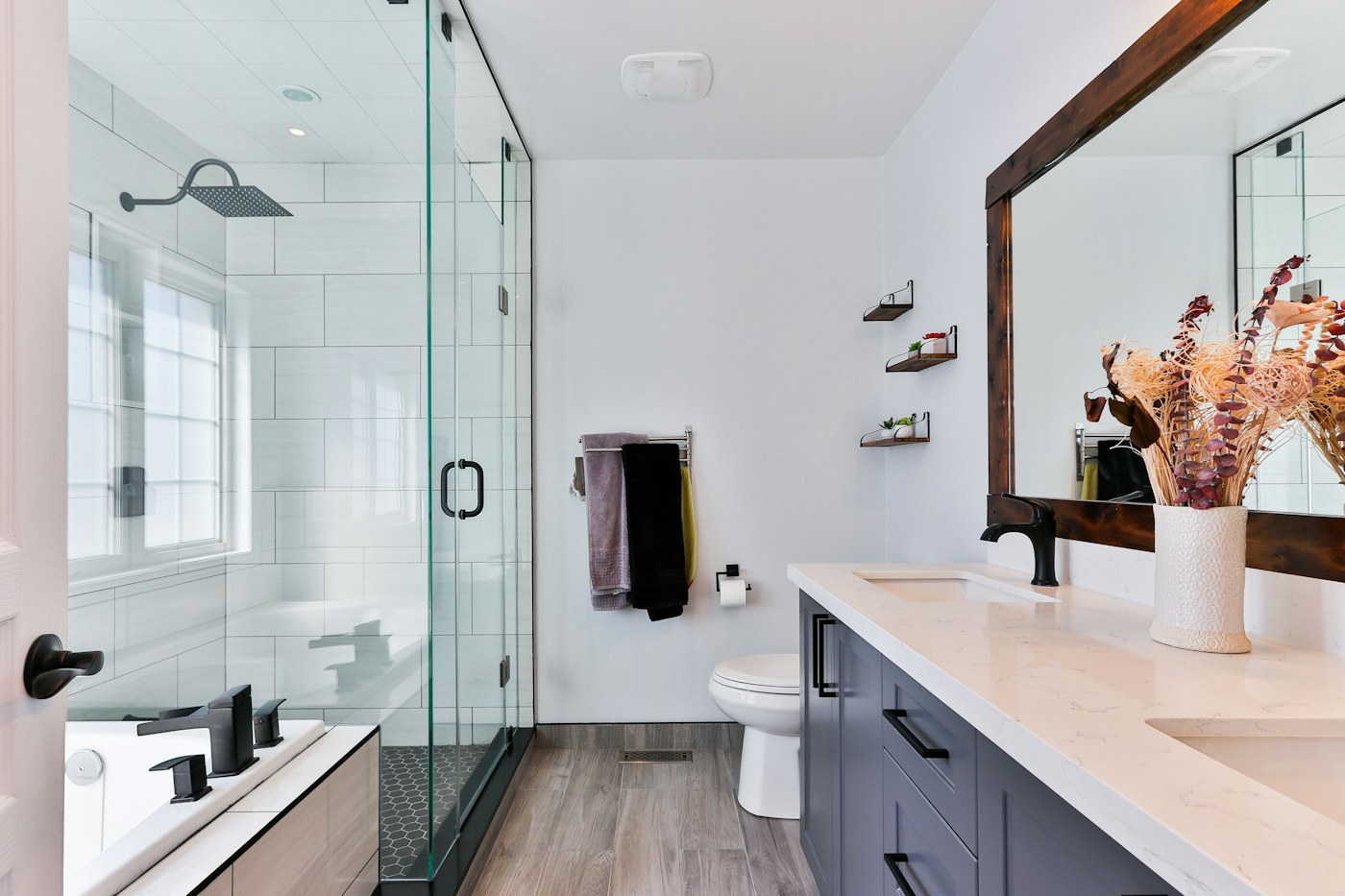
Zone 3: above the toilet — open shelves are useful but easy to overfill
This is classic vertical storage territory. Shelves above the toilet can hold towels, tissue, or a few attractive daily items without using floor space. You may also find How to Store Towels in a Small Bathroom With No Linen Closet useful for a closely related small-home problem.
But because the zone is highly visible, every extra bottle changes the room visually. I would keep the category count low.
Open shelves are best here for frequently used, easy-to-clean items. Deep backstock and mixed personal-care products usually look calmer behind a door elsewhere.
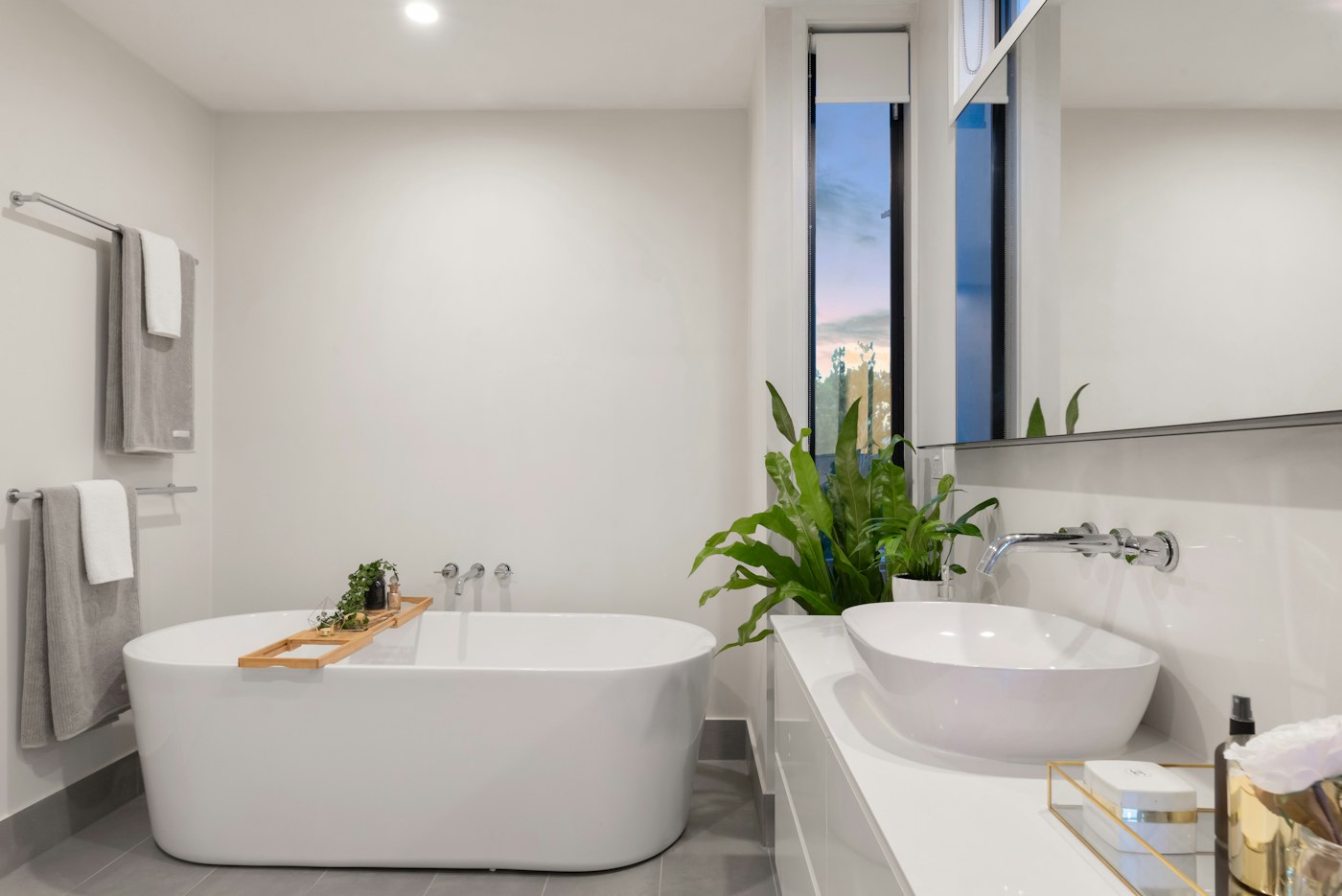
Zone 4: towels — baskets are often overrated
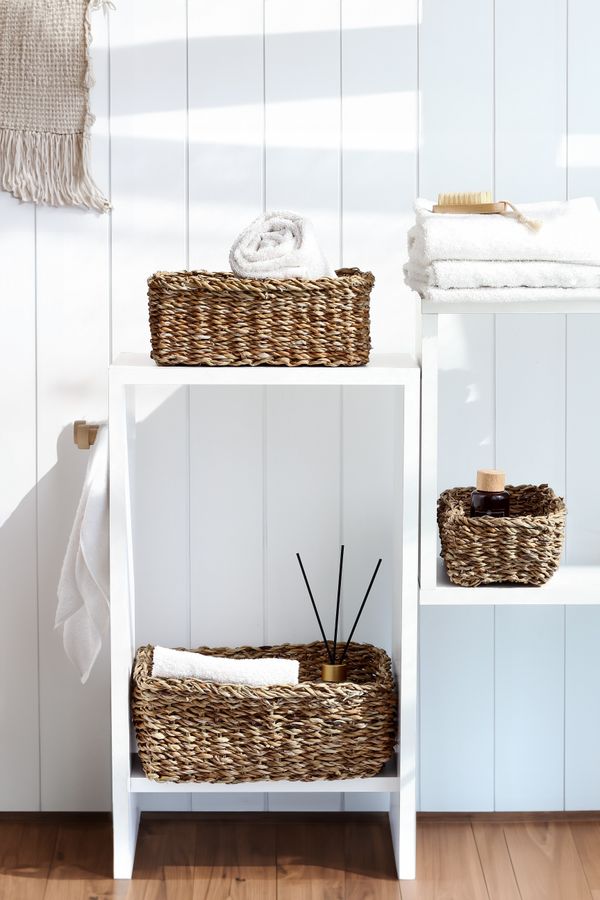
Rolled towels in baskets look tidy, but a large basket can consume more volume than a folded stack. In a very small bathroom, a shelf or cabinet may use the same footprint more efficiently.
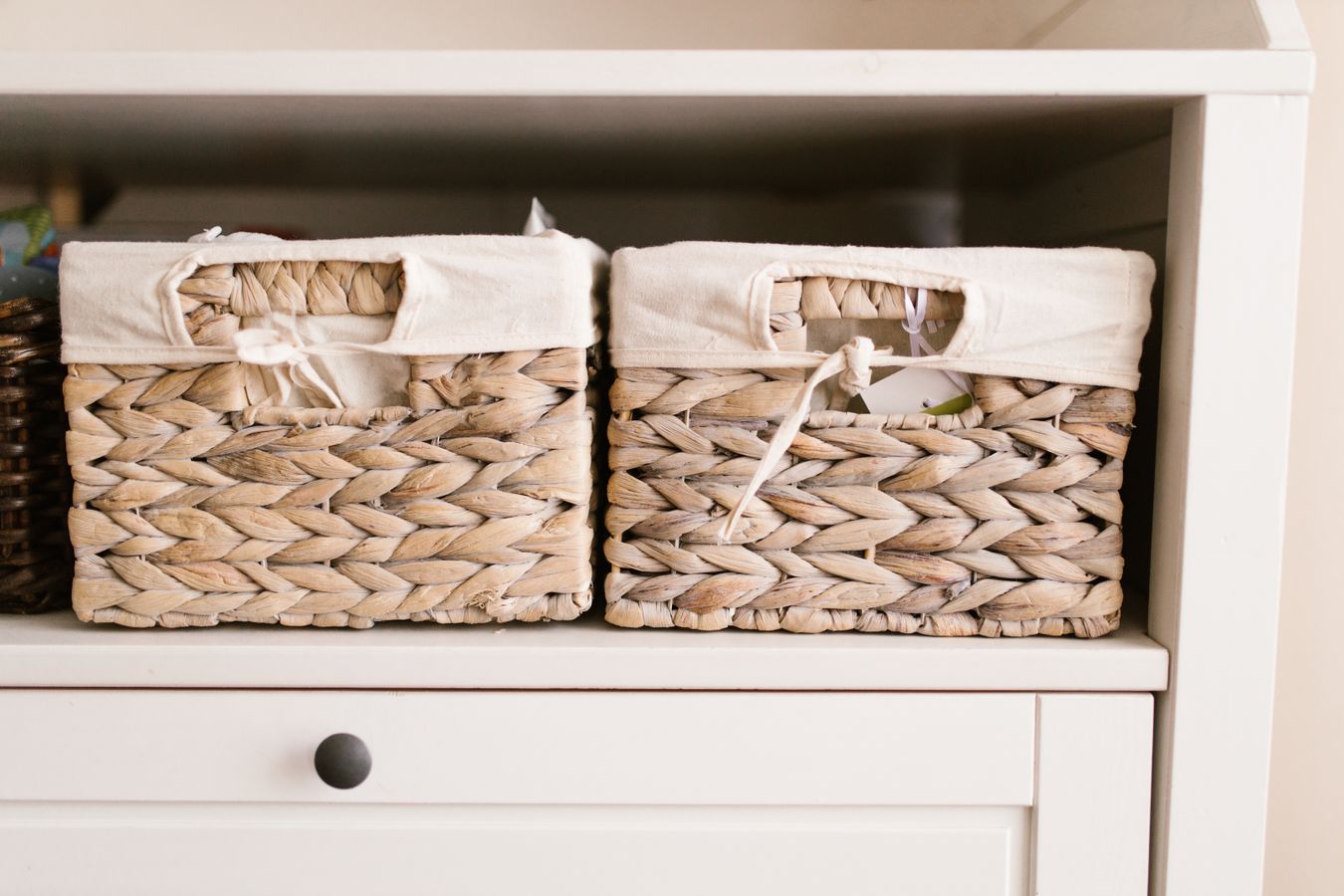
Baskets make more sense when they solve transport or category boundaries—for example, guest towels in one removable basket.
For daily towels, drying performance matters more than storage styling. Helping towels dry faster in a shared bathroom is often a bigger improvement than finding a prettier basket.
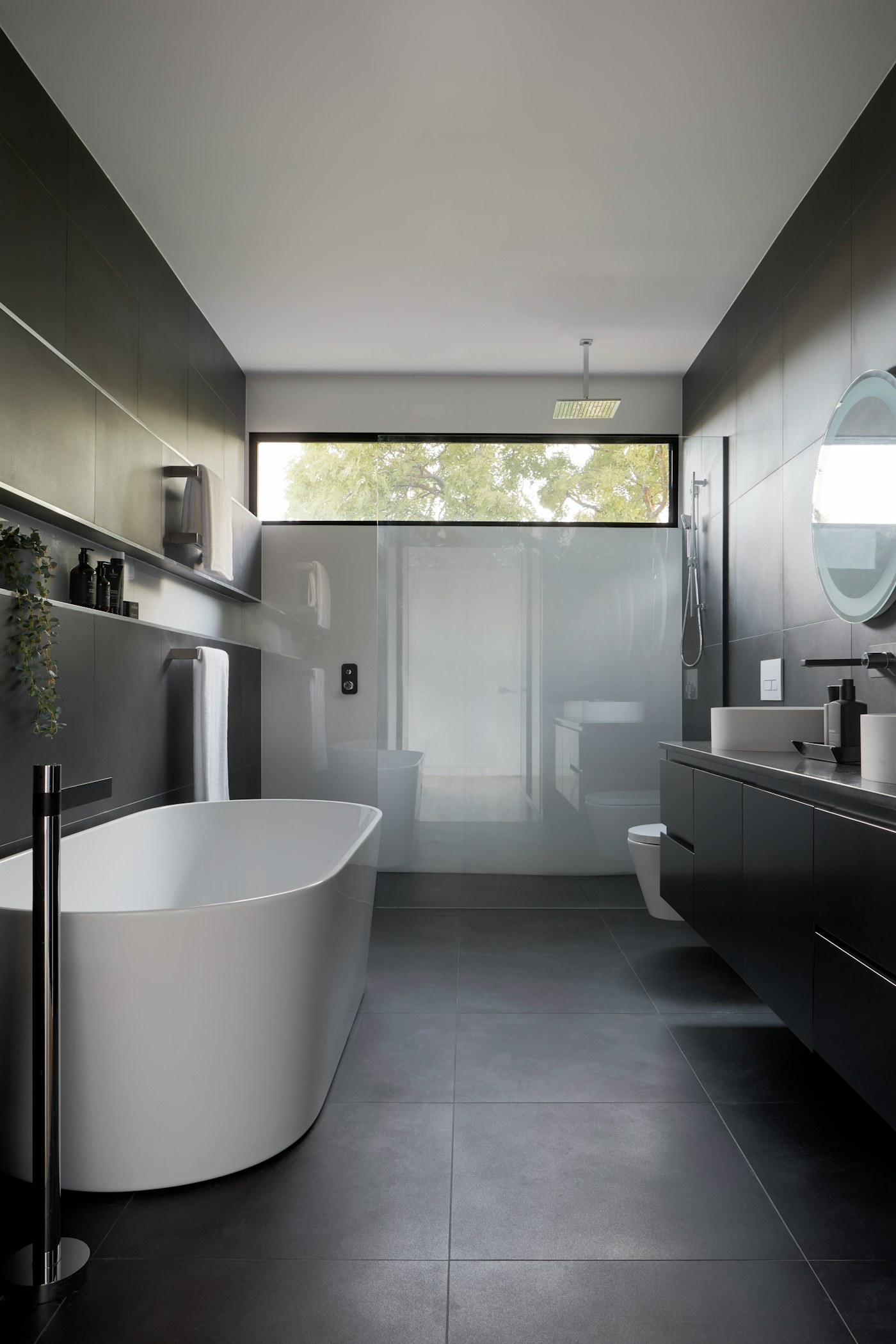
Zone 5: the counter — almost nothing should permanently win
A shared bathroom counter has a high turnover rate. Every permanent object reduces the space available for temporary morning use.
I would reserve the counter for a small number of genuinely shared daily items. Personal routines should live in drawers, cabinets, or portable caddies that arrive and leave.
The site’s guide to keeping a bathroom counter clear when several people use it is essentially a traffic-management strategy, not a container strategy.

Open shelves: my review
Best for: towels in controlled quantities, a few daily items, decor with a purpose, baskets containing one coherent category.
Weaknesses: visual exposure, cleaning burden, easy category creep.
Use them when: the bathroom needs vertical capacity but the inventory can remain edited.
Closed cabinets: my review
Best for: backstock, mixed packaging, personal items, cleaning supplies where appropriately stored, categories that do not need constant visibility.
Weaknesses: depth can hide items; doors require clearance; a closed door can conceal overfilling.
Use them when: visual calm matters and the categories change over time.
Drawers: my review
Best for: grooming tools, cosmetics, dental items, small personal categories, daily accessories.
Weaknesses: shallow drawers can become junk drawers; deep drawers may need internal grouping.
Use them when: the category contains many small items that need quick front-to-back visibility.
Baskets: my review
Best for: portable routines, guest supplies, towel categories, child-specific kits, refills that move together.
Weaknesses: basket walls consume space; deep baskets hide lower items; decorative baskets can become expensive catch-alls.
Use them when: the whole category benefits from being lifted or moved as a unit.

Shared bathrooms need ownership rules
When several people use one room, storage must clarify ownership. A drawer per person, caddy per person, or shelf section per person can reduce searching.
But do not divide the bathroom into so many personal territories that shared basics have nowhere to live. Toothpaste, towels, toilet tissue, cleaning tools, and other household categories may be more efficient when centralized.
Children change the access map
Child-managed items should be reachable where appropriate. Adult-only or safety-sensitive items may need higher, locked, or otherwise controlled storage depending on the product and household.
Do not make a child’s toothbrush system dependent on an adult opening a high cabinet every morning if the category can safely live lower.
Morning traffic is the real test
A storage layout may look perfect at noon and fail at 7:20 a.m. Test the room when several people are brushing teeth, using hair tools, changing towels, and trying to leave.
Does one open cabinet door block another person? Do caddies have somewhere to land? Can a hot tool cool safely without taking over the sink? The small bathroom morning routine works best when storage supports that choreography.
My preferred shared-bathroom mix
If I were designing a compact bathroom for a family, I would generally aim for:
- drawers for small daily personal items,
- closed cabinet for backstock and visually noisy categories,
- one modest open shelf for towels or high-frequency shared items,
- one or two portable baskets/caddies only where movement adds value.
This mix handles frequency, visibility, and changing family inventory without asking one storage format to do everything.

What changes in a bathroom with almost no floor area?
When floor area is extremely limited, I become more skeptical of carts, tall baskets, and freestanding cabinets. They may create storage, but they also narrow the room and complicate cleaning. In that case, I would use existing drawer/cabinet volume more efficiently first, then add shallow wall storage only where the category is appropriate.
The best bathroom storage often comes from reducing the number of products kept in the room. Backup body wash, unopened toiletries, and guest supplies do not all need to live beside the sink.
What changes if two adults have very different routines?
Shared storage works only where routines overlap. One person may have a two-minute grooming routine while another uses several hair and skincare products. Giving both people identical shelf space can look fair while functioning badly.
I would size personal zones according to the routine, then set a hard outer boundary so one routine does not expand indefinitely. Fair does not always mean equal volume; it means each user can complete the routine without invading the other person’s space.
The reset test I use after reorganizing
After a normal morning, time how long it takes to restore the room. If the counter can be cleared, towels returned, and products put away in under a few minutes, the storage is supporting the routine. If cleanup requires reorganizing containers, restacking baskets, or moving products between rooms, the system is too complicated.
Storage type cannot compensate for too many bathroom products
A shared bathroom is especially sensitive to product volume because many packages are tall, irregular, and partially used. Before adding shelves or baskets, count how many shampoos, styling products, skincare items, backup soaps, and duplicate grooming tools are actually active.
If the room contains three months of refills, the storage system is being asked to act as a warehouse. Move true backstock out of prime bathroom space when appropriate and keep only the active layer close to the routine. You may also find What to Keep in a Small Bathroom—and What to Store Somewhere Else useful for a closely related small-home problem.
What I would do with a pedestal sink
Bathrooms with no vanity need a different strategy. I would resist filling the floor below the sink with a large open organizer because it makes cleaning harder and visually crowds the fixture. A narrow wall cabinet, mirrored cabinet, shallow shelf, or portable caddy may be more efficient depending on the layout.
The absence of a cabinet makes category limits more important. Every product kept in the room needs to justify its visible or wall-storage footprint.
What I would do with a deep vanity
Deep vanities need pull-forward access. Use shallow drawers where available, or group products so the entire category can come forward. Avoid stacking small bottles behind large bottles simply because the cabinet depth allows it.
Explore this topic
Browse more practical guidance in the Home Organization hub. Room focus: Bathroom.
Expert conclusion
The best bathroom storage is not the prettiest set of matching containers. It is a layered system in which each storage type handles the category it is good at.
Drawers excel at small daily items. Cabinets absorb visual noise. Open shelves can release wall capacity when kept edited. Baskets are useful when a whole category needs to move.
In a shared bathroom, the final measure is not how it looks after organizing. It is whether four people can move through a normal morning and still leave the room resettable in a few minutes.