Kids’ storage advice tends to split into two camps. One says children need everything visible and accessible so they can choose independently. The other says family spaces need doors, drawers, and hidden bins because visible toys make a small home feel permanently unfinished. For the broader setup, How to Store School Projects, Poster Boards, and Oversized Kids’ Work in a Small Home is a useful next read.
Both are right in different situations.
The better question is not “open or closed?” It is which categories benefit from visibility, and which categories become easier when they disappear between uses?
The storage system should match the child’s job
If a child is expected to choose and put away an item independently, that item needs a storage location the child can understand and physically use. Adults often undermine this by creating beautiful storage above the child’s reach or by using tiny categories that require adult-level sorting.
Visible storage is strongest when the category is active and simple. Hidden storage is strongest when the category is visually noisy, oversized, refill-only, or not meant to be independently accessed.

Case study 1: the preschooler with too many visible toys
Imagine a four-year-old with a low shelf containing puzzles, blocks, cars, dolls, books, stuffed animals, art kits, dress-up accessories, and six plastic bins. Everything is technically reachable. Nothing is technically hidden. The result is often not independence—it is choice overload and a room that looks full before play even begins. For a related step-by-step approach, see How to Divide a Shared Kids’ Bedroom Into Sleep, Dress, and Play Zones.
For this age, I prefer a smaller visible layer: perhaps four to six active categories, each broad enough to reset quickly. The rest can rotate from closed storage.
This is the same logic behind a manageable toy rotation system for small homes: reducing visible inventory can make the remaining toys easier to use.
Case study 2: the school-age child who loses supplies behind doors
Now imagine an eight-year-old whose pencils, notebooks, scissors, headphones, and school papers are stored in a closed cabinet. The cabinet looks calm, but every homework session begins with searching.
Here, visibility has more value. A small open caddy, labeled drawer, or portable kit can support the recurring task better than a perfectly clean cabinet.
Visible storage: what it does well
Visible storage reduces the memory requirement. The child can see the bin, the book, or the supply. That can support independent choice and independent return.
It also reveals inventory volume. When the basket is overflowing, everyone can see the system has exceeded capacity.
Best visible categories
- current books,
- one or two toy categories in active rotation,
- daily school supplies,
- frequently used art materials,
- current shoes or backpacks,
- simple clothing categories for children learning to dress independently.
Visible storage: where it fails
The failure is not always mess. Sometimes it is visual fatigue. A family living room may contain perfectly sorted transparent bins and still feel like a storage room because every category is visible all day.
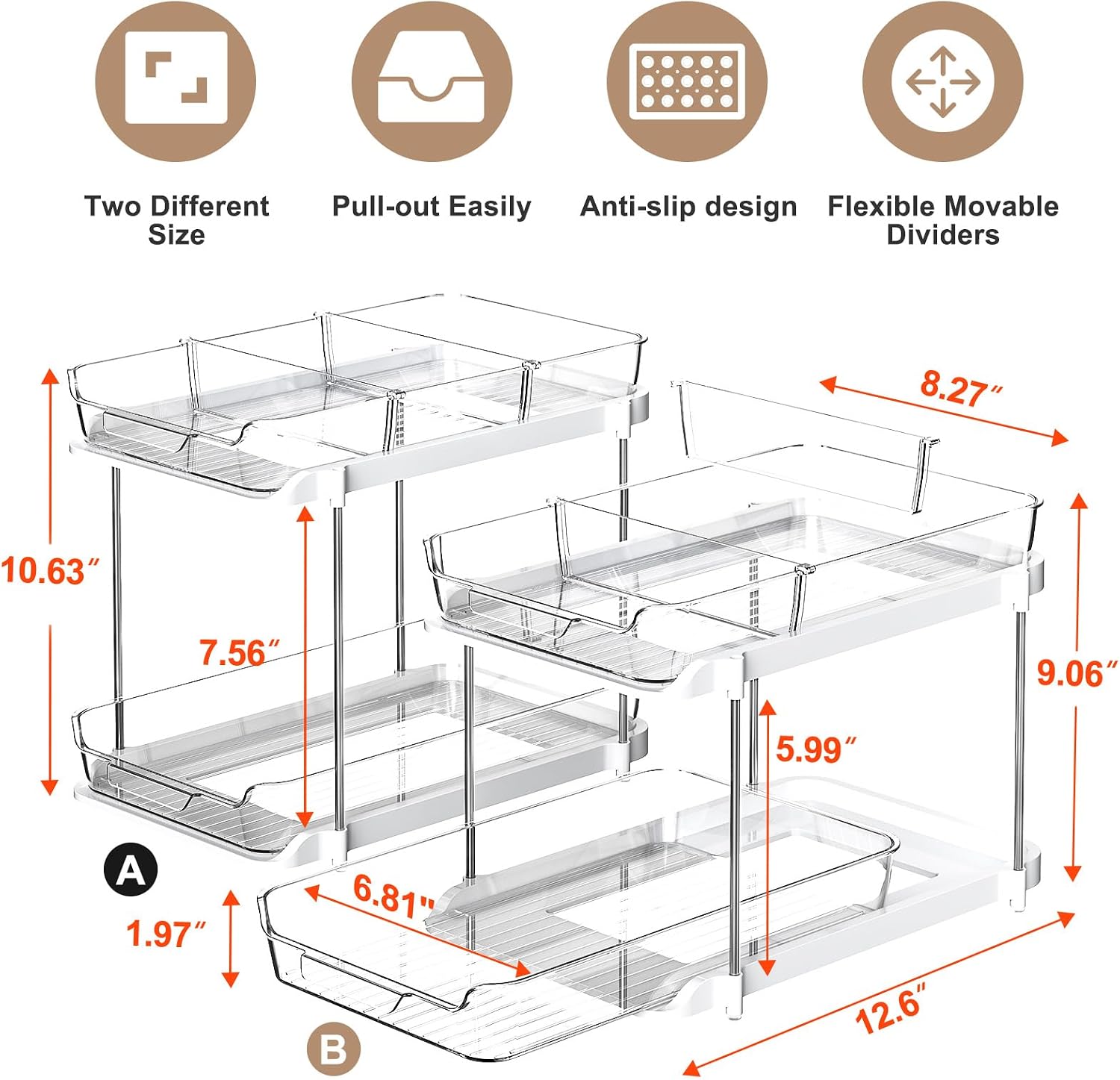
Transparent bins also reveal the internal visual noise of toys: bright pieces, mixed shapes, packaging, and partial sets. Visibility is useful for the user but can be expensive for the room.
Hidden storage: what it does well
Closed cabinets and opaque bins reduce the visual load of family inventory. They are especially useful in multipurpose rooms where the same space needs to feel adult, calm, or guest-ready after play.
Hidden storage also works well for:
- toy rotation backstock,
- craft refills,
- outgrown or next-size clothing,
- special-occasion toys,
- complex kits that need supervision,
- school records and keepsakes.
Hidden storage: where it fails
Closed storage can become an archive. Children forget what they own. Adults add new toys because the old volume is invisible. Cabinets become full of categories nobody actively chooses.
The fix is not transparent doors. It is a review rhythm.
If the home struggles with sheer toy volume, organizing toys in a small living room without making it look like a playroom is a better starting point than buying more hidden containers.
Age matters more than the organizer
Ages 2–5: broad and visible
Broad bins, low shelves, and very simple categories usually outperform detailed sorting. The child needs to understand the reset rule quickly.
Ages 6–9: visible active zones + labeled hidden storage
School supplies, favorite toys, and daily gear can remain easy to see. Less frequent materials can move behind doors with simple labels.
Ages 10+: more hidden storage can work
Older children can remember categories, operate drawers, and maintain more complex personal systems—if those systems reflect their habits rather than an adult’s ideal.
The cleanup-speed test
I judge kids’ storage by how long an ordinary reset takes. If returning one toy set requires matching thirty pieces to tiny compartments, the system is too precise for daily family life. You may also find Vertical Storage in Small Homes: When It Helps—and When It Makes Daily Life Harder useful for a closely related small-home problem.
Broad categories create tolerance. “Vehicles” is easier than “small cars / construction vehicles / emergency vehicles / race cars.”
The visual-noise test
Stand at the entrance to the room after cleanup. Does it feel reset, or does every category remain visually active?
If the room looks busy even when everything is technically put away, move some categories behind doors or into opaque bins. Storage should change the room’s visual state after cleanup.
The independence test
Ask the child to put away five common items without prompting. Watch where the system slows down. A lid too tight, a bin too high, a category too specific, or a drawer too full will reveal itself immediately.
This is more informative than asking whether the child “likes the organizer.”
The rotation test
Visible storage should contain enough variety for active use, not the household’s entire toy inventory. When interest drops, rotate one category in and one out.
A simple weekly toy rotation can work, but the schedule does not need to be rigid. Rotation should respond to use, not a calendar for its own sake.
School gear is a different category from toys
Backpacks, lunch gear, devices, headphones, and school papers need predictable departure-oriented storage. I prefer visible or clearly labeled active storage because these items have deadlines.
The backpack station for two or more kids is a good example: the system works because the next day’s items are easy to verify.
Art supplies need a split system
Keep safe everyday materials visible and portable. Keep refill inventory, messy materials, or supervised supplies in closed storage. This lets creativity stay accessible without turning the room into permanent craft storage. If you are working on the same space, How to Organize Kids’ Art Supplies in a Small Home Without Creating a Craft Explosion covers the next decision in more detail.

My preferred hybrid model
For most small family homes, I would divide kids’ storage into three layers:
- Visible active layer: what the child uses this week.
- Hidden support layer: refills, rotation inventory, less frequent categories.
- Adult archive layer: keepsakes, next-size clothing, special items, records.
This prevents one storage type from trying to solve every problem.
What I would not do
I would not make every bin transparent. I would not hide every toy behind doors. I would not build adult-level category systems for young children. And I would not store active child-managed items above the child’s comfortable reach merely to make the room look cleaner.
What changes when siblings share the same room?
Shared rooms add ownership to the visible-versus-hidden decision. I like visible shared categories only when both children use them similarly—books, blocks, or art basics. Personal collections, school papers, and sentimental items benefit from clearly separated drawers, boxes, or shelves.
Without ownership boundaries, the most organized child often ends up maintaining the shared system for everyone else. Storage should make responsibility visible too.
What changes when the living room is the main play area?
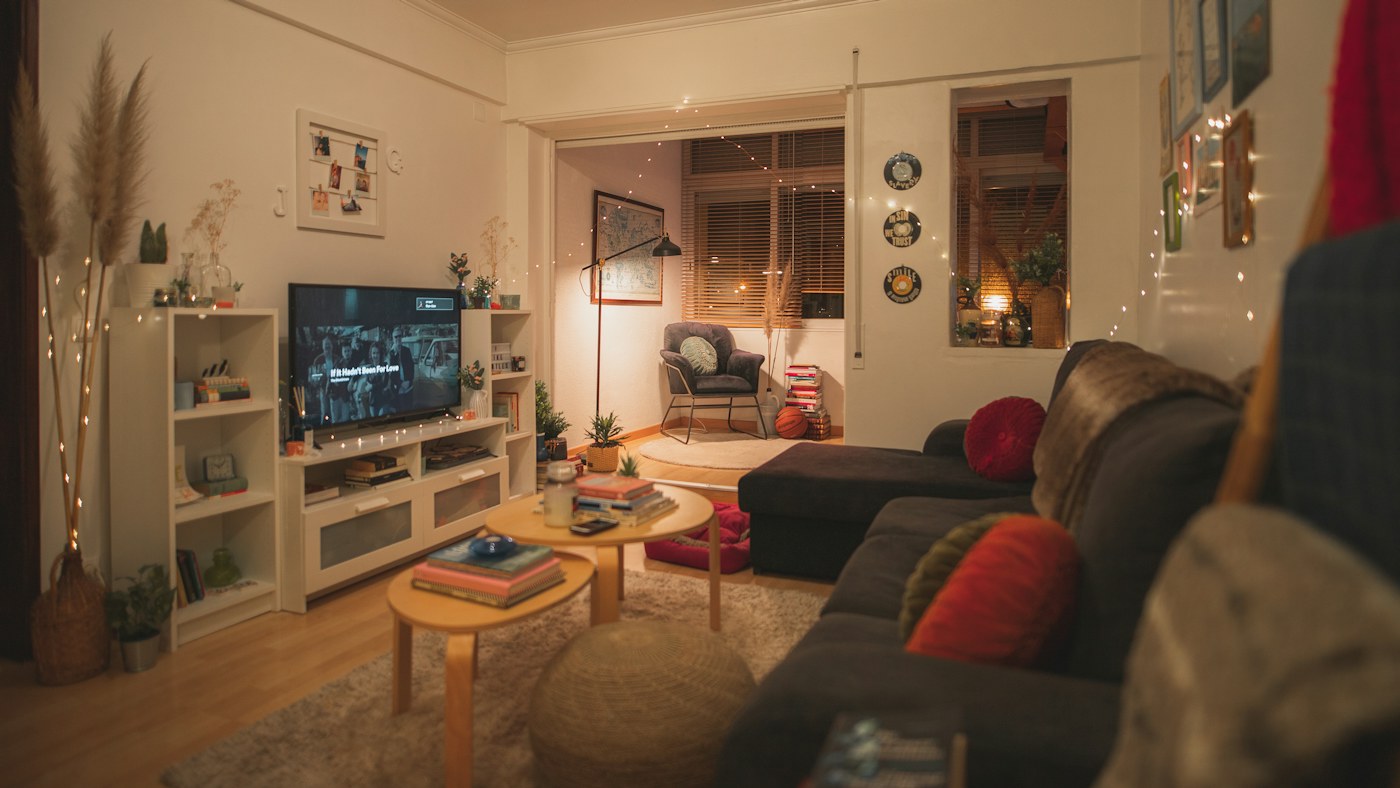
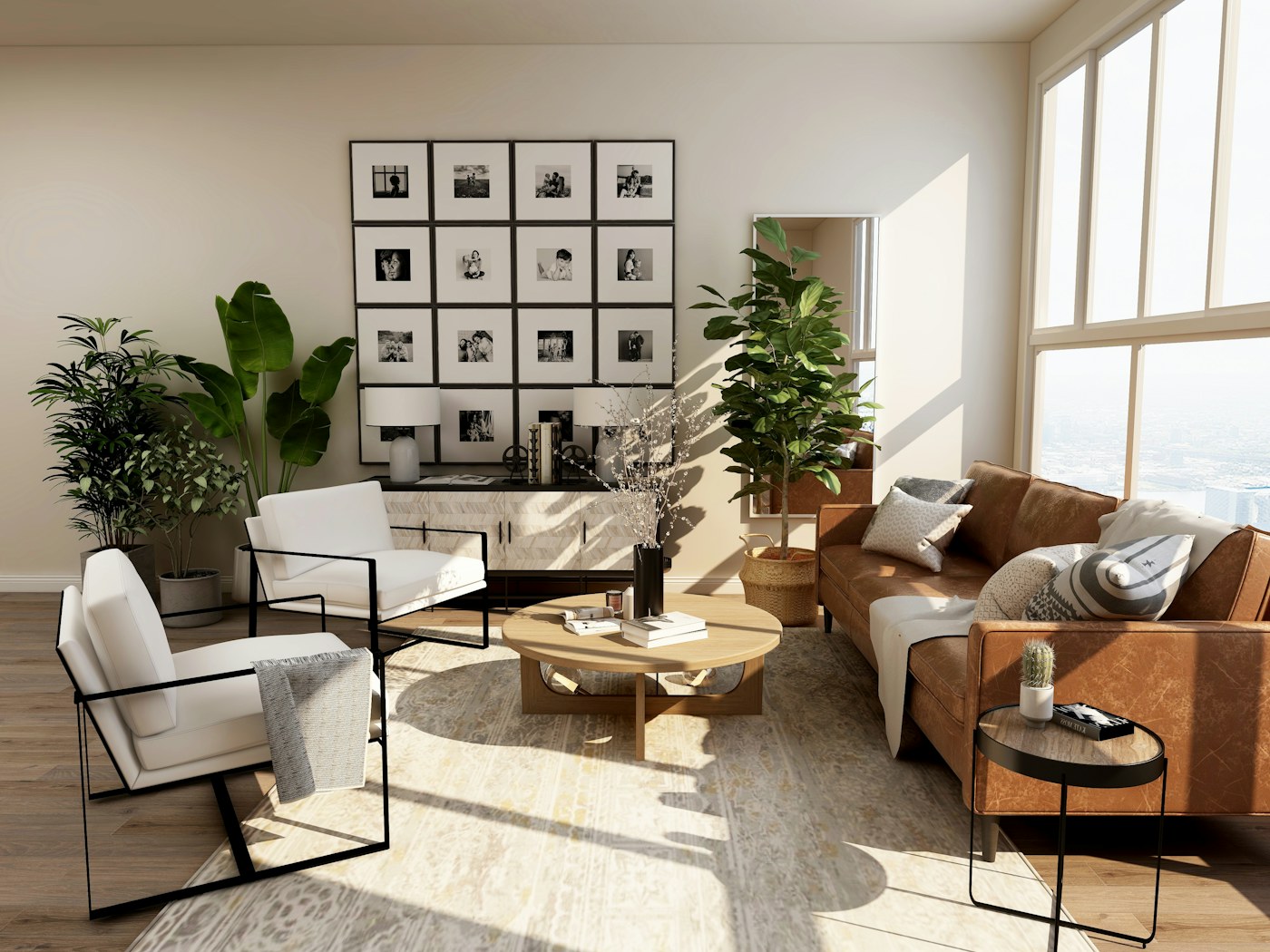
In a multipurpose living room, I reduce the visible layer more aggressively than I would in a dedicated kids’ room. The room has adult functions after bedtime, so the storage needs to create a genuine visual transition.
One low shelf of active toys plus hidden rotation storage often works better than filling an entire wall with open cubbies. The room can still support play without looking like every category is always in session.
A useful quarterly review
Every few months, check three things: what is still chosen, what has been outgrown, and what is repeatedly left out because the storage is too difficult. The answer tells you whether to rotate, remove, or redesign.
Do not interpret every messy category as a child-discipline problem. Sometimes the bin is too full, the lid is annoying, the shelf is too high, or the category is too complicated.
Visible does not have to mean transparent
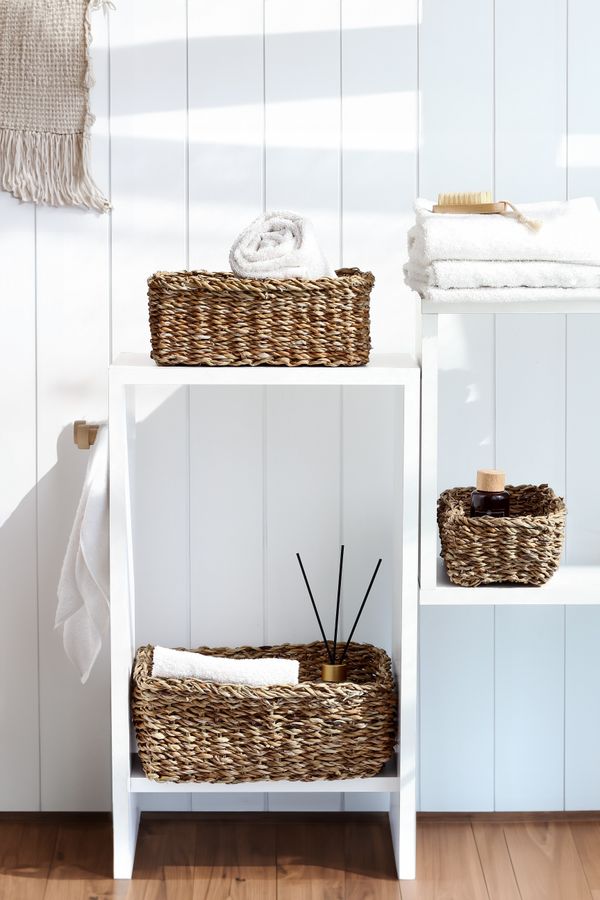
One useful distinction is often missed: a category can be visually accessible without being stored in a clear plastic bin. An open basket with a picture label, a low shelf with one basket per activity, or a drawer marked with a simple word can give a child enough information without exposing every colorful piece.
For small shared rooms, this middle ground is often stronger than choosing between fully open display and completely hidden storage.
Explore this topic
Browse more practical guidance in the Family Home hub. Room focus: Kids’ Room.
Expert conclusion
Visible storage is a behavioral tool. Hidden storage is a visual and capacity tool. A small family home usually needs both.
Use visibility where seeing the item improves choice, memory, and independent cleanup. Use hidden storage where inventory is visually noisy, infrequent, or adult-managed. Then limit the active layer so the room actually looks different after the reset.
The best kids’ storage is not the system children can access all at once. It is the system that lets them access what they need now—and successfully put it back.