A small bathroom can look dirty faster than a larger one because every splash, towel, bottle, and hair lands in a highly visible area. The good news is that the room is also small enough to recover quickly.
The most effective approach is a between-deep-cleans maintenance loop: remove moisture, reset the sink, contain toiletries, handle the toilet, and clear the floor before buildup becomes a larger job.
Think in five bathroom zones
- sink and mirror,
- toilet,
- shower or tub,
- towels and textiles,
- floor and trash.
You do not need to clean every zone at full intensity every day. You only need to keep each one from crossing into “needs a deep clean now.”
After showers: deal with moisture first
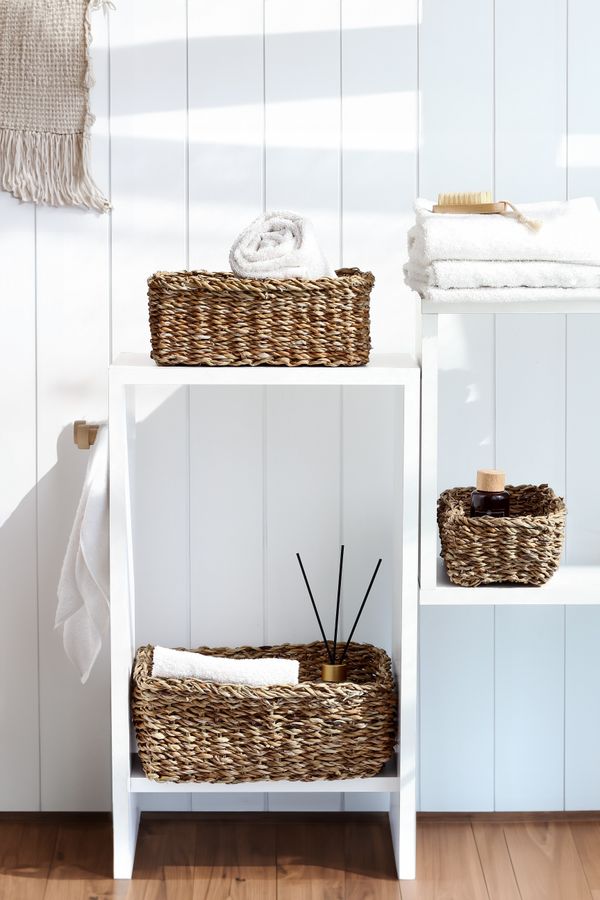
Use the bathroom ventilation available to you and let wet surfaces dry appropriately. Hang towels so air can circulate instead of leaving them folded or piled while damp. For the broader setup, How to Store Towels in a Small Bathroom With No Linen Closet is a useful next read.
If you regularly see water sitting on the shower edge or floor, wipe or squeegee the high-splash areas before leaving the room.
Give the sink a 60-second reset
After the last morning or evening use:
- return toothbrushes and skincare to their homes,
- rinse obvious residue,
- wipe standing water around the faucet,
- remove hair from the basin,
- straighten the hand towel.
A clear sink makes the whole bathroom look cleaner even before the weekly scrub.
Keep daily toiletries visible—but limited
Store the products used every day within easy reach. Move backups, travel products, samples, and rarely used tools out of the prime zone.
If the counter is tiny, use one tray or small container as the visual boundary. When products overflow it, edit the category.
Use a quick toilet-touchup rhythm
Keep the tools needed for routine toilet cleaning easy to access but safely stored. Handle visible marks or splashes promptly instead of waiting for the weekly clean. For the broader setup, 10-Minute Small Bathroom Cleaning Routine is a useful next read.
The goal between deep cleans is maintenance, not a full scrub every day.
Do not let the floor become storage
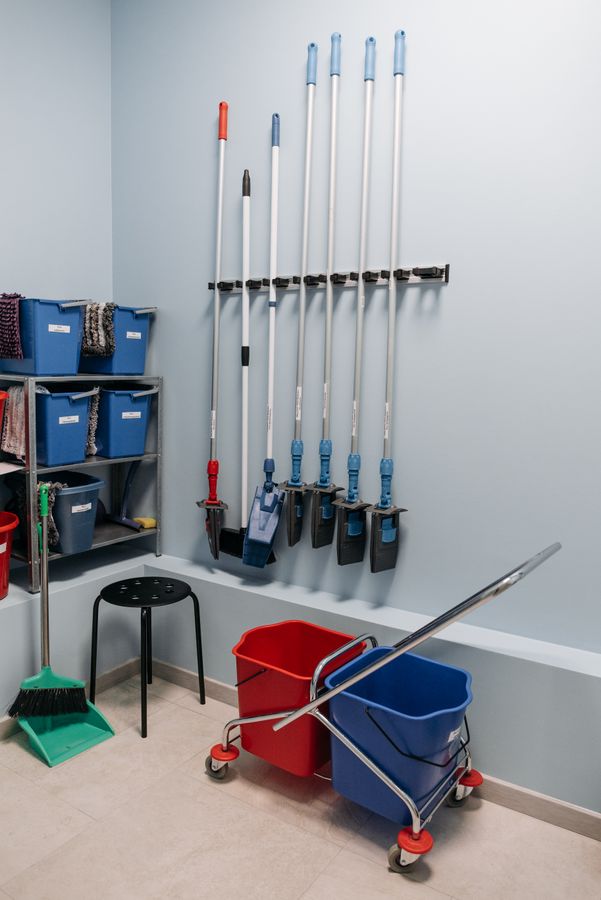
Laundry, spare toilet paper packs, cleaning bottles, bath toys, and personal-care products on the floor make wiping or vacuuming harder.
Use baskets or cabinet zones so the floor stays mostly open.
The 5-minute bathroom reset
Minute 0–1: sink
Clear products, rinse residue, wipe standing water.
Minute 1–2: toilet area
Handle visible splashes and return supplies.
Minute 2–3: shower/tub
Remove empty bottles, hang towels, clear obvious hair.
Minute 3–4: floor
Pick up clothing, wipe or sweep obvious debris.
Minute 4–5: trash and restock
Empty small trash if needed and replace toilet paper or hand towel.
Use the “one backup” rule in very small bathrooms
Prime bathroom storage should support current use. Keep one backup of frequently used items if helpful, but move bulk packages to another storage zone when possible. If you are working on the same space, A Small Bathroom Storage System for a Family Sharing One Bathroom covers the next decision in more detail.
How often should you do the maintenance reset?
Use the room’s real mess rate. A family bathroom may benefit from a short daily reset, while a low-use guest bathroom may only need attention once or twice per week.
For a broader rhythm, see How Often Should You Clean Everything in a Small Home?.
What belongs in the deeper clean?
Save more time-intensive tasks for the scheduled clean:
- full toilet scrub,
- thorough shower/tub cleaning,
- detailed grout or edge work as appropriate,
- full mirror clean,
- floor washing,
- cabinet fronts and neglected corners.
The maintenance reset makes those jobs easier because you are not starting from accumulated clutter.
Keep cleaning tools close enough to use
A bathroom-specific cloth, brush, or squeegee can be useful if you have a safe, ventilated storage spot. Avoid filling the room with duplicate products. A small kit is easier to maintain.
What to do with bath toys
Use a container that lets toys drain and dry after use. Limit the number of active toys so the tub or shower can return to adult use quickly.
When the bathroom smells “unclean” even after wiping
Check the simple sources first: damp towels, trash, wet bath mats, laundry, and products spilled near the sink. Odor control often starts with removing the source rather than adding fragrance.
See How to Keep a Small Home Smelling Fresh Without Constantly Cleaning.
A between-deep-cleans checklist
- ☐ sink mostly clear,
- ☐ towels drying properly,
- ☐ shower bottles contained,
- ☐ toilet visibly maintained,
- ☐ floor clear of storage,
- ☐ trash controlled,
- ☐ backups not crowding prime storage.
Frequently asked questions
Do I need to clean a small bathroom every day?
Not necessarily. A one- to five-minute reset can prevent buildup without turning every day into a full cleaning session. If you are working on the same space, How to Organize Kids’ Clothes in a Small Bedroom Without Overstuffing Drawers covers the next decision in more detail.
What makes a bathroom look dirty fastest?
For many small bathrooms, visible counter clutter, standing water, damp towels, hair, and floor items create the strongest sense of mess.
How do I make deep cleaning faster?
Keep the floor, sink, and shower zones uncluttered between sessions so the deeper clean can begin with surfaces instead of item removal.
Small bathrooms benefit from small resets
You do not need to scrub the entire room every day. Keep moisture moving, protect a clear sink, contain toiletries, maintain the toilet area, and keep the floor open. Those few habits preserve the room between deeper cleaning sessions.