Empty and clean a refillable hand-soap dispenser according to its own instructions before changing the product inside. Treat the bottle, pump, and decorative finish as separate care decisions, and complete the permitted drying before refilling. Adding a new soap to an unidentified remainder skips the chance to inspect the dispenser and establish what is actually inside it.
Houzz’s fall 2026 report describes rooms with personal character. Keeping a chosen bathroom accessory in useful condition is our practical application of that direction. You can refresh an existing arrangement without buying a matching set, and its appearance should not obscure its care or refill requirements.
This guide concerns an ordinary manual dispenser intended to be refilled. It is not a cleaning procedure for a sealed cartridge, touch-free electrical pump, or wall-mounted system. Use the specific manufacturer’s instructions for those formats, including any required disconnection or replacement process.
Confirm that the container is intended for this soap
Find the dispenser’s model information and the soap supplier’s directions. Check the intended product type before assuming that any liquid labeled soap belongs in any bottle. A foaming mechanism and a conventional liquid pump may have different requirements.
Do not turn a decorative vessel into a soap container solely because a spare pump fits its opening. Confirm the materials and intended use. Unknown coatings, metal components, and decorative attachments introduce questions that an attractive bathroom photograph cannot answer.
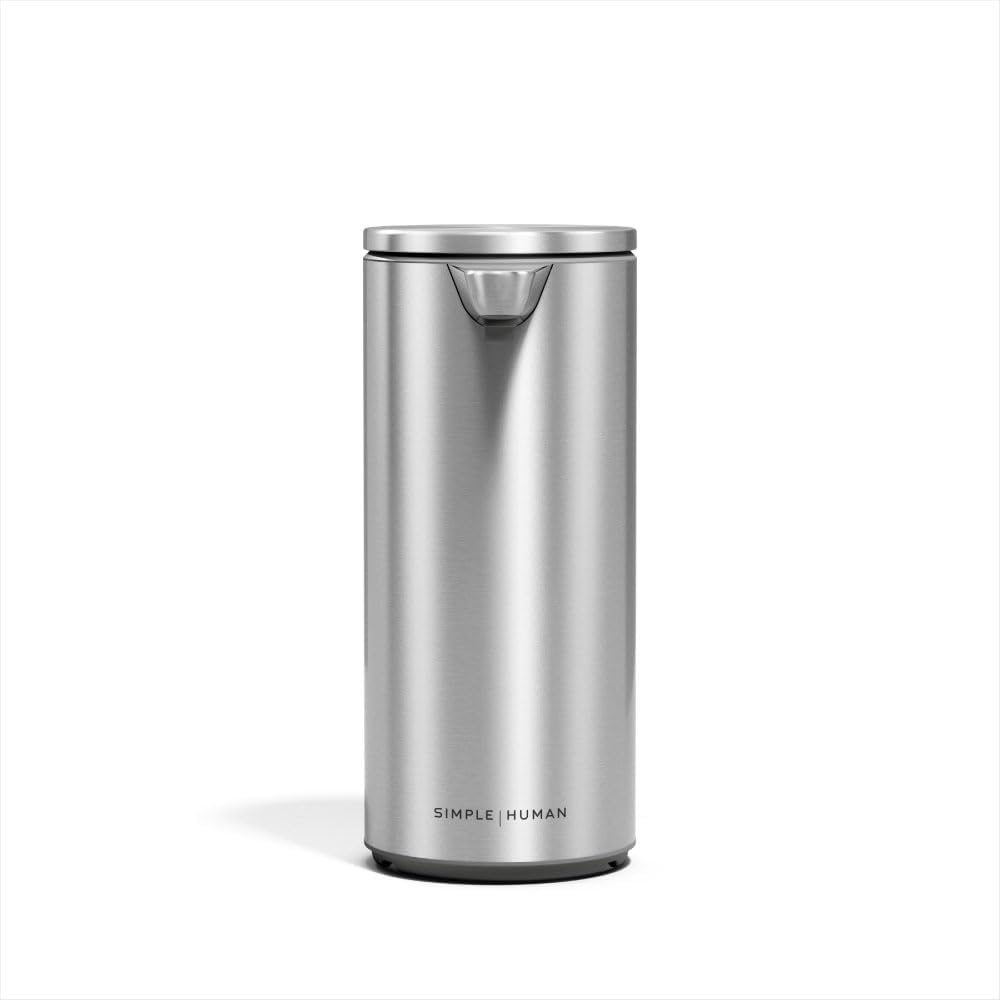
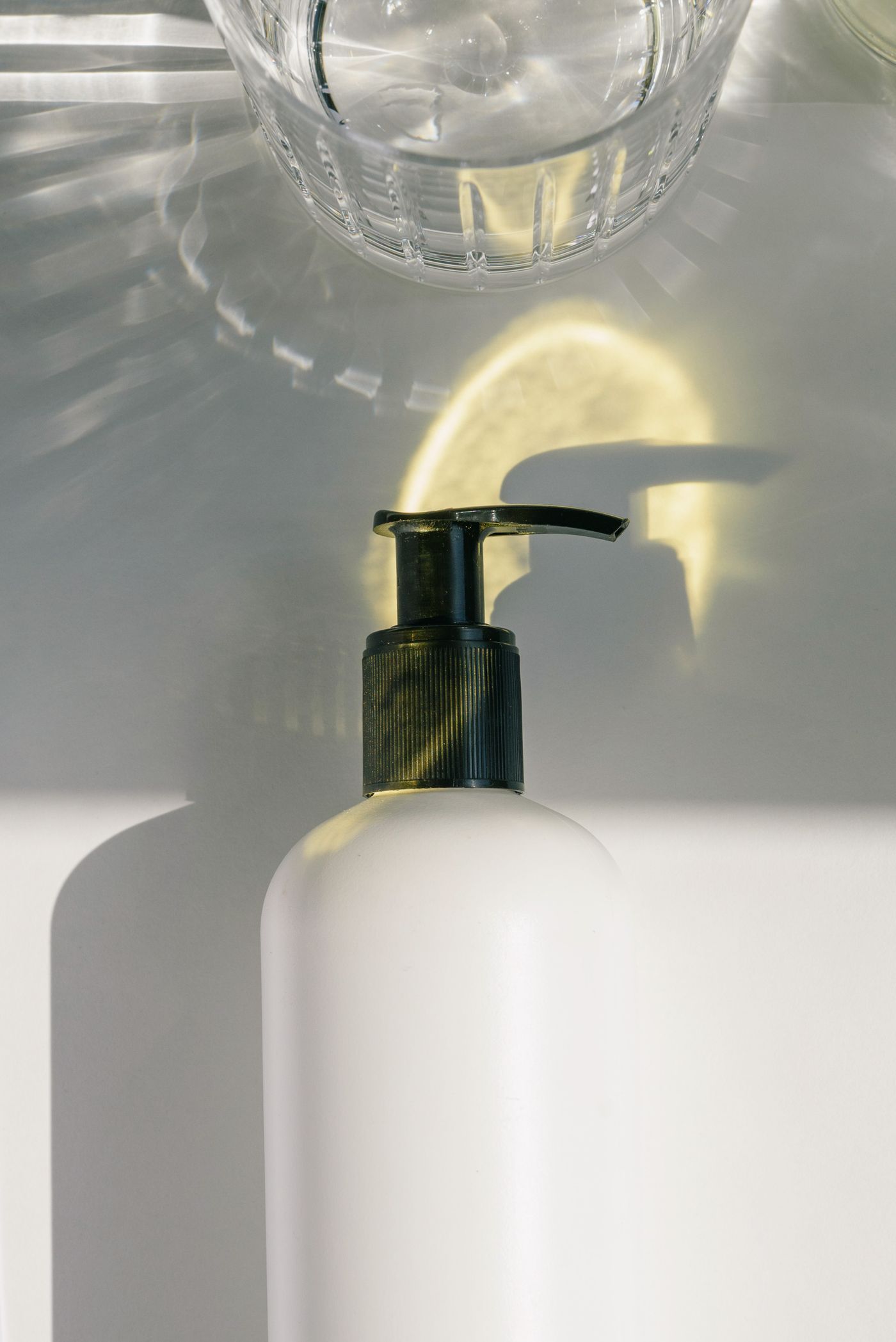
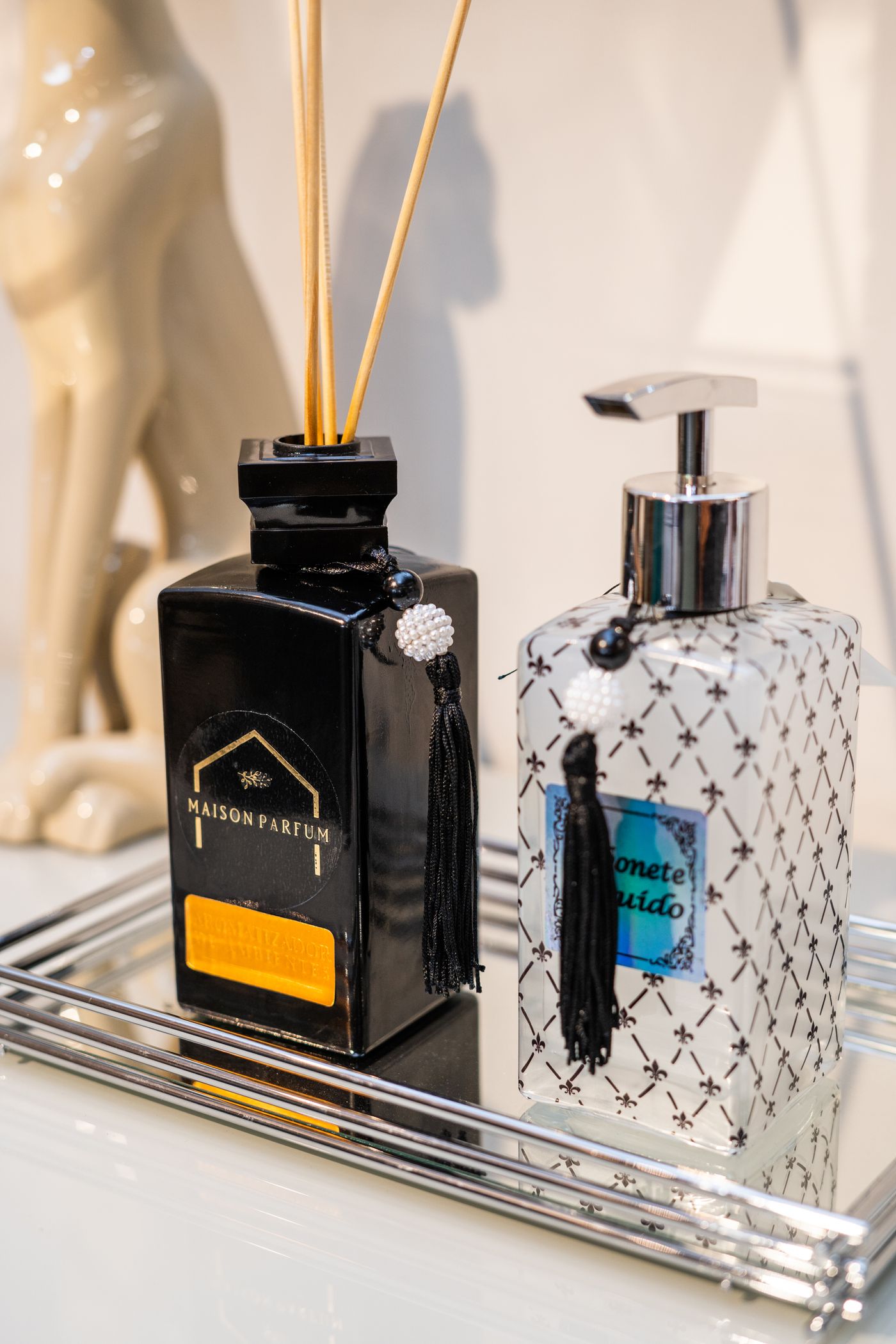
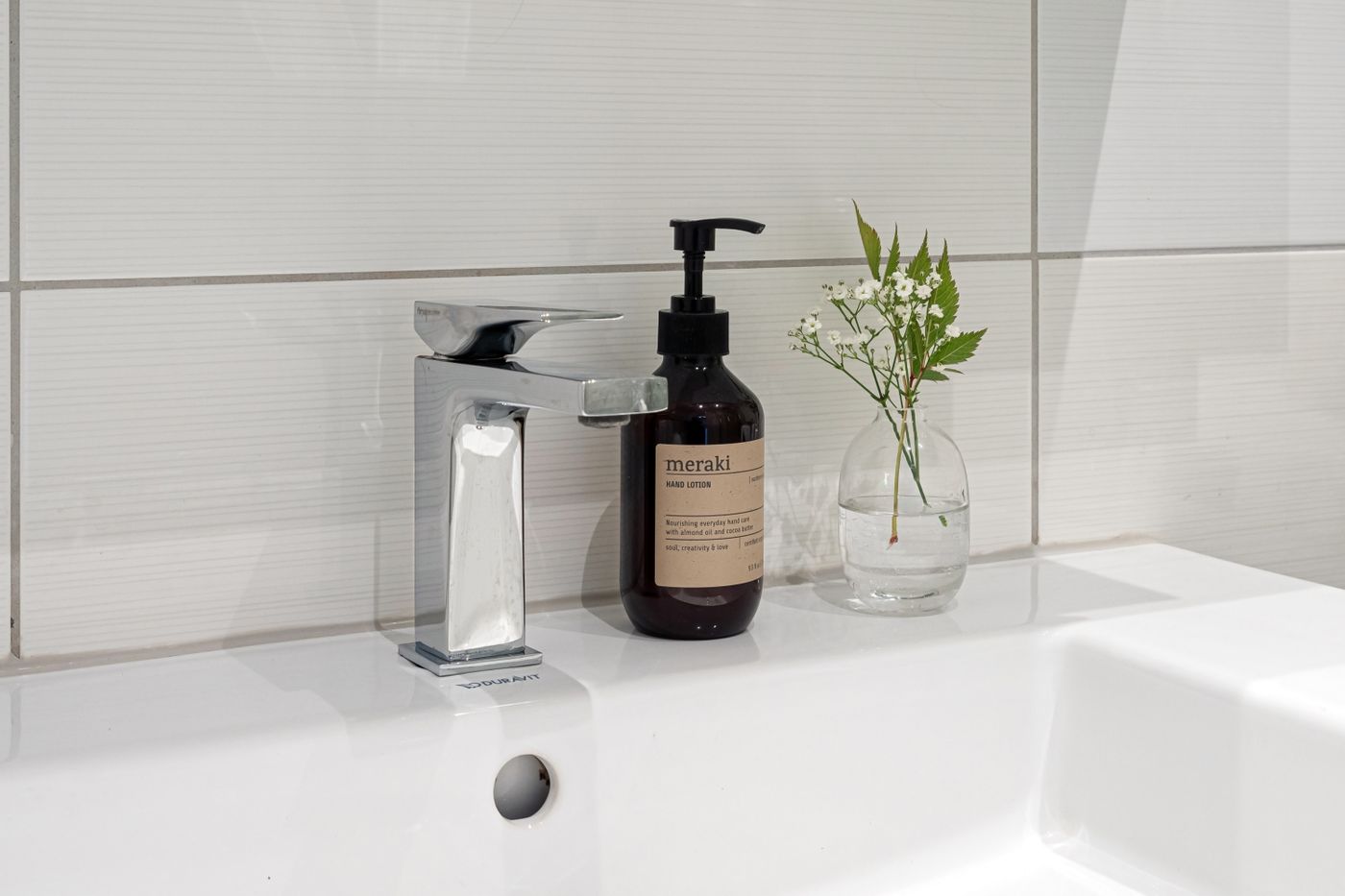
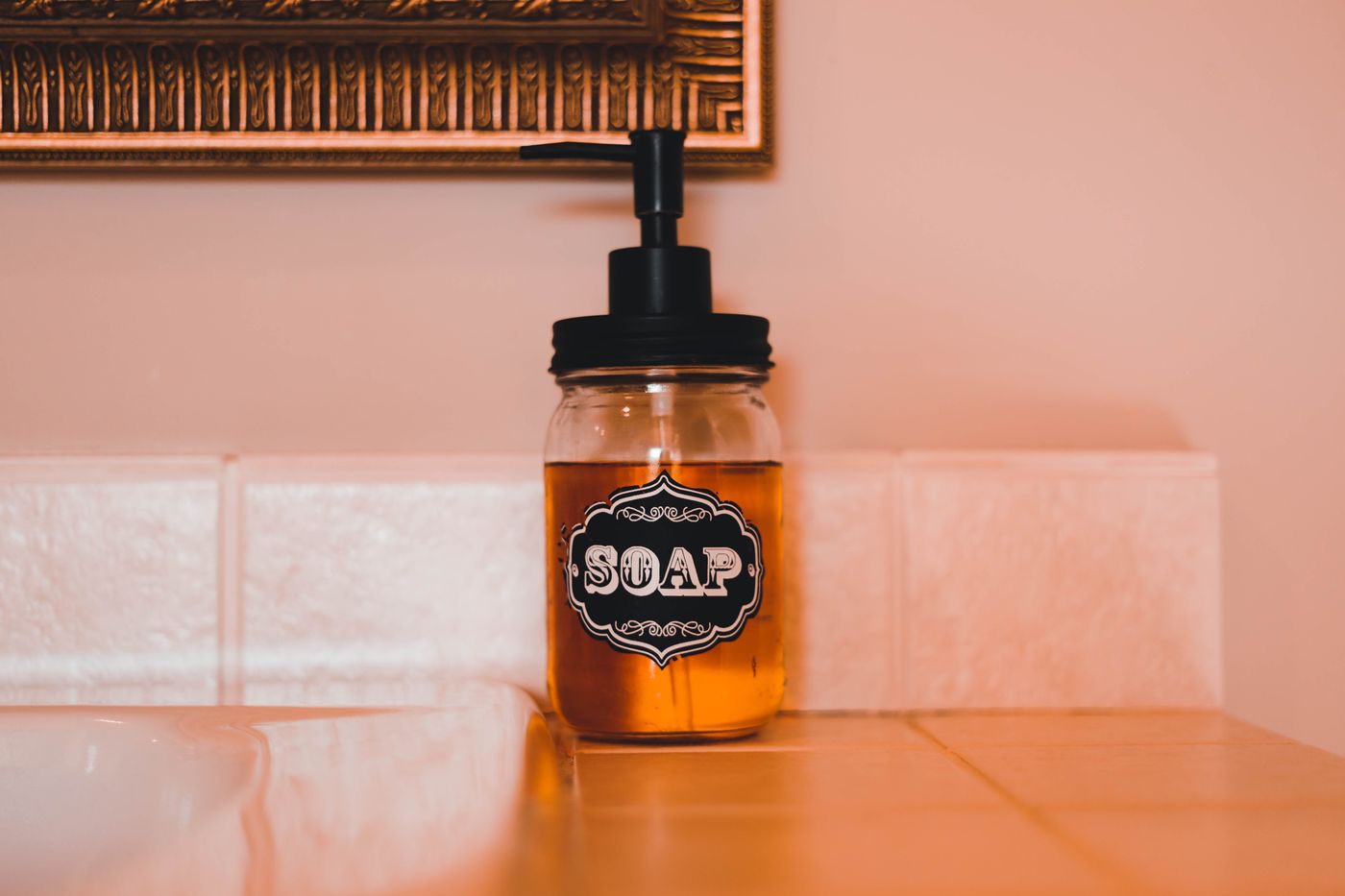
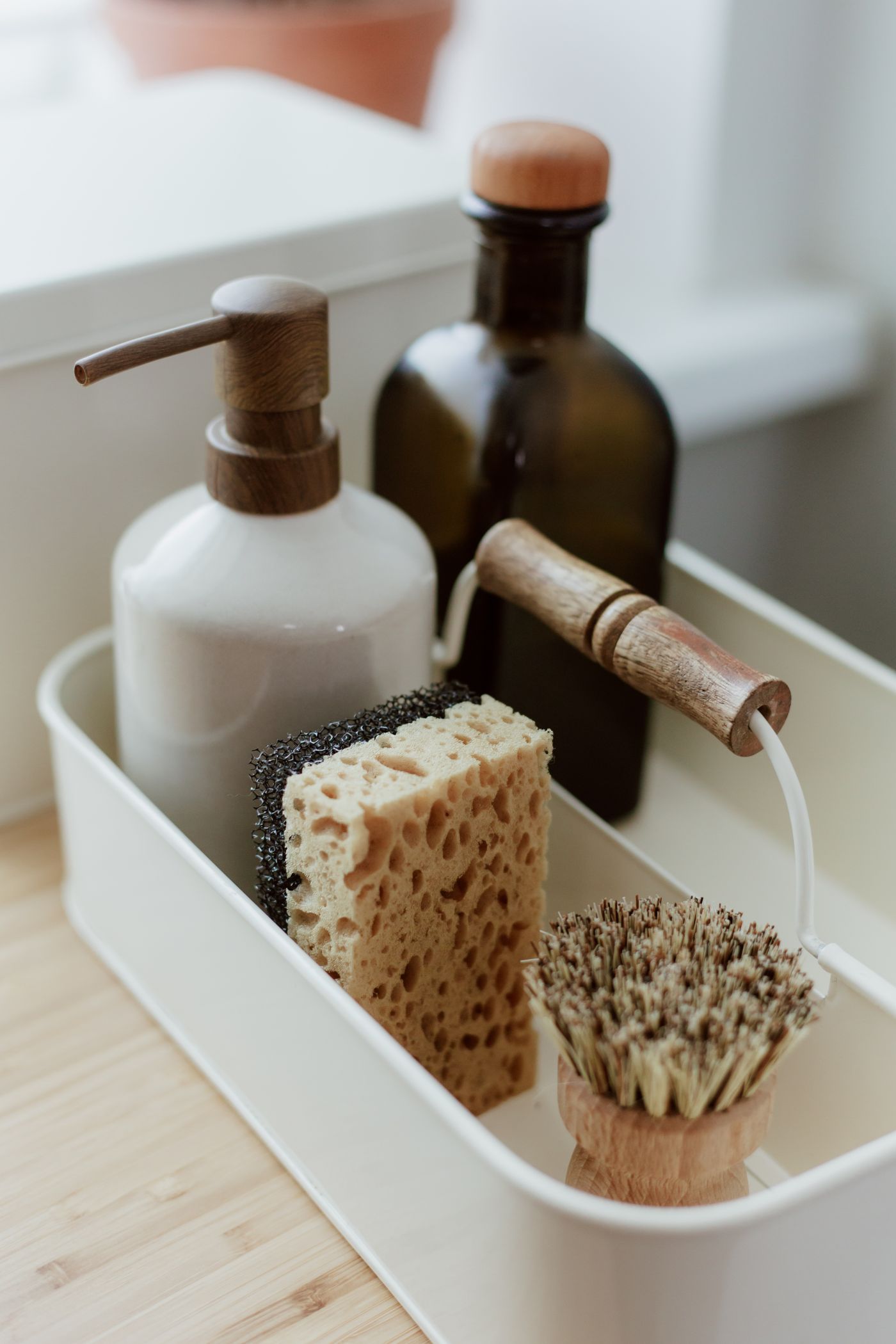
The photographs here show different dispenser formats as context. They do not identify their materials or demonstrate a cleaning process. Follow your own item’s information even when a pictured bottle looks similar to it.
Plan the refill before emptying anything
Choose a time when the household can use another appropriate hand-washing arrangement while the dispenser is being cared for. Keep the new refill closed until the container is ready. That reduces the temptation to interrupt cleaning halfway through because someone needs the sink.
Read the existing product’s disposal directions and local requirements for any remainder. Do not pour it into a different household bottle without a suitable, clearly identified purpose. Avoid creating an anonymous container of mixed leftover toiletries simply to save a small amount.
Our reusable tray-and-lid cleaning guide covers a different object with a similar practical issue: washing is only one stage in returning a reusable item to service. Here, include emptying, component care, drying, refilling, and clearing the basin area in the same modest task.
Open only the parts designed to release
Use the maker’s removal method for the pump and any intended detachable parts. Keep small fittings together in a suitable container away from the drain. A fitted collar or internal valve is not automatically a part that should be pulled apart during ordinary care.
If the pump will not release as described, stop and consult the manufacturer. Do not grip a decorative finish with an improvised tool or twist the container against a hard surface. A stubborn component may need product support rather than more force.
Keep the parts identified if more than one dispenser is being cleaned. Similar-looking tubes, seals, and collars may belong to different models. Working on one unit at a time is often simpler than creating a mixed group of components on the vanity.
Follow the bottle's own cleaning method
Clean the container using the approved method and tools. Pay attention to accessible residue around the opening and the areas where the pump joins the body. Do not assume that a glass-looking vessel is dishwasher safe, or that its decorative coating tolerates soaking.
Joseph Joseph’s stainless-steel Presto instructions, for example, specify hand washing and drying, no abrasive cloths or strong chemical cleaners, removal of soap residue from steel parts, and avoiding overfilling. Those directions illustrate how specific care can be. They do not create a universal recipe for ceramic, wood-trimmed, coated, or secondhand dispensers.
Keep any cleaning agent appropriate to the actual item and the task. Do not combine household chemicals or improvise a disinfection process. If the dispenser requires a sanitation procedure for its intended setting, obtain the applicable manufacturer’s instructions rather than treating an ordinary wipe as proof of disinfection.
Treat the pump as a mechanism
Use the pump-cleaning or flushing process only if the manufacturer permits it, with the specified liquid and temperature where given. Do not force a brush into a valve or treat resistance as an invitation to dismantle an internal assembly.
Check accessible parts for obvious damage or a change in condition. A leaking connection, broken tube, or component that releases unidentified particles needs the maker’s advice. A fresh refill should not be used to disguise a problem whose cause is still unknown.
Avoid adding water to the new soap merely to make it pump more easily. Follow the soap and dispenser instructions for compatibility and concentration. Changing the product’s formulation is a different action from cleaning the container, and it may not be permitted by either supplier.
Care for the outside without spreading residue
Use the finish’s approved method on the outer body, pump head, and accessible base. Keep a suitable cloth separate from one that has been used for the toilet, floor, or a different chemical task. Our cleaning-cloth organization guide can help make that separation easy to maintain.
Clean the supporting ledge according to its own surface requirements. Remove soap rings and moisture appropriately before returning the dispenser. A clean bottle placed back on a sticky wet patch will quickly become another basin-cleaning problem.
Keep nearby toothbrushes, cosmetics, and other personal items clear while working. Our OXO toothbrush-organizer review discusses a different storage format; the useful connection is keeping each item’s care and function distinct. A soap dispenser should not need to be moved through another person’s open personal-care supplies every time it is refilled.
Complete the drying the product requires
Follow the instructions for the container and pump, including how they should be positioned during drying. Do not close the assembly simply because the outer body looks dry. Accessible water can remain around a neck or removable fitting even when the display surface looks ready.
Plan an appropriate temporary position that does not make the basin difficult to use. Keep components supported and out of reach where household supervision requires it. A towel spread across every available bathroom surface may be more disruptive than the small task needs.
If the manufacturer’s directions are unclear, ask before treating a prolonged soak, heat source, or other improvised process as the solution. The right care for a decorative bottle does not automatically apply to its pump mechanism.
Refill with the correct product and a clear identity
Use the intended soap and respect the dispenser’s filling directions. Leave the space required by its instructions for the pump and normal operation. A full-looking bottle is not necessarily a correctly filled one.
Keep useful identification from the refill available according to the product’s directions and your household needs. A decorative bottle should not leave users guessing whether it contains hand soap, lotion, or something else. If the household changes products, make that change understandable to the people who use the sink.
Close and operate the unit as directed, over a suitable working area. Check for an obvious leak or assembly issue before leaving it in the final position. Do not repeatedly press a nonworking pump with increasing force; consult the model’s troubleshooting information.
Return a modest arrangement to the basin
Put back only the accessories that the household uses in that spot. Leave room to reach the tap, lift the dispenser appropriately, and clean beneath it. A coordinated tray can be attractive, but it should not introduce a difficult-to-reach layer of residue under several bottles.
For the larger room, explore the Bathroom room guide. Keep the refill product in its intended storage position rather than permanently adding the large bottle to the basin display.
The task is finished when the dispenser is appropriately clean, ready, correctly filled, and easy to identify. If cleaning has become unusually difficult, investigate the specific cause or choose a more maintainable format at the next replacement. A bathroom accessory earns its place through the routine it supports as well as the way it looks.
Explore related household decisions in our Cleaning hub.
Sources and editorial scope
Editorial research checked October 16, 2026. Trend-report dates and limitations are stated in the article; these are editorial applications of published signals, not verified October keyword rankings. Practical household guidance; illustrations do not document a tested household or authenticate a pictured material.