Sharing a few poems at the family table can be a small invitation to listen, rather than a formal reading everyone has to perform. Choose a brief moment, offer a few suitable pieces, and let people decide whether to read, listen, or pass. The activity should fit the gathering you already have, without requiring a stage, matching place settings, or an audience beyond the people present.
Etsy’s October 2026 seasonal report describes interest in personal connections and thoughtful gatherings. A relaxed table reading is one way to apply that direction at home. The report does not establish poetry suppers as a measured trend. This guide is a household activity plan using original work or material you are entitled to use, without supplying or reproducing copyrighted verses.
Give the invitation a clear, modest shape
Tell the household what you are suggesting before the meal. “Would anyone like to share a short poem afterward?” is easier to understand than announcing a performance once everyone is seated. Keep the invitation open enough that a person can decline without having to justify their preference in front of the group.
Decide whether the reading will happen before the meal, after clearing, or at another agreed point. Separating it from active serving can make the table easier to use and the listening less interrupted. You do not have to introduce a new event format; a few minutes together after an ordinary meal can provide enough space.
Our family table-setting handoff guide can help finish the practical meal preparation first. Keep the roles clear so the person arranging plates is not also expected to organize every reader and find missing books. The reading should add an enjoyable moment, not another invisible job for the person already managing dinner.

Choose pieces for the actual people at the table
Offer a few short options suitable for the group’s interests, ages, languages, and comfort. A familiar funny piece, a quiet descriptive poem, or someone’s own few lines can all work. Avoid selecting a difficult or personal text merely because it seems more impressive. The activity does not need to demonstrate literary knowledge.
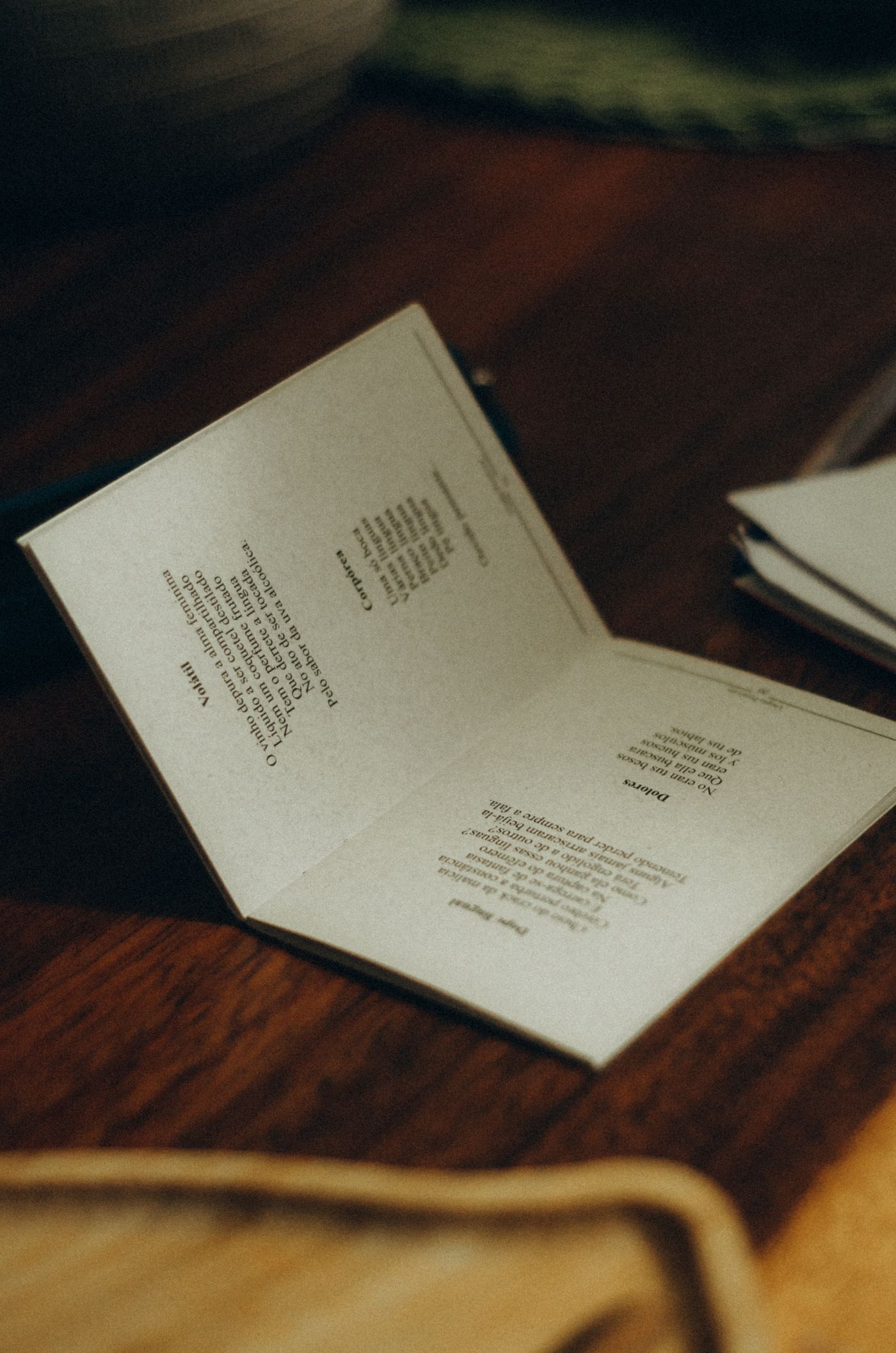
If using a book, identify the page in advance without damaging it. Keep the source and author recognizable where known, and do not present somebody else’s writing as your own. Follow any applicable permissions for the way material is used. A private family activity and a recording intended for wider sharing can involve different decisions, so do not assume permission for one establishes the other.
Let each contributor choose whether their own writing is ready to share. A notebook on the table is not a public submission. Ask before reading another person’s draft aloud, even if you think the group will appreciate it. A small original piece can matter without being evaluated, displayed, or kept as a permanent family document.
Offer several ways to take part
Someone can choose a poem, read one, introduce an author, or simply listen. A child may prefer to share one original line rather than read a complete piece. Another person might want a willing reader to help with their chosen text. Agree on that help rather than unexpectedly finishing words or taking over the page.
Keep turn-taking predictable enough that nobody has to compete for a voice. You do not need equal reading time or a full round. A person who passes can join later if they want to, and a group can finish after one shared piece if that is what suits the moment. Participation is not a test of family enthusiasm.
Our quiet-time zone guide can help where the home contains different needs at the same time. If somebody is working, resting, or doing a quieter activity nearby, choose an appropriate interval and volume. A family reading should not demand control of every shared space for the rest of the evening.
Make the table comfortable for reading
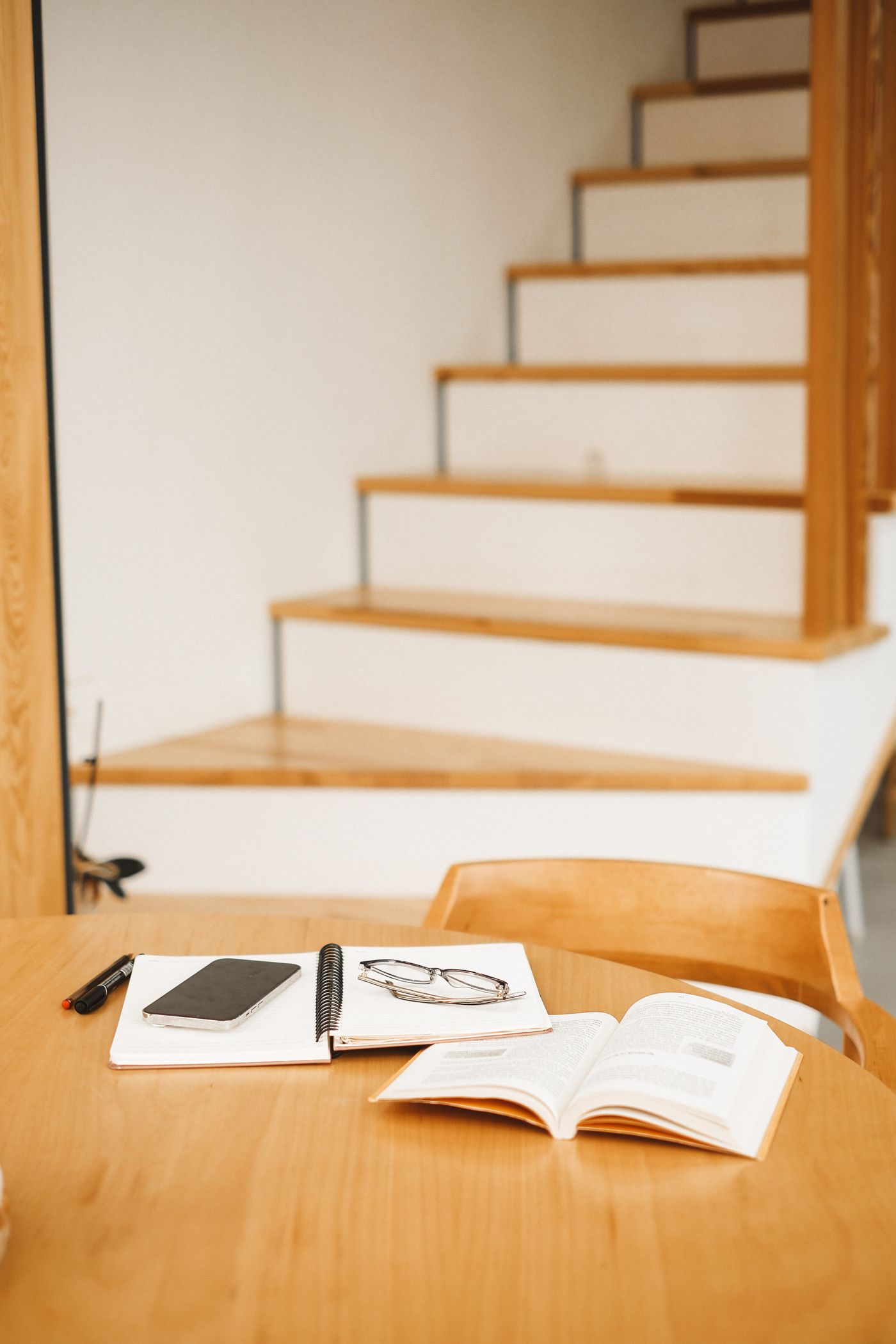
Clear enough of the meal that books and personal notebooks have an appropriate clean place. Keep drinks and serving pieces from crowding the page. Choose a position and ordinary lighting that let the reader see comfortably, without assuming that a dim, decorative arrangement is necessary to create atmosphere.
Our shared dining-table guide can support this transition. The meal and the reading can use the same furniture at different moments without needing both setups on display together. Remove an unnecessary decorative object before adding another side table just to hold the books.
If several people want to follow the words, arrange appropriate access without making somebody strain to read across the table. A willing reader can read aloud while the others listen; not everyone needs an identical physical copy. Keep any copies within the permissions applicable to the chosen material rather than assuming that printing a stack is always the solution.
Let listening be enough before discussing
After a reading, leave a short pause instead of immediately asking everyone to explain what it meant. A simple response such as naming a favorite image or sound can be offered voluntarily. People may enjoy the words without wanting to turn the meal into a lesson, a debate, or a review of the reader’s skill.
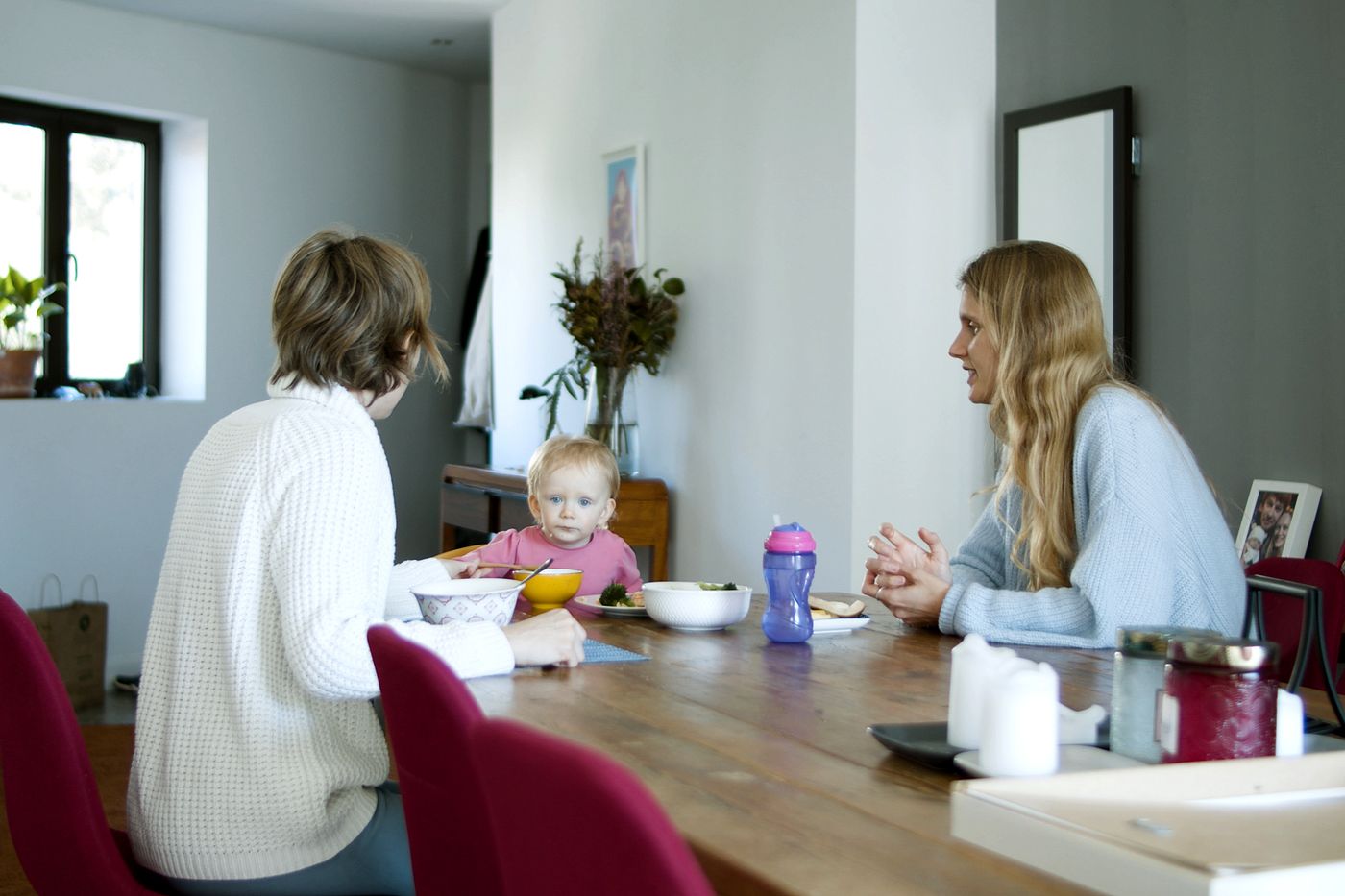
For original work, ask what kind of response the writer wants. They may welcome an impression, want help with a line, or prefer the group simply to hear it. Do not organize a critique without agreement. A family gathering can be supportive without treating every new poem as a project that must be improved publicly.
Avoid ranking the pieces or choosing the best reader. Different voices and interests are part of the activity. If a discussion becomes uncomfortable or someone wants to move on, choose another moment or finish. The purpose is a manageable shared experience, not completing a programme at the expense of the people around the table.
Keep recording and keepsakes separate
Decide whether the moment needs any record at all. An enjoyable reading can remain unrecorded. If someone suggests a photograph, audio clip, or written collection, ask the contributors before making it. Agreement to read at the table should not silently become agreement to appear on a social account.
Our family memory-journal guide can help if the group genuinely wants to retain a small original piece. Keep the writer’s name and wishes with it, and choose a modest suitable home. You do not need a new archive, a public page, or a bound anthology to value one shared poem.

If the activity involves a borrowed book, return it to the appropriate household system after reading. Personal notebooks should go back to their owners, with unfinished writing left private. A table reading should not create another pile of books whose ownership and purpose become unclear by the next morning.
Finish while the invitation still feels light
Agree on a natural end before starting another long piece. The group might finish after the few selections already chosen, or decide together to continue briefly. Avoid making the person who is ready to stop responsible for disappointing everyone. Leaving room for another occasion can help the activity remain welcome.
Clear the table and return the materials as part of finishing the gathering. Notice what worked for the actual household: perhaps one poem, a different time, or an original line instead of a book. Keep the next invitation that simple. The success is a shared moment people could choose, with the dining room ready for its everyday purpose afterward.
Explore related decisions in our Family Home hub.
Sources and editorial scope
Editorial research checked October 21, 2026. Published trend reports are context for these editorial applications, not verified live keyword rankings. Practical household guidance; photographs do not document a tested household or authenticate pictured materials.