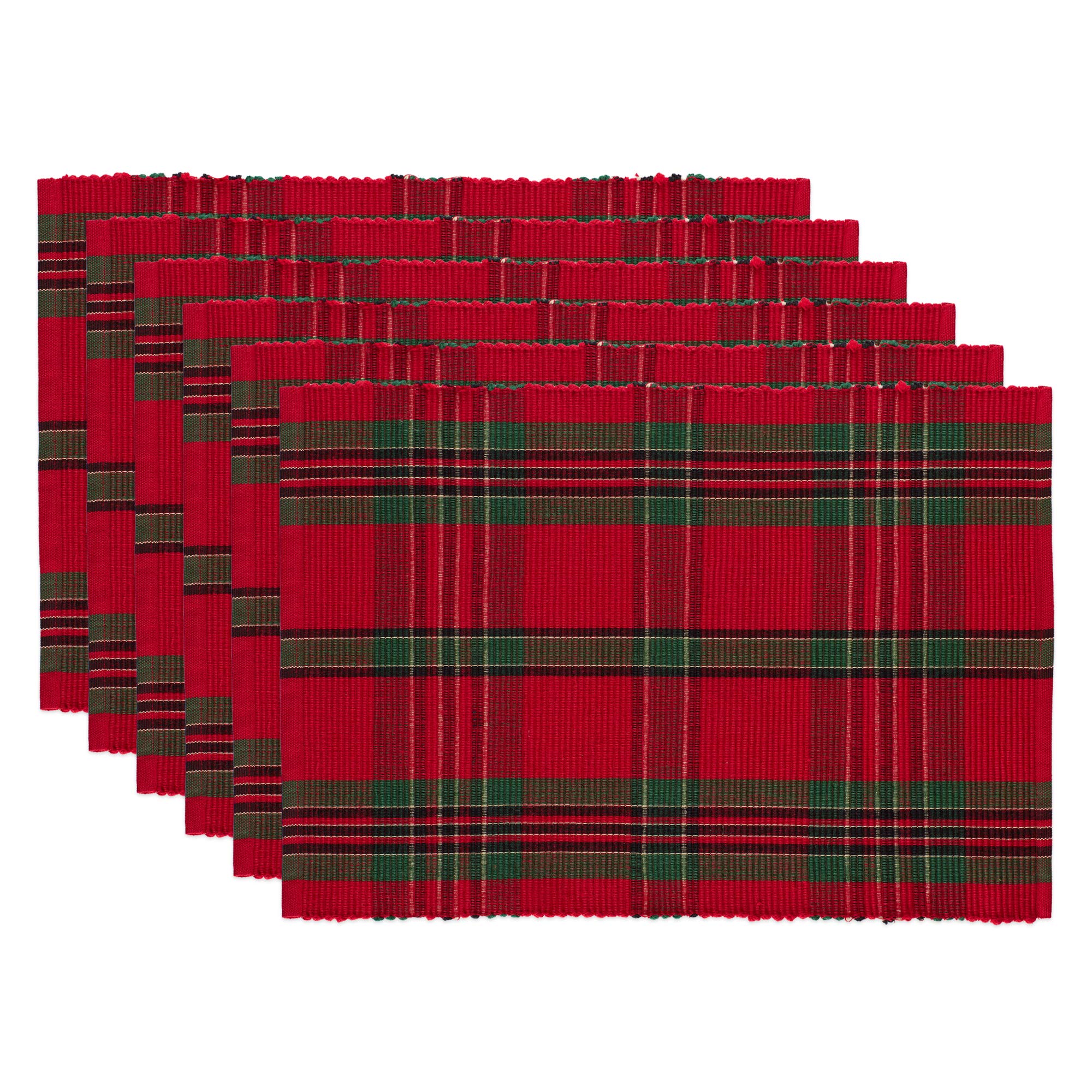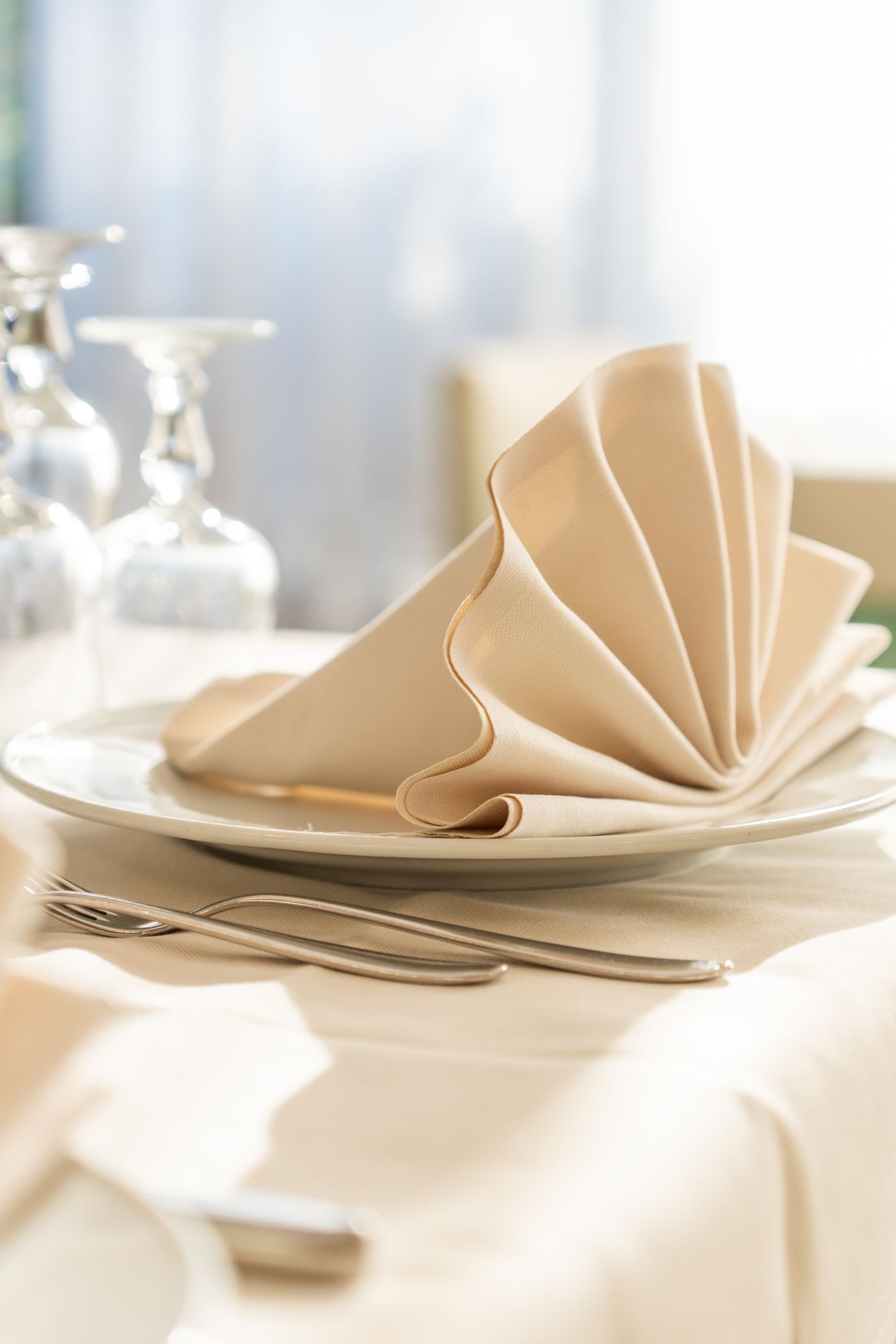
A holiday place setting can look easy in a photograph and become awkward when several people try to reproduce it just before dinner. The napkins may be a different size, one person’s fold may stand while another collapses, or the finished shape may occupy the plate needed for food. A short family rehearsal gives those decisions time to settle before guests arrive.
Choose one manageable arrangement with the clean cloth napkins you intend to use. Practice on the actual plates or table space, agree on an acceptable result, and divide the remaining work. The activity can be useful and creative without requiring identical folds from every participant.
Give the rehearsal one practical purpose
Decide what you need from the napkin arrangement. It might keep each place recognizable, add a small textile detail, or let family members help prepare the table. A fold chosen for one of those purposes should not make sitting down or serving the meal harder.
The Etsy fall and winter 2026 report includes decorative table dressing and shared creative gatherings. A family napkin-folding rehearsal is our practical application of that seasonal context. The report does not establish a universal holiday-table rule or require buying a new linen set.
Use the table you have and the meal you intend to serve as the reference. A narrow dining table with shared dishes has different available space from a large photographed event table. The napkin is one part of that arrangement.
Ask who wants to participate and what they would enjoy doing. One person can practice a fold, another can compare it with the place setting, and another can count the ready napkins. Those roles are contributions rather than a test of who can make the most elaborate shape.
Start with clean napkins in ready condition
Check the actual napkins before selecting a technique. Size, shape, thickness, edging, and embellishment can affect the result. A technique demonstrated with a stiff square napkin may behave differently with a soft rectangular one.
Follow the maker’s care directions for any preparation, including permitted pressing. Do not assume that a smooth appearance justifies a hot iron or an added stiffening product. The rehearsal is not a reason to override the textile label.
Our reusable cloth-napkin care guide addresses washing, trim, and ready sets. Finish that care appropriately before the table activity. Keep napkins still needing attention out of the available count.
Use a clean suitable practice area and keep unrelated craft materials away from the meal textiles. A family folding session does not need glue, staples, pins, or other improvised fasteners. Choose an arrangement that works through its intended folding or with an appropriate accessory you already have.
Try a simple rectangle first
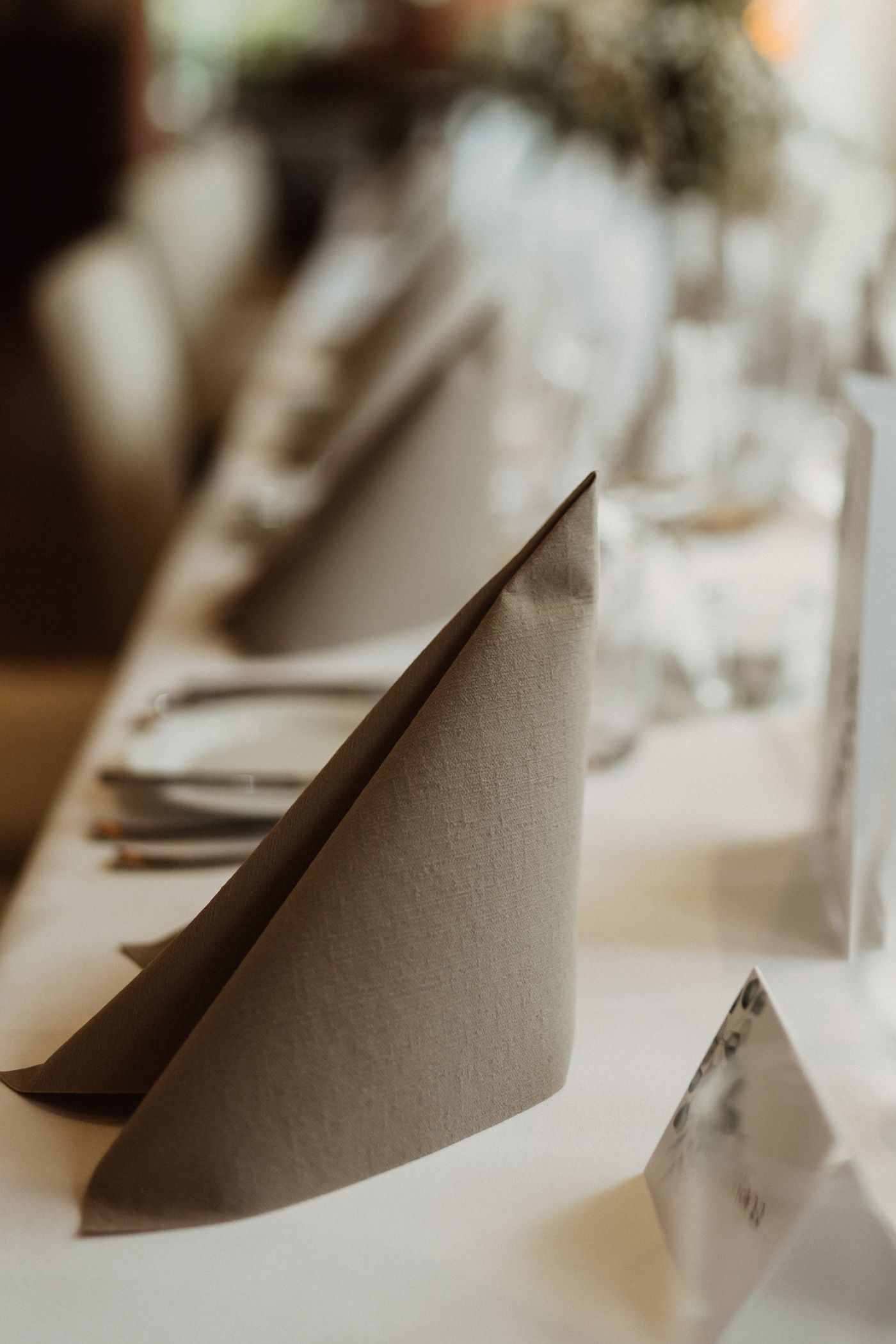
A straightforward starting option for a square napkin is to bring one edge to its opposite edge, then fold the resulting shape again to create a smaller rectangle. Align gently and smooth through a method suitable for the textile. Do not force a thick decorative border into a shape it cannot comfortably hold.
Place that simple result at the actual setting. It may already provide the color, position, and easy handling you wanted. A more complicated fold is optional rather than the next required step.
For a rectangular napkin, adapt the number and direction of folds to its dimensions and the intended placement. The useful question is whether the finished size works at the table, not whether every napkin follows an identical number of steps.
If you want to try a more elaborate fan, pocket, or other fold, use a clear appropriate reference and test one before assigning it to the group. The photographs show different finished arrangements; they are inspiration examples rather than a sequence documenting one tutorial.
Check the fold with the full place setting
Bring in the plates, utensils, and other items that will actually be present, using appropriate ordinary handling. Check whether the napkin occupies a useful spot and can be removed without disturbing something fragile or unstable.
Consider what happens when guests begin eating. If the napkin sits on a plate, where does it go when that plate is needed? If it stands in front of a place card, can the name still be read? A successful setting should remain understandable when someone uses it.
Our place-card organization guide deals with changing guest names and numbers. Coordinate that separate decision with the napkin arrangement rather than making the fold responsible for identifying every guest.
Keep shared serving space in view. A long row of decorative folds may look attractive before platters arrive and leave too little room afterward. Try the arrangement with a realistic outline of the meal’s needs before committing all the napkins to it.
Use a ring only when the actual fit works
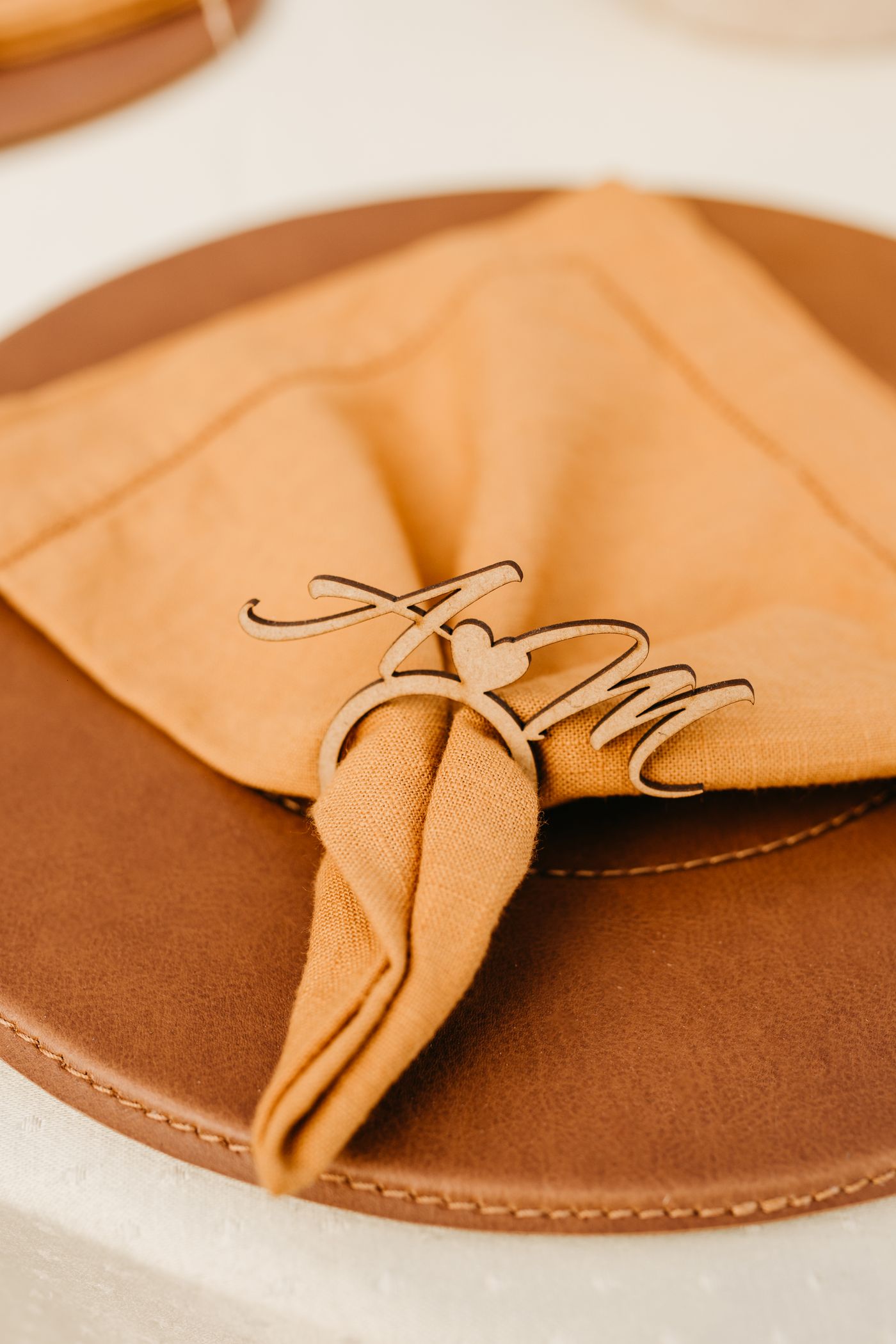
If you already own appropriate napkin rings, test one with the chosen textile and arrangement. The opening needs to accommodate the gathered fabric without forcing or damaging it. A similar-looking ring in an image is not evidence that your thicker napkin will fit.
Check that the napkin can be removed easily at the table. A very tight arrangement can make the first action of the meal awkward, particularly if guests must pull firmly while other objects are nearby. Keep handling straightforward.
Do not introduce an improvised ring simply because the group wants every fold to match a reference picture. A simple folded napkin can be a complete arrangement. Accessories should solve a real visual or practical preference without creating another storage purchase.

Where household members have different needs or preferences, allow a simpler setting. The meal should remain comfortable to use. Matching decorative complexity is less important than making the napkin easy to find and handle.
Divide the work after choosing the method
Once the fold and position work, show the agreed steps slowly with one example. Let each participant try a separate napkin. Ask where a step becomes unclear instead of correcting the final result without explanation.
Choose a modest standard the group can maintain. Similar overall size and a usable position may be enough. Differences in a soft edge or the exact angle of a fold do not require restarting every piece.
If one person prefers counting, stacking, or placing rather than folding, include that role in the handoff. Our family table-setting handoff guide helps make the wider meal-preparation responsibilities clear. A folding rehearsal should support that work instead of becoming a bottleneck.
Set a stopping point before the session expands. You might prepare the required settings and a small appropriate allowance for the actual guest plan. Do not open and refold an entire stored collection just because the practice went well.
Keep prepared napkins ready for the meal
Choose a suitable clean holding position that preserves the arrangement without trapping the napkins under heavy objects. Follow the textile’s storage needs and account for anything that would make the prepared folds unsuitable by mealtime.
Keep finished and unfinished pieces distinguishable. If a child wants to try another technique, let that happen with an available practice piece rather than silently taking apart the completed settings. Shared work is easier to maintain when everyone knows which pieces are ready.
If the guest count changes, adjust the required number before duplicating more folds. A smaller meal may need fewer napkins, and extra decoration is not a reason to crowd the table. Keep the arrangement responsive to the people actually coming.

Connect the rehearsal to serving and cleanup
Talk through who places the napkins and when the table needs to be clear for other preparation. During a small-room potluck, arriving dishes and containers create their own movements. The table detail should fit around those real handoffs.
After the meal, collect used textiles through the appropriate care routine rather than returning them directly to the prepared stack. Keep any rings or other reusable accessories together and ready for their own permitted care.
Ask the family which part of the arrangement was worth repeating. You may keep the simple rectangle, choose one special fold for a smaller occasion, or return to plain placement next time. The rehearsal has done its job if it made that choice clearer.
A useful holiday table is one people can prepare, sit at, and clear without confusion. Let the napkin contribute a manageable detail, and keep the shared meal at the center of the plan.
Explore related decisions in our Family Home hub.
Sources and editorial scope
Editorial research checked October 28, 2026. Published trend reports are context for these editorial applications, not verified live keyword rankings. Practical household guidance; photographs do not document a tested household or authenticate pictured materials.