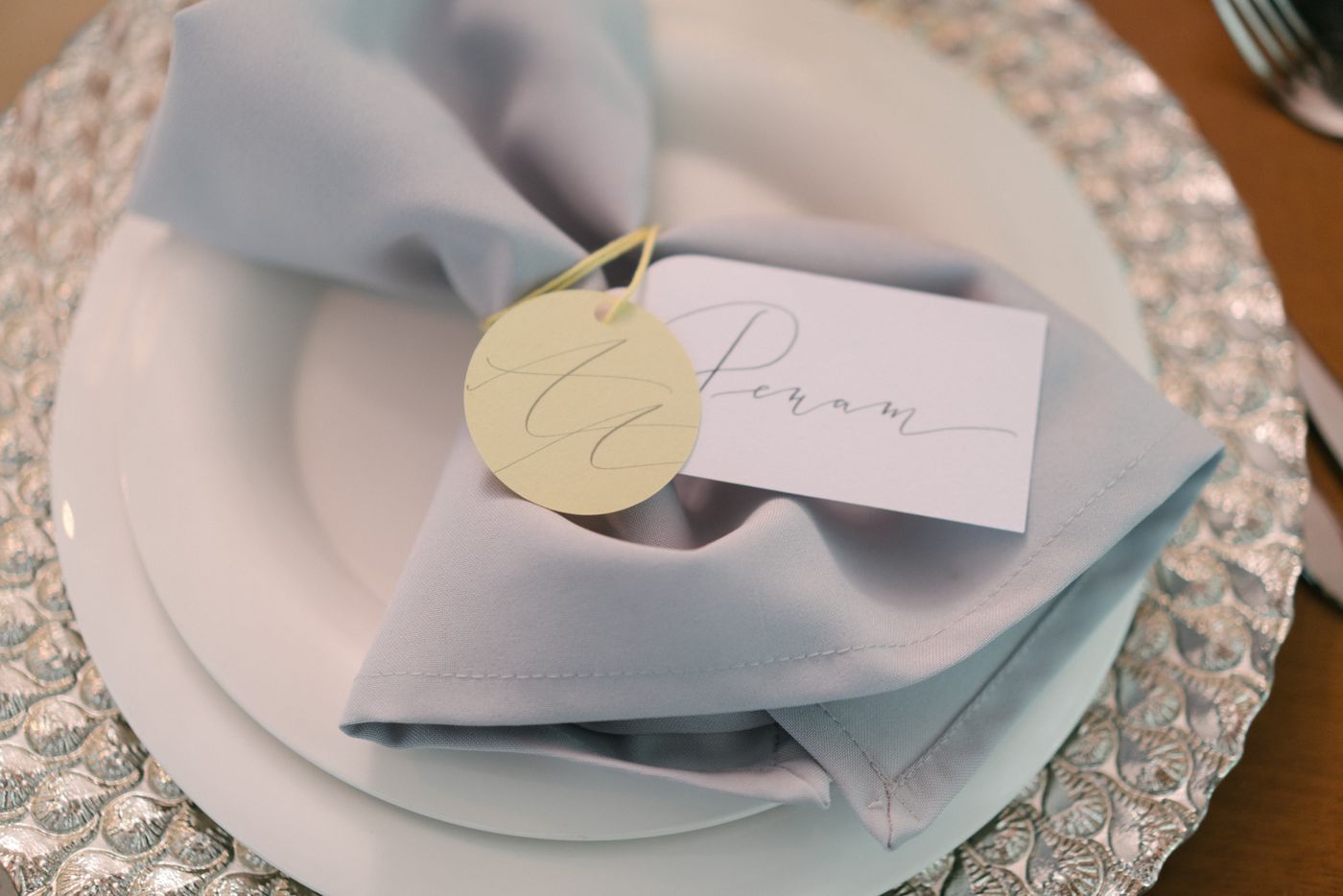
Use place cards as movable seat decisions. Write the public names only after you have checked the guest list, keep seating preferences on a private working sheet, and leave a few blank cards for changes. That approach works better than finishing an elaborate table days before the people attending are certain.
Etsy’s October 14, 2026 Table Dressing direction includes place cards. This guide develops a flexible naming and seating process for a dinner shared by several households. It does not establish demand for a particular organizer or card holder.
You do not need a wedding-style seating chart for six or eight people. You do need a clear answer to whose name is on each card, which seat that card belongs to, and who will make the last adjustment when someone cancels or brings an agreed guest.
Make one working guest list
Choose one place for confirmed names. A sheet of paper is sufficient; a shared note can work if the people helping actually use it. Record each person separately rather than writing “the Martins, four.” Individual names prevent one household from disappearing into a group label when the seating changes.
Ask how guests would like their names displayed if you are uncertain. Use the name they give you, and check spelling before decorating the card. Do not infer a preferred name from an email address, legal document, or social profile. For two guests with the same first name, agree a friendly distinction that feels natural to both.
Keep attendance status separate from seating. A tentative guest can remain on the working list without receiving a finished place card. Set a reasonable point to confirm numbers before shopping or setting out tableware, while recognizing that ordinary last-minute changes can still happen.
Keep private needs off the visible cards
Ask privately about practical seating needs that matter to the guest. They may prefer an easy route out, a particular chair, a place beside a companion, or distance from a busy doorway. Record the minimum you need to arrange the room. You do not need to store the personal explanation.
Never print a health condition, accommodation, family concern, or food restriction on a place card without the guest’s explicit agreement. A card is visible to everyone at the table. Keep private planning notes away from the public display and delete or discard them after the event when they are no longer needed.
If the group includes children, check with the responsible adult rather than automatically placing every child at a separate end. The useful seat is the one that works for that child and the adults involved. A beautiful arrangement that makes assistance difficult is a poor seating plan.
Count usable chairs before assigning names
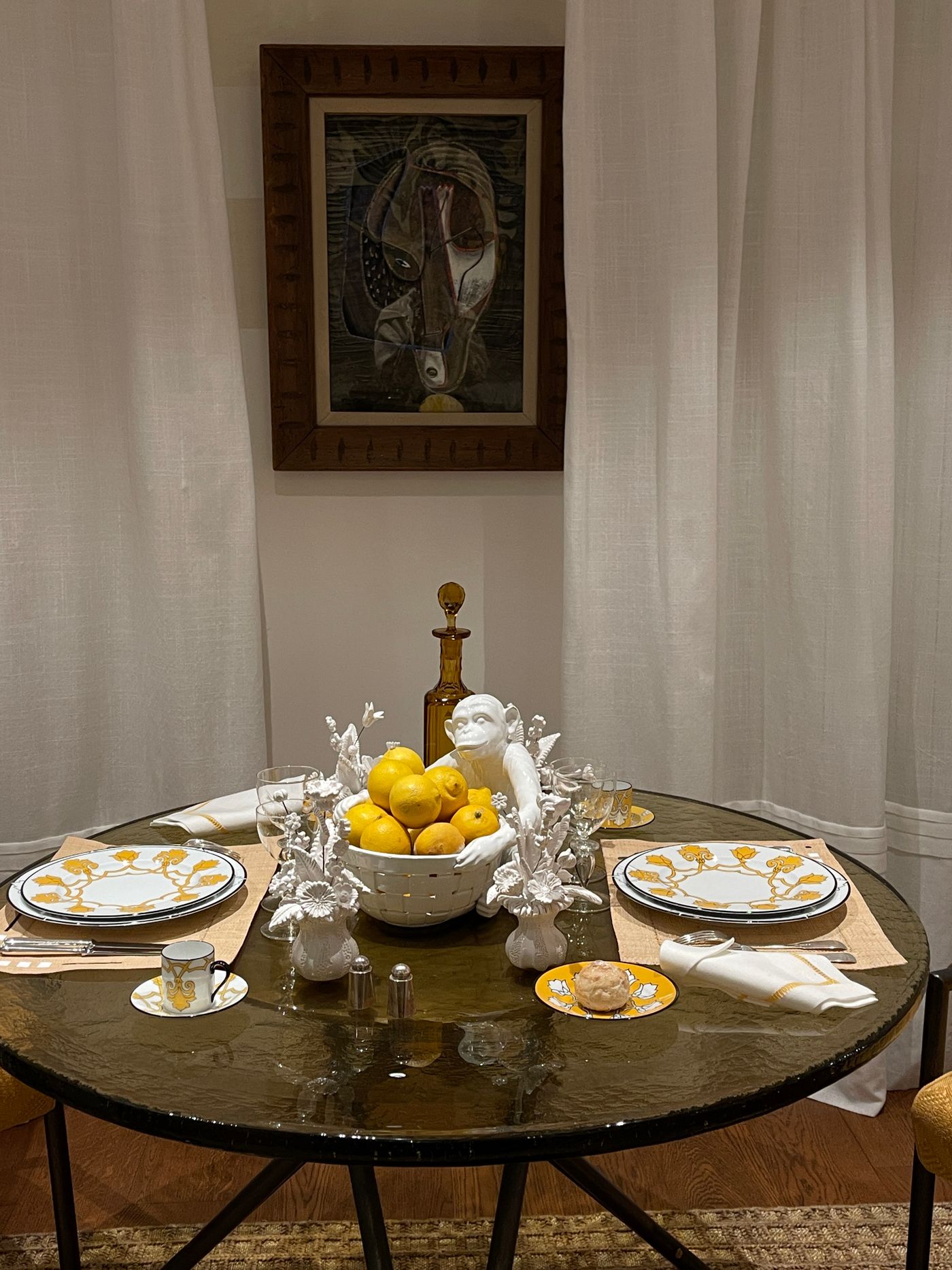
Set the table and chairs in their real positions. Check whether every place has room for a plate, a comfortable sitting position, and the ordinary movement needed during dinner. An empty corner is not automatically another place setting. A stool borrowed from a desk may change both comfort and available clearance.
Try the room with the chairs pulled out as well as pushed in. If one guest needs an easier route, reserve that usable position before balancing conversation groups. Do not rely on someone squeezing behind a seated neighbor throughout the meal. It is better to change the serving arrangement or guest format than to disguise an unusable seat with a card.
Keep spare tableware nearby without covering the seating work surface. If the room’s furniture is already overloaded, our comparison of dining-room storage options helps distinguish everyday storage needs from one evening’s temporary setup. A dinner does not automatically justify a new sideboard.
Use a plain movable draft
Write names on scraps or reusable notes first. Place them directly at the intended seats and move them around before making final cards. Walking around the actual table often reveals awkward chair access or a visual obstruction that a small drawing would miss.
Consider relationships without turning the evening into a forced social experiment. Keep support partners together where requested. Mix familiar and less familiar people gently, and avoid publicly explaining why somebody has been assigned a particular place. If there is a known conflict, handle it discreetly with the people involved instead of making a joke of the seating.
Check how serving will work. A guest seated at the room’s narrowest point should not also be expected to fetch every dish. If the host must move repeatedly, choose a position that allows it. Our review of compact cutlery storage addresses the everyday drawer; for the event itself, set the required flatware out before the seating draft becomes crowded with supplies.
Make names readable from the approach
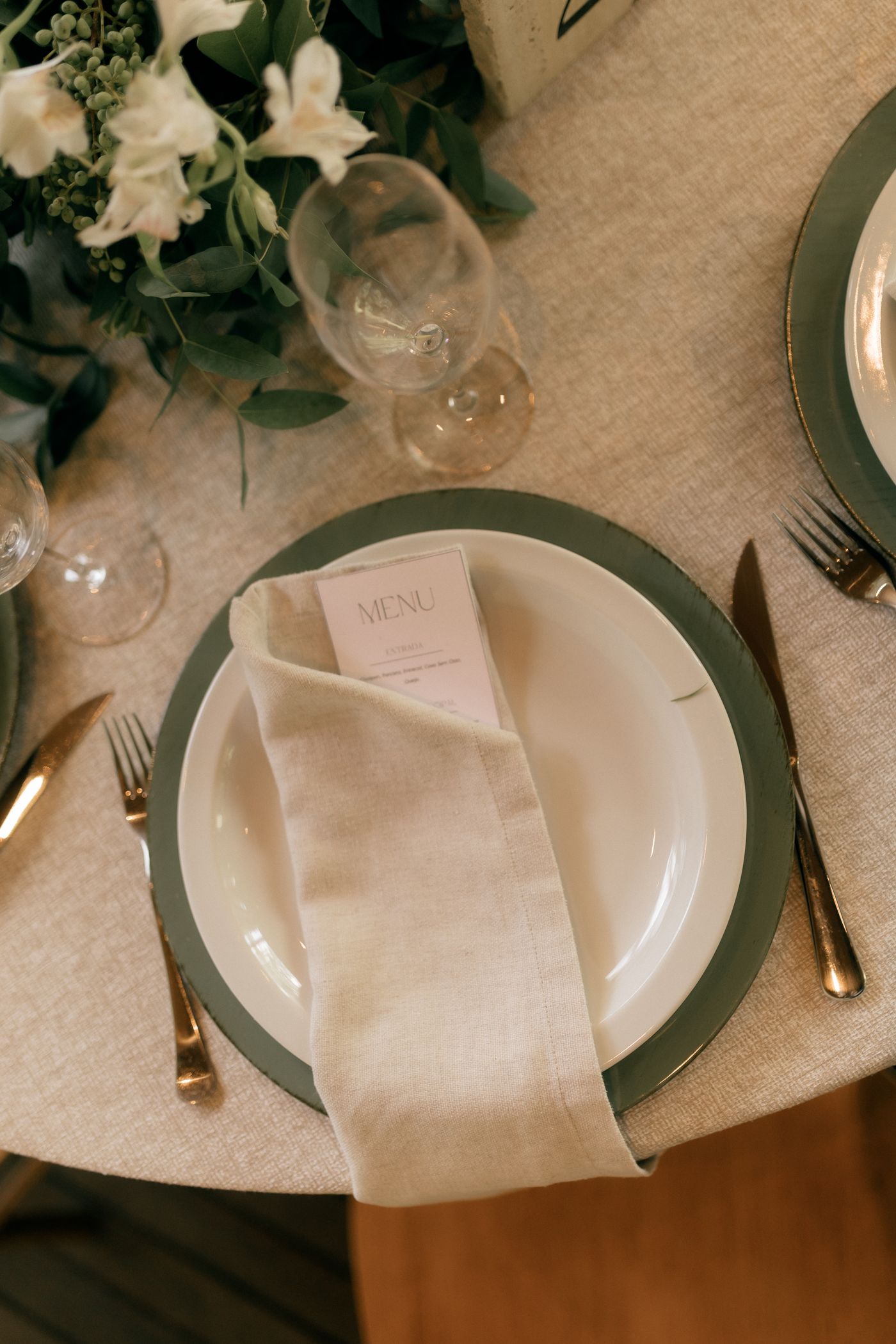
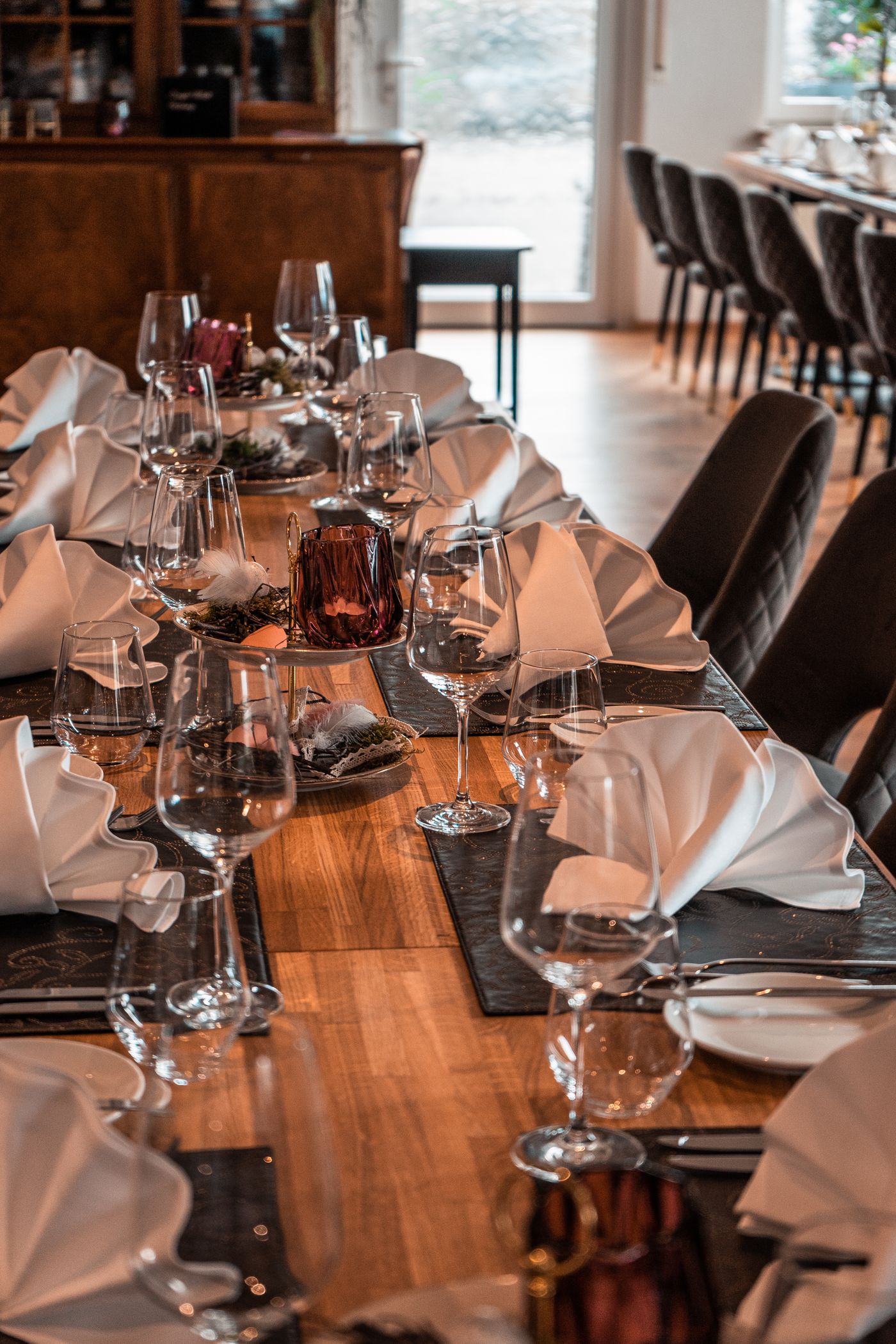
Choose a simple card shape that stays in place on the actual table surface. A folded card can be enough. If you use a holder, test that it supports the card without leaning into a glass or sliding across a smooth plate. There is no need to buy a matching set if the cards already stand reliably.
Keep lettering clear and contrast strong. Decorative handwriting that the writer can decipher may still be difficult for a guest approaching under evening light. Write a sample name, set it at the far side of the table, and read it from the normal approach. Increase the lettering before adding more ornament.
If the card will be picked up as a keepsake, keep its useful face simple. Date, host message, or small decoration can go elsewhere. Avoid attaching loose glitter or delicate trim that will shed onto tableware. A readable name and a stable position do more for the arrival than several layers of embellishment.
Store the set in seating order
Once the plan is settled, collect the cards in a consistent sequence around the table. Place them in one shallow envelope or small box with the first position identified on the private working sheet. Keep blank cards and the same pen in that container so an amendment does not require searching the whole room.
Decide which person owns the final change. If three helpers each move cards to improve conversation, the working list and the table can drift apart. One person can accept suggestions and place the final set. Others can handle tableware, drinks, or coats without also editing the seating.
Use a temporary space within your existing storage limit. Our capacity-ceiling method is useful if event supplies keep growing between dinners. The place-card kit should fit the number of guests you actually host rather than a theoretical future banquet.
Handle a cancellation without leaving a conspicuous gap
Remove the absent guest’s card before people arrive if possible. Recheck the remaining chairs and serving spaces, then decide whether to close the gap or leave the furniture as it is. Do not simply transfer every person one seat clockwise if that disrupts an agreed practical need.
If a guest cancels very late, the host can make a quiet adjustment. A short explanation such as “we have moved this place to give everyone a little more room” is enough when an explanation is needed at all. Avoid announcing private reasons for an absence or inviting speculation around the table.
For a newly agreed guest, confirm there is a genuinely usable chair before writing the extra card. Change the room arrangement or meal format if necessary. A spare card solves a naming problem; it does not create the physical space needed for another diner.
Make finding the place feel welcoming
Put the cards out after the rest of the table is settled. Check that flowers, folded napkins, menus, and glasses do not hide them. If someone cannot easily read their card, offer ordinary personal help rather than drawing attention to the difficulty. The purpose is to reduce uncertainty on arrival.
Stay flexible once people sit down. A guest may discover that a chair or position does not work for them. Offer a discreet swap and update the practical arrangements around it. The card is a useful guide, not an obligation to remain uncomfortable throughout dinner.
Close the system after the meal
Offer guests their cards if they would enjoy keeping them. Reuse undamaged holders, collect blank stock, and discard working notes containing personal information. Keep only a small record of what helped, such as “move serving bowl off the narrow end.” That is more useful next time than retaining a detailed explanation of every seat.
Return reusable parts to the same small container as your gift-wrap and party supplies, provided they are separated from items that could bend or stain them. If the container has grown, edit it before adding more card styles. A successful dinner leaves you with a compact reusable kit and a better understanding of the room, not a permanent archive of everyone’s place.
Explore related household decisions in our Home Organization hub.
Sources and editorial scope
Editorial research checked October 15, 2026. Trend-report dates and limitations are stated in the article; these are editorial applications of published signals, not verified October keyword rankings. Practical household guidance; illustrations do not document a tested household or authenticate a pictured material.