Small dining areas are rarely used only for dining. The table collects homework, laptops, craft supplies, unopened mail, serving dishes, chargers, and the objects that need to move somewhere before dinner.
This is why dining storage can be genuinely useful. It can also make the room too tight to use.
A sideboard, storage bench, and wall shelves solve different problems. The right choice depends on what needs to leave the table—and whether the storage piece preserves enough room for chairs and people. For a related step-by-step approach, see Paper Files vs. Digital Records in a Small Home: What Should You Actually Keep?.
Start with chair clearance
Before thinking about storage capacity, pull every chair out as if people were sitting down. Walk behind the chairs. Open nearby doors. Carry a plate through the route.
Mark any proposed furniture depth with tape. A sideboard that fits the wall may still fail when a chair backs into it.
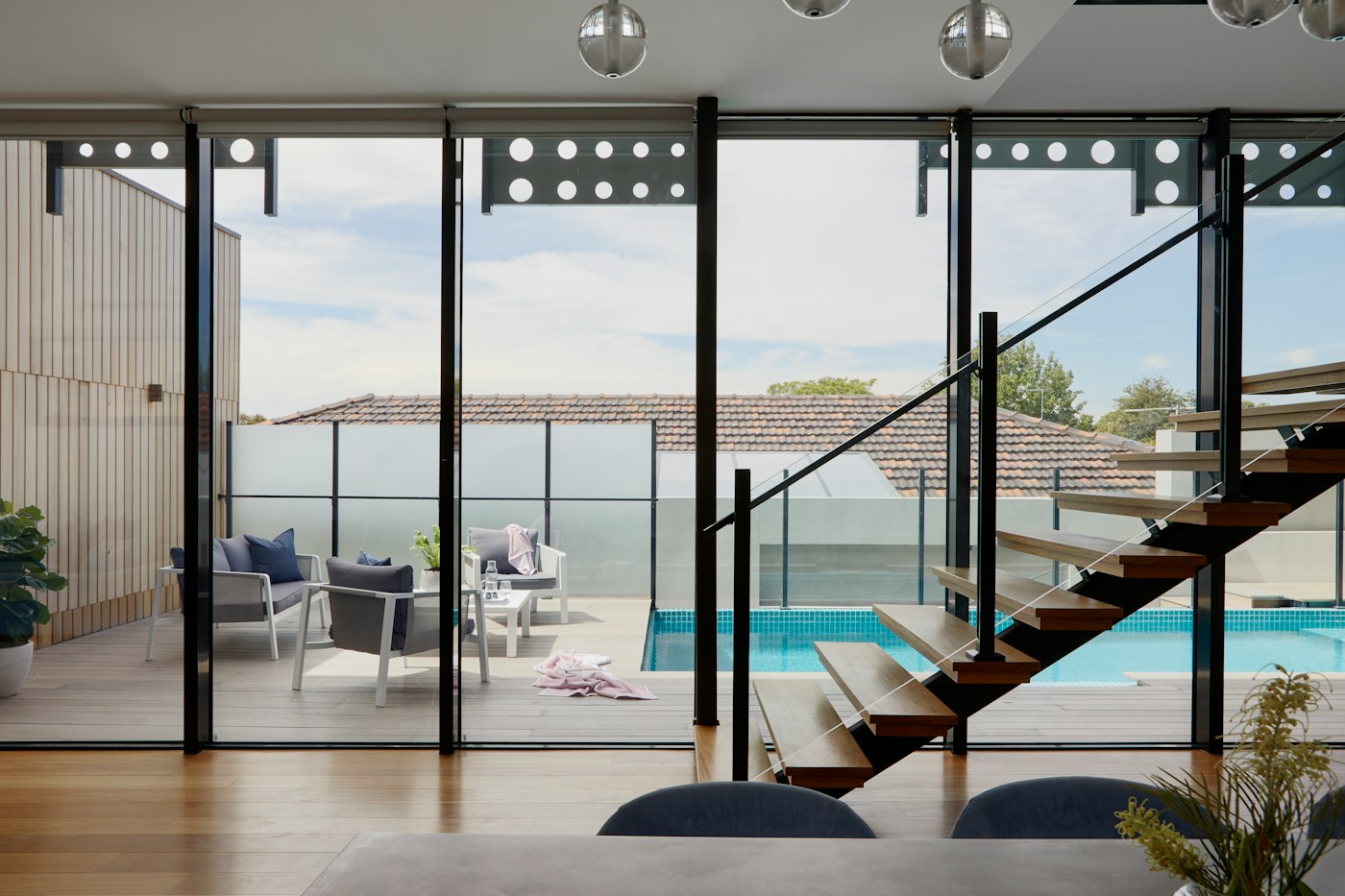
Option 1: the sideboard
A sideboard provides closed storage plus a useful top surface. It can hold serving pieces, table linens, board games, family papers, or homework supplies while keeping the dining table clear.
Where it performs best
- there is one uninterrupted wall,
- visual clutter is a major concern,
- serving or dining supplies need a permanent home,
- the tabletop often becomes a staging area.
Where the sideboard fails
The piece can be too deep for a narrow dining area. It also creates a second horizontal surface, which may become another drop zone if the household does not assign the top a clear job.
Large sideboards can encourage formal-dining inventory—extra dishes, serving trays, table linens—that the home rarely uses.
Option 2: the storage bench
A storage bench can combine seating with hidden capacity. That is powerful when the room genuinely needs both.
Where it performs best
- one side of the table already uses bench seating,
- the household needs occasional extra seating,
- bulky but light categories need storage,
- the bench can stay against a wall without blocking traffic.
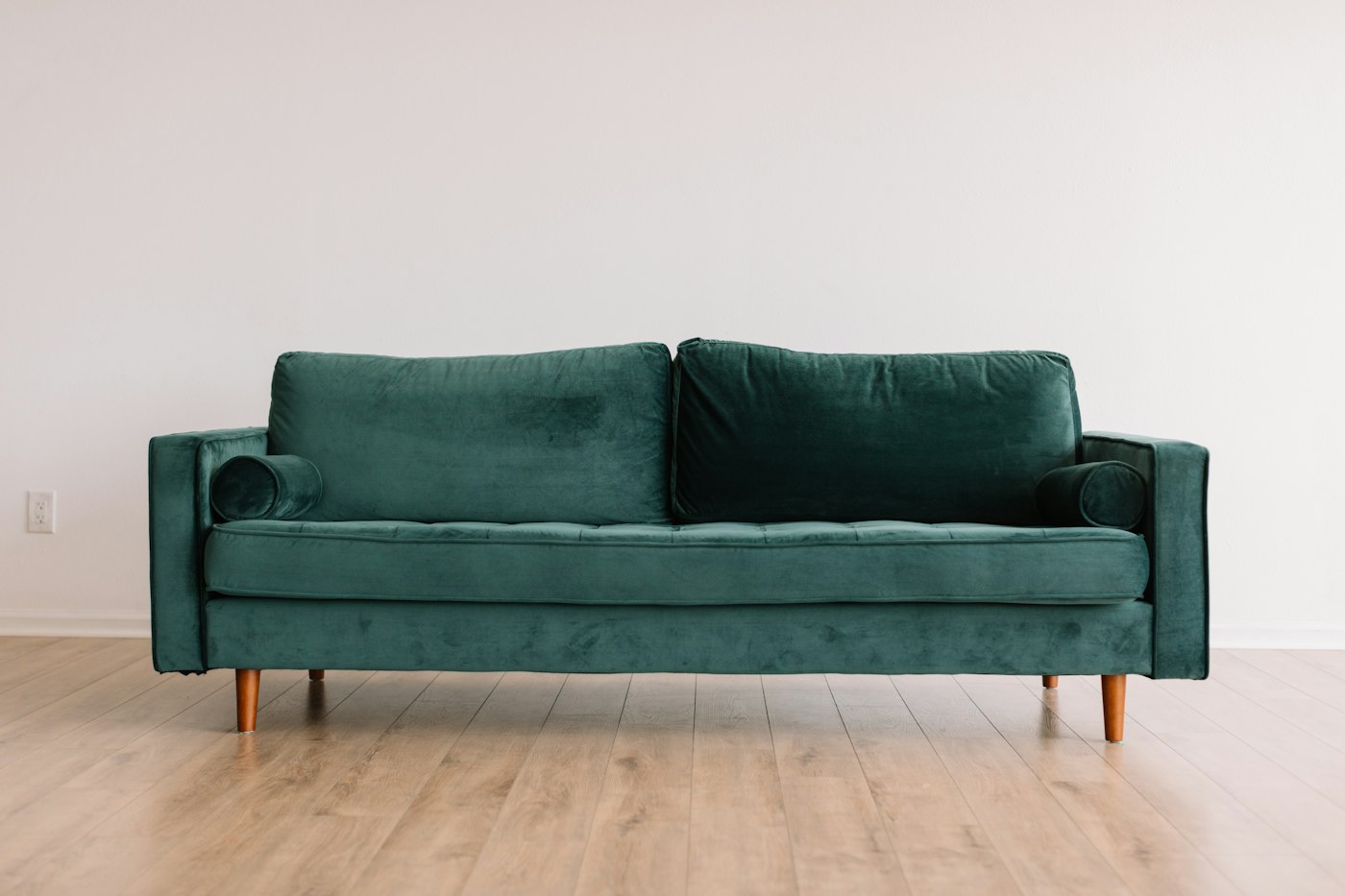
Where the storage bench fails
A lift-top bench can be awkward if the table blocks the lid. Deep bench compartments can also hide mixed categories.
If nobody wants bench seating, buying it only for storage is a weak trade. You are adding a large furniture footprint to avoid solving a category problem elsewhere.
Option 3: wall shelves
Wall shelves preserve floor space and can use vertical height. They work well for a small number of attractive or frequently used objects.
Where they perform best
- floor width is extremely limited,
- the categories are light and edited,
- the household needs display plus function,
- the wall can support installation appropriately.
Where wall shelves fail
Visible storage can make a dining area feel permanently active. Craft bins, school supplies, papers, and mixed household objects may be organized but still visually noisy.
Wall shelves are also less flexible for renters if installation is restricted.
The table-reset question
The strongest dining storage solves the objects that regularly block meals.
If homework supplies are the issue, the storage needs to accept a complete homework kit quickly. If mail is the issue, the dining room may be the wrong long-term location altogether. For a related step-by-step approach, see Where to Store Home Workout Gear in a Small Living Room Without Creating a Trip Hazard.
The guide to making a small dining area work for meals, homework, and crafts is useful because the room’s storage should support transitions between functions.
Serving pieces need honest limits
A dining cabinet can quickly fill with platters, bowls, glasses, and linens used only a few times a year.
Ask whether those items deserve prime dining-room storage or whether low-frequency pieces can move to secondary kitchen or closet storage.
Do not size the sideboard around every serving object the household has inherited.
Family paperwork does not automatically belong here
Because the dining table is large and central, paper often lands there. A sideboard drawer can hide the pile, but that may delay decisions rather than solve them.
If paper is the recurring clutter source, use the weekly paper and bill reset instead of turning dining furniture into a filing cabinet.
Compare visual weight
Sideboard: largest visual block, strongest hidden storage.
Storage bench: lower visual height, but substantial floor footprint.
Wall shelves: lightest floor impact, highest visible inventory.
The room needs balance between physical and visual capacity.

What changes when children use the table?
Children benefit from easy-access storage for current homework or art supplies, but dining storage should not become a full craft room.
A portable kit or one shallow drawer can be more efficient than a large cabinet of materials.
What changes when you host?
If the table expands for guests, storage placement must preserve that expansion route. A bench may provide extra seating. A sideboard may support serving. Wall shelves may contribute little to hosting but preserve floor space.
If extra furniture appears only when guests visit, see how to store folding tables and extra chairs in a small home rather than keeping the dining room permanently crowded.
A rental-friendly perspective
Freestanding sideboards and benches move more easily between homes. Wall shelves may fit the current room perfectly but depend on installation rules and future wall dimensions.
For renters who move often, modular furniture with a clear secondary use can be more resilient than a highly specific built-in-looking setup.
The hybrid combinations I like
Small sideboard + no wall shelves: best for visual calm and multipurpose table use.
Bench + one narrow picture ledge: useful when seating and a small display area are both needed.
Wall shelf + portable homework caddy: best when floor space is too tight for furniture.
A buying test
- What category must leave the table?
- Does this furniture replace a real need or add another piece?
- Can every chair still move normally?
- Will the storage still work when the table expands or guests arrive?
- Can the category be reset in under a minute?
If not, the storage is probably too complicated for the room.
What changes when the dining area is part of the living room?
Open-plan dining areas need storage that reads as part of the shared room. A bulky sideboard can visually divide the space in a helpful way, but it can also make a small combined room feel over-furnished. In that case, a lower, shallower piece or one restrained shelf may be enough.
I would compare the dining storage with living-room furniture before buying. Two separate storage walls in one open room may create more visual mass than either zone needs. You may also find Open Media Console vs. Closed TV Storage: Which Is Easier in a Small Living Room? useful for a closely related small-home problem.
What changes when the dining table is used for work every day?
Daily work creates a high-turnover category: laptop, notebook, charger, headphones, papers. The best dining storage should accept that entire work kit in one motion so dinner does not require relocating objects to three different rooms.
A shallow sideboard drawer, portable work box, or dedicated cabinet section can work better than open shelves because the room needs a visible transition from work to meal mode.
Protect the tabletop from becoming overflow storage
Dining storage is successful only if the new sideboard or bench reduces what lands on the table. If the new furniture fills immediately and the table remains cluttered, the household gained storage capacity but not a better system.
Use the 20-minute storage test before adding another piece to confirm which category is actually causing the overflow.
Serving surfaces need rules too
The top of a sideboard can support serving during meals or hosting, but it should not become permanent decor plus mail plus charging plus school papers. Leave enough surface available for the function that justified the furniture in the first place.
Use the room more heavily before buying more storage
If you are unsure which system fits, spend a week intentionally resetting the dining table after each use and noting what has nowhere to go. The repeated homeless category will tell you whether you need drawers, a bench compartment, a wall shelf, or simply a portable caddy.
My expert conclusion
Choose a sideboard when hidden storage and a serving surface justify the wall depth. Choose a storage bench when seating and storage are both genuine needs. Choose wall shelves when floor space is the dominant constraint and the visible inventory can remain tightly edited.
For the smallest dining areas, I would protect chair clearance before adding any storage. The table needs room to function more than the room needs another cabinet. For a related step-by-step approach, see How to Measure a Small Dining Area Before Buying a Table: Chairs, Walkways, Leaves, and….
Dining storage succeeds when it helps the table return to meal mode quickly—without making the room harder to sit in.