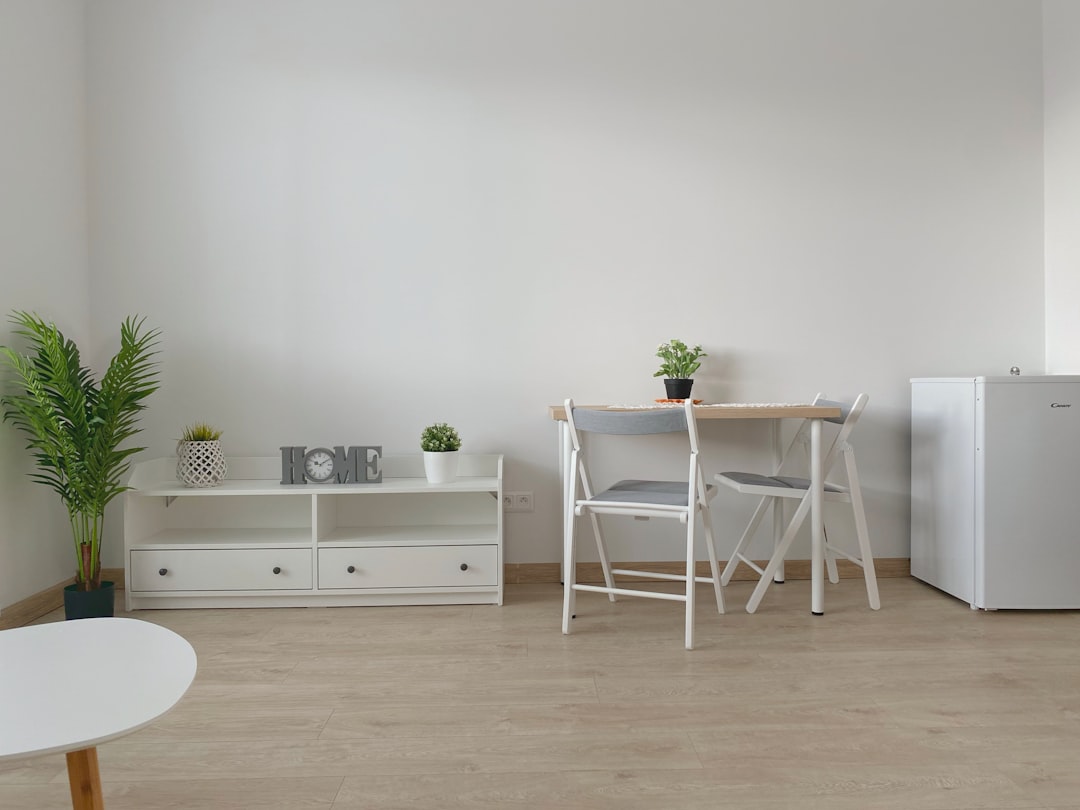
Extra chairs and folding tables solve a real problem: sometimes more people need to sit than your everyday furniture can handle.
The trouble is that “occasional” furniture often ends up living in a hallway, behind the sofa, or beside the dining table all year. For the broader setup, How to Make a Small Dining Area Work for Meals, Homework, and Crafts is a useful next read.
The best approach is to treat it as low-frequency equipment.
Decide how many extra seats you actually use
Do not store six folding chairs because six might fit somewhere. Think about the largest gathering that happens often enough to plan for. If you are working on the same space, Where to Store a Vacuum, Mop, and Cleaning Tools in a Small Apartment covers the next decision in more detail.
If bigger gatherings are rare, borrowing or renting additional seating may make more sense than storing it year-round.
Measure the furniture while folded
Record the folded height, width, and depth of the table and chairs. Include handles, feet, and any hardware that sticks out.
Then measure the route to the storage location—not just the final space.
Choose low-frequency storage, not prime floor space
Possible locations include:
- a hall closet side wall,
- behind a bedroom door if safe and practical,
- under a bed if dimensions allow,
- a utility/storage room,
- a secured wall rack appropriate to the weight and structure,
- behind a sofa only if it does not interfere with ventilation, cleaning, or circulation.
Store chairs together
Extra chairs are easier to retrieve when they live in one stack or one vertical zone. Scattering one chair into each bedroom makes the category harder to manage. For a related step-by-step approach, see How to Turn a Small Living Room Into a Guest Sleeping Area for One Night.
Protect walls and floors
Folded metal legs and table edges can scratch finishes. Use appropriate pads, feet, or a storage method that prevents repeated impact.
Keep hardware with the furniture
If the table uses clips, extensions, braces, or separate parts, store those pieces in a labeled bag or container attached to or beside the furniture.
Do not use folded furniture as a shelf
Once boxes, bags, or laundry are stacked on top, retrieving the chairs becomes a project. Keep the storage zone accessible enough that occasional furniture can actually remain occasional-use equipment. You may also find How to Create a Small Hobby or Craft Zone That Packs Away When You’re Done useful for a closely related small-home problem.
Make sure storage is stable
Heavy folded furniture should not be balanced where it can fall. Use storage methods appropriate to the item’s weight and manufacturer guidance.
Create a post-gathering return routine
After guests leave:
- wipe furniture as appropriate,
- let any damp surfaces dry,
- check hardware,
- fold completely,
- return all chairs together,
- clear the everyday room immediately.
Use multipurpose furniture only when it replaces something
A storage bench or extendable table can be useful, but adding another large piece to “solve” occasional seating may make the daily room more crowded.
For flexible room planning, see How to Make One Small Room Work for Two or Three Purposes.
Keep the dining area focused on everyday use
Do not let extra chairs sit around the daily table if they are rarely used. Fewer everyday chairs can improve circulation in a tight room.
If you live in an apartment
Prioritize compact, fold-flat furniture only if you already have a realistic storage location. The ability to fold is not useful when the folded item still has nowhere to go.
Frequently asked questions
Where can I store folding chairs in a small apartment?
Use a stable low-frequency zone such as a closet side, under-bed area, utility space, or appropriate wall storage where the folded dimensions fit.
How many extra chairs should I keep?
Keep the number that matches your realistic recurring needs, not the maximum number you could theoretically host.
Is an extendable table better than a folding table?
It depends on the room, storage, and how often you need extra dining capacity. Measure the everyday footprint first.
Occasional furniture should disappear from daily life
The point of folding furniture is not simply that it folds. It is that it can leave prime floor space when the event is over. Give it one measured, stable parking zone and return it there promptly.