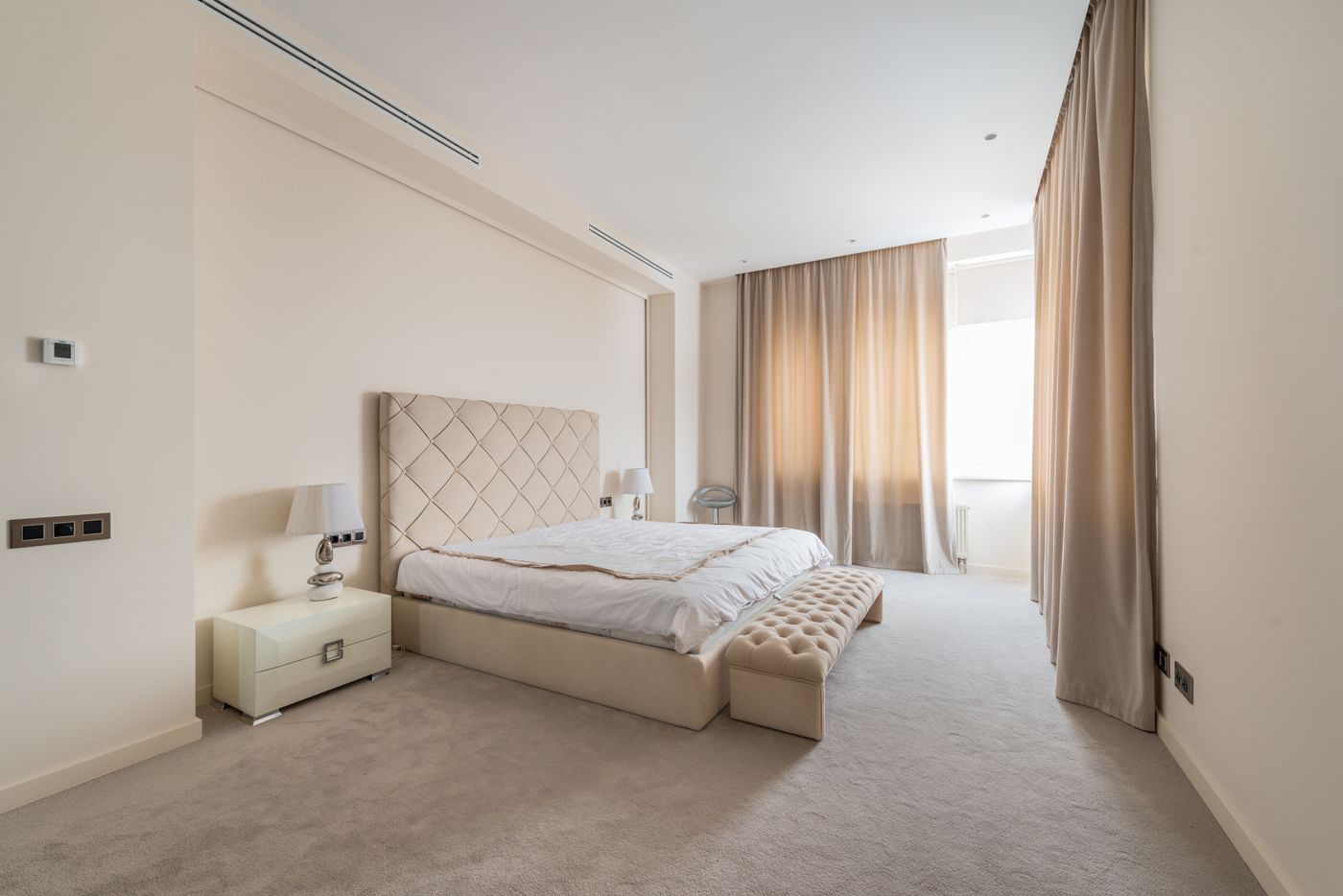
A bedroom bench earns its space when it makes a real dressing task easier. It may provide a place to sit while putting on socks, a brief landing place for the clothes you are about to wear, or a convenient pause beside a wardrobe. Those benefits depend on the person, the seat, and the room. An empty strip at the foot of a bed is only the beginning of the decision.
Houzz’s fall 2026 report describes homes designed around personal routines and changing needs. This guide applies that direction to a modest furniture choice. It does not assume a bench improves every bedroom or that the pictured rooms prove a particular clearance. Try the intended daily action before buying additional seating or hidden storage.
Name the dressing task before the furniture
Think about the moment when an additional seat would help. Is it a morning task beside the wardrobe, an evening change of clothes, or a place for one person to sit while someone else uses the bed? These are different reasons for adding furniture. A bench placed for symmetry at the bed end may be poorly located for the task you actually named.
Choose one primary use and describe it plainly. “Sit to put on socks after opening the wardrobe” gives you something to test. “Make the room feel finished” is a decorating preference, but it does not establish the furniture’s functional value. You can respect the preference while still checking how much floor space it will consume.
If the wider problem is access to clothes rather than a missing seat, begin with our comparison of bedroom storage options. A new bench may add another compartment without improving the wardrobe you already struggle to use. The most useful purchase could be no purchase after the existing dressing sequence becomes clearer.
Check a real seat rather than sitting on a placeholder
Use the dimensions of a candidate bench to study floor space, but do not sit on boxes, improvised supports, or furniture that is not intended for seating. An outline or harmless floor marker can help visualize placement; it cannot tell you whether the actual bench is comfortable, stable, or suitable for the intended user.
Where possible, assess a proper seat with its stated dimensions and maker instructions. Consider seat height, usable width, surface, and the support you need when sitting and standing. If you need particular mobility or accessibility support, seek an appropriately specified solution. A decorative bench is not automatically a substitute for purpose-designed support furniture.
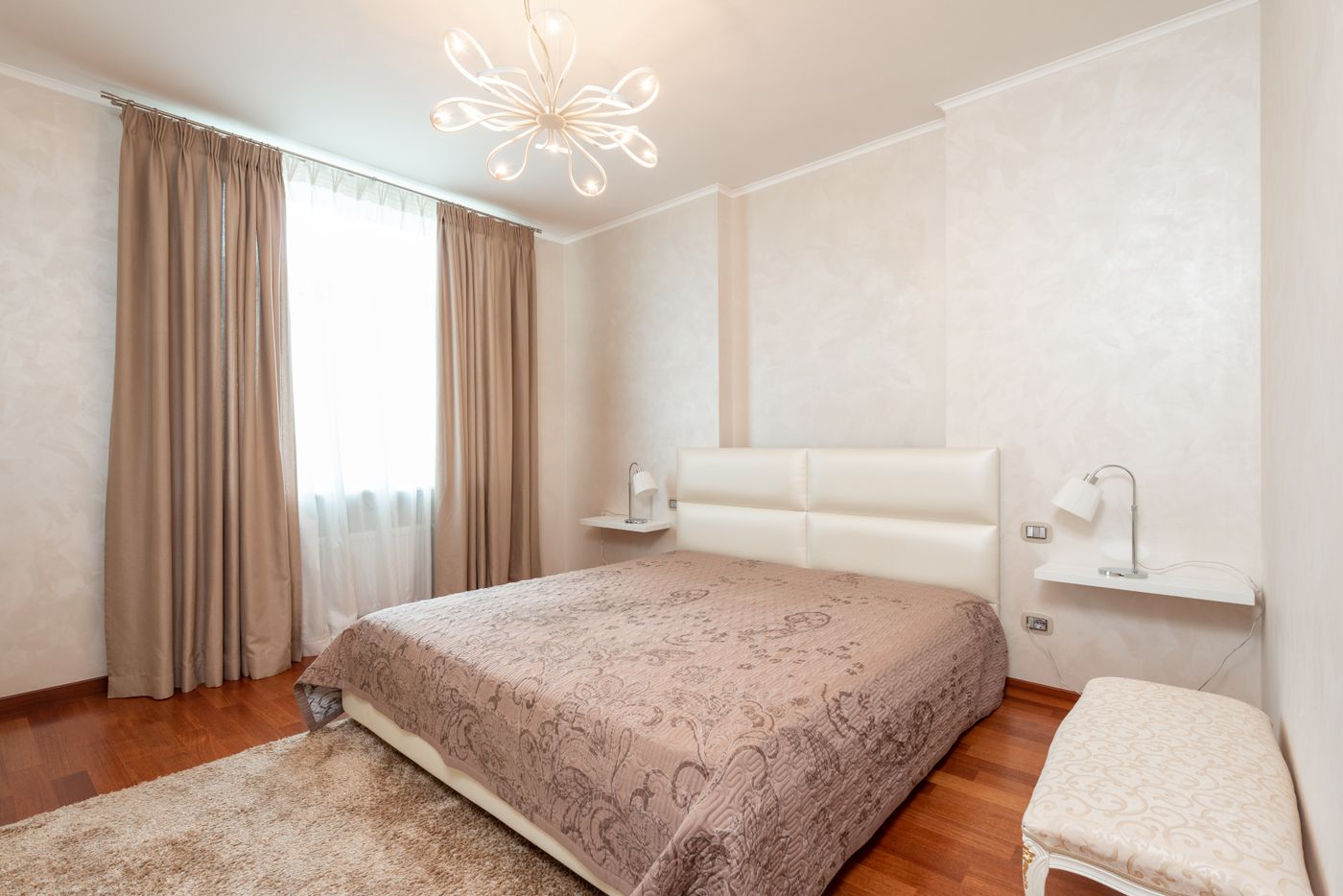
Keep the comparison personal and practical. A low upholstered seat can look generous while requiring a movement you dislike. A firm narrow bench may suit one person and feel awkward to another. Neither a listing photograph nor a designer’s room arrangement can establish how a particular household member will use it.
Include the occupied space in the room plan
The bench’s listed footprint describes the furniture, not the person sitting on it. Consider where feet, knees, clothing, and a helper would be during the task. Can somebody else still reach their side of the bed? Can you open the wardrobe before sitting, or does the seat force an awkward sequence of moving, opening, and moving back?
Our bedroom door-swing guide helps check the openings involved. Include drawers and wardrobe doors as well as the room entrance. A piece of furniture can fit between closed surfaces and still interfere with the action that happens there every day. Assess the room in use, not only in its neatly closed state.
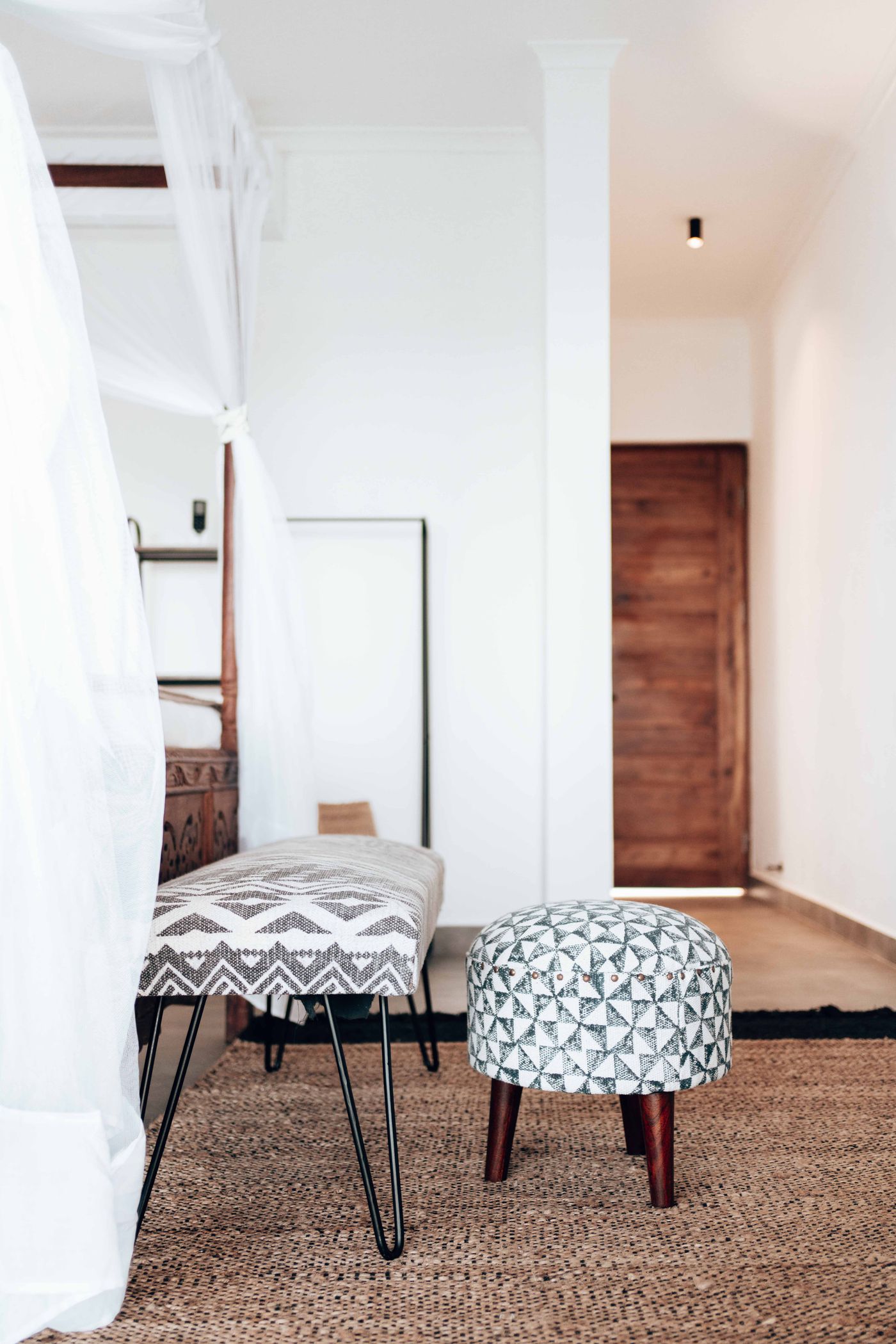
Leave the route comfortable for the actual people and the way the room is used. Avoid treating a general online measurement as an accessibility guarantee. If the space already feels tight without the bench, a new upholstered rectangle is unlikely to make the same passage feel easier. Choosing a different position or skipping the furniture can be the more useful outcome.
Compare the bed end with the wardrobe side
At the foot of the bed, a bench may be easy to find and share. Beside the wardrobe, a smaller suitable seat may connect more directly to dressing. Test both arrangements on paper with the actual dimensions, then consider the rest of the room. The clearest view from the doorway is not necessarily the best place to complete the task.
Check the relationship to a full-length mirror if you use one while dressing. Our mirror-placement guide can help preserve the standing area and sightline. You should not have to stand on or lean over a bench to obtain the reflection you need. The mirror and the seat can support different stages of dressing without competing for the same patch of floor.
Consider ordinary room care too. Will you be able to reach beneath the bench or move it as its maker permits? Does its position make bed-making awkward? A furniture choice that helps for one minute each morning may still be worthwhile, but it should be judged alongside the repeated tasks it introduces.
Keep the dressing seat available for dressing
Decide what may temporarily rest on the bench and when it must leave. Clothes for the next dressing session, rewearable clothes, dirty laundry and items needing repair have different destinations. A larger bench does not resolve those unfinished decisions.
When clothing repeatedly occupies the seat, trace its next step. Use the door-and-dresser plan to check whether access to the proper storage is the underlying obstacle. A bench should not become a substitute drawer because the real drawer is difficult to use.
Compare seating and storage as separate decisions
| Trial result | What it tells you | Next decision |
|---|---|---|
| The seat helps, and the occupied route works | The routine supports having suitable seating here | Compare appropriate seats and their maker instructions |
| The furniture fits, but knees or feet block the route | The closed footprint understated the occupied area | Try a different position or a smaller appropriate solution |
| The seat works, but its lid or drawers cannot open conveniently | Seating value does not establish useful storage | Consider a seating-only option or another contents location |
| Clothes cover the seat before each use | The clothing return routine remains unfinished | Resolve those destinations before adding another compartment |
For a storage bench, record what the lid or drawers need to open, where you stand and whether bedding must move. Compare the proposed contents with their current home. The bedroom storage comparison helps when the real need is clothing access rather than another seat.
Check delivery and assembly requirements before buying. Keep the trial to the intended seating task and properly specified furniture; a floor outline cannot establish comfort or load suitability.
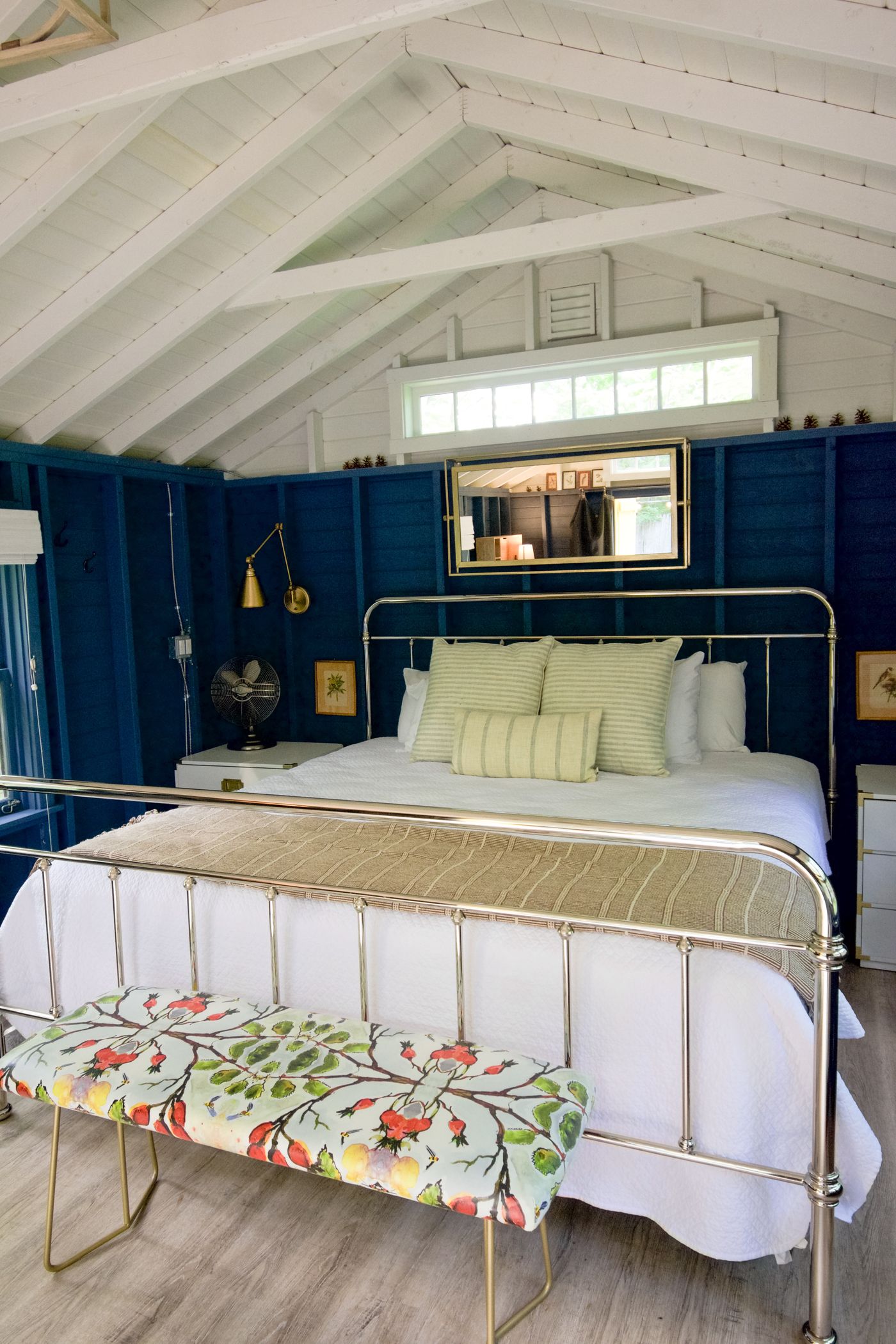
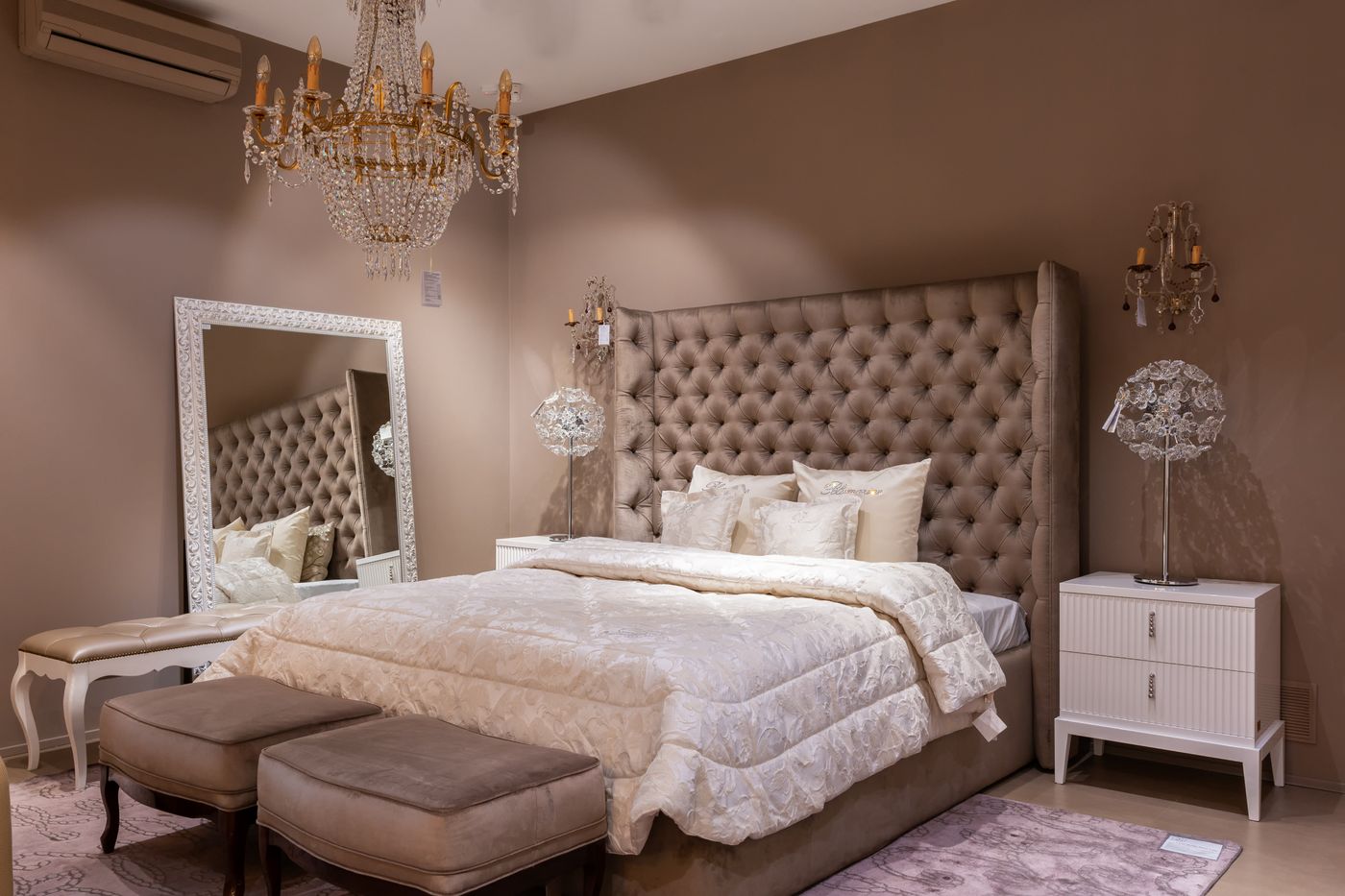
Choose the smallest arrangement that supports the routine
After checking the task, compare a suitable bench with an existing appropriate chair, a smaller purpose-made stool, or keeping the room as it is. Do not assume all of these provide the same support or comfort. The comparison is about whether the actual alternative meets your needs with less disruption, not about finding the cheapest object of a similar height.
If you buy, retain the dimensions, care information, and return conditions you relied on. After setup, assess the ordinary routine again while the room is in use. A successful bench lets you complete the intended dressing task and leaves the bedroom easy to navigate. It does not need to provide extra storage, become a styling project, or occupy the bed end merely because that is where benches often appear in photographs.
Explore related decisions in our Small-Space Living hub.
Sources and editorial scope
Editorial research checked October 21, 2026. Published trend reports are context for these editorial applications, not verified live keyword rankings. Practical household guidance; photographs do not document a tested household or authenticate pictured materials.