When a small bedroom lacks storage, the common response is to ask which furniture piece holds the most. That is the wrong first question.
A storage bed may hold more than a dresser. A wardrobe may hold more than under-bed drawers. But capacity is only one cost. Every system also consumes floor area, wall space, bending effort, opening clearance, visual attention, and flexibility when the room changes. For the broader setup, How to Keep a Small Bedroom Calm When It Also Has to Be a Workspace is a useful next read.
I compare bedroom storage by five criteria: footprint, access, capacity, flexibility, and category fit.
Before comparing furniture, define the clothing problem
Different clothing needs different storage. T-shirts and underwear work well in drawers. Dresses and jackets need hanging length. Bulky bedding benefits from large hidden volume. Shoes may need shallow accessible zones. If you are working on the same space, Lazy Susans and Turntables in Small Kitchens: Where They Work—and Where They Waste Space covers the next decision in more detail.
If the real issue is simply too much clothing, adding furniture can make the bedroom more crowded without making it easier to dress.
Start by reviewing the current system. The site’s guide to organizing a small bedroom dresser is useful if drawer overflow is the main symptom.
Option 1: under-bed drawers
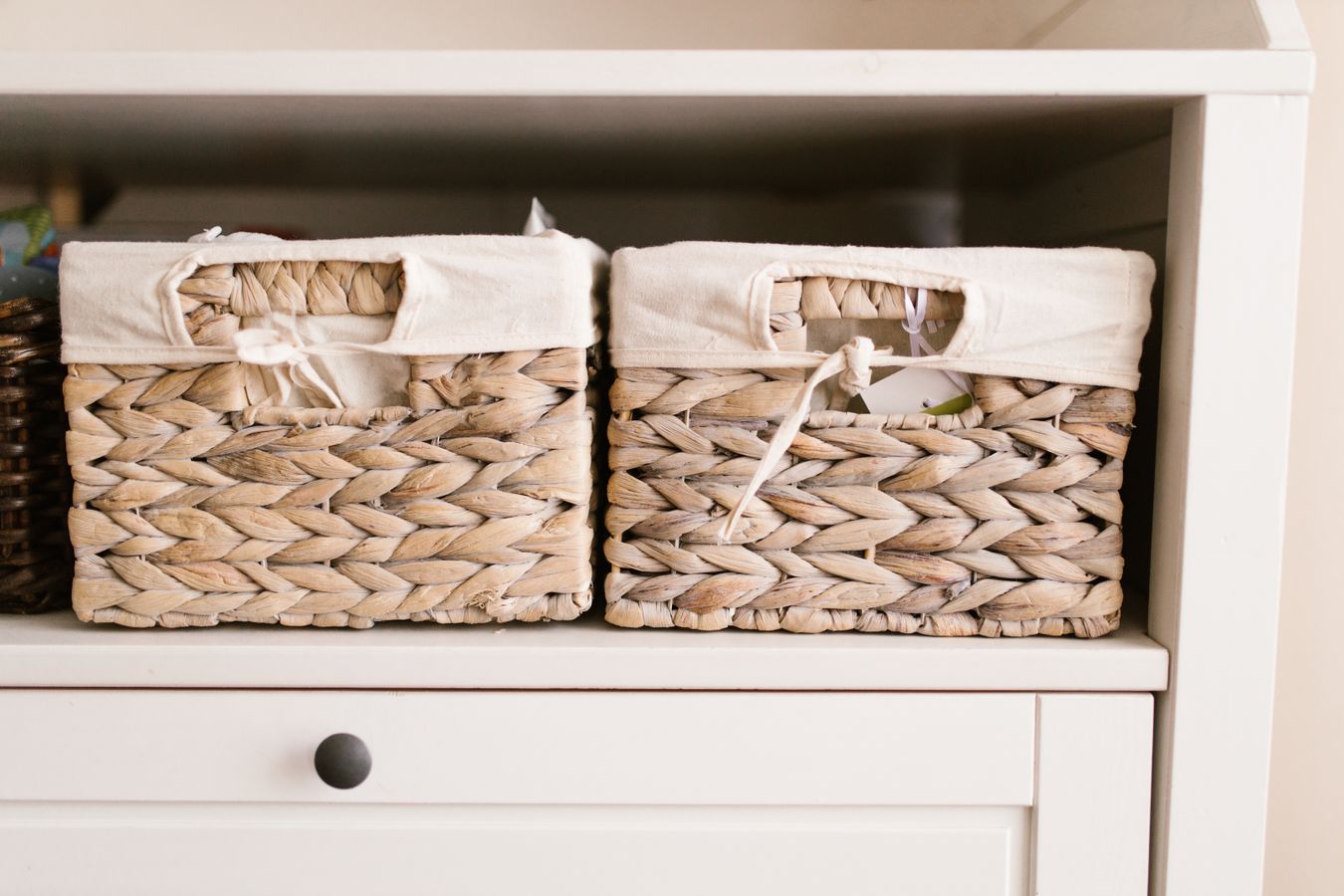
Under-bed drawers use a footprint that already exists. That is their biggest advantage. They do not add another vertical mass to the room or occupy an extra wall.
What they do well
- seasonal clothing,
- extra bedding,
- shoes in appropriate containers,
- low-frequency clothing,
- categories that benefit from wide shallow storage.
What they do poorly
Daily access requires bending, pulling, and maintaining clear floor space beside the bed. A drawer becomes annoying if a nightstand, rug, or wall blocks it.
Under-bed storage also hides inventory well enough that forgotten clothing can remain untouched for months.
For that reason, I consider under-bed drawers excellent secondary storage, not automatically prime storage. The detailed guide to under-bed storage without hidden clutter covers the review cycle in more depth.
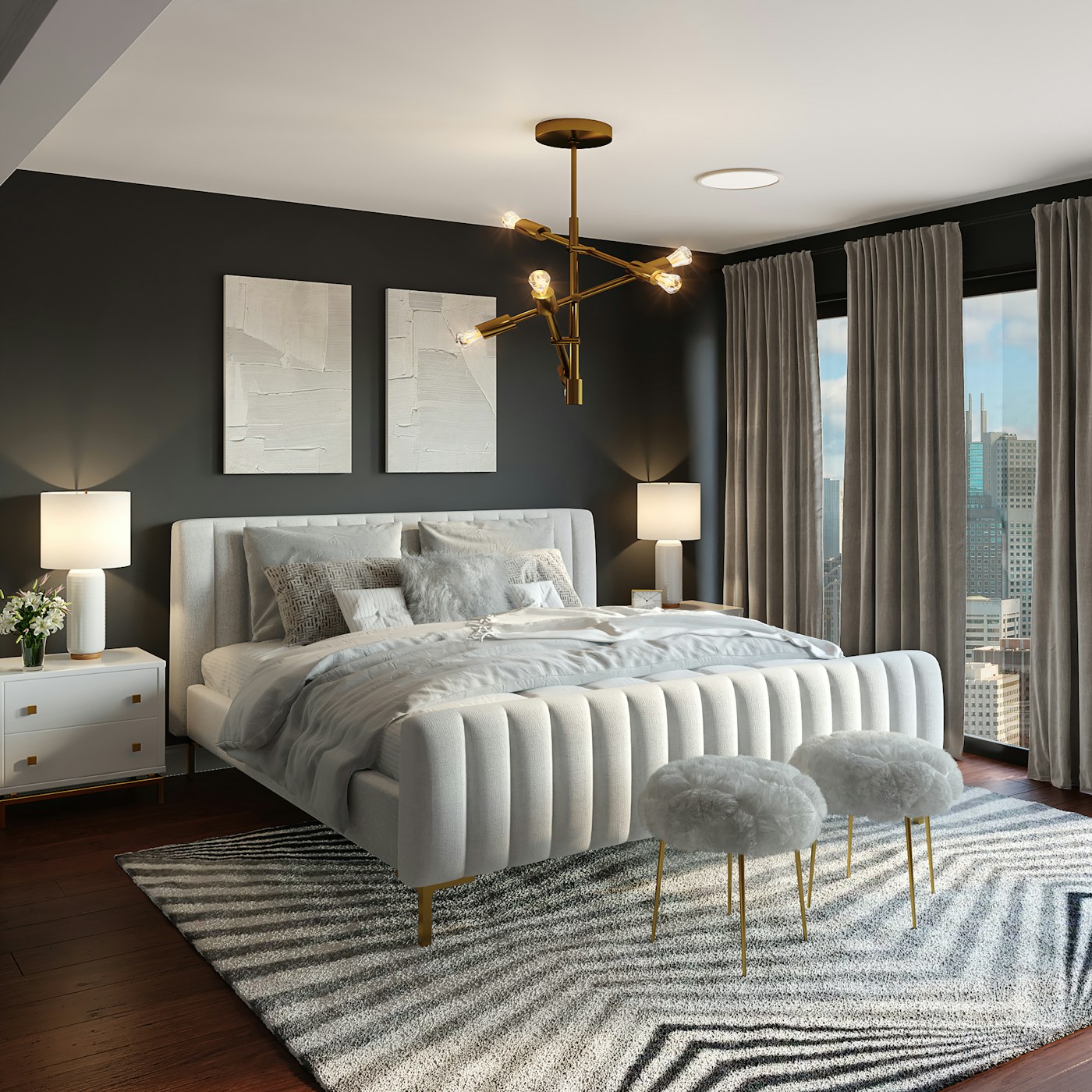
Option 2: the dresser
A dresser is one of the best everyday clothing tools because drawers bring an entire category forward. You can see socks, shirts, or sleepwear without reaching behind another stack.
What it does well
- daily folded basics,
- small clothing categories,
- child-accessible clothing when drawer height is appropriate,
- a top surface that can serve one controlled bedroom function.
What it does poorly
A wide dresser consumes a full wall and significant floor depth. The top can become a second closet if clothes, bags, skincare, mail, and jewelry collect there.
Very deep drawers also encourage vertical piles where the lower layers disappear.

Option 3: a freestanding wardrobe
A wardrobe consolidates hanging and folded storage into one vertical piece. This can be extremely useful in rentals or older homes with inadequate closets.
What it does well
- hanging clothes,
- mixed clothing categories,
- using wall height,
- creating a complete clothing zone in a room with no built-in closet.
What it does poorly
Wardrobes are visually and physically heavy. They need floor depth, door clearance, and a wall long enough to accommodate them. In a tiny room, a tall dark wardrobe can make the room feel more enclosed.
They are also less flexible when moving between homes because ceiling heights, doorways, and room dimensions vary.
Option 4: the storage bed
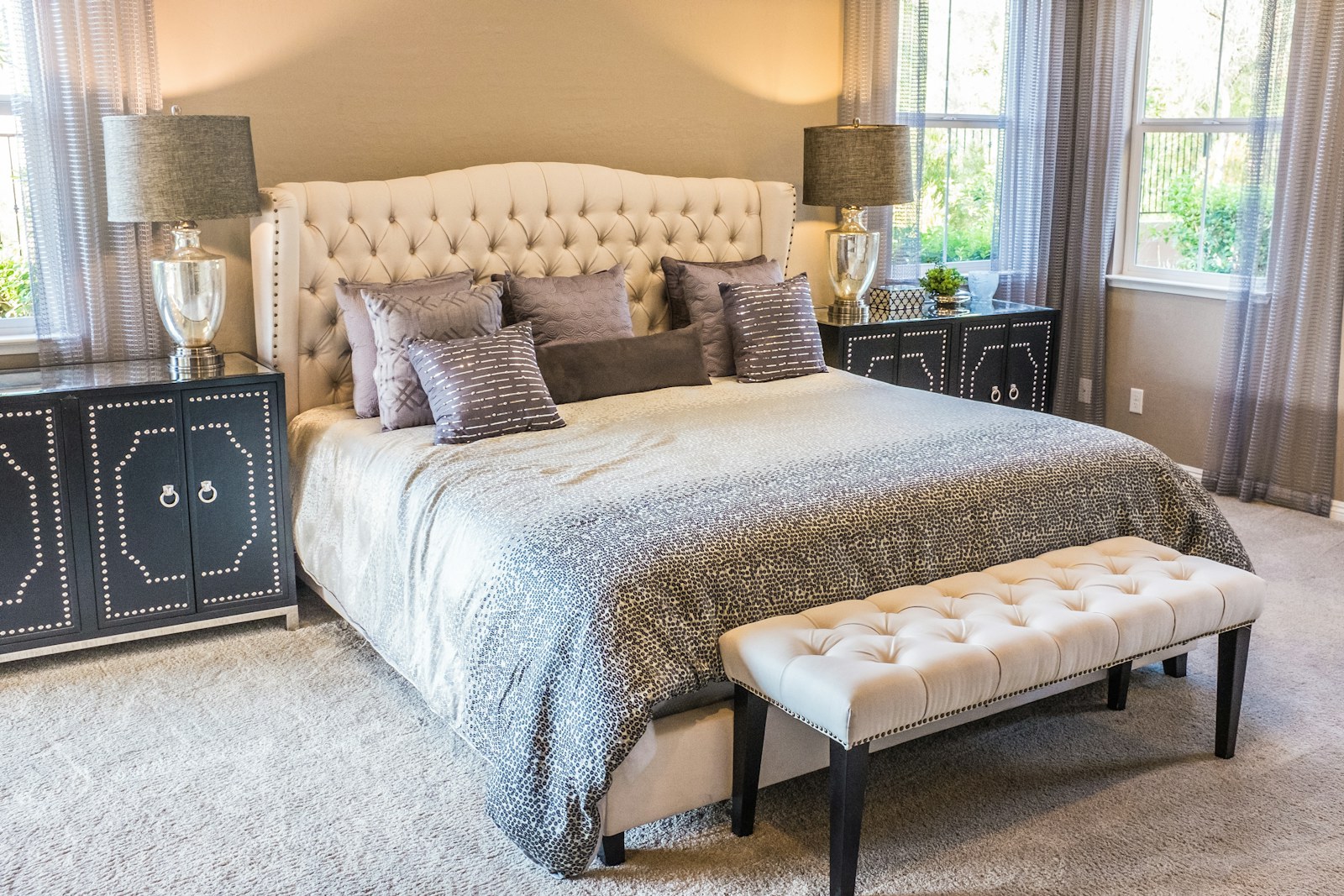
A storage bed can provide the largest hidden volume without adding another separate footprint. Drawers, lift-up platforms, or built-in compartments turn the bed itself into storage.
What it does well
- bulky linens,
- seasonal clothes,
- guest bedding,
- large low-frequency categories,
- rooms where adding a dresser would block circulation.
What it does poorly
Storage beds are more complex and less flexible than simple bed frames. Drawer versions require side clearance. Lift-up versions require comfortable access and appropriate hardware use. Moving the bed can be more difficult.
The biggest organizational risk is treating the large hidden compartment as permission to keep more.
Comparison: floor footprint
Under-bed drawers and storage beds usually win because they use the bed’s existing footprint. A dresser and wardrobe both add separate floor depth.
But the result changes if bed drawers cannot open because the room is too narrow. Usable footprint matters more than theoretical footprint.
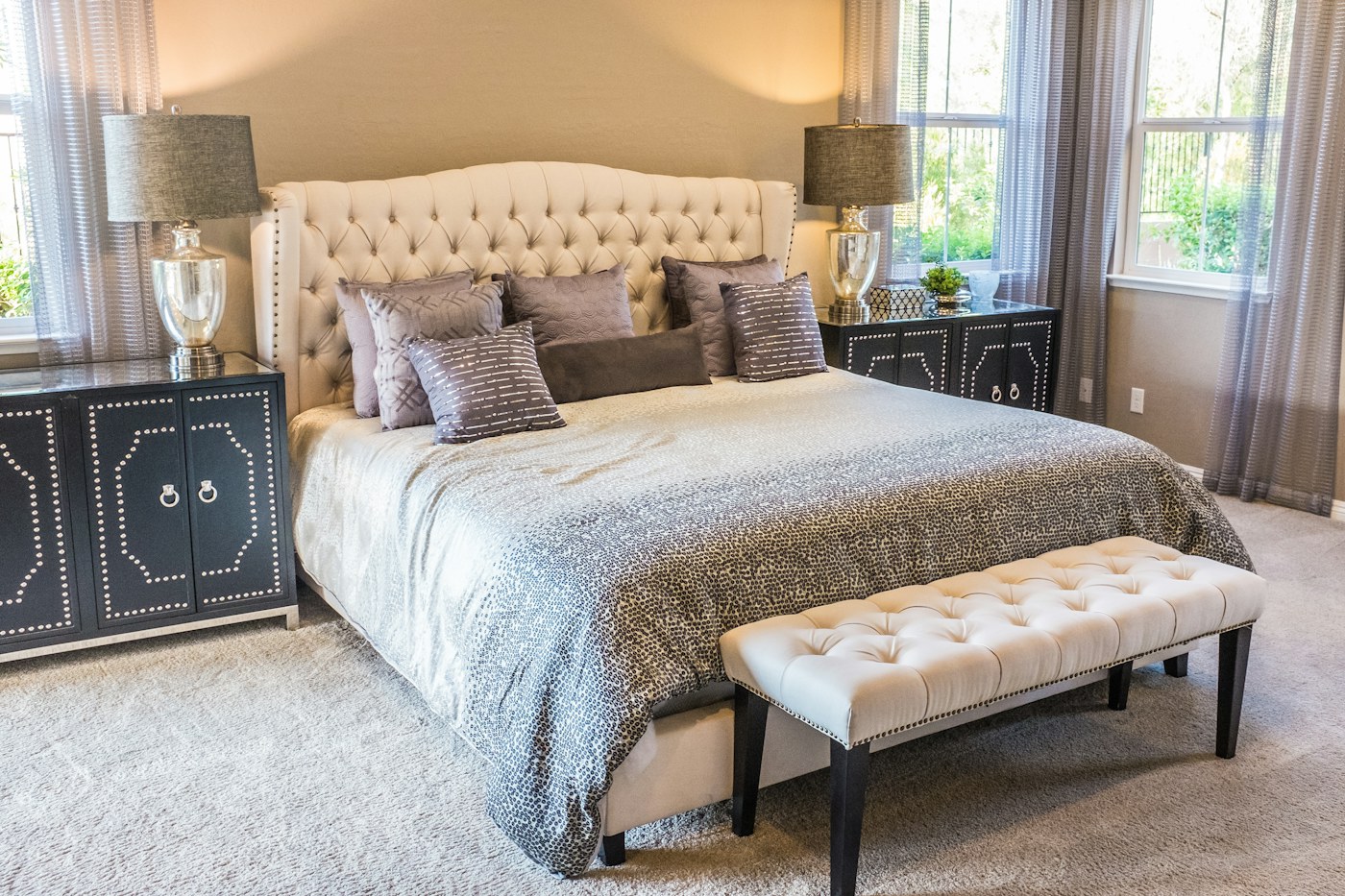
Comparison: everyday access
Dresser drawers are usually strongest for folded daily clothing. A well-planned wardrobe can be equally good for a mix of hanging and folded items.
Under-bed systems are weaker for categories used every morning because bending and pulling add steps.
Comparison: capacity
A large wardrobe or storage bed can hold the most, but maximum capacity is not necessarily desirable. More capacity can delay inventory decisions.
I prefer enough storage to support the household’s clothing rhythm with some operational breathing room, not enough storage to make accumulation invisible.
Comparison: flexibility
Separate dresser + simple bed is generally the most modular. Pieces can move independently, be replaced separately, or serve different rooms later.
A storage bed consolidates functions but ties the storage solution to the bed.
Comparison: shared bedrooms
Two people sharing a room often benefit from clear ownership. Separate dresser drawers or wardrobe sections create visible boundaries.
One giant under-bed compartment can be efficient but may create ambiguity over whose items live where. If the room is shared by children, organizing a shared kids’ bedroom requires ownership zones beyond furniture capacity alone.

Scenario 1: tiny apartment bedroom with no closet
I would prioritize a wardrobe if hanging space is essential, then use under-bed storage for low-frequency categories. A dresser may be redundant if the wardrobe already includes drawers or shelves. For the broader setup, The Prime Storage Method: What Deserves the Easiest-to-Reach Space in a Small Home? is a useful next read.
Scenario 2: room has a good closet but not enough folded storage
A compact dresser is usually the simplest answer. Do not buy a storage bed merely because it has more total capacity.
Scenario 3: the room cannot fit another furniture piece
Under-bed drawers or a storage bed become more compelling. Before buying, tape out drawer-opening clearance on the floor.
Scenario 4: frequent moves or rental uncertainty
Modular pieces usually age better. A standard bed plus light dresser may adapt more easily to future rooms than a very large integrated storage bed or wardrobe.
What I would measure
- clear walking width around the bed,
- drawer-opening depth,
- door swing for wardrobe doors,
- bedside-table interference,
- baseboard and outlet positions,
- ceiling height,
- stair and doorway dimensions if moving furniture in.
Furniture can fit the wall dimensions and still fail the circulation test.
What I would avoid
I would avoid adding a dresser, wardrobe, and storage bed all at once. That creates enormous capacity but also turns the room into a storage facility.
Choose one primary system, then one secondary system only if a specific category remains homeless.
How furniture height changes the feel of the room
Two pieces with similar capacity can feel very different. A tall wardrobe concentrates storage vertically and leaves more wall width free, but it creates a large visual block. A low dresser spreads horizontally and can make the room feel wider, but it uses more wall length.
There is no universal visual winner. I look at where the window, bed, doorway, and main sightline already sit. A tall piece is easier to absorb on a quiet wall than beside a narrow passage.
What happens when the clothing inventory changes?
Storage should tolerate seasonal and life-stage shifts. A wardrobe with adjustable shelves and hanging zones adapts well to changing clothing types. A fixed storage bed is excellent for bulky categories but less responsive if the household suddenly needs more hanging space.
For children, modular dressers and closet systems may be especially useful because clothing size and ownership volume change quickly.
The “remove one piece” thought experiment
Before adding new bedroom storage, imagine removing one current furniture piece instead. Could a taller wardrobe replace both a dresser and a weak closet? Could under-bed drawers eliminate a freestanding linen cabinet? Could a better dresser remove two small drawer towers? For a related step-by-step approach, see How to Store Towels and Bedding When You Don’t Have a Linen Closet.
In small rooms, consolidation often improves both storage and circulation more than additive capacity.
Couples should compare category volume, not split furniture automatically
Two adults rarely own identical clothing mixes. One may need more hanging length; another may need more folded drawers. Splitting a wardrobe or dresser exactly in half can look fair but waste capacity.
I prefer to allocate by category geometry while keeping clear personal boundaries. One person may use more hanging width while the other uses more drawer volume. The goal is equal usability, not identical inches.
Do not forget the top surface
A dresser adds a horizontal surface, which can be useful for a lamp, jewelry tray, or one daily routine. It can also become a clothing pile. A wardrobe usually removes that temptation by enclosing the volume vertically.
When comparing furniture, include the behavior created by the surface—not just the storage inside it.
Explore this topic
Browse more practical guidance in the Home Organization hub. Room focus: Bedroom.
Related published guides
Expert conclusion
For daily folded clothing, dressers remain hard to beat. For rooms with no closet, wardrobes can solve a structural gap. For low-frequency categories, under-bed drawers are efficient. Storage beds are powerful when the room genuinely cannot support separate furniture.
The best answer depends on what your bedroom needs to store and how often you touch it. In a small room, I would rather have one correctly chosen storage system with a little breathing room than four pieces competing to hold every object the household might someday want to keep.