Pets do not make a home “dirty.” They do, however, change where mess appears and how fast it becomes visible—especially in a small home where the sofa, entryway, feeding area, and main walking path may all be in the same room.
The mistake is trying to clean the whole home more often. That creates a permanent sense that you are behind.
A better approach is to identify the four or five places where pet mess actually enters or concentrates, then maintain those zones before dirt spreads.
Start at the door: outside dirt is easier to stop than chase
If your pet goes outdoors, the entry route matters more than almost any cleaning product.
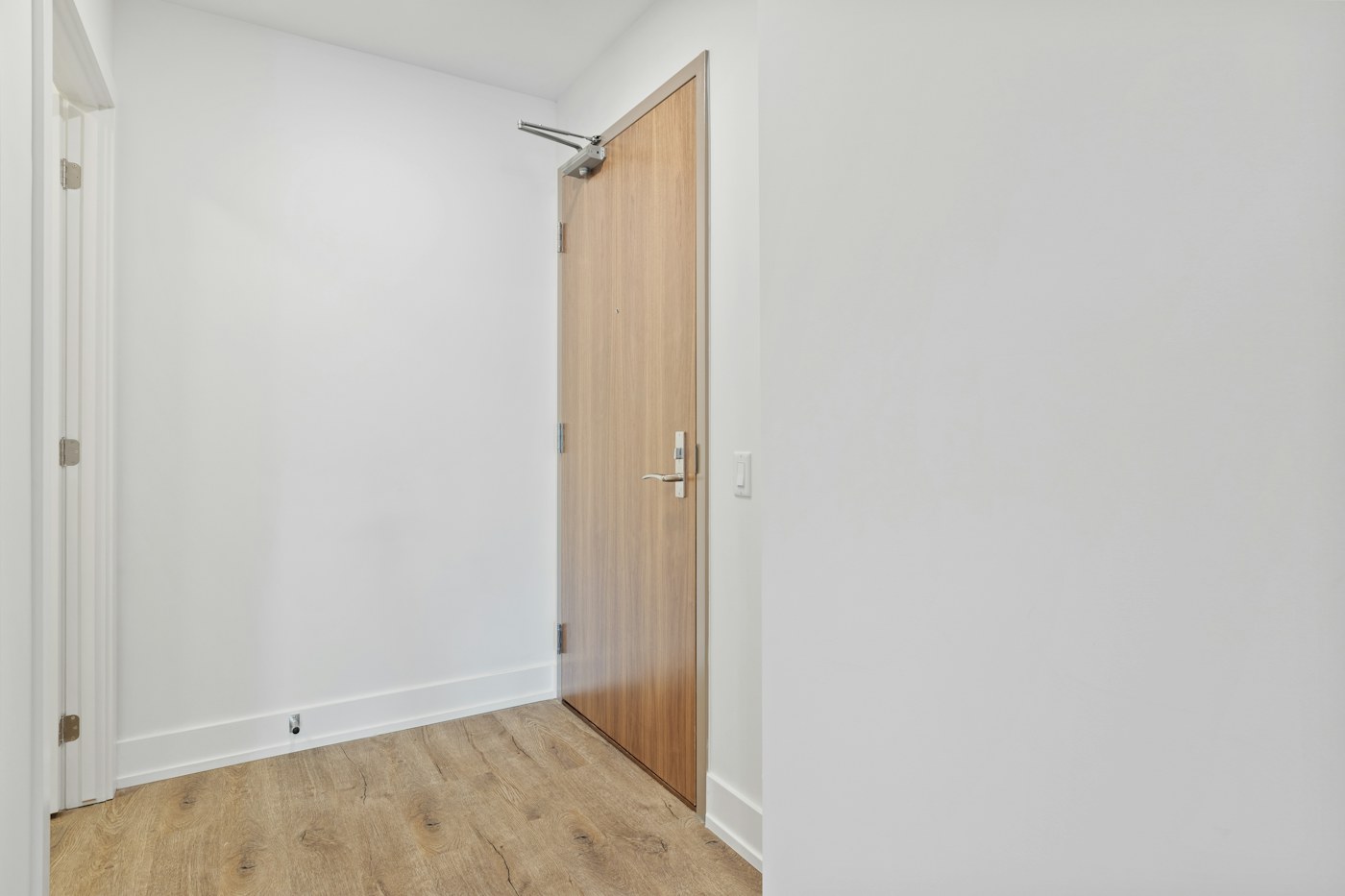
Create a small arrival routine that fits your home: a mat, towel, paw-wiping setup where appropriate, leash hook, and a defined place for wet gear. The goal is to stop dirt before it reaches the sofa, rug, or bedroom.
In a small apartment, even one muddy walk can leave a trail through every room. That is why I would invest effort in the first six feet inside the door before worrying about a more complicated cleaning schedule. For a related step-by-step approach, see A Seasonal Deep-Cleaning Plan for Small Homes That Doesn’t Take Over the Weekend.
Find the hair zones instead of vacuuming everywhere equally
Pet hair does not distribute evenly. It collects where pets sleep, jump onto furniture, brush against walls, and travel repeatedly.
Look for:
- the sofa or favorite chair,
- pet bed edges,
- the hallway route,
- baseboards near sleeping spots,
- under dining chairs,
- the area around scratching posts or blankets.
A quick pass through those zones often gives more visible improvement than cleaning the entire floor at the same frequency.
Use washable layers where the pet actually rests
If your pet always chooses the same sofa corner or bed, a washable throw or cover can simplify maintenance—provided it is something you will actually wash and reset.
The point is not to wrap the whole home in protective fabric. It is to create one removable layer where wear and hair are concentrated.

Do not let pet blankets multiply
Pet textiles are easy to keep because each one seems useful. Eventually there are blankets in the crate, on the sofa, in the car, beside the bed, and in a laundry basket.
Keep enough to support the wash cycle. If one blanket is being washed, another can be in use. Beyond that, extras should earn their space.
Create a feeding-zone reset
Food crumbs, water drips, and bowls can make a small kitchen or dining edge look messy fast.
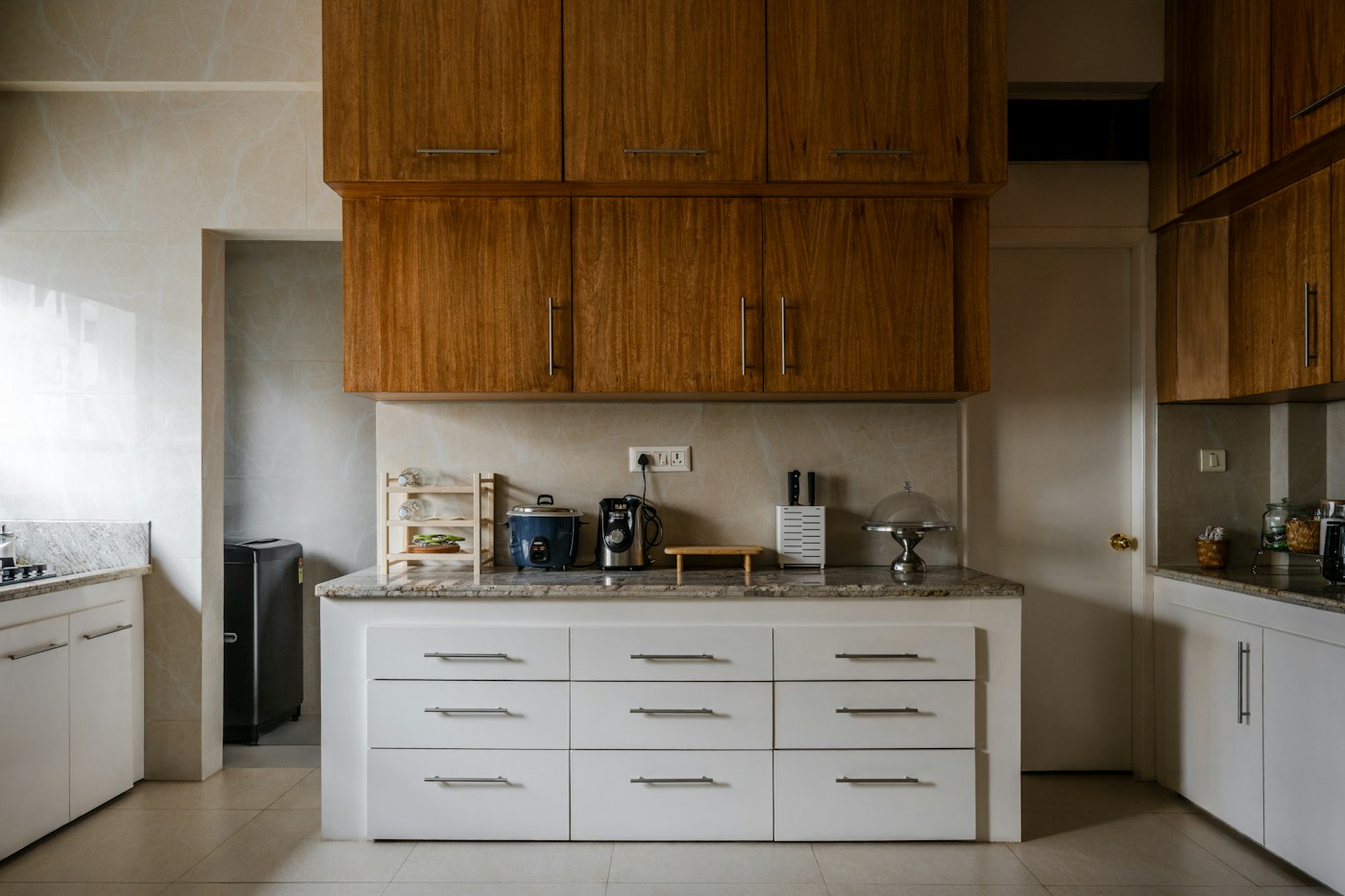
Give bowls one stable zone with an easy-to-clean surface underneath if useful for your setup. Wipe obvious spills promptly and keep food storage separate from human food-prep surfaces.
Do not let bags, scoops, supplements, and cleaning cloths spread around the bowls. The feeding area should be a routine, not a mini pantry.
Keep pet-food backstock somewhere else
A large bag of food can dominate a small kitchen. Keep the active amount accessible and move appropriate backstock to a low-frequency storage location if that is practical for your household and compatible with product guidance.
Give toys a category limit
Pet toys behave exactly like children’s toys in one important way: more containers often create more volume.
Use one basket or defined zone for the active set. Rotate or remove toys when it overflows. If one toy is always ignored, the basket is telling you something. If you are working on the same space, How to Organize Bath Toys and Kids’ Bathroom Products Without Filling the Tub covers the next decision in more detail.
Handle litter or indoor toilet areas as their own micro-zone
For pets that use indoor toilet setups, contain the area with a routine and products appropriate to that pet and equipment. Keep surrounding floor access clear so scattered material or debris can be handled quickly.
The important organizational point is separation: this zone should not merge with laundry, food, or general household storage.
Keep grooming tools with the pet system—not in the bathroom catchall
Brushes, nail-care tools, shampoo, wipes, or other pet-care items should have one contained home. If grooming happens in the bathroom, a portable caddy can travel there and return to pet storage afterward.
The five-minute daily pet reset
- Clear the main entry dirt or wet gear.
- Pick up loose toy overflow.
- Handle visible food or water mess.
- Shake or reset the pet blanket if needed.
- Do a quick hair pass only in the highest-use zone if necessary.
That is deliberately short. Daily pet care should not become daily whole-house cleaning.
The 25-minute weekly pet-focused clean
Instead of adding an entirely separate pet-cleaning day, layer pet zones into the normal weekly clean:
- vacuum or clean the main pet routes as appropriate,
- move and clean around pet beds,
- wash the textile due that week,
- clean feeding-zone surfaces,
- review toy and grooming clutter,
- check the entry setup.
For the household baseline, pair this with A Realistic Weekly Cleaning Schedule for People Who Work Full Time.
What I would not do
I would not respond to pet hair by buying five specialized gadgets before figuring out where the hair actually collects. I would not add a second toy basket because the first one is full. And I would not keep permanent “pet cleaning supplies” in every room. For a related step-by-step approach, see How to Organize Pet Supplies in a Small Home Without Creating a Pet Closet.
Small homes benefit from fewer tools and better routes.
Use the sofa as a diagnostic surface
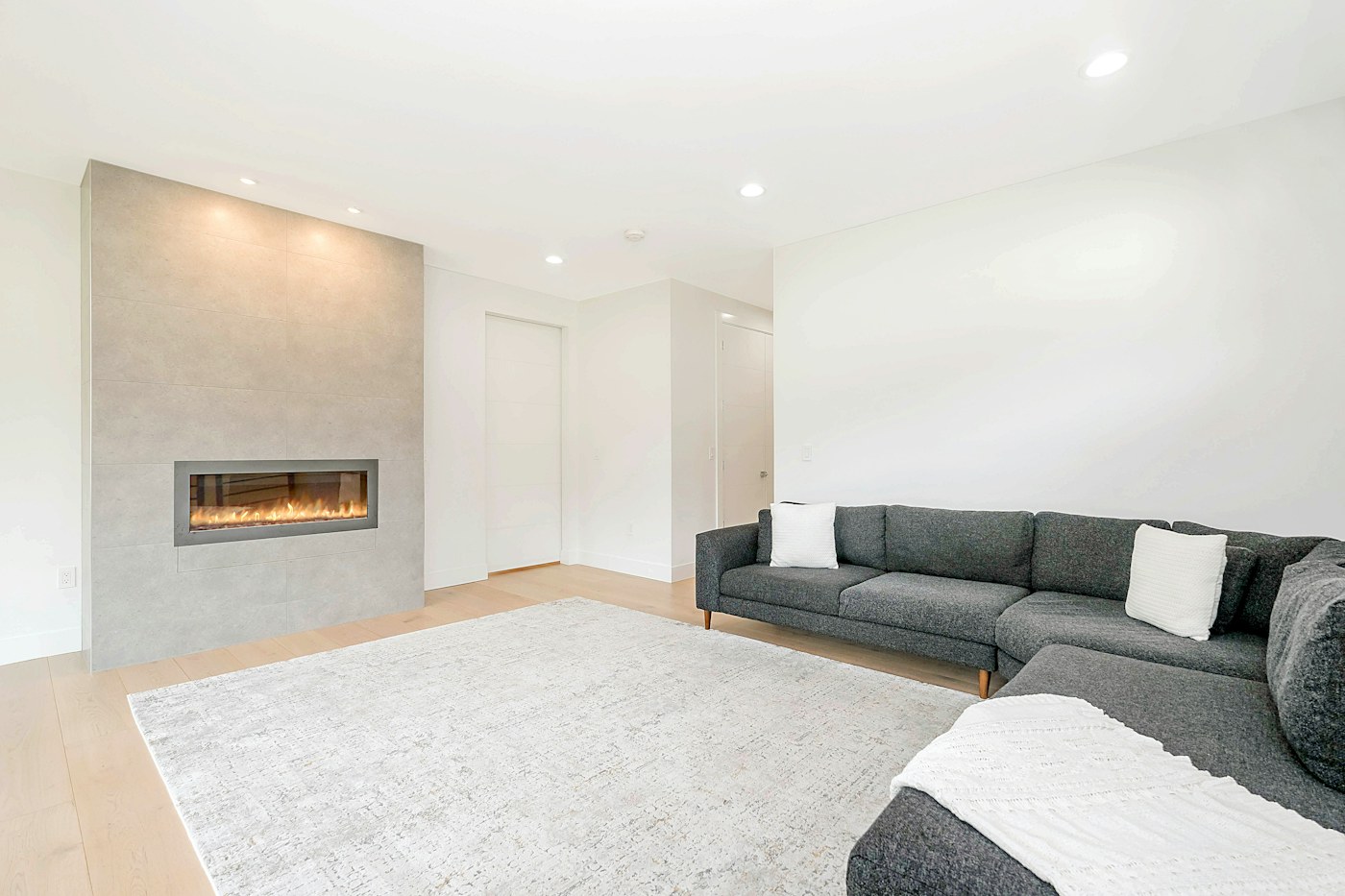
If the sofa looks messy immediately after cleaning, ask why. Is the blanket never washed? Is the pet bed too far away? Is toy storage beside the sofa overflowing? Are snacks or grooming happening there?
The visible mess often tells you which system needs adjustment.

Plan for bad-weather weeks
Rain, snow, or muddy seasons may temporarily increase entryway work. Keep the normal system flexible enough to absorb that change rather than permanently doubling supplies. You may also find A Family Chore System for Small Homes That Doesn’t Need a Chart on Every Wall useful for a closely related small-home problem.
An extra towel in the wet-weather season makes sense. A permanent stack of eight by the door probably does not.
When the home smells “petty” even after cleaning
Instead of masking odor with more fragrance, check the sources that hold odor: pet textiles, feeding residue, indoor toilet areas, damp gear, and areas under furniture. Clean or launder according to material and product guidance.
A small home amplifies neglected sources because there is less distance between them and the rest of daily life.
Map the pet route once and clean smarter for months
For a week, notice the path your pet repeats: door to water bowl, bowl to sofa, sofa to bed, hallway to favorite window. That route is the real cleaning map of the home.
Instead of giving every square foot equal attention, keep that route easier to vacuum or wipe. Move fragile decor and unnecessary floor baskets away from it. Keep cords controlled. Make the pet bed easy to lift.
This is one of the strongest small-space strategies because it changes the environment instead of simply asking you to clean more often.
Choose cleaning tools by friction, not by feature count
A powerful vacuum stored behind six boxes is less useful than a modest tool you can reach in twenty seconds. For pet hair, crumbs, and tracked debris, retrieval time matters.
Keep one quick tool appropriate to your floors accessible for high-frequency passes, and reserve larger equipment for the weekly clean. You do not need a separate gadget for sofa hair, hallway hair, car hair, and pet-bed hair if one or two tools handle those surfaces well.
Seasonal shedding should change the routine temporarily
Some pets shed more during certain periods. Rather than permanently increasing the entire cleaning schedule, increase attention to the hair zones while the shedding is heavier, then return to baseline later.
This prevents the household from adopting a year-round routine based on the messiest two weeks of the season.
Place the pet bed where you can actually clean around it
A bed tucked tightly between a sofa and wall may look hidden, but it can become a trap for hair and crumbs. If the pet uses the bed regularly, you should be able to lift or move it without dismantling the room.
The same is true for crates and scratching furniture. Their position should support both the pet and the household maintenance route.
Prepare for guests without trying to erase the pet
Before visitors arrive, focus on the shared surfaces they will use: entry path, seating, guest bathroom, and obvious floor zones. Wash or move a pet blanket if needed, contain toys, and reset the feeding area.
You do not need to hide every sign of the animal. A home can be clearly pet-friendly and still feel clean and welcoming.
Use a realistic cleanliness standard
There is an important difference between a home that is maintained and a home that looks untouched by life. A few hairs may appear five minutes after vacuuming. That does not mean the cleaning failed.
I would measure success by whether floors are comfortable to walk on, seating is usable, odors are controlled at the source, food and toilet areas are maintained, and pet items stay within their zones. Chasing every visible hair can turn normal pet ownership into an endless housekeeping job.
\nSeparate pet mess from ordinary family mess
A shoe pile, snack crumbs, and laundry on the sofa are not pet problems just because a dog also lives in the room. This sounds obvious, but it changes how you troubleshoot the house.
If the living room feels constantly messy, identify what percentage is actually hair, toys, or pet textiles and what percentage is family clutter. Fixing the pet system will not solve school bags on the floor, and buying a stronger vacuum will not solve an overloaded coffee table.
Clear diagnosis prevents pet ownership from becoming the explanation for every maintenance issue in a small home.
Make cleaning around pet equipment part of placement decisions
Before choosing the permanent location for a crate, feeding stand, scratching post, or large bed, ask whether you can clean the floor and wall edges around it. Equipment that fits only when wedged tightly into a corner may create a maintenance trap.
A few inches of workable access can matter more than making the object visually disappear.
\nFrequently asked questions
How often should I vacuum with pets?
Use the actual hair and dirt rate in your home. High-use zones may need quick passes more often than rooms the pet rarely enters.
Should pet toys stay in the living room?
They can if that is where play happens, but keep one active basket or defined zone rather than several containers around the room.
How do I reduce pet mess without banning pets from furniture?
Use washable layers, maintain the high-use seating zone, and keep pet textiles on a realistic wash rotation.
What is the most important cleaning area for a dog in an apartment?
Often the entry route and the pet’s favorite resting areas provide the biggest return for the least cleaning time.
The goal is not a home that looks pet-free
A pet lives there. The bed, bowl, leash, and toys do not need to disappear. The goal is a home where pet-related mess has predictable places to enter, collect, get cleaned, and leave—so you are not chasing hair and dirt all day.