Seasonal deep cleaning sounds manageable until the list includes windows, baseboards, appliances, closets, bedding, bathrooms, upholstery, vents, and everything hidden under furniture. You may also find A Simple Seasonal Declutter Before Bringing Holiday Decor Into a Small Home useful for a closely related small-home problem.
The usual mistake is treating the entire home as one project.
A small home works better with six focused zones spread across several sessions.
Zone 1: sleep and textiles
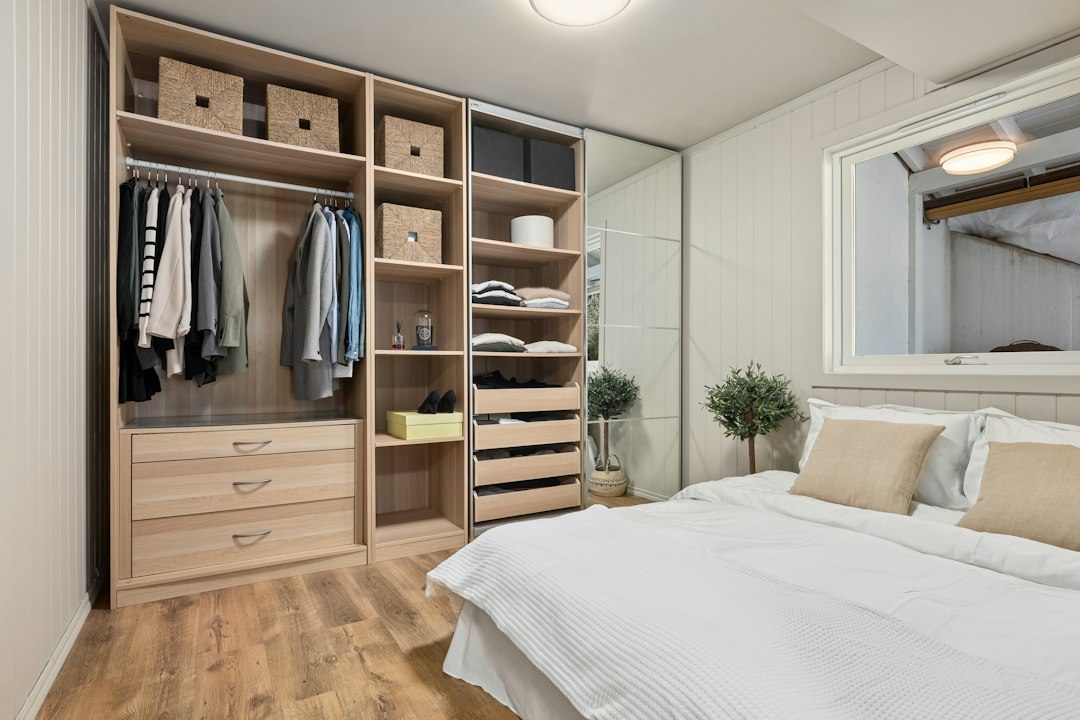
Handle bedrooms, bedding, washable throws, mattress-area dust, and under-bed access.
Focus on the things regular weekly cleaning skips:
- behind or under movable bedroom furniture,
- bed-frame dust,
- seasonal bedding rotation,
- curtains or fabric treatments according to care instructions,
- closet floor and edges.
Zone 2: bathroom detail
Go beyond the weekly reset: shower tracks, tub edges, neglected corners, cabinet fronts, vent cover where appropriate, and areas behind small bathroom items. For a related step-by-step approach, see A Realistic Nightly Reset for Small Homes When You’re Too Tired to Clean.
Use cleaning methods compatible with the specific surface.
Zone 3: kitchen detail
Choose the tasks that have accumulated:
- fridge interior reset,
- cabinet fronts,
- backsplash detail,
- small-appliance exterior and manufacturer-approved maintenance,
- under movable countertop items,
- one problem cabinet.
Do not empty every kitchen cabinet unless that is a separate organizing goal.
Zone 4: living room and upholstery
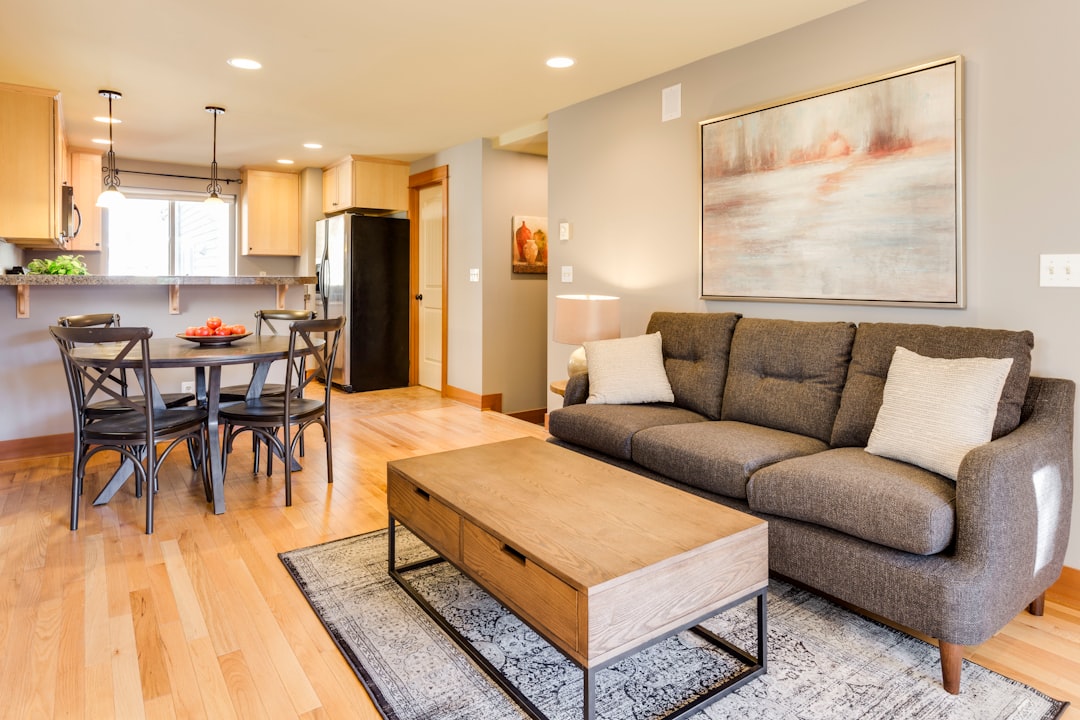
Move light furniture where practical, clean floor edges, vacuum or maintain upholstery appropriately, wipe overlooked surfaces, and reduce seasonal soft-goods buildup.

Zone 5: entry, storage, and utility areas
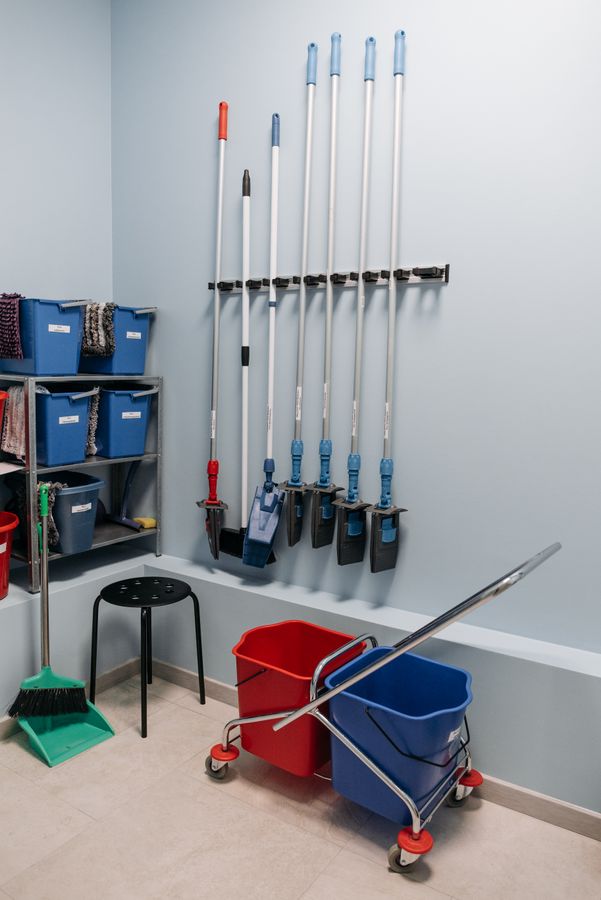
These spaces collect what other rooms reject. Review shoes, bags, cleaning tools, seasonal gear, laundry supplies, and the floor edges behind them. If you are working on the same space, How to Handle Everyday Stains and Odors Before They Become Big Cleaning Jobs covers the next decision in more detail.
This is also a good time to remove empty boxes and household backstock that no longer fits its zone.
Zone 6: overlooked surfaces
Finish with the small areas that are easy to ignore:
- door frames,
- switch plates as appropriate,
- reachable vents or grilles following manufacturer/home guidance,
- baseboards where needed,
- lamp shades and fixture exteriors where safely accessible,
- behind lightweight furniture.
Spread the plan across three weekends
| Weekend | Session A | Session B |
|---|---|---|
| 1 | Bedrooms/textiles | Bathroom |
| 2 | Kitchen | Living room |
| 3 | Entry/storage | Overlooked surfaces |
Each session can be 45–90 minutes depending on the home and condition.
Do not declutter every drawer during deep cleaning
If an overfilled drawer blocks cleaning, note it for later. Deep cleaning and decluttering can support each other, but combining every decision into one session is how the weekend disappears.
Use a “repair later” note
Deep cleaning reveals loose handles, damaged caulk, burned-out bulbs, scuffs, and other maintenance issues. Write them down instead of stopping the cleaning session to solve each one.
Prepare supplies before each zone
Gather only the tools and surface-appropriate products needed for that zone. This reduces wandering through the house and helps prevent incompatible products from being mixed.
When to stop
A zone is done when the neglected cleaning tasks are handled—not when every possession in the room has been reorganized.
For the regular baseline
Use A Realistic Deep-Cleaning Checklist for a Small Home if you want a whole-home checklist, and A Realistic Weekly Cleaning Schedule for People Who Work Full Time for maintenance between seasonal sessions.
Frequently asked questions
Do I have to deep clean every room each season?
No. Adjust by household use, climate, pets, allergies, and visible buildup. The zone plan is a framework, not a rigid rule.
How long should a seasonal deep clean take?
There is no ideal total. Short focused sessions are often easier to sustain than one marathon day.
Should I organize while deep cleaning?
Only enough to access the surfaces. Save complex decluttering for a separate session.
Seasonal cleaning works better when it has edges
Six zones, a few weekends, and a clear stopping point are more useful than a giant list that makes the whole home feel unfinished. Deep clean what normal routines miss, then return to regular life. For the broader setup, The Sunday Night Small-Home Reset That Makes Monday Easier is a useful next read.