A junk drawer is not automatically a bad thing.
Small homes need a place for the tiny household items that are useful but do not deserve their own cabinet: pens, tape, scissors, batteries, a small flashlight, measuring tape, twist ties, or a few basic tools.
The problem starts when the drawer becomes the place for anything nobody wants to decide about.
A better name is a utility drawer.
Empty the drawer completely
This is one of the few categories where full emptying helps because the contents are usually small.
As you remove items, create quick groups:
- writing,
- adhesive/tape,
- small tools,
- batteries/electrical,
- fasteners and clips,
- belongs elsewhere,
- trash or recycling as appropriate,
- unknown.
Remove true junk before buying dividers
Discard dried pens, empty packaging, expired coupons, broken rubber bands, random receipts, unidentified screws you are realistically never going to use, and items that clearly belong elsewhere. You may also find How to Use Under-Bed Storage Without Turning It Into a Forgotten Junk Zone useful for a closely related small-home problem.
Do not organize trash.
Choose five to seven drawer jobs
A small drawer cannot be the home for twenty categories. Pick the functions the household actually needs near the kitchen or main living area. You may also find How to Organize Food Storage Containers and Lids in a Small Kitchen useful for a closely related small-home problem.
Everything else should move to its better home.
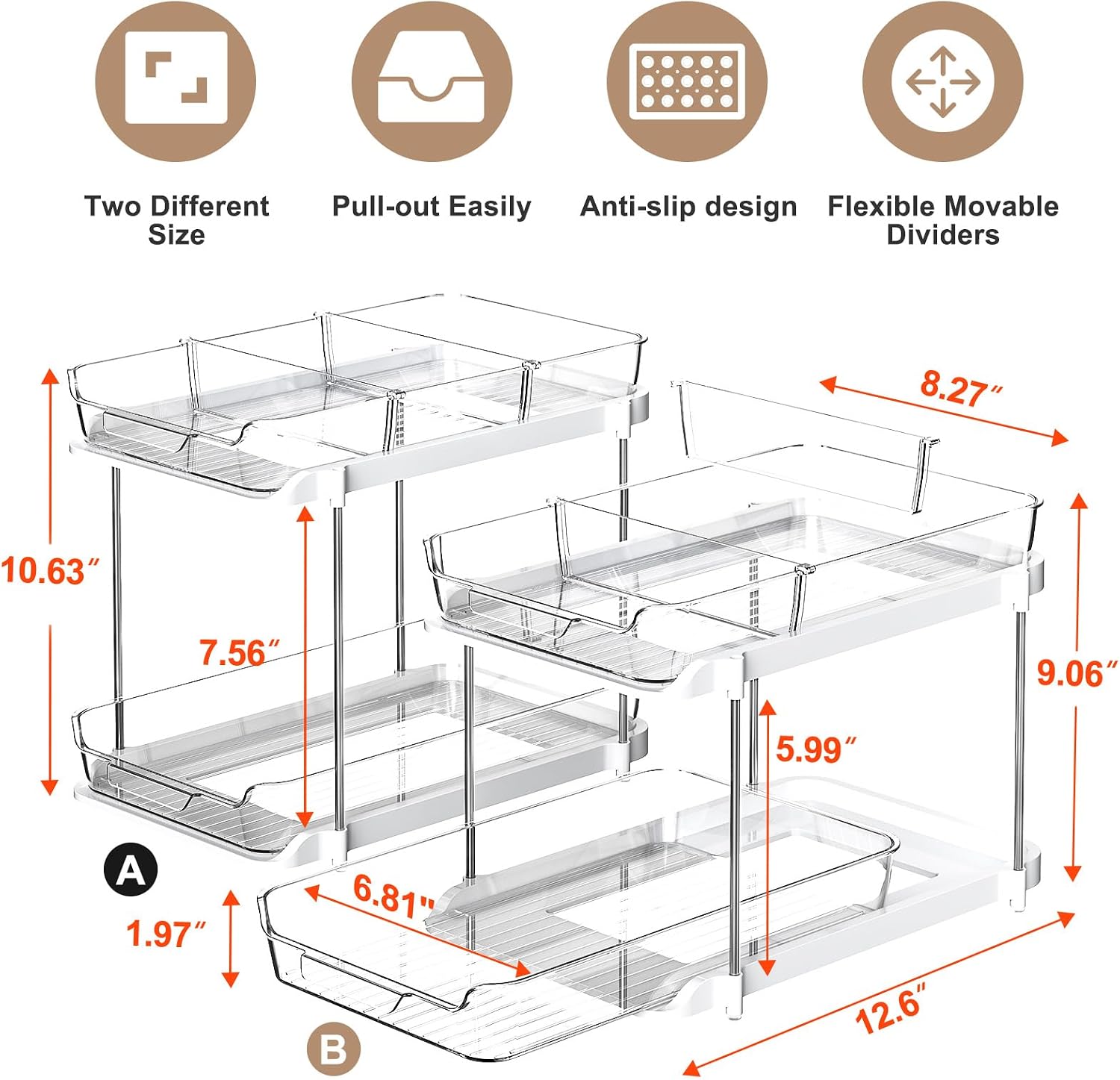
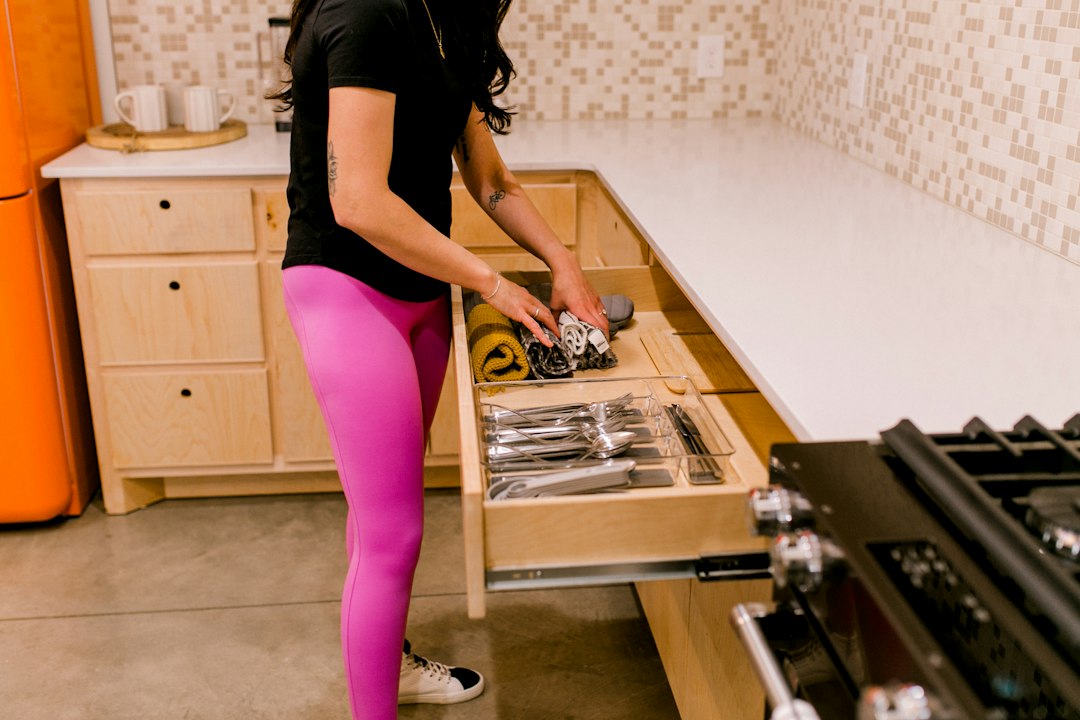
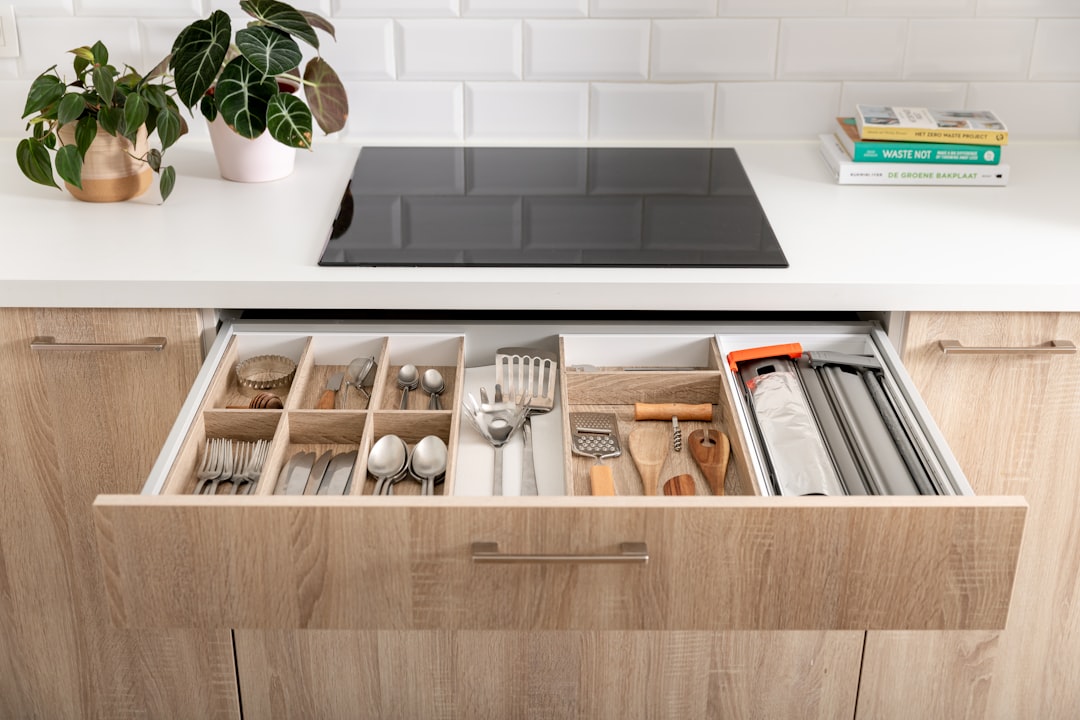
Use shallow organizers, not deep bins
Junk drawers work because items are visible from above. Deep cups and stacked containers recreate the same problem vertically.
Use dividers or small trays that fit the drawer height and leave the contents easy to scan.
Keep duplicate quantities low
You probably need several pens. You probably do not need thirty.
Keep a working set and move bulk office supplies to backstock storage if the household uses them.
Give batteries their own safe category
Store batteries according to manufacturer guidance and avoid loose storage that allows terminals to contact metal objects or other batteries inappropriately. For the broader setup, How to Organize Foil, Food Wrap, and Reusable Bags in a Small Kitchen is a useful next read.
If your household keeps many battery types, the kitchen junk drawer may not be the best long-term location.
Move chargers out
Cables quickly consume a utility drawer and become mystery items. Use How to Organize Chargers and Cables in a Small Home Without Creating a Tech Drawer.
Create a mystery-item cup with a deadline
If you cannot identify a small part immediately, place it in one tiny “mystery” section and date the reset. If nobody needs it by the next monthly review, investigate or let it go appropriately.
Keep manuals and papers out
Instruction manuals, warranty papers, receipts, and business cards quickly bury the useful small objects. Route paper into your filing or action-paper system.
The one-layer rule
Try to keep most of the drawer one layer deep. If objects must be stacked on top of each other to close the drawer, the category volume is probably too high.
The three-minute monthly reset
- test pens,
- remove receipts and trash,
- return items that migrated in,
- reduce duplicates,
- review mystery items,
- put each category back into its shallow zone.
What belongs in a useful junk drawer?
Only small household tools that are used often enough to justify prime space and do not have a better room-specific home.
What does not belong?
Food, important documents, loose medication, random chargers, leaking products, sentimental objects, and anything too large to keep the drawer one layer deep.
If the drawer is in the kitchen
Do not let utility items crowd out the limited drawers needed for cooking. If the kitchen has very few drawers, the utility category may work better in an entry console or home-office zone. You may also find How to Organize Countertop Appliances in a Small Kitchen useful for a closely related small-home problem.
Frequently asked questions
Are junk drawers always bad?
No. One small utility drawer can be very practical when it has defined categories and a capacity limit.
What organizers should I use?
Use shallow trays or adjustable dividers sized to the drawer and the items you actually keep.
How often should I clean it out?
A quick monthly reset is usually enough if the drawer begins with clear category limits.
The drawer should solve small problems, not store unfinished decisions
Keep a short list of useful household categories, make them visible from above, and give unknown items a deadline. Then the “junk drawer” becomes one of the most functional drawers in the home.