Disclosure: As an Amazon Associate, Small Home Rhythm may earn from qualifying purchases. Availability and variants can change.
A one-inch adhesive pad can soften chair movement, but leg size, floor finish and replacement checks matter more than pack size.
Count the actual chair feet
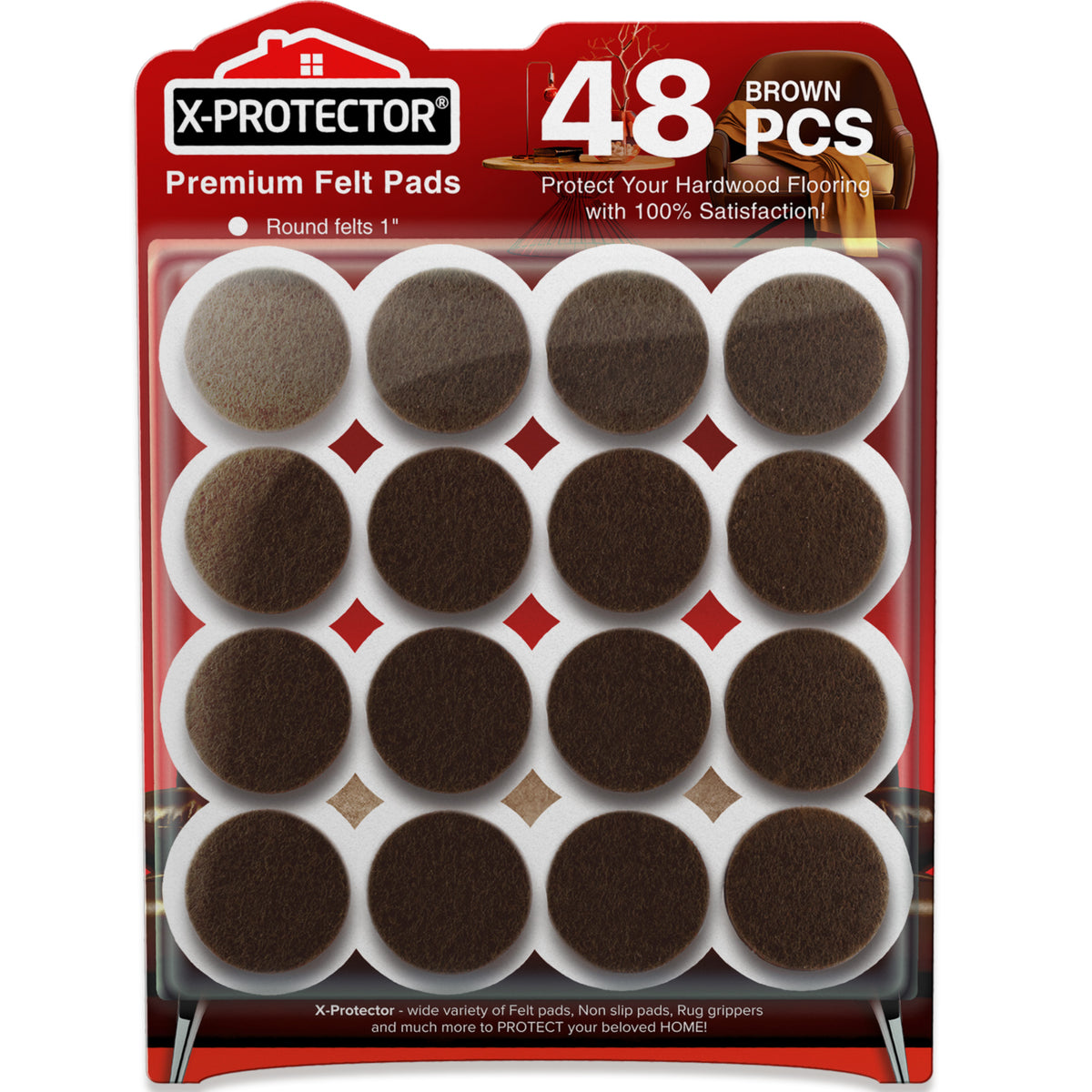
The reviewed X-Protector variation is a 48-piece pack of one-inch round adhesive felt pads. Before buying, count the legs on every dining chair that moves daily and inspect their contact shape. A one-inch circle should cover the foot without hanging over an edge and catching dirt. Rectangular, angled or narrow metal feet may call for a different protector. Wobbling furniture needs leveling or repair before a thin felt pad is applied. This article evaluates fit and upkeep using the product listing; it does not claim tested scratch prevention.

Clean both surfaces before applying
Lift one chair at a time and remove old adhesive and grit from the leg. Clean and thoroughly dry the contact point according to the chair material and adhesive instructions. Press a suitable pad firmly and let the bond establish as directed before dragging the chair across the room. Check the floor manufacturer’s guidance for compatible protectors; wood, laminate, tile and vinyl can have different maintenance requirements. Felt traps abrasive particles if left dirty. A pad that initially softens movement needs inspection rather than an assumption it will last forever.

Watch the clearance under the table
In a compact dining area, chairs shift often because the table also serves homework or work. Measure the chair’s path when pulled back and ensure the pads do not encourage pushing a chair into a wall or a rug lip. Felt can make a chair slide more easily on a hard floor, so teach children to sit steadily and avoid using a rolling-like chair at a table edge. On carpet, these pads may add little value. If noise, scratches and narrow chair clearance all compete, begin with the movement pattern before choosing a product.

Make replacement part of cleaning
During the weekly floor clean, tip each frequently used chair and check whether its pads are attached, clean and centered. Replace peeling or compressed pieces promptly so an exposed leg does not scrape the floor. Keep spare pads with your home maintenance supplies, not loose in a kitchen drawer where the backing attracts crumbs. If adhesive repeatedly fails, investigate leg material, moisture or a different protector design. A big pack is useful only if the sizes fit and the replacements stay findable. For the broader setup, How to Clean a Range Hood Filter in a Small Kitchen Without Spreading Grease Everywhere is a useful next read.
Measure more than the top of a chair leg
Turn the chair carefully and inspect the surface that actually touches the floor. A tapered wood leg may end in a smaller footprint than it appears from above; a metal leg may have a narrow plastic cap. Measure each contact patch and check whether its shape is flat enough for a one-inch round sticker. Count chairs, stools and spare seating separately. Forty-eight pads cover twelve four-legged chairs in theory, but the spare count matters because pads can detach or soil. If the floor protector supplied with the chair is already working, adding an adhesive pad may be unnecessary. For an irregular contact shape, compare a correctly sized wraparound or fitted cap rather than trimming a too-large circle until its adhesive edge is exposed.
Compare felt, rubber and chair mats
Felt can let a chair slide more smoothly on a compatible hard floor and can reduce direct contact, but it collects grit and requires replacement. A rubber cap may grip more strongly, which can help or frustrate movement depending on the chair and floor. A clear chair mat covers an area rather than each foot, yet occupies visible space and must suit the floor material. Check the floor manufacturer’s care instructions before choosing any of them; some finishes have specific restrictions. If the main complaint is wobble, none of these substitutes for tightening or leveling the chair. If the complaint is repeated scraping when children drag chairs, pair an appropriate protector with a gentler movement routine.
A first-month inspection plan
Clean and dry the feet, attach pads according to the product directions and inspect the chair after its first few normal uses. A pad that shifts or catches an edge should be replaced rather than pressed back over dirt. During weekly floor cleaning, turn frequently moved chairs one by one and feel for exposed adhesive, hard grit or a missing pad. Store replacements in a labeled container with the correct one-inch size so another household member can make the repair. Do not promise a fixed lifespan: humidity, floor texture, chair weight and how often chairs are dragged all affect wear. The value of a multi-pack lies in easy maintenance when the fit is correct, not in an assumption of permanent floor protection.
A fit check on four chair legs
Tip a chair safely and inspect the exact contact surfaces rather than guessing from the leg profile. A one-inch circle should lie flat inside each foot, with no overhanging felt to collect grit or peel. Some chairs have plastic feet, metal caps or tapered wood ends; those surfaces can require a different protector. Count every leg that regularly crosses the hard floor, including spare stools, then reserve replacements. The pack’s nominal count is useful only if the pads fit. If a chair wobbles before application, fix or level it first. A felt circle cannot correct a mechanical problem. Check the floor maker’s guidance too, since different finishes may call for different kinds of protectors.
Why a new pad can become abrasive
Felt is not a set-and-forget shield. Loose grit can lodge underneath or in the fibers, and a partly detached pad may expose adhesive or the hard chair foot. Thoroughly clean and dry the contact point before applying a fresh sticker according to directions. After a few days of normal chair movement, inspect whether the pads remain centered. During a weekly floor clean, look for dirt and compressed edges. Replace a suspect pad instead of pushing it back over debris. A child sliding a dining chair quickly across the room can put more stress on the pads than an adult lifting one. Improving that movement habit protects the floor as well as extending any protector’s useful life. For the broader setup, How to Clean Curtains in a Small Home Without Taking Over the Whole Room is a useful next read.
Compare other floor-protection options
A rubber cap may grip more firmly than felt, which helps with some furniture but makes frequent chair repositioning harder. A fitted sleeve can suit an unusual leg shape, provided it is compatible with the floor and stays secure. A chair mat protects an area and may look bulky in a small dining room. A rug can soften noise but creates cleaning and trip considerations and may need a suitable pad beneath it. If the main complaint is noise, test whether the sound comes from chair feet, a loose joint or a floor transition before ordering. These one-inch X-Protector pads are a targeted choice for compatible hard-floor chair feet, with regular inspection. We have not measured scratch or noise reduction in a controlled comparison.
How to choose the right replacement interval
There is no universal calendar date for a felt pad to be replaced. Look at the actual chair traffic: a dining chair pulled out three times each day will wear differently from a guest chair used once a month. Inspect the underside after applying the pads and again after the first few meals. Replace any piece that slides, peels, compresses unevenly or holds visible grit. Once the system is established, check frequently moved legs when cleaning the floor. Store a few matching one-inch replacements with the furniture tools so the repair takes a minute. If adhesion fails repeatedly, investigate leg material, surface preparation and room moisture rather than piling new adhesive over old residue. If a pad’s diameter overhangs a foot, switch to a better shape. The goal is continuous clean contact between the chair and the compatible hard floor; a large pack alone does not guarantee it.
The dining chair plus rug case
A dining chair that crosses from a hard floor onto a rug creates a different problem from one that stays entirely on wood or tile. Felt can catch at a rug edge or collect fibers; a pad may detach during repeated transitions. Watch the actual pull-back path before placing stickers on every leg. Move the rug or table if necessary so chairs can be used without snagging. On the hard floor, clean grit before adding pads and follow the flooring maker’s guidance. An appropriately fitted cap or a different rug layout could be more reliable for mixed surfaces. Product diameter alone does not settle the decision. If you are working on the same space, How to Clean Entryway Mud, Road Salt, and Wet-Shoe Mess Without Spreading It covers the next decision in more detail.
Who should buy this pack
Choose the one-inch pads for compatible, clean chair feet on a hard dining-room floor when you can inspect and replace them. Skip this exact size for narrow, irregular feet or a floor maker that recommends another type. Confirm pack count, diameter and seller on the listing, which may have other variations. We have not performed floor scratch, adhesive lifespan or noise measurements.
A two-minute pre-purchase check
Measure the working and storage positions, read the current installation and care instructions, and check whether the item you already own solves the task. Confirm the exact model, variation, pack quantity, seller and return terms. Product pages and prices change; this editorial recommendation reflects the documented design and the room-specific constraints above, not a hands-on performance trial.
Keep the room system working
Read How to Measure a Small Dining Area Before Buying a Table: Chairs, Walkways, Leaves, and Real-Life Clearance. Read How to Plan Chair Clearance and Walkways in a Small Dining Room. Read How to Keep Area Rugs Clean in a Small Family Home With Kids. Browse Buying Guides for more small-home product decisions.
Check the exact Amazon listing
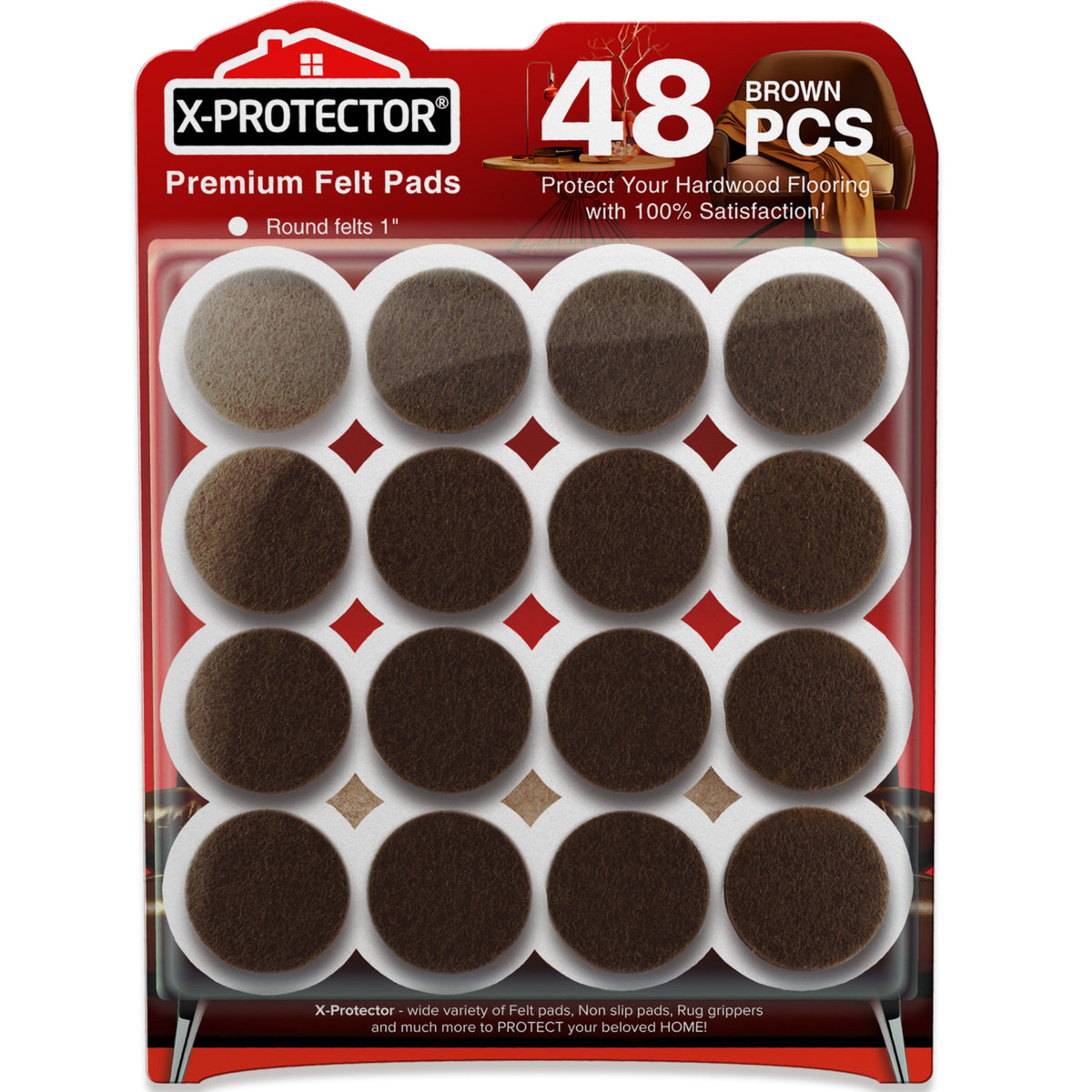
View X-Protector 48-Piece 1-Inch Felt Furniture Pads on Amazon. Verify compatibility and the current offer before checkout.
Frequently asked questions
Will one-inch pads fit every chair?
No. Measure each foot’s contact surface; choose a protector that fits its actual shape.
Do felt pads work on carpet?
They are aimed at hard floors; carpet may need a different approach.
How often should I replace them?
Inspect regularly and replace when peeling, compressed or full of grit.
Sources
- Amazon product listing — https://www.amazon.com/dp/B082VJZ63B
- Product documentation — https://www.amazon.com/dp/B082VJZ63B