Curtain cleaning is easy to postpone because the job spreads. Panels come down, hooks scatter, rods collect dust, wet fabric occupies chairs, and the room feels under renovation. For the broader setup, How to Plan Chair Clearance and Walkways in a Small Dining Room is a useful next read.
In a small home, finish one window before dismantling the next. That protects privacy, light control, drying space, and hardware order. For the broader setup, A Simple Seasonal Declutter Before Bringing Holiday Decor Into a Small Home is a useful next read.
Read the label before removal
Identify fiber, lining, blackout coating, trim, and care instructions. Some panels are washable; others need spot care or professional cleaning. Lining and face fabric may react differently.
If the label is missing or the fabric is valuable, delicate, structured, or heavily lined, use conservative care.

Photograph the installation
Take clear photos of hooks, rings, pins, clips, overlaps, and hem direction. Count hardware and place it in one labeled container for that window. You may also find A Seasonal Deep-Cleaning Plan for Small Homes That Doesn’t Take Over the Weekend useful for a closely related small-home problem.
This two-minute record prevents rehanging from becoming a puzzle.
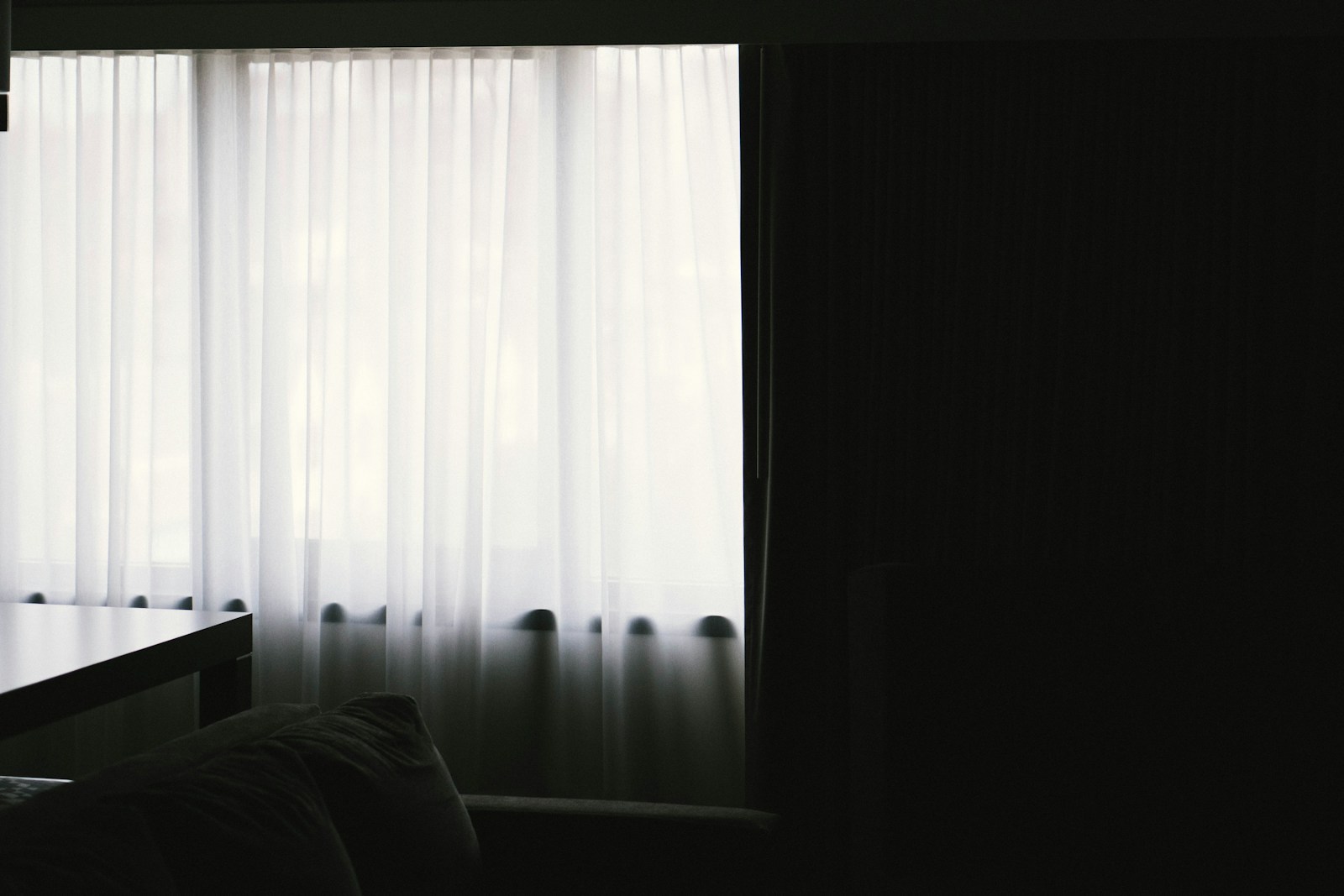
Remove dry dust first
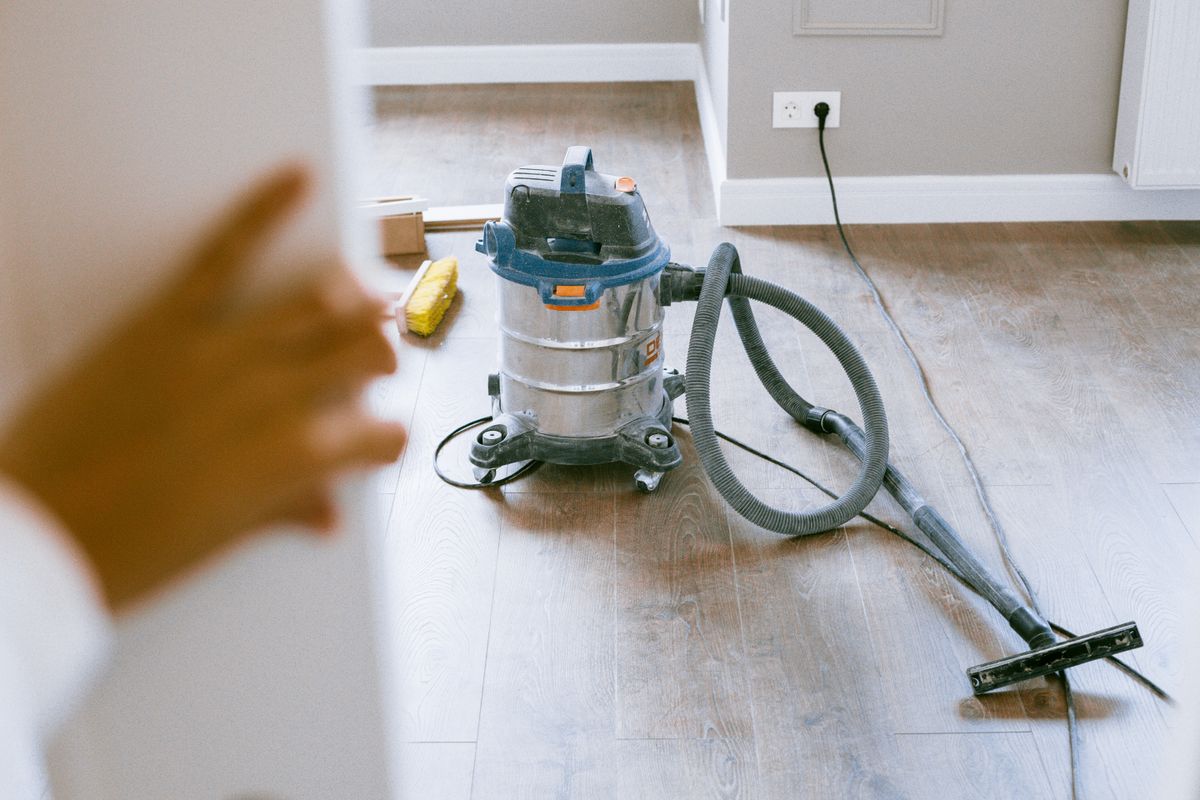
Use a vacuum upholstery attachment at appropriate suction, a lint tool, or the fabric-recommended method. Work top to bottom and support delicate material.
Dry removal matters because water can turn dust into gray smears and rings.
Clean rod, track, and sill separately
With the panel down, dust the rod or track and inspect brackets. Clean the sill with a material-appropriate method without saturating anchors. For the broader setup, How to Keep a Small Home Clean With Pets Without Cleaning All Day is a useful next read.
If tracks need attention, use the dry-first window-track guide.

Spot-test stains
Test solution in an inconspicuous area. Blot rather than scrub aggressively, especially at dyes, hems, and linings. Oil and water rings may require different care.
Do not mix products or assume stronger chemistry is safer.

Machine-wash only approved panels
Follow the label for temperature, cycle, detergent, drying, and load size. Remove hooks and loose hardware unless instructed otherwise and do not overload the machine.
Wash matching panels together when appropriate so color and wear remain consistent.
Handle structured curtains conservatively
Regular vacuuming may be the main home-care method. Steaming can help some fabrics, but heat, moisture, coatings, and water spotting create risk.
Professional care may be best for interlined, pleated, velvet, silk, embellished, or uncertain panels.
Treat kitchen curtains as grease plus dust
Kitchen textiles may hold aerosolized grease. Vacuuming alone may not remove film, while careless washing can set stains or damage coatings.
Use the approved method and clean nearby surfaces so fresh fabric is not immediately recontaminated.
Plan drying before washing
Choose a place that does not block doors, touch heaters, drag on floors, or cover every chair. Follow line- or tumble-dry instructions and do not place heavy wet panels on an underrated rod.
Airflow helps, but direct heat or strong sunlight may not suit every fabric. The care label remains the authority.
Rehang while that window is still the active project
Return the correct hardware, check hems and overlap, restore child-safe cord arrangements, and keep fabric away from vents or damp window surfaces.
Only after that window is fully restored should the next set come down.
Choose a realistic maintenance rhythm
Dry dust removal can happen more often than full washing. Homes with pets, open windows, cooking residue, smoke exposure, or allergy concerns may need more frequent attention.
Inspect rather than following a decorative calendar. Fading, damaged coating, weak hems, or failing hardware may call for repair instead of another wash.
Adjust the method for common curtain types
Sheers may snag and need gentle handling. Blackout panels may have coatings that dislike heat or folding. Heavy lined curtains hold more water and strain rods. Natural-fiber panels may shrink or change texture. The care label and construction matter more than the room where the curtain hangs.
Account for pets and allergy concerns
Pet hair often concentrates near lower hems and window perches. Remove it dry before washing and clean nearby upholstery and sills so the curtain is not immediately reloaded. People with dust sensitivities may prefer a mask and controlled bagging while panels come down, following appropriate personal guidance.
Cleaning frequency should respond to actual exposure rather than a universal seasonal schedule.
Inspect before reinstalling
Check hems, hooks, heading tape, lining, and cord hardware while the panel is accessible. Repairing one loose point before rehanging is easier than taking the curtain down again next week.
If the fabric changed size or shape, do not force it with high heat. Recheck the label and use conservative finishing or professional advice.
Continue through the right silos
Browse Cleaning and the verified Small Rooms hub.
My conclusion
Respect the fabric and limit the job’s footprint: document hardware, remove dry dust, use the approved method, arrange drying first, and restore one window before starting another.
Frequently asked questions
Can all curtains be machine washed?
No. Fiber, lining, coatings, construction, and care labels vary.
Should curtains be vacuumed first?
Usually yes when permitted, because dry removal reduces wet residue.
Can curtains dry while hanging?
Only when instructions, fabric weight, rod capacity, protection, and ventilation make that appropriate.