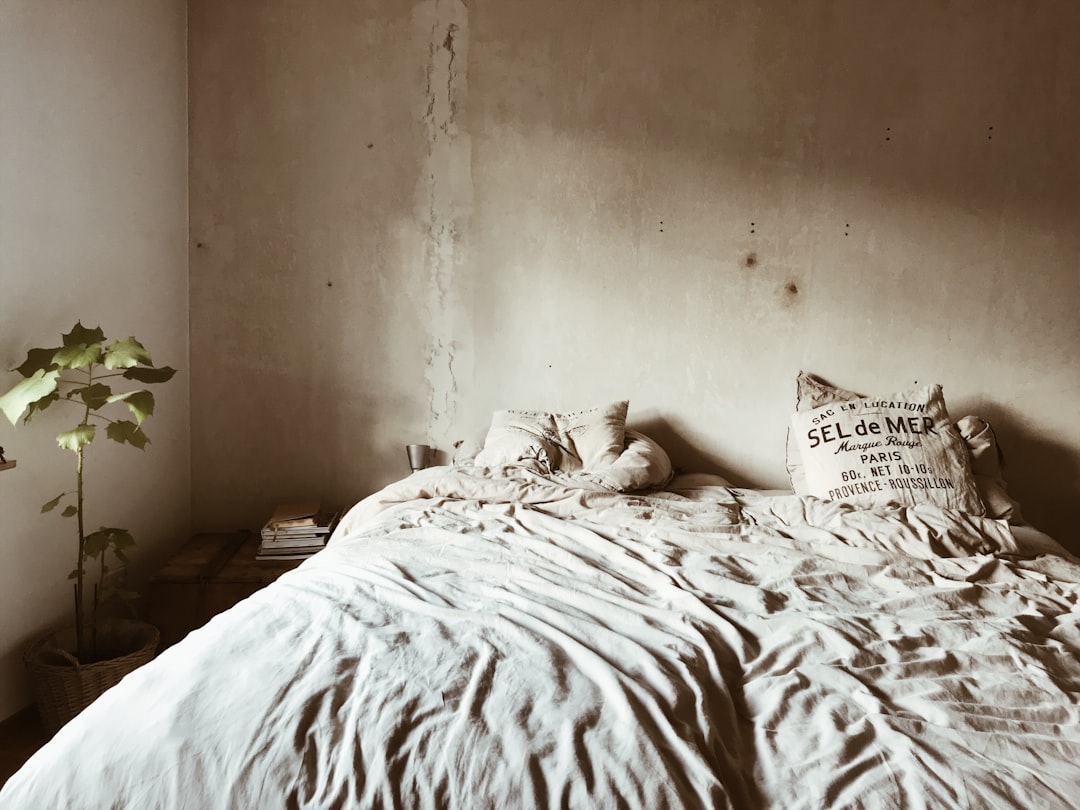
Dust feels more noticeable in a small bedroom because everything is close together. The bed, dresser, floor, curtains, clothing, and bedside surfaces all sit within a few steps of one another. For the broader setup, The 15-Minute Bedroom Reset for Days When Everything Lands on the Floor is a useful next read.
The answer is not wiping the room every day. It is making fewer places difficult to reach and giving dust a short, repeatable route. You may also find How to Keep a Small Kitchen Floor Clean When You Cook Every Day useful for a closely related small-home problem.
Start with the surfaces that collect dust fastest
In most bedrooms, that means the nightstand, dresser top, exposed shelves, lamp base, window ledge, headboard, and the floor edge around the bed.
If one of those areas is covered with decor, cables, clothes, or storage, the cleaning friction goes up immediately.
Keep the bedside area simple
A lamp, book, glasses, phone, and water can already make a small nightstand feel full. Try to avoid letting receipts, chargers, medicine packaging, hair accessories, and laundry collect there.
The easier the surface is to clear, the more likely it is to get dusted when needed.
Close the clothing loop
Loose clothes add fibers, block floor edges, and make cleaning around the bed harder. Dirty clothes go to the hamper, clean clothes go away, and wear-again items need one defined hook or basket. For the broader setup, How to Organize Cleaning Cloths, Rags, and Mop Pads Without Mixing Clean and Dirty is a useful next read.
For a bedroom where clothing is the main problem, use How to Keep a Small Bedroom Clean When Clothes Keep Piling Up.
Keep the space under the bed intentional
Loose bags and random boxes trap dust and make the area almost impossible to clean. If you use under-bed storage, keep it in a few contained categories that slide out easily.
See How to Use Under-Bed Storage Without Creating a Hidden Clutter Zone.

Reduce fabric overflow
Extra blankets, decorative pillows, unused throws, and clothing draped over furniture all create more textile surface area. Keep what the room actually uses and rotate seasonal items out.
Give the floor edge access
The narrow strips beside the bed and dresser are often where dust becomes obvious. Avoid filling those edges with shoes, baskets, bags, and packaging.
A clear edge is much easier to vacuum, sweep, or mop according to the flooring type.
Do high surfaces before the floor
When doing the weekly dust route, start with higher accessible surfaces and finish with the floor so displaced dust is handled at the end.
Use the right method for the surface
Dry dusting, damp wiping, vacuum attachments, and floor tools are not interchangeable for every material. Use methods appropriate to the furniture finish, electronics, fabric, and flooring.
Wash bedroom textiles on a realistic schedule
Bedding, pillowcases, throws, and washable fabric items should follow their care instructions and your household’s use. The goal is consistency, not an aggressive schedule that creates more laundry than the room can process.
The 12-minute weekly bedroom dust route
- clear the nightstand and dresser top,
- dust accessible high surfaces,
- handle window ledges and lamp bases,
- check the headboard or bed frame,
- move loose floor items,
- clean the floor around and under accessible furniture,
- return only the items that belong.
If the bed is close to the wall
Do not create a storage strip in the narrow gap. Keep it as open as possible so the area can be reached with the tool that fits your setup.
If the room still feels dusty immediately
Look for stalled categories: open clothing piles, fabric overflow, crowded shelves, or under-bed clutter. Reducing cleaning obstacles often matters more than adding another cleaning product.
Frequently asked questions
How often should I dust a small bedroom?
Use visible buildup and household needs as the guide. A short weekly pass is a practical starting point for many bedrooms.
Should I keep things under the bed?
Yes, if they are contained, low-frequency, and easy to move for cleaning.
Why does dust collect beside the bed?
That edge receives fibers and debris while often being harder to access during normal cleaning.
Make dust easy to reach
A bedroom stays easier to maintain when surfaces are not overloaded, clothes have a closed loop, and the floor edges stay accessible. You do not need to clean every day—you need the weekly clean to be easy enough to actually finish. If you are working on the same space, How to Deep Clean a Small Bedroom Without Losing a Whole Day covers the next decision in more detail.