Decluttering advice becomes confusing when one rule is presented as if it should govern the entire house. “One in, one out.” “Everything must fit in the container.” “Declutter every season.” Each rule sounds simple, and each can work extremely well. None is equally good for every category. You may also find Does the One-In, One-Out Rule Actually Work in a Small Family Home? useful for a closely related small-home problem.
In a small home, I care less about ideological purity and more about whether the rule prevents a category from quietly outgrowing the space allocated to it.
So rather than asking which decluttering method is best, I compare them by category stability, rate of change, emotional difficulty, and physical capacity. For a related step-by-step approach, see Clear Bins vs. Opaque Baskets: Which Storage Works Better in a Small Home?.
Rule 1: the container limit
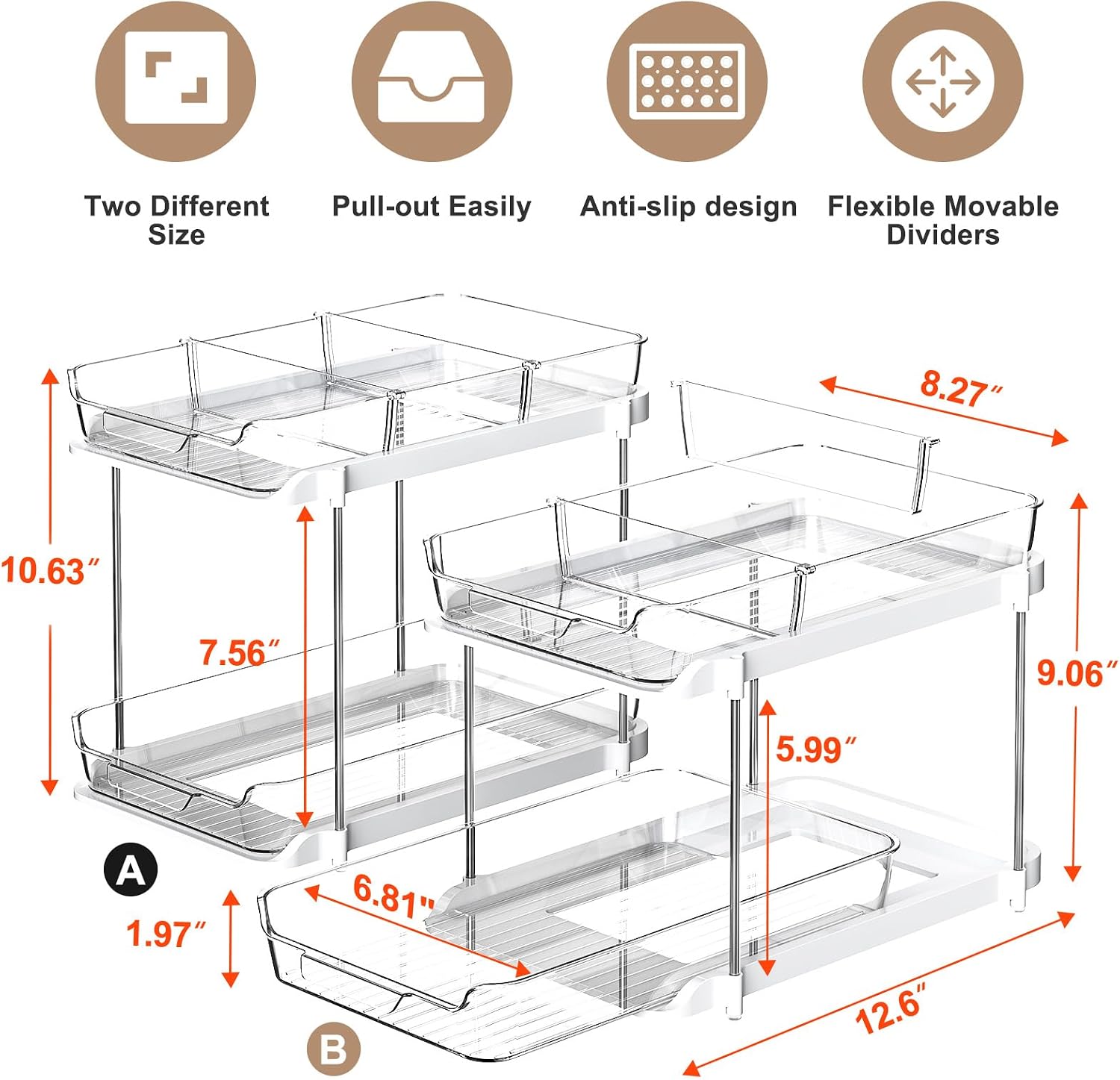
The container limit says the category may own only the space assigned to it. Books fit on this shelf. Toys fit in these bins. Towels fit in this cabinet. When the category exceeds the boundary, the answer is not automatically another container; the category must be reviewed.
This rule is powerful because it turns an abstract question—“Do I have too much?”—into a physical one: “Does this category fit its home without creating access problems?”

Best categories for container limits
- toys,
- mugs,
- food-storage containers,
- books,
- cleaning cloths,
- gift wrap,
- shoes,
- craft supplies.
These categories tend to expand gradually and benefit from a visible ceiling.
Where the rule fails
A container can be too large. If you choose storage based on the amount you already own, the “limit” may simply preserve excess. The system is only useful when the container size reflects the space you are genuinely willing to spend.
If the chosen container still holds too much, use the guide to deciding what to remove first before expanding the limit.
Rule 2: one-in-one-out
One-in-one-out is best understood as a replacement rule. A new coat replaces an old coat. A new pan replaces a worn pan. A new pair of running shoes replaces the pair being retired.
It works beautifully when a category is stable and the new item serves roughly the same role as the old one.

Best categories for one-in-one-out
- adult everyday shoes,
- coats,
- basic cookware,
- small appliances,
- bed pillows,
- luggage,
- routine personal-care tools.
Where it fails
Families do not always grow in matched pairs. A child may need three new school uniforms without three exact old replacements leaving that day. A household may take up camping and genuinely add a new category. A baby changes the inventory model entirely.
One-in-one-out becomes frustrating when life is in an expansion stage.
Rule 3: seasonal review
A seasonal review accepts that categories change. Instead of forcing a decision every time something enters, you schedule a larger reset several times a year or at meaningful transitions: school start, winter changeover, summer, post-holiday, moving, or a child’s size change. For a related step-by-step approach, see A Simple Seasonal Declutter Before Bringing Holiday Decor Into a Small Home.
This is less precise day to day, but often more realistic for family inventory.

Best categories for seasonal review
- kids’ clothes,
- sports gear,
- holiday decor,
- seasonal shoes and coats,
- school supplies,
- outdoor gear,
- guest supplies.
The guide to doing a seasonal closet switch without making a bigger mess is an example of decluttering tied to a natural household transition.
Which rule creates the least decision fatigue?
For stable adult categories, one-in-one-out is extremely low effort. You make the decision at the moment of replacement.
For high-volume categories, container limits are easier because the physical boundary makes the decision for you.
For fast-changing family categories, seasonal review is usually less exhausting than monitoring every item as it arrives. If you are working on the same space, How to Organize Family Photos and Printed Keepsakes in a Small Home covers the next decision in more detail.
Kids change the logic
Children grow, change interests, inherit hand-me-downs, start sports, and receive gifts. Rigid replacement rules can break quickly.
I prefer a combination: a container limit for active toys, size-based review for clothing, and seasonal review for sports and school gear.
If toys are the issue, a toy rotation system parents can maintain can reduce the visible layer without pretending the entire toy inventory is static.

Sentimental categories need a slower rule
One-in-one-out is usually a poor fit for sentimental objects because the new object is not a replacement. Container limits can work, but the container should be intentionally generous enough to respect the category rather than turning every keepsake into a crisis.
I like a “curated container” approach: one memory box per person or life stage, reviewed infrequently and deliberately.
The goal is not to force emotional decisions at speed. It is to prevent the category from expanding invisibly across the whole home.

Kitchen categories: use different rules inside one room
Mugs may use a container limit. A toaster may follow one-in-one-out. Holiday baking tools may be reviewed seasonally. Pantry food needs expiration and turnover rules rather than any of these alone.
This is why whole-house rules often become too blunt. Categories behave differently even when they share a cabinet.
Clothing: the best rule depends on the person
An adult with stable size and style may thrive on one-in-one-out. A teenager may need seasonal review because size, school requirements, and preferences change. A shared closet may use a fixed rail or drawer as a container limit for each person.
Do not choose the decluttering rule first and force the category into it. Observe the category, then choose the rule.
My hybrid rule set for a small home
- Container limit: for categories that slowly expand.
- One-in-one-out: for stable replacement items.
- Seasonal review: for categories driven by growth, weather, school, or hobbies.
- Special review: for sentimental and high-emotion categories.
This is simpler than trying to make one rule govern everything.
What if all three rules keep failing?
If a category repeatedly exceeds limits, ask whether the assigned space is unrealistic or the inventory is genuinely too large. Sometimes the household truly needs more space for that category. More often, a hidden inflow—sales, gifts, duplicates, bulk buying—keeps refilling the system.
The article on decluttering a small home when you do not know where to start is better for broad volume problems than adding stricter rules to one drawer.
Explore this topic
Browse more practical guidance in the Home Organization hub. Room focus: Small Rooms.

Expert conclusion
Container limits are best when physical capacity should control growth. One-in-one-out is best when new items genuinely replace old ones. Seasonal reviews are best when family life changes faster than a daily rule can reasonably track.
The most sustainable small-home system is usually a hybrid. Use the simplest rule that matches the way the category actually changes, and let the storage boundary—not guilt—tell you when a decision is due.