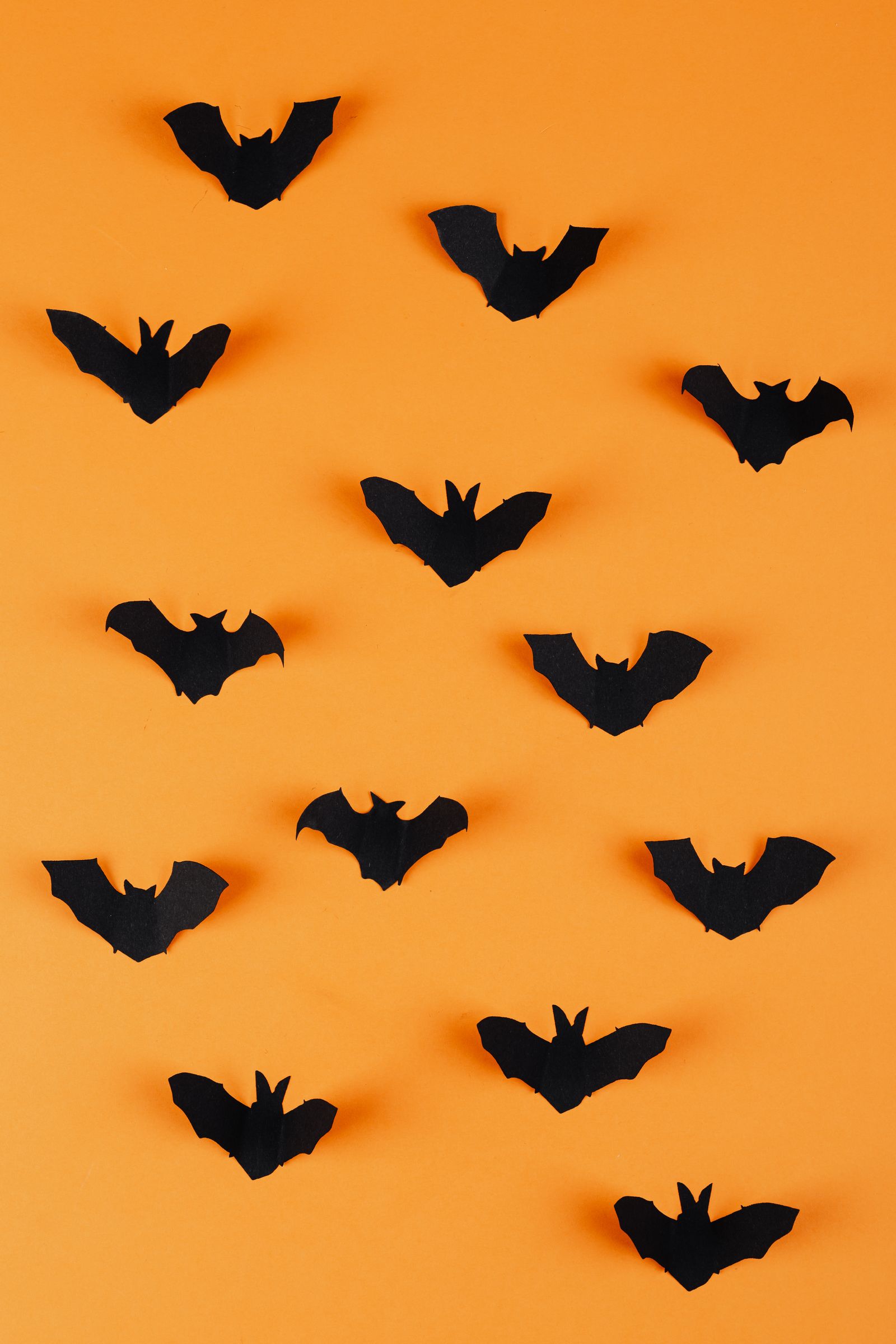
A flight of black bats can make a small living room feel ready for Halloween without placing another object on the coffee table. The strongest arrangement follows a clear route across one wall, leaving the floor, seats, and everyday storage available. A dozen well-placed shapes can create more movement than a pack scattered across every surface. You may also find How to Give Siblings More Privacy in a Shared Small Bedroom Without Building a Wall useful for a closely related small-home problem.
This guide plans a bat-wall display for an apartment or small living room. You will choose the route, decide between paper and purchased shapes, check the mounting surface, and keep the removal plan accessible. The visual design comes first; the wall and mounting instructions decide how it can be installed. You may also find How to Reset a Small Apartment After a Trip Without Living Out of a Suitcase for a Week useful for a closely related small-home problem.
As an Amazon Associate, Small Home Rhythm earns from qualifying purchases.
Choose a wall with a beginning and an end
Look for one uninterrupted area visible from the main seat or entrance. A section beside a bookcase, a blank wall near an existing picture, or a suitable panel can provide enough space. Keep the display clear of vents, controls, doors, and anything the household needs to reach.
A diagonal route is an easy starting point. Imagine the bats emerging from a lower corner and rising toward the opposite side of the chosen area. The route does not have to cross the whole room. A short contained flight often feels more intentional than shapes wandering around three walls.
Before choosing the endpoint, consider how the room is used. Our guide to making a small living room feel bigger with existing furniture helps preserve the room’s useful openness. Keep the seasonal display within a visual area that does not require moving essential furniture.
Set the flight’s width before cutting or opening a pack
Draw the route on paper with a loose curve through it. Mark three clusters: the departure, the main flight, and the disappearing end. Leave gaps between those clusters. The empty wall gives the bats direction and prevents the scene from looking like a repeating wallpaper pattern.
Use larger silhouettes in the main cluster and smaller ones toward the end. This is a design choice rather than a rule about the exact number of bats. A little variation suggests a flock moving through space, while alternating large and small in a perfect sequence can look overly arranged.
Try an approximate layout on the floor or table before mounting. Place the shapes on a clean background within the planned dimensions. Photograph that temporary arrangement so you can follow it without leaving loose pieces attached to the wall as markers.
Check the composition from the room’s normal viewing distance. If the route feels crowded, remove a few silhouettes from the middle. If it looks like disconnected dots, bring one cluster closer together. Improve the relationship between shapes before increasing the total count.
Pick one of three compositions
A rising diagonal
Begin with a small cluster at one side and rise across the chosen wall section. Keep the upper end sparse. This version works when the furniture below is already simple and you want a clear seasonal gesture above it.
A curve around existing art
Let the bats pass beside an existing mounted picture without touching its frame or covering the art. Keep a visible space around the picture so its original role remains clear. Do not assume a frame can support additional ornaments or mounting hardware.
A contained night-sky panel
Put the bat composition on a suitable freestanding or securely mounted display board instead of the painted wall. A large paper moon on the panel provides a backdrop. This is useful when the wall finish or tenancy agreement does not permit the proposed adhesive.
Choose one composition rather than combining all three. The living room already contains furniture, art, windows, and storage. A single flight gives the eye a seasonal destination without asking every corner to join the scene.
Choose paper bats for a project you can resize
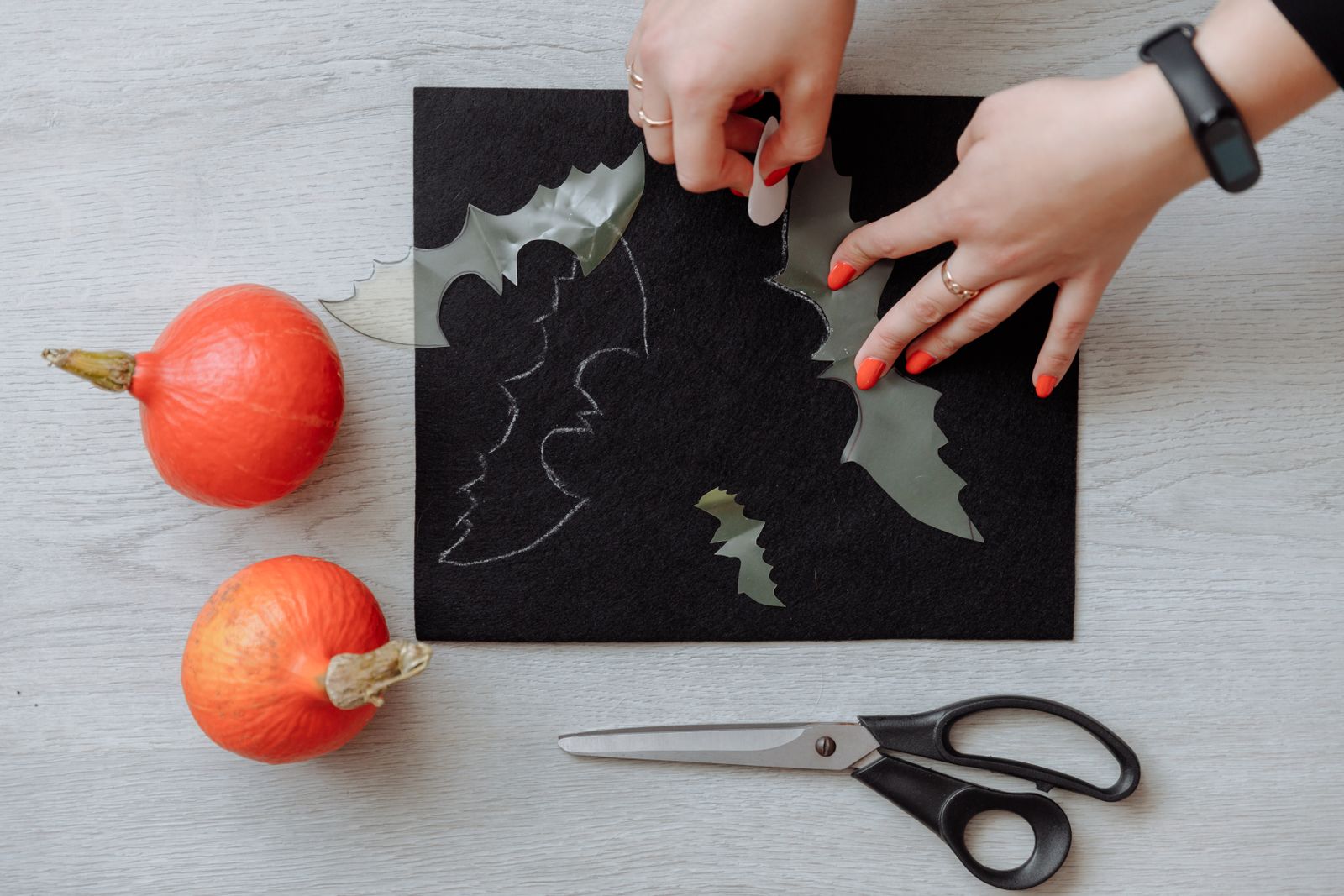
Paper lets you match the shapes to the actual wall. Make a simple symmetrical template by folding a sheet and drawing half a bat around the fold. Cut a test shape first, then open it and check whether the wings read clearly from across the room.
Prepare two or three template sizes rather than redrawing every bat. Keep the shapes broad enough that the wings do not become delicate strips. Fold or angle the paper only in a way that suits its mounting method and keeps the finished shapes stable.
An adult should choose tools and supervise any age-appropriate participation. Cutting the silhouettes is separate from mounting them. Keep scissors, small offcuts, adhesive pieces, and loose decorations controlled, especially around young children and pets.
You do not need perfect zoological detail. A strong silhouette with pointed wings and a recognizable central body will communicate the theme. Overly fine cuts tend to disappear at normal room distance and make the project more fragile.
Choose purchased bats for a ready-made silhouette set
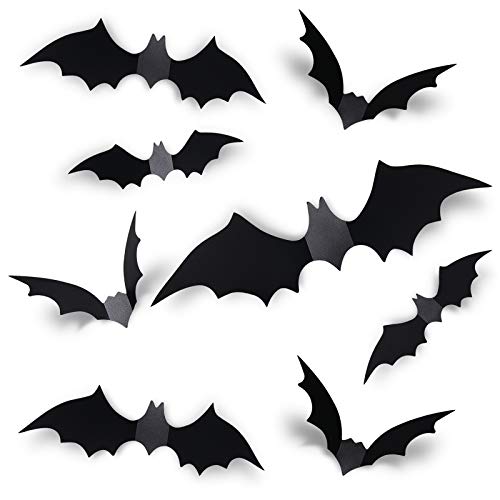
The selected Coogam 60-piece Halloween bat decoration set provides four published sizes and is packed flat for arranging wing angles. It can save template and cutting time if those sizes suit your design.
The listing includes adhesive strips and describes application to smooth, dry surfaces. It also warns against placement on vents. Those details do not establish compatibility with every painted wall or rental finish. Check the delivered instructions and the surface before committing to an installation.
Use only the number of bats the composition needs. A larger set can provide a selection of sizes, but it also creates more pieces to inspect, install, remove, and store. Decide where the spare shapes will go before buying the pack.
This product suggestion is based on the listing’s identity and published design. We have not tested its adhesive, removal, or paint compatibility. Avoid treating a seller’s removable claim as a guarantee for an unknown surface.
Make the mounting decision separately from the pattern
A beautiful arrangement does not make an unsuitable adhesive suitable. Identify the wall finish and read the exact mounting product’s application, surface, weight, and removal requirements. If you cannot confirm the combination, use the display-panel version or another supported location.
Do not mix instructions from different products. Included adhesive squares, removable strips, and decorating clips may prepare the surface differently and may support different objects. A method approved for one does not automatically apply to another.
Where a specific compatible removable mount is permitted, leave its removal access available. Do not conceal a stretch-release tab so thoroughly that you cannot use it later. Keep the package instructions with the spare mounting materials.
For general context, Command’s mounting FAQs emphasize selecting the product for the object, surface, and setting. Consult the instructions for the actual item you use. That source is not a recommendation to substitute Command hardware into the Coogam set or to improvise a new attachment.
Install in stages and pause after the first cluster
Lay out the planned shapes on a nearby work surface and begin with the main cluster. Apply each piece using the approved method, then step back. The first cluster establishes the scale more effectively than a ruler alone.
Complete the route toward the smaller endpoint, preserving the gaps from your sketch. Avoid repeatedly moving adhesive-backed pieces unless the product permits repositioning. If the placement needs substantial revision, stop and resolve the installation method before continuing.
Keep a clear walking route while working. Do not balance on furniture or shift a chair into a doorway as a makeshift installation platform. If a section cannot be reached using an appropriate safe method, lower or shorten the composition.
Keep the room comfortable after the bats go up
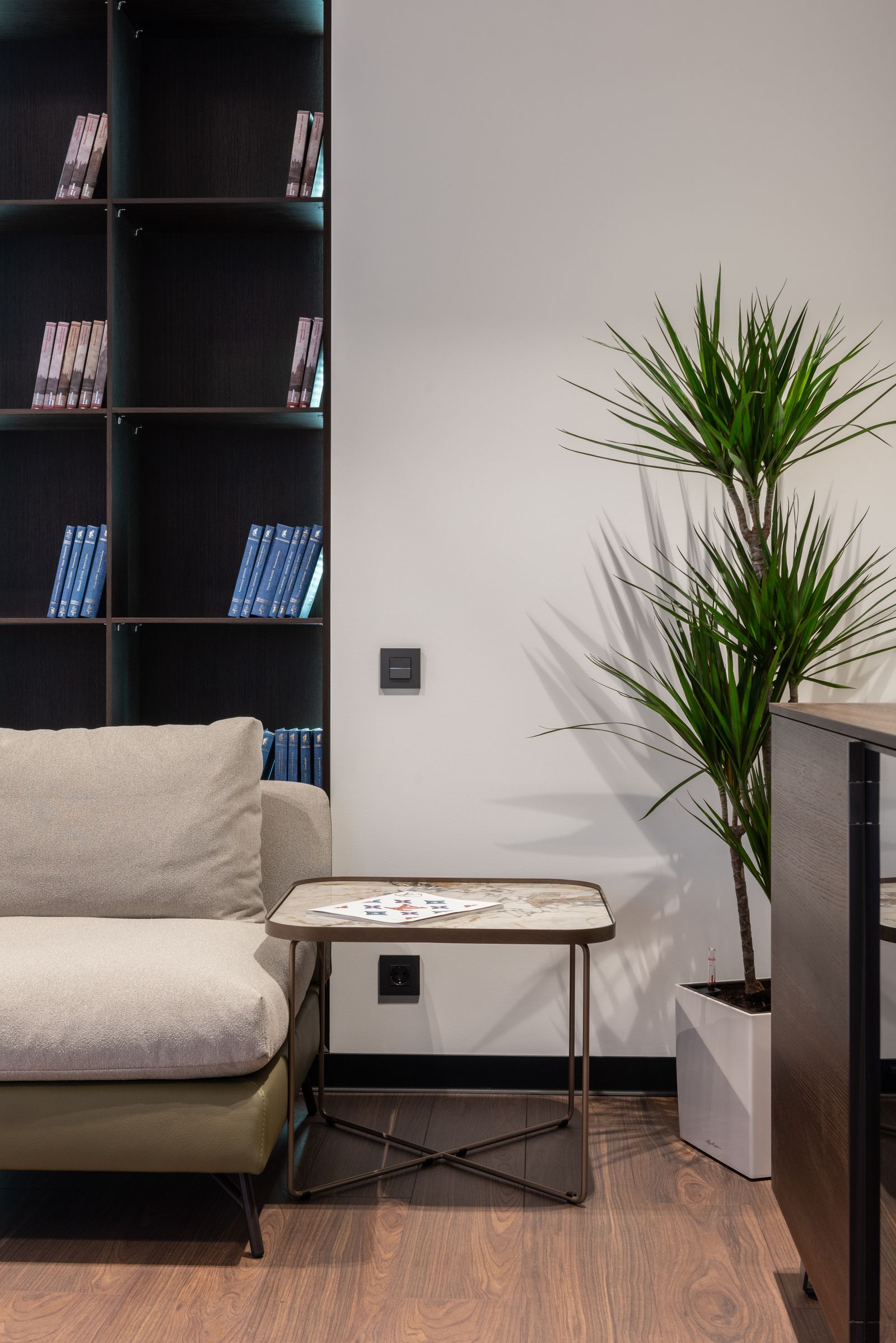
Open the curtains, turn on the usual lamps, and sit in the main seats. Look for wings that overlap a lamp, decoration that distracts from the television, or small dark shapes that become visually cluttered against another pattern. Shortening the display may improve the room more than adding a second Halloween feature.
Check everyday storage too. Cabinet doors and drawers should move freely; a display should not turn a bookcase or cupboard into a prop nobody can use. Our living-room furniture guide for families helps account for the movement and activities that continue during October.
If the room already has a strong patterned wall or busy art collection, the panel composition may read better than attaching bats between existing details. A plain backdrop creates a defined scene and can reduce the amount of decoration needed.
Make the same idea gentler or more dramatic
For a gentle version, combine the bats with a large pale moon on the separate panel and keep the flight short. Rounded paper shapes and a cheerful title can make the display feel playful rather than threatening.
For a dramatic version, use a tighter central cluster and let the rest of the wall remain plain. Increase contrast rather than adding gruesome props. Black shapes on a pale surface can be striking under ordinary room lighting.
For a household that disagrees about scary decorations, choose a public-room display everyone can tolerate. Save more intense imagery for a space agreed by its users. The Small Space Living hub offers other ways to work within the limits of a shared room.
Plan the return to a plain wall
Before removal, photograph the whole flight and note the useful sizes. Take the pieces down with the mounting method’s specified procedure. Do not pull decorations directly outward if their attachment requires a different removal motion.
Inspect each shape and the surface as you work. Separate damaged bats from those worth retaining. Keep reusable pieces flat or protected as their instructions allow, and use fresh mounting materials when required rather than preserving old adhesive as a shortcut.
Our guide to small-home seasonal decor storage helps keep the compact project together. A labeled envelope or appropriate flat container may suit paper silhouettes; a purchased set should follow its own storage needs.
The finished bat wall should leave you with a room that is still easy to walk through, use, and restore. A well-composed flight earns its effect through direction, contrast, and empty space. Once those are working, the remaining bats can stay in the package.
The living-room guides offer other ways to balance a decorative focal point with seating, storage, and clear everyday routes.