Drink coasters are easy to overlook until a stack starts sticking together or a damp underside returns to the dining table. Their small size can encourage a one-bowl cleaning shortcut, but coasters are made in very different ways. A printed board with cork backing, a solid cork disk, and a woven fiber mat should not inherit the same washing instructions.
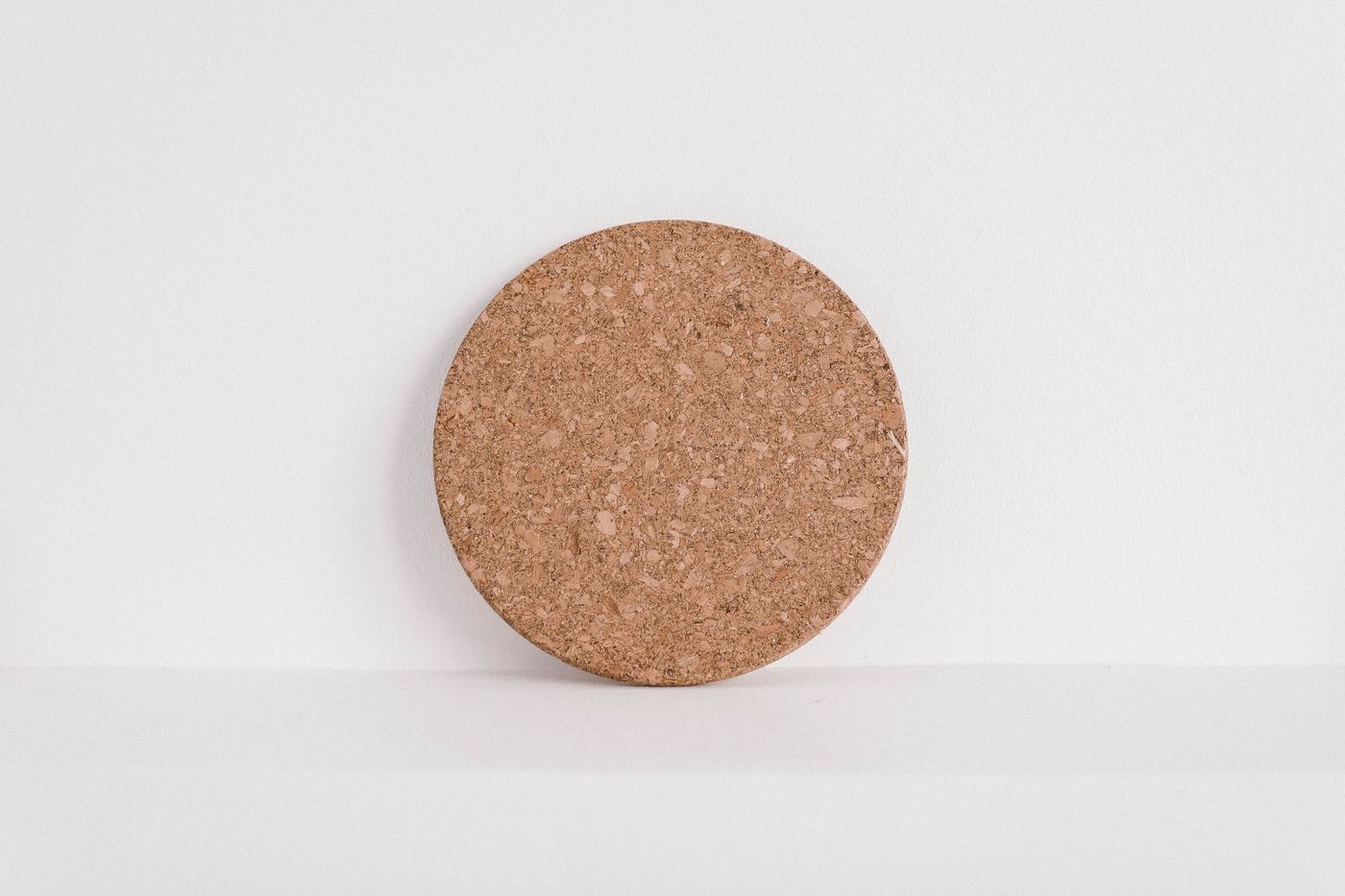
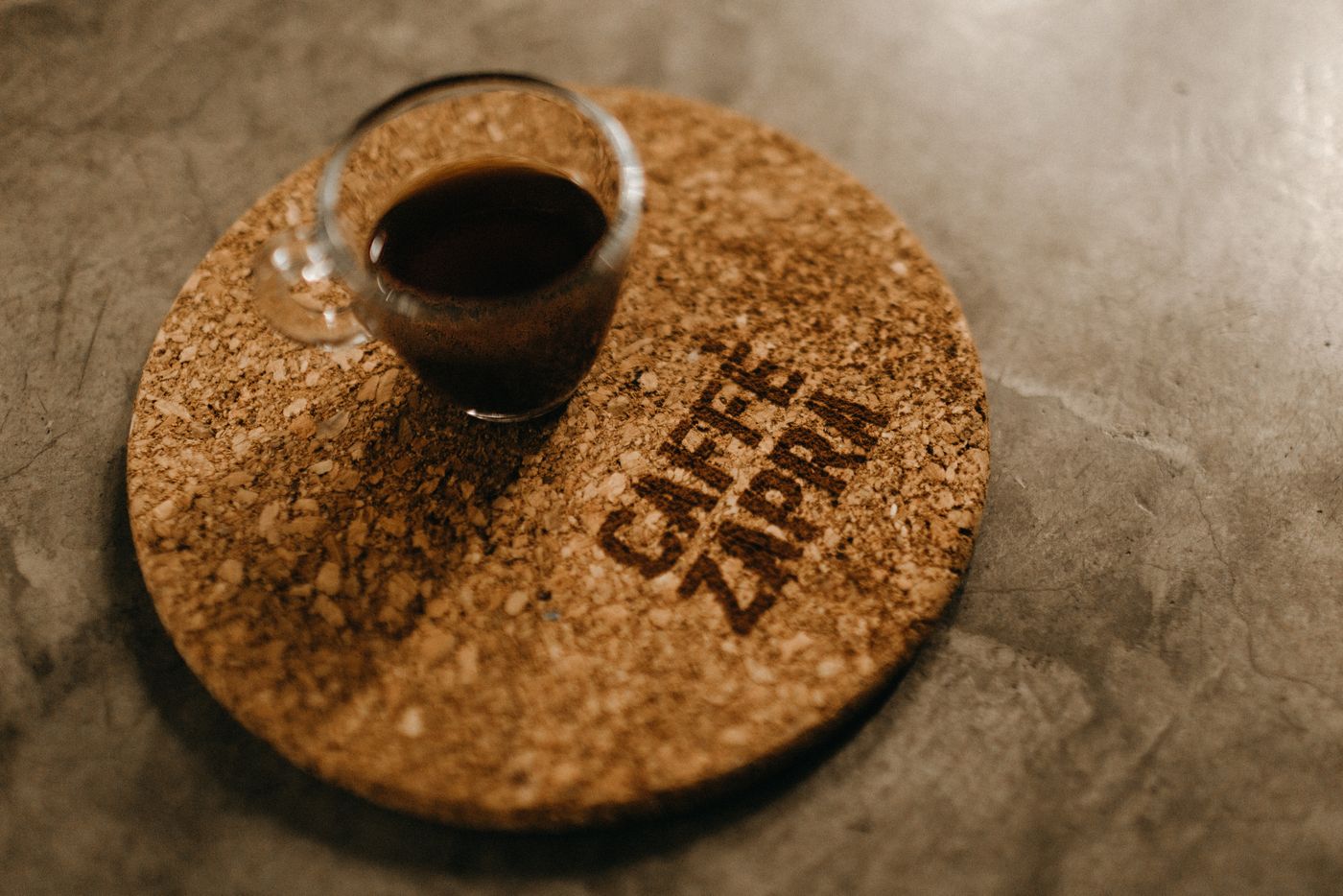
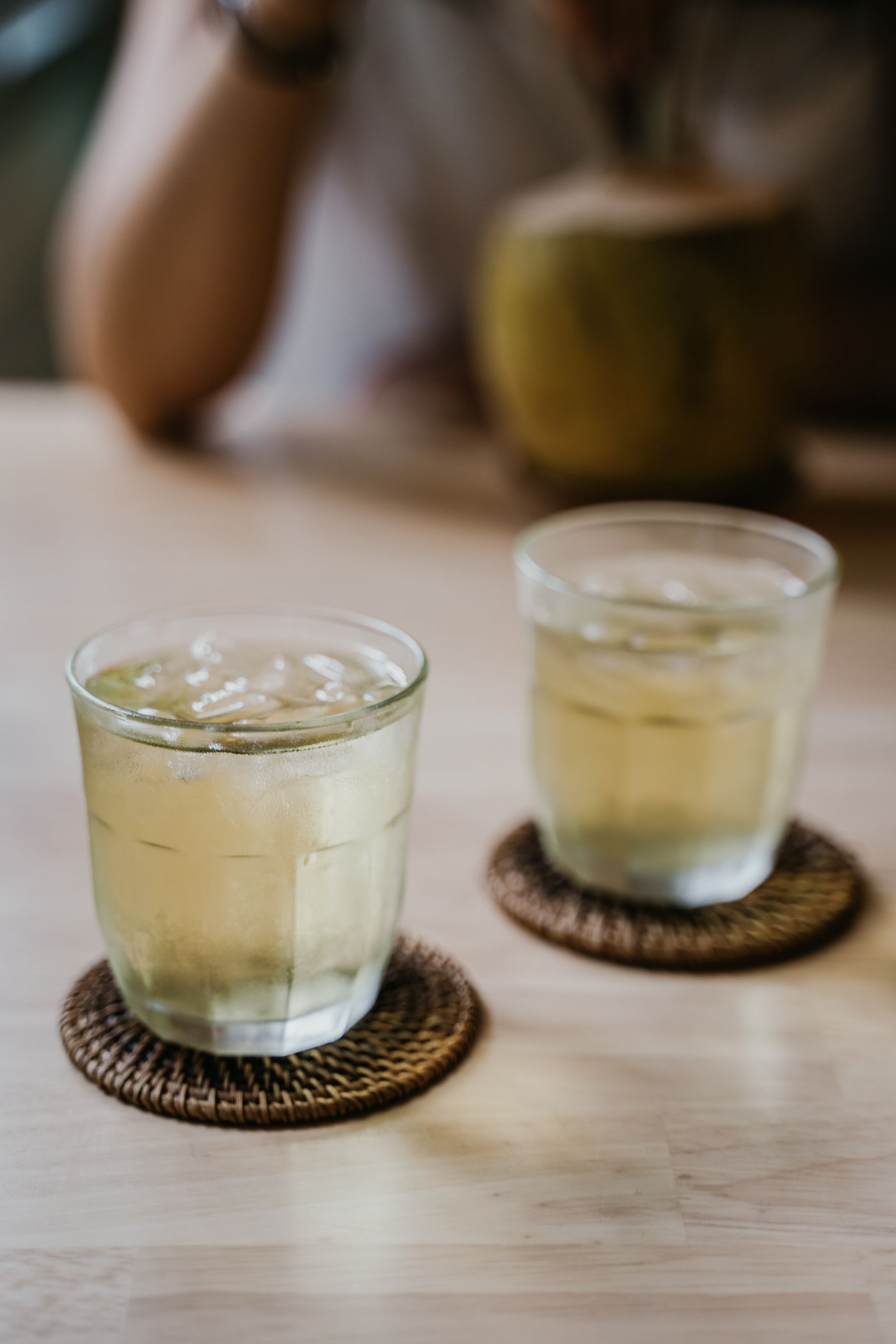
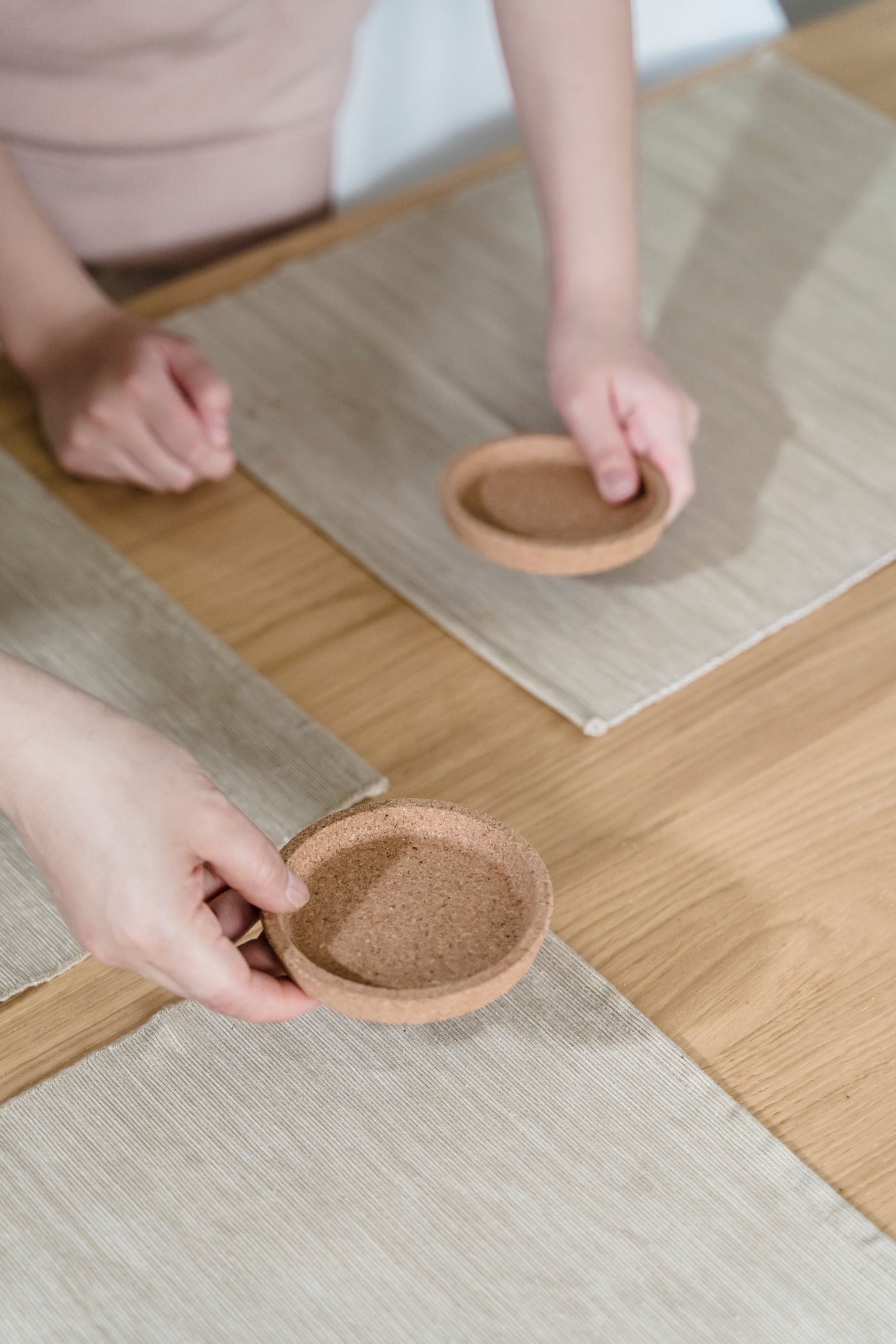
Etsy’s Fall and Winter 2026 report includes Table Dressing among its seasonal themes. Caring for the pieces already on your table is a useful starting point before adding more decoration. This guide focuses on identifying construction, cleaning as directed, and deciding when a coaster should stay out of service. The photographs show several coaster styles for context; they do not authenticate a material or demonstrate a tested cleaning result.
Sort by construction rather than by matching color
Bring out only the coasters in ordinary use. Look for a maker’s mark, product name, original box, or reliable purchase record. Check the top, edge, and underside without prying apart the layers. A cork-looking underside may be backing attached to a board, rather than evidence that the entire piece is washable cork.
Separate pieces with different construction even when their designs coordinate. A matching gift set may include a tray whose care differs from that of the coasters. Follow the instructions for the specific item, not the largest product in the box. If information is missing, ask the maker rather than choosing the most convenient cleaning method.
Keep everyday drink supports distinct from trivets, cutting boards, and serving trays. A coaster is not automatically suitable beneath a hot pan. The fabric placemat review addresses another tabletop layer with its own care and fit considerations; it should not determine how a laminated coaster is washed.
Check condition before removing marks
Inspect edges for lifting, splitting, loose strands, swelling, or exposed layers. Look for grit or sticky residue on the underside that could contact the furniture. Put questionable pieces aside while you decide what their condition means. Do not glue, sand, or coat a damaged coaster and assume its original protection has been restored.
Lift stacked pieces gently instead of twisting a stuck stack until something gives. If they cannot be separated without damage, consult the maker. A peeling edge can be more consequential than a visible mark on the front. Cleaning should not be used to conceal that difference.
Choose a separate place for removed pieces so someone else does not put them straight back into service. A small note such as “edge lifting; check before use” is sufficient. If you eventually discard a damaged piece, follow the appropriate local waste route rather than passing it on as dependable table protection.
Use the exact care route for layered board
Portmeirion’s published guidance for Pimpernel placemats and coasters describes layered construction with a cork base and board middle. It specifies cleaning with a damp sponge, drying with a soft cloth, and avoiding immersion and dishwashers. That is a concrete example of a wipe-care product; it does not authorize the same method for every unmarked coaster.
For a product with those instructions, prepare a suitable sponge and soft drying cloth, and handle one piece at a time. Keep the work area clear so a cleaned coaster does not land in a puddle or on a dirty dish. Follow any additional product-specific restrictions that came with your set.
If a stain remains after the permitted cleaning, stop before reaching for abrasives or solvents. A stubborn mark can be less damaging than an altered protective surface. Ask the maker about the next step or reserve a still-suitable marked piece for an appropriate everyday role rather than expecting every pattern to look new.
Keep solid cork and woven pieces on their own instructions
A solid cork coaster may have a printed design, finish, bonded edge, or other detail that changes its care. A woven coaster may use natural fiber, synthetic material, glue, or a backing you cannot see from above. Do not infer a washing method from a lifestyle photograph or from the material name in a casual product title.
Find the directions for each group and clean separately. If one group is machine washable and another is wipe-only, color coordination does not make them a shared load. Avoid transferring a treatment recommended for bare cork to a coated or printed item without confirmation.
Keep the original instruction record accessible with your household tableware notes. This is particularly helpful when seasonal sets rotate in and out. The table-linen storage plan can support that rotation while leaving the coaster-specific directions tied to the right set rather than buried among unrelated laundry tags.
Check the furniture surface separately
Remove the coasters before cleaning the table beneath them, then use the table maker’s appropriate method. The tabletop and coaster may tolerate different products and moisture levels. Do not spray a general furniture treatment across a stack of coasters or assume that cleaning the tabletop has cleaned their undersides.
Inspect the place where a coaster usually sits. A ring or sticky area may require table-specific advice, especially on a delicate or unknown finish. Avoid using the coaster’s material as a guide to treating that mark. Keep any suspected finish damage separate from the question of whether the coaster is ready to use again.
Consider the actual drinking setup as well. A large mug may overhang a small coaster, and a stemmed glass may be unstable on an uneven woven surface. Review ordinary placements rather than stacking extra coasters into an improvised platform. Maintaining usable chair clearance around a small dining table helps keep the drink location within a functioning dining layout.
Dry and inspect before making the stack
Follow the product’s drying instructions and check both faces before storage. Do not stack a damp underside against a clean face simply because the visible top looks dry. Choose a suitable clean drying arrangement that does not block a food-preparation surface or leave pieces balanced where they can fall.
For wipe-care layered products, drying with the specified soft cloth is part of the method, not an optional finishing flourish. If any area remains damp or the construction has changed, keep that piece separate while it is assessed. Do not force it flat under a heavy stack or use direct heat to speed the process without maker approval.
Return suitable pieces to a place where they can be picked up individually. A tightly packed holder can make a quick underside check awkward. You may prefer a smaller ready-to-use group and a separate dry reserve, provided both remain easy to understand and maintain.
Return enough for the next occasion
Count the expected drinks rather than automatically covering every empty spot on the table. Set out appropriate coasters where people can reach them without moving food or leaning across another guest. Keep a few replacements accessible if the occasion calls for them, so a visibly wet or soiled piece can be removed instead of flipped over.
If the table also holds a centerpiece, assess the usable surface after plates and glasses are positioned. The small bud-vase review considers another compact tabletop object; decorative scale should still leave room to use and retrieve the drink supports.
Resolve a recurring problem before buying another set
When the same coasters become wet, sticky, or awkward to handle every day, identify the cause. It may be unsuitable construction for the way you use drinks, insufficient drying, a crowded holder, or a mismatch between the coaster and the vessel. More identical pieces will not necessarily change that routine.
Replace damaged or unsuitable items deliberately, using the exact dimensions and care requirements of the alternatives. Keep reusable pieces only while they remain appropriate for the job. A varied table can still feel considered when its elements have clear roles; it does not need a matching coaster collection that is difficult to clean or uncertain to use.
Explore related household decisions in our Cleaning hub.
Sources and editorial scope
Editorial research checked October 17, 2026. Trend-report dates and limitations are stated in the article; these are editorial applications of published signals, not verified October keyword rankings. Practical household guidance; illustrations do not document a tested household or authenticate a pictured material.