A coir doormat can look like an uncomplicated natural-fiber accessory, but its cleaning instructions may be quite different from the washable rug beside it. The fiber pile, backing, decoration, and intended location all matter. Refreshing the entrance should begin with that identity check before a bucket, hose, or washing machine enters the plan.
Remove only the debris the mat’s care method allows, inspect the edges and backing, clean the appropriate floor beneath it separately, and return it to a suitable position. If it no longer lies properly or its use instructions do not fit the location, a new decorative layer will not solve the underlying problem.
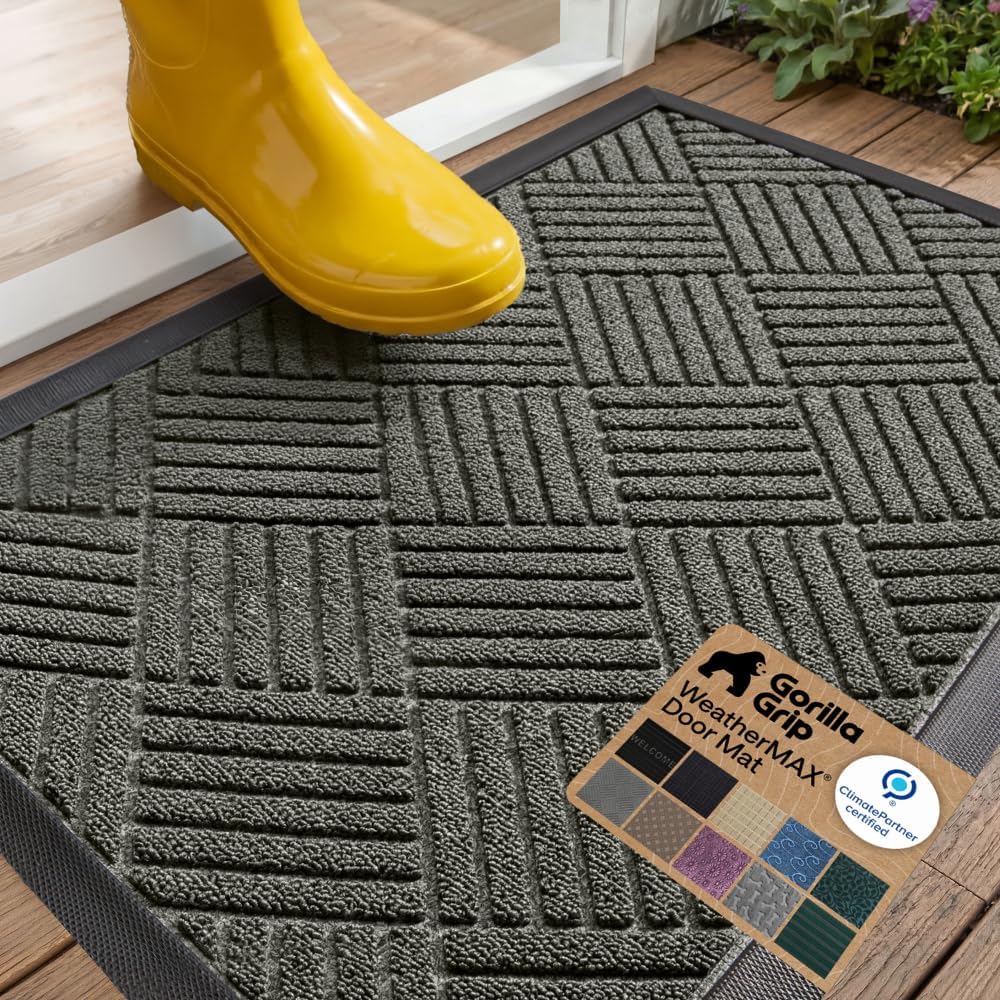
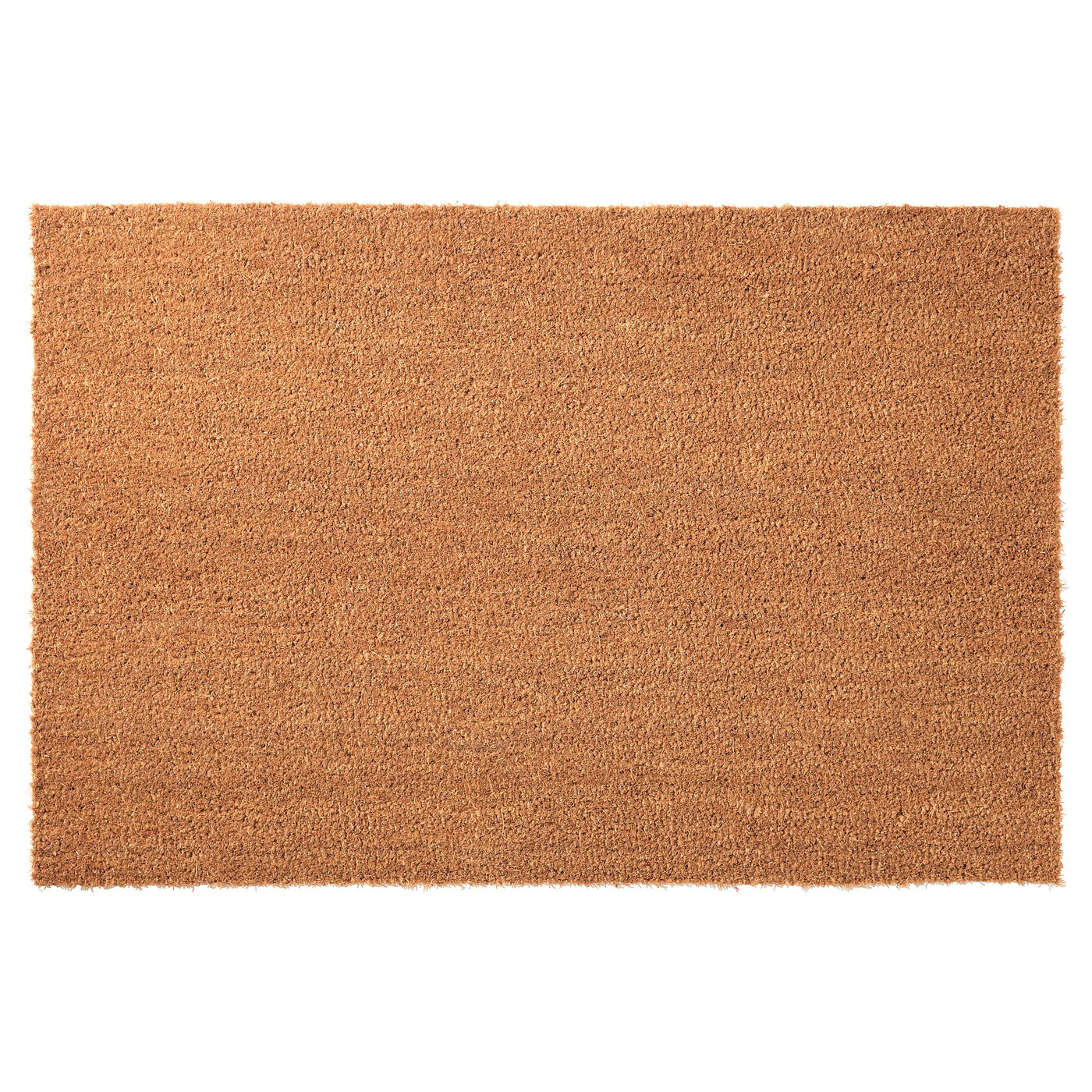
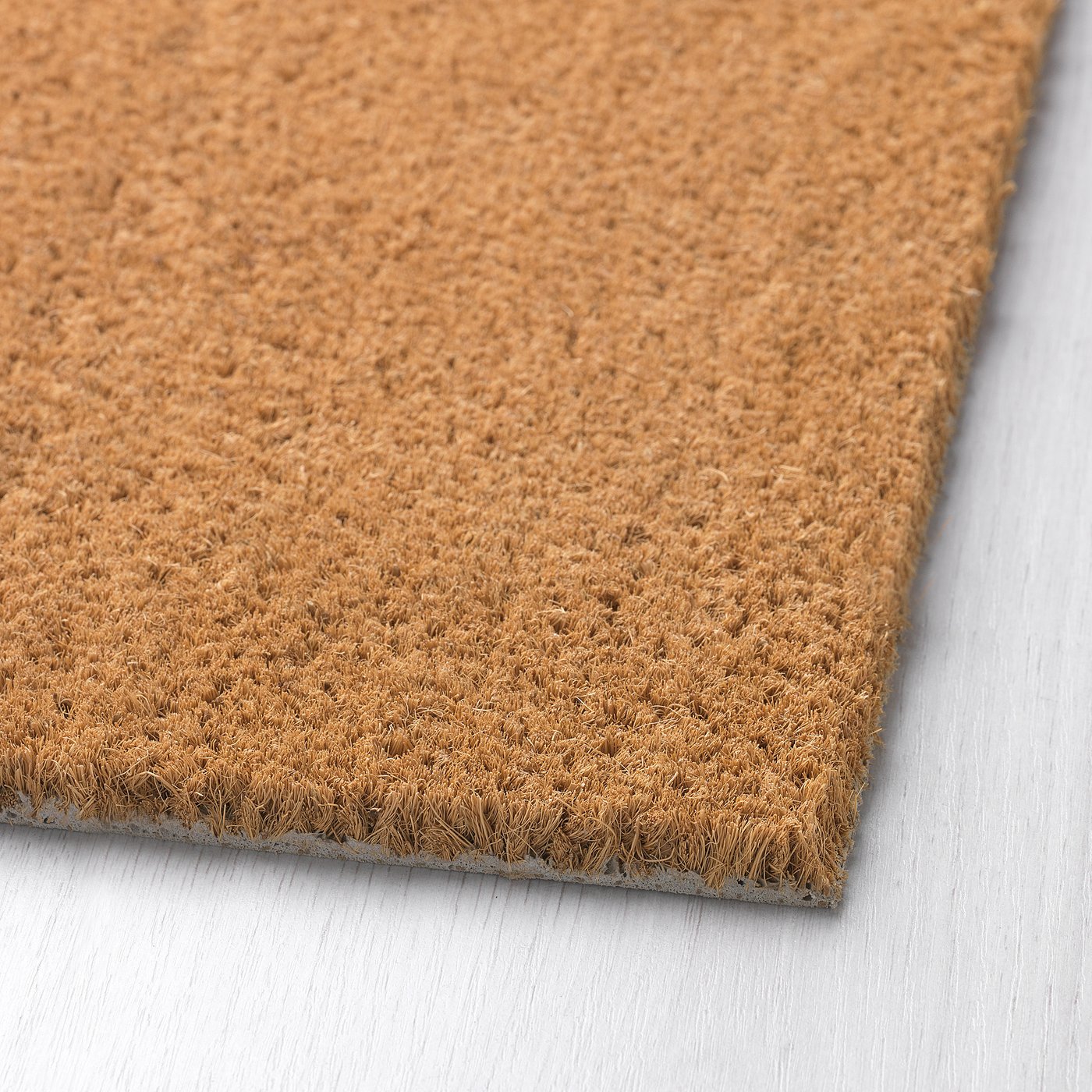
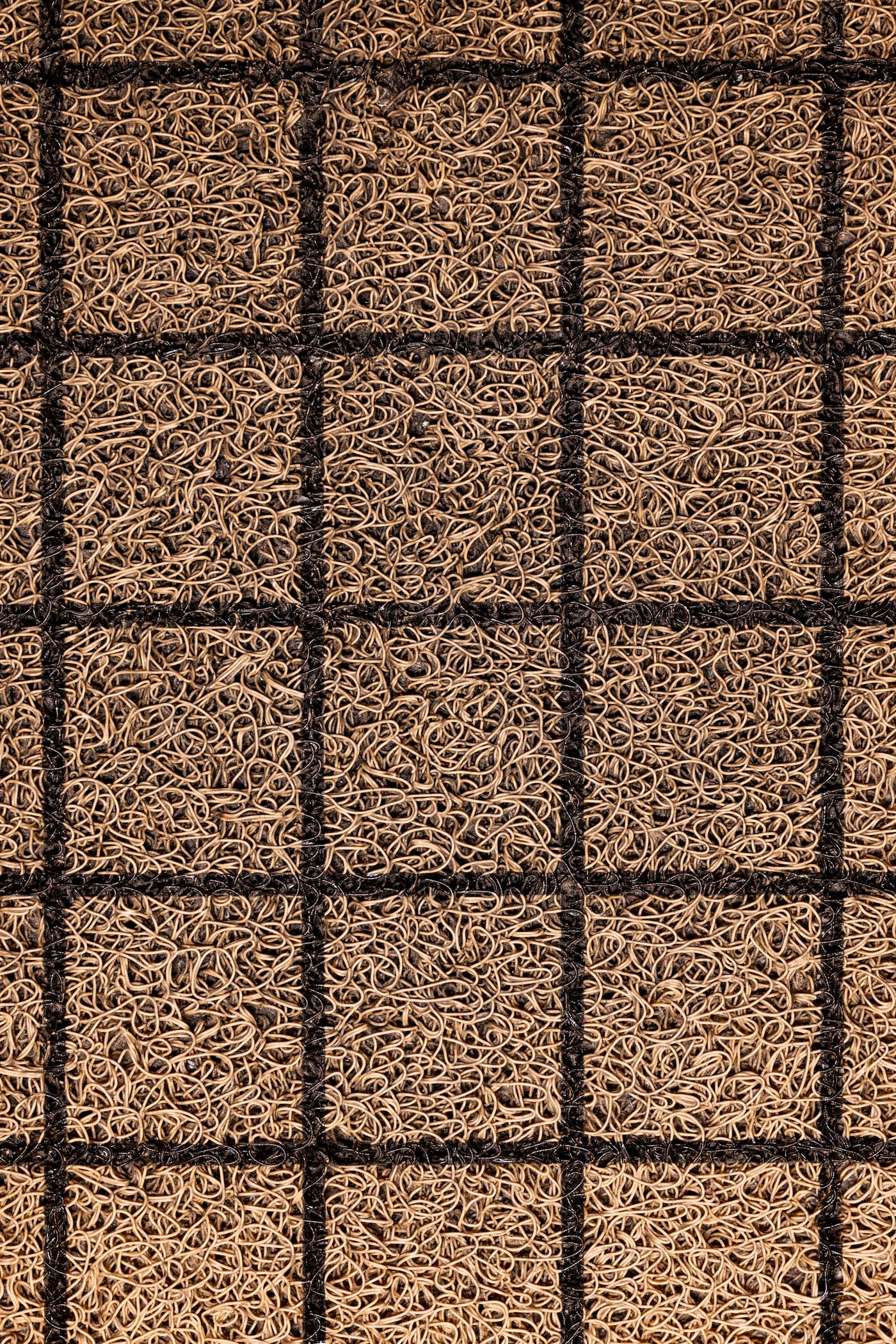
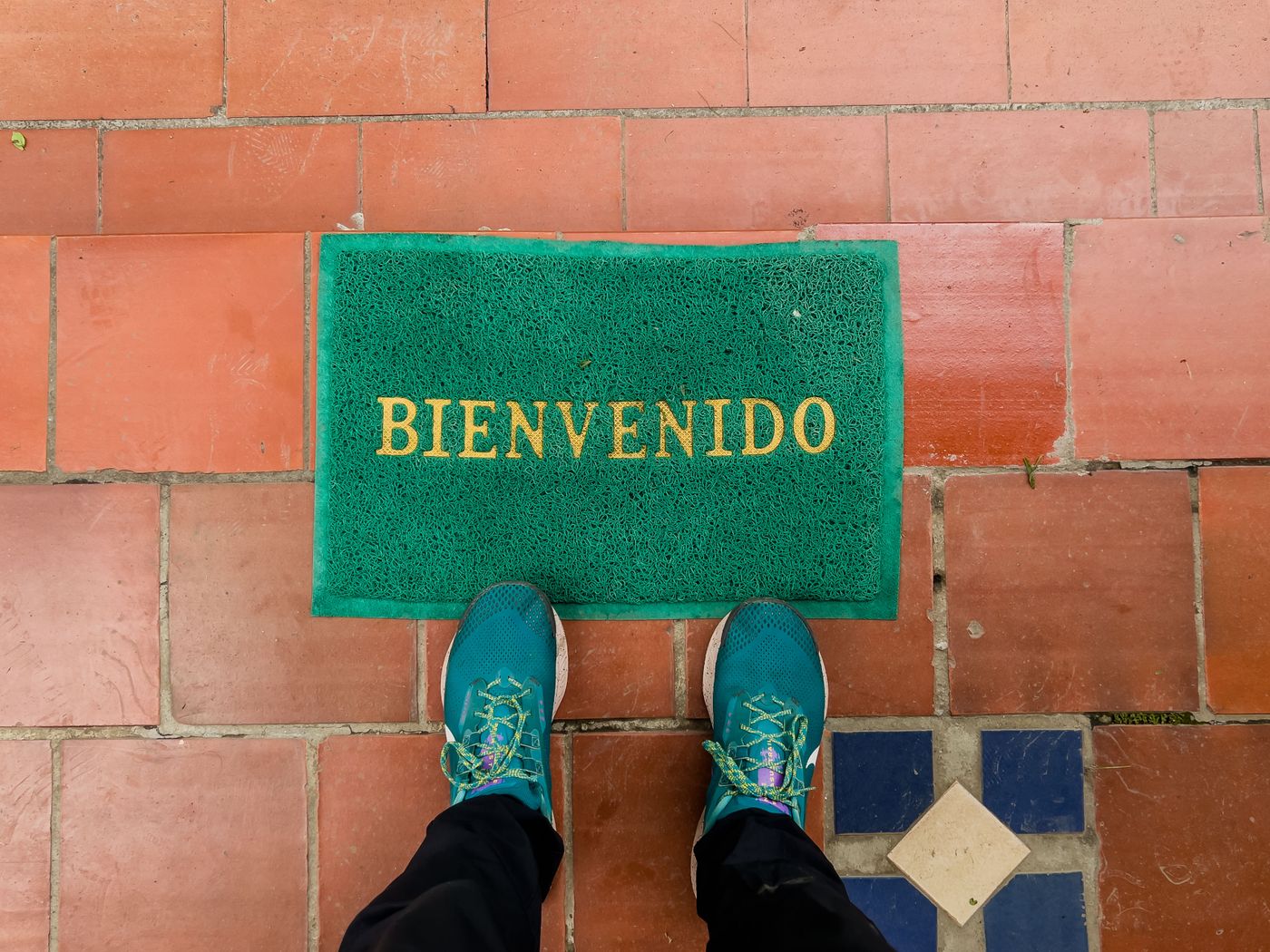
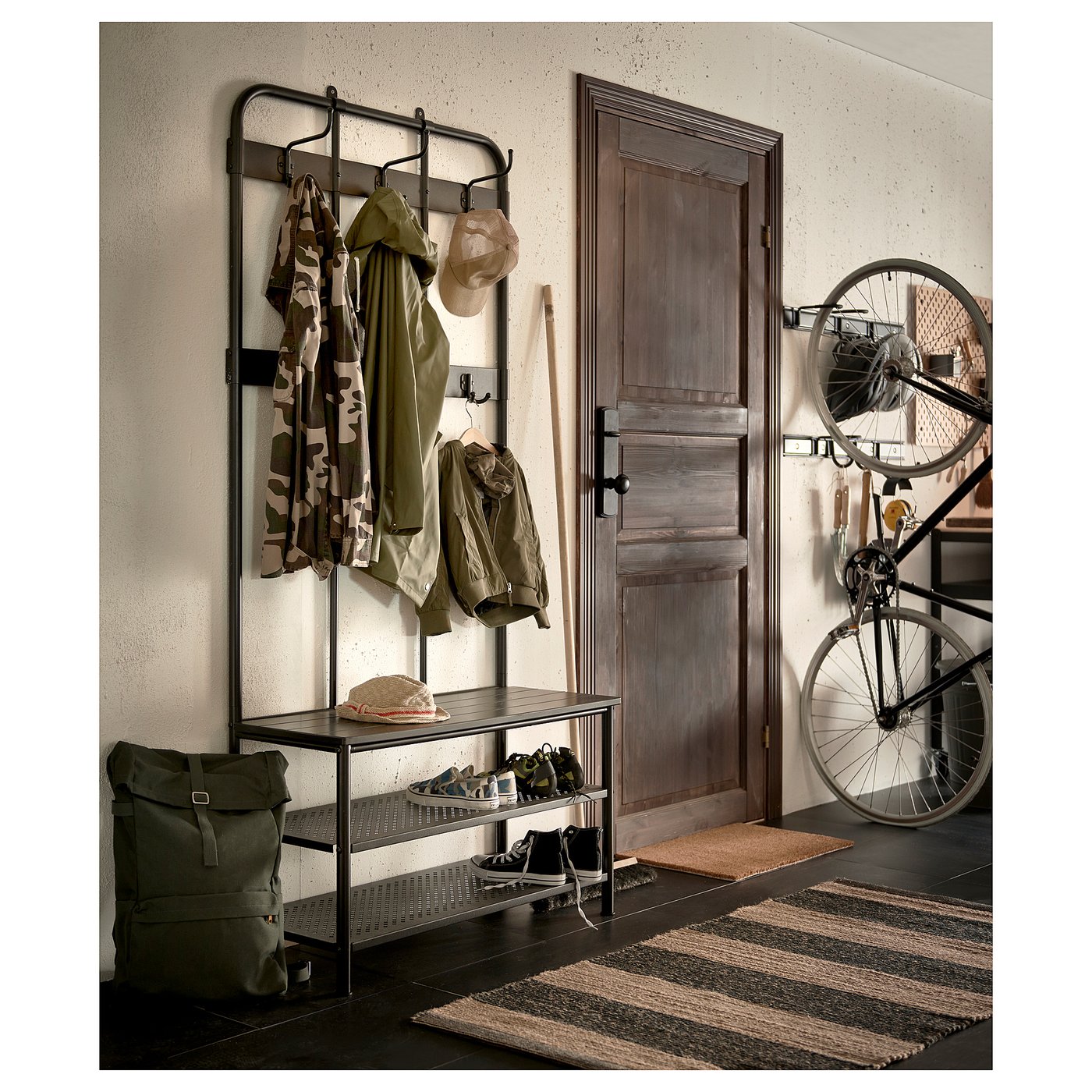
Houzz’s fall 2026 design report discusses expressive natural materials. Caring for a fiber mat is a practical response to that interest rather than a claim that all coir products behave alike. The photos include different mat constructions and an example entryway; their appearance does not establish your mat’s material or cleaning method.
Check the exact mat before treating it as washable
Read the label and, where possible, find the maker’s product reference. Note the backing as well as the visible pile. Two mats with a similar brown texture can have different construction, thickness, finishes, and allowed locations. Preserve the reference if the original label is wearing away.
IKEA’s U.S. TRAMPA 200.521.87 is a specific example. The product page identifies a mainly coir pile with a natural-latex backing, specifies indoor use, and prohibits washing. It describes vacuuming or shaking to remove dry debris. Those instructions belong to that named model, not every doormat pictured or sold under another product name.
Do not transfer instructions from a washable synthetic welcome mat because both objects sit near a door. Our Gorilla Grip WeatherMAX review considers a different product construction. Compare the exact model’s use and care requirements rather than treating “doormat” as one universal material category.
Remove the mat without spreading the trapped material indoors
Choose a time when the entrance can be handled without blocking somebody’s arrival or exit. Move nearby shoes and bags through their normal temporary positions first. Keep the door route clear while the mat is absent, especially if several people are coming home at once.
Lift and carry the mat in a controlled way appropriate to its size and condition. Avoid dragging the debris-filled face over the clean floor. If shaking is an approved method, use an appropriate location where the released material can be dealt with and where the activity is permitted.
Do not shake a dirty mat from an apartment window or over a neighbor’s space. A small rental may require a different approved debris-removal method. The useful plan fits the actual property and waste route rather than assuming every household has a private outdoor cleaning area.
Set the mat on a suitable surface for inspection. Keep it away from clean laundry or soft furnishings that could receive grit. This remains a contained mat task, not a reason to move entrance dirt across several rooms.
Remove permitted dry debris without changing the pile
Use the method allowed by the care label. If vacuuming is permitted, follow both the mat and vacuum instructions for an appropriate attachment and setting. Do not assume a powered brush suitable for one carpet is suitable for a coarse fiber mat or its backing.
Work gently enough to avoid pulling at the pile or stressing an already damaged edge. Check the tool as you go, and stop if the material is being caught or damaged. A more aggressive pass is not automatically a more complete clean.
If shaking is the chosen permitted method, handle the mat within your own practical ability and the product’s condition. Do not beat it against a hard edge or repeatedly fold a backing that is not designed for that treatment. Follow any specific maker advice for removing stubborn dry material.
For the loose floor debris that remains afterward, our upright sweep-set review considers a separate cleanup tool and its storage. Keep that floor task distinct from the mat’s fiber-care method; the same tool need not be appropriate for both surfaces.
Keep a stain problem separate from a dry-debris problem
If the mat has a mark, identify what is known about it and consult the actual product instructions. Do not add soaking, stain remover, bleach, detergent, or a heated drying process when those are outside the permitted care. A natural appearance does not establish chemical compatibility.
For the cited TRAMPA model, the no-wash instruction matters even if a wet-cleaning method seems faster. If a spill or damp condition requires advice beyond ordinary dry-debris removal, ask IKEA about the named product. Do not invent a spot-cleaning exception to the label.
Keep an unresolved mat out of the return position if it is not suitable to use. Write a short note describing the problem when more than one household member may handle it. Another person should not interpret “set aside for advice” as “clean and ready to put back.”
The entryway mud and road-salt guide deals with the surrounding floor mess. It does not override a removable mat’s care limits. Separate the surfaces and identify the appropriate instructions for each one.
Inspect the backing, edges, and ordinary door movement
Look for curling edges, cracks, loose material, or changes that affect how the mat sits. Check the underside and floor-contact area without assuming a clean-looking pile proves the backing is sound. Follow the maker’s guidance when damage or deterioration is present.
Before returning the mat, open the door through its normal movement and check the planned position. The mat should not bunch against the moving door, obscure an important threshold feature, or require people to step around it. Existing required access and clearances remain part of the entrance plan.
Do not add a second decorative mat solely to hide a problem with the first. Extra layers can change the height, edge behavior, and door clearance. If you are considering layering, verify that each product and the doorway arrangement are suitable rather than copying a styled photograph.
Clean the floor underneath by its own instructions
With the mat removed, deal with the trapped floor debris through an appropriate method for that floor. Check the finish and any moisture-sensitive edges. Avoid applying a product simply because it was already selected for a different entrance surface.
Let the floor reach the condition required before the mat is returned. A damp cleaning step should not be covered prematurely by a backing that conceals the area. Keep the temporary entrance arrangement clear until the floor and mat are both suitable to use.
Use the Entryway room hub to assess the surrounding shoe, coat, and arrival routines. The mat works within those movements; it should not become an isolated styling decision that makes the daily route harder to maintain.
Return the mat with a modest maintenance plan
Place the suitable mat in its intended location and check it during ordinary use. Adjust the inspection and permitted debris-removal frequency to the traffic and conditions you actually observe. There is no need to invent a universal weekly wash for a product that explicitly excludes washing.
Keep the care reference available for the next seasonal refresh. A well-chosen natural-fiber accent remains useful when its material limits, floor contact, and door access are understood. The cleaning task is finished when the entrance works again and no unresolved mat problem is hidden beneath fresh decoration.
Explore related household decisions in our Cleaning hub.
Sources and editorial scope
Editorial research checked October 17, 2026. Trend-report dates and limitations are stated in the article; these are editorial applications of published signals, not verified October keyword rankings. Practical household guidance; illustrations do not document a tested household or authenticate a pictured material.