A woven storage basket can look like a single material while combining several: a woven body, a coating, a fabric liner, a rigid base, and perhaps a handle attached with a different fastener. Cleaning it successfully starts by identifying those parts. Emptying the basket and wiping everything with the same wet cloth can be the wrong method for at least one of them.
The 2026 Houzz fall design report provides context for warm, personal interiors. Caring for an existing basket is one modest application of that direction. The task here is ordinary household dirt on a usable storage basket, not restoration of an antique or treatment of an unidentified contamination problem.
Empty it completely and preserve its job
Move the contents onto a suitable clean surface and keep them in one group. If the basket held several categories that you no longer recognize, make a brief note before they are separated. Cleaning should not erase the arrangement that made the basket useful. Keep important papers away from any moisture or cleaning supplies you bring into the area.
Check whether everything belongs back inside. A basket of scarves may contain an unrelated charger or a paper receipt that was dropped in temporarily. Return those things to their proper destinations rather than washing the basket and immediately restoring the same mixed load. Do not expand this into emptying the whole closet unless that larger project is intentional.
Identify the body, finish, and removable components
Look for the maker’s label, product page, or retained purchase record. Appearance alone does not reliably distinguish natural fibers from synthetic lookalikes, or an untreated surface from a coated one. Record what is known and what remains uncertain. A care method for a plastic imitation basket should not automatically be applied to a natural woven basket with a paper-based insert.
As one specific example, IKEA lists a dry-cloth cleaning method for its SNIDAD rattan basket. That is guidance for that named product, not a general rule that every woven basket needs identical care. Use your own item’s instructions when available, especially where they exclude moisture, detergents, abrasion, or a particular kind of treatment.
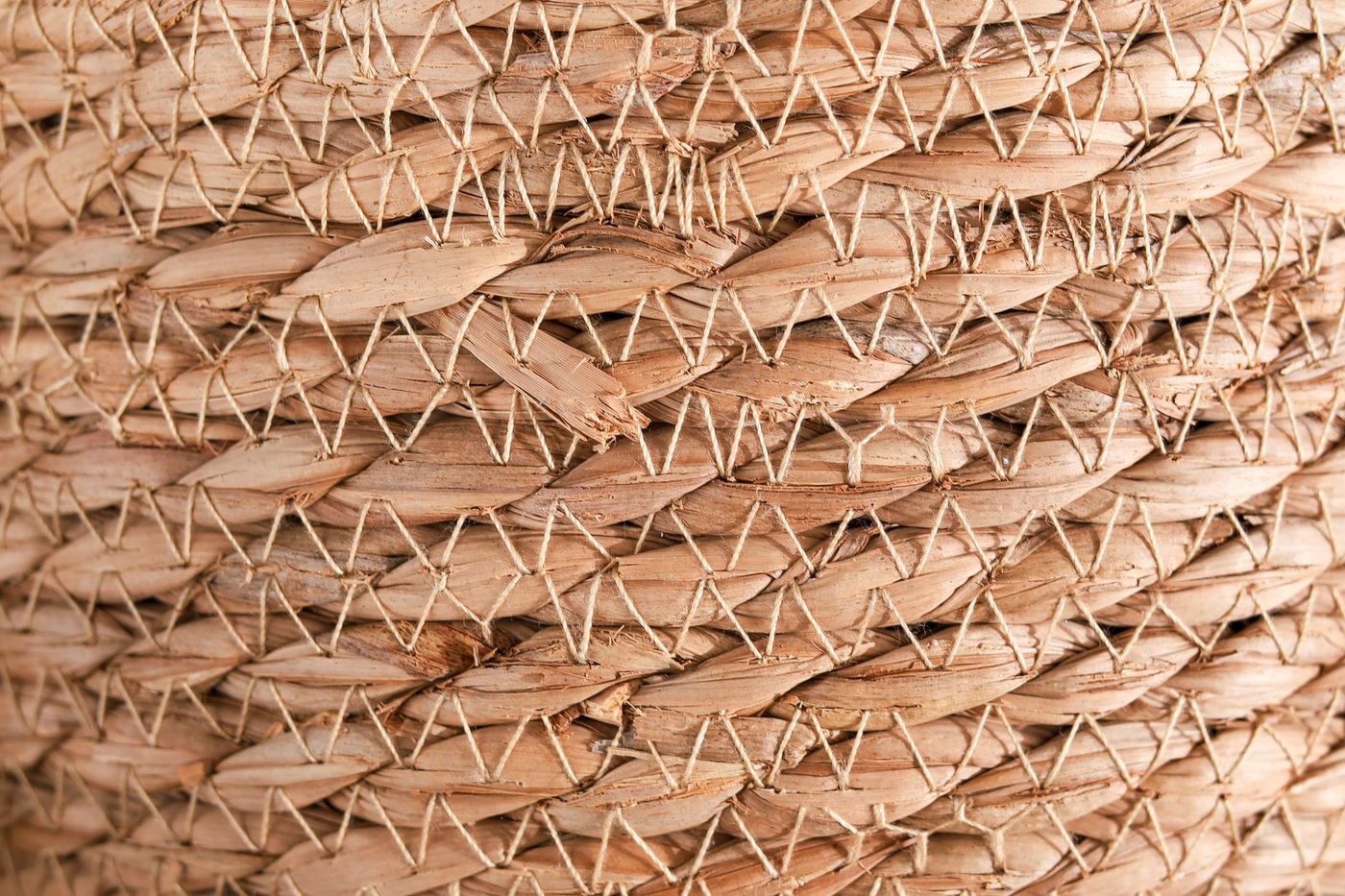
Inspect a liner separately. A removable liner is not necessarily washable, and a zipper or loose fit is not a care label. Check its actual instructions before detaching it. Remember how ties, clips, or fastenings sit so the liner can return without pulling unevenly on the basket. Keep small detachable hardware identified and appropriately out of reach during the task.
Check the structure before applying pressure
Look at the handles, rim, corners, base, and contact points. A broken strand or loose attachment can catch a cloth and worsen when scrubbed. If the structure is failing, decide whether the basket is still suitable for its load before cleaning it for return. Do not interpret a clean appearance as evidence that a weakened handle can carry a heavy basket.
Support the item by a sound part while working. Avoid holding a full-size basket by one questionable handle, or pushing hard against a flexible side to remove a small mark. A modest cleaning task should not become an improvised repair. Fragile, valuable, or unidentified objects may need advice specific to their construction before any treatment is attempted.
Begin with the least intensive permitted care
Use the dry method specified for the item where that is its care instruction. A clean, soft cloth may address loose surface dust without adding moisture. Work gently around the weave rather than forcing the cloth through narrow gaps. If the manufacturer allows another tool, follow its directions and keep any attachment or edge from catching protruding strands.
Do not add a vacuum nozzle, brush, polish, oil, or household spray just because it seems convenient. Each adds a different kind of contact or residue. If the care information is missing, a cautious assessment may end with limited loose-dust removal and a request to the maker. A universal soaking recipe is not a useful substitute for identifying the object.

Use moisture only when the item’s guidance supports it
Where the maker permits damp cleaning, follow the stated products, dilution, application, and drying requirements. Avoid allowing liquid to collect at the base, inside rolled rims, or around attached components. A basket can feel dry on its exposed outer face while a thick joint remains damp. Do not assume a removable liner will shield the structure from moisture beneath it.
If you are dealing with an old spill, identify the basket and spill before choosing a treatment. Repeatedly wetting an unknown finish to chase a stain can change the appearance without removing the underlying problem. For ordinary visible marks that do not respond to the permitted care, accepting a cosmetic mark may be a better household decision than escalating to an unsupported cleaner.
Clean the resting surface as a separate job
While the basket is empty, check the shelf or floor beneath it. Remove loose debris using care appropriate to that surface. Do not place the basket back on a still-wet shelf. If the base has feet or a protective pad, inspect their condition rather than assuming they continue to protect the furniture exactly as when new.
This is similar to the separation used when cleaning the outside of a framed print without wetting its contents: a neighboring surface does not share every care requirement. The basket, liner, shelf, and stored objects can each need their own treatment and return timing.
Let each component finish its required drying
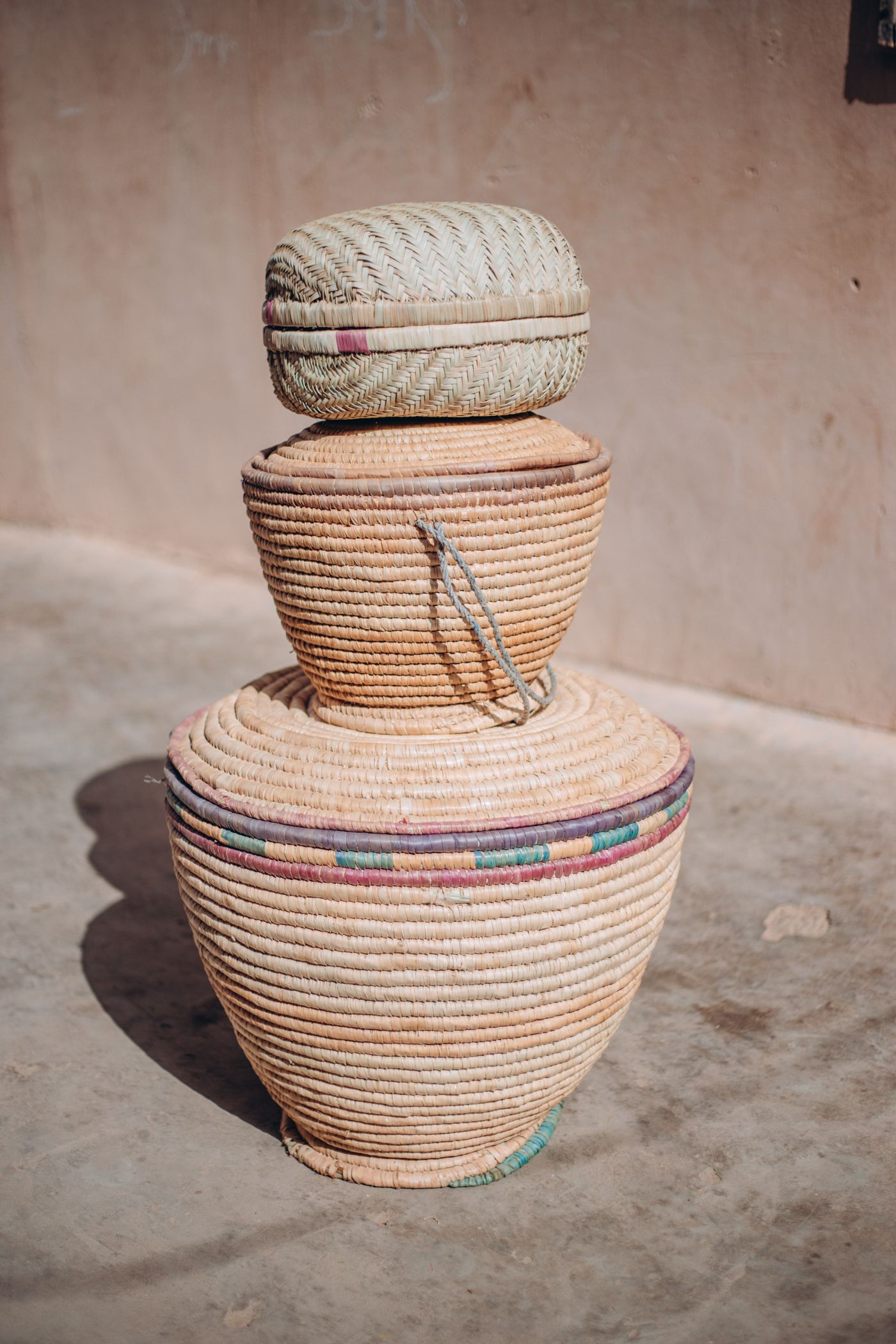
Use the drying location and method permitted for the basket. Do not automatically place it by a heater, in strong sunlight, or in a tumble dryer. Return a washed liner only after both it and the basket meet their respective care requirements. Closing a lid or packing the basket tightly can conceal moisture that would otherwise be noticeable.
Choose a temporary holding place for the contents while this happens. The laundry-rack cleaning guide makes a related distinction between finishing the care task and having an item ready for use again. A basket is not ready to refill merely because the active wiping part is over. Plan the interval before borrowing the household’s only storage container for the job.
Use a return checklist before refilling the basket
Finish the permitted care for each component separately. The basket, liner and shelf may become ready at different times; do not let an empty-looking shelf rush the slowest part of the process.
| Part | Check before return | If unresolved |
|---|---|---|
| Basket body and base | Required care is complete; structure remains suitable for the intended contents | Keep it out of service while identifying the next appropriate step |
| Removable liner | Its own care and drying instructions are complete; fastenings can be restored correctly | Keep it separate rather than hiding an unfinished process inside the basket |
| Resting surface | Surface-specific care is complete and the basket can appropriately return | Leave the grouped contents in their temporary holding place |
| Stored contents | Items belong to this group and are ready for storage | Route pieces awaiting care to that task, outside the finished group |
Keep the care instruction attached to the product identity. IKEA’s SNIDAD guidance, for example, calls for dry-cloth cleaning. It does not authorize washing another basket or establish the method for a removable liner.
Refill without forcing a lid or pressing contents hard against the weave. If the original load now seems awkward, review its purpose using the capacity ceiling checks. For towels, distinguish ready stock from items still in use or awaiting laundry with the small-bathroom towel system.
Make the next clean easier without a new organizer
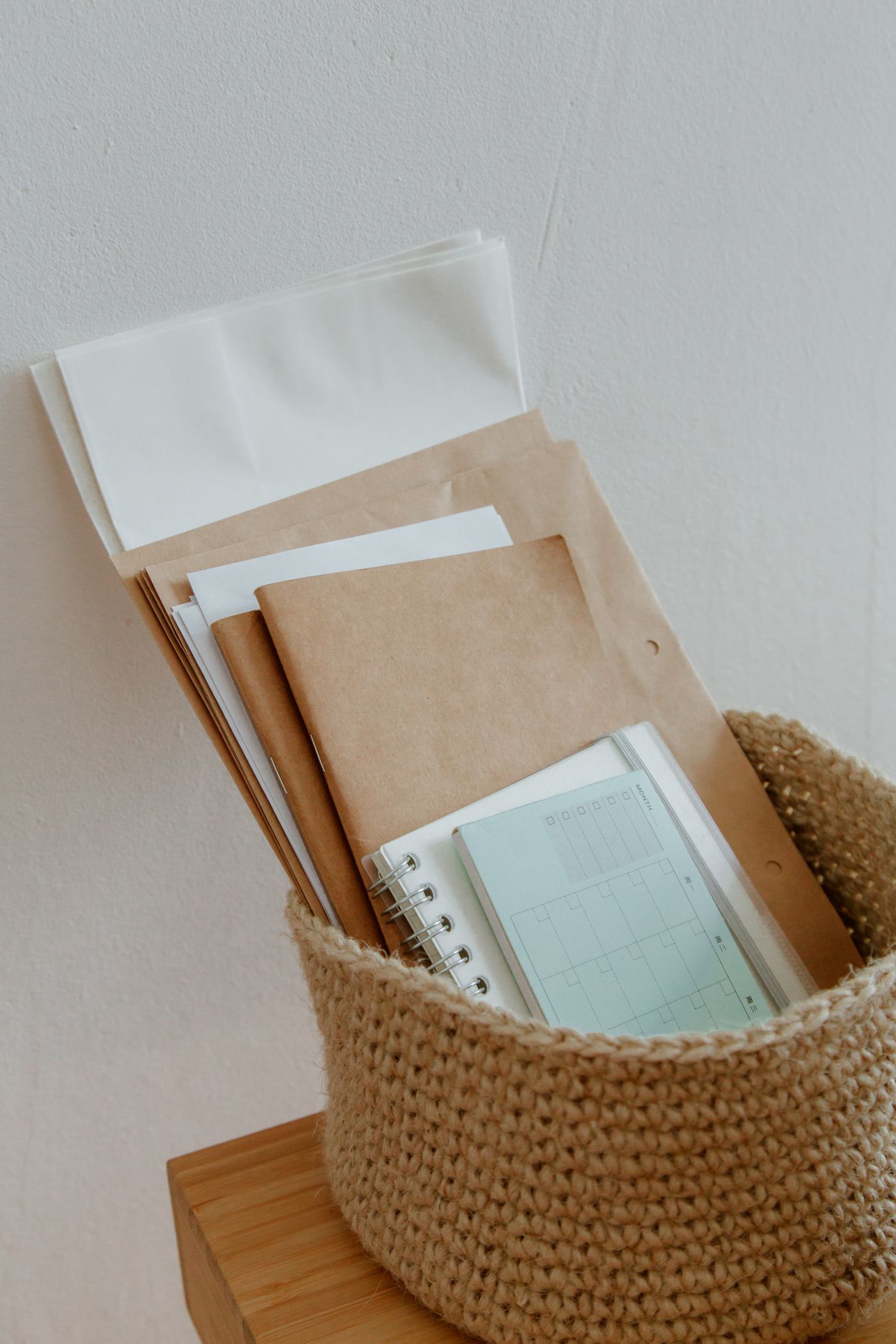
Keep the product identity and care note where you can find them again. Note any structural change that affects lifting or load, rather than treating it as a hidden detail. If the basket now has a different job, make that change clear to the people who use the closet. A simple purpose is often more useful than another internal divider.
The useful result is a basket whose care method fits its construction and whose contents are ready to return. A surface that still shows honest wear can be perfectly suitable. The more important checks are that the structure remains appropriate, the permitted care is complete, and nobody needs to guess what can safely go back inside.
Explore related decisions in our Cleaning hub.
Sources and editorial scope
Editorial research checked October 23, 2026. Published trend reports are context for these editorial applications, not verified live keyword rankings. Practical household guidance; photographs do not document a tested household or authenticate pictured materials.