Toys & Play Areas
How to Organize Board Games and Puzzles in a Small Family Home
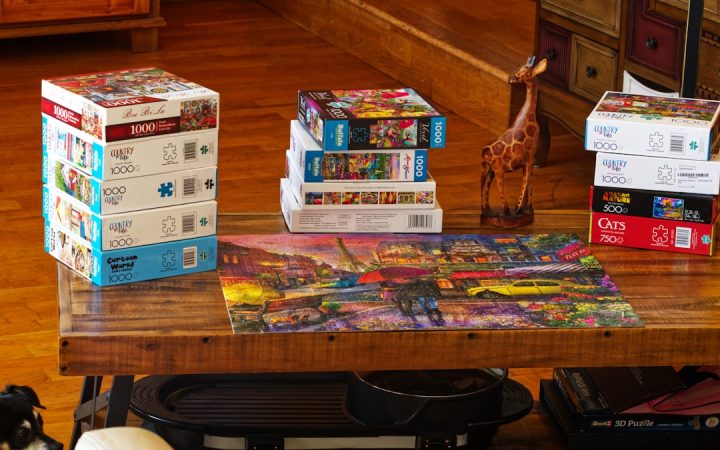
Keep games and puzzles easy to choose and easy to return by limiting the collection, storing boxes by size, protecting loose pieces, and rotating family favorites.

Practical ideas for small family homes
Toy storage, play zones, rotations, and cleanup systems children can actually use.
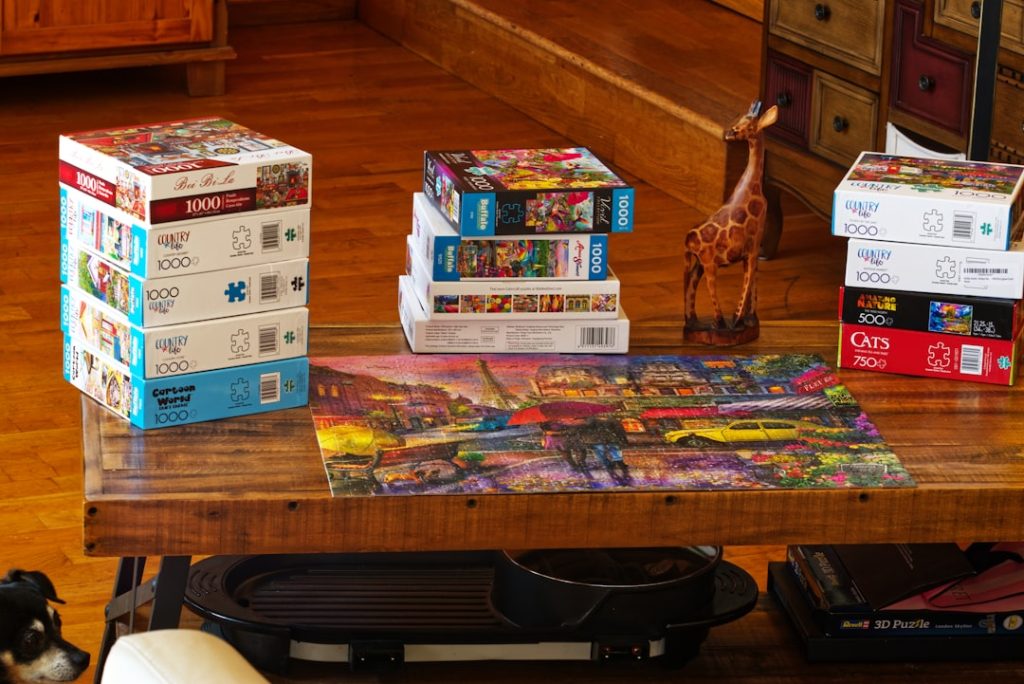
Keep games and puzzles easy to choose and easy to return by limiting the collection, storing boxes by size, protecting loose pieces, and rotating family favorites.
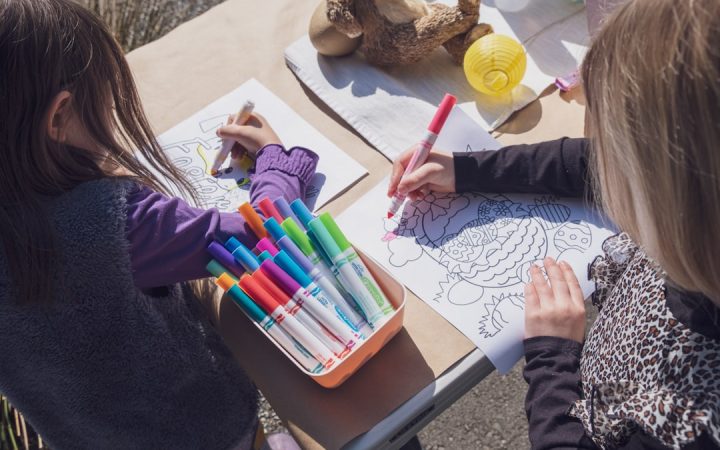
Keep oversized schoolwork from taking over floors and closets by separating active projects, temporary display, reference pieces, and true keepsakes.
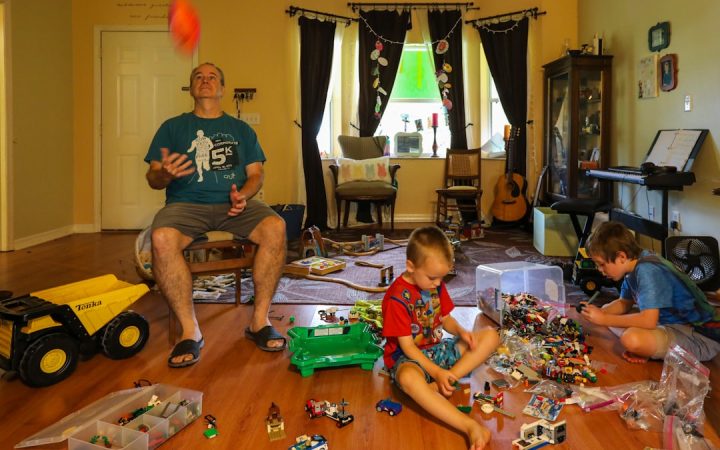
Keep a small family living room calmer by rotating only a few active toy categories each week and storing the rest out of sight until the next swap.
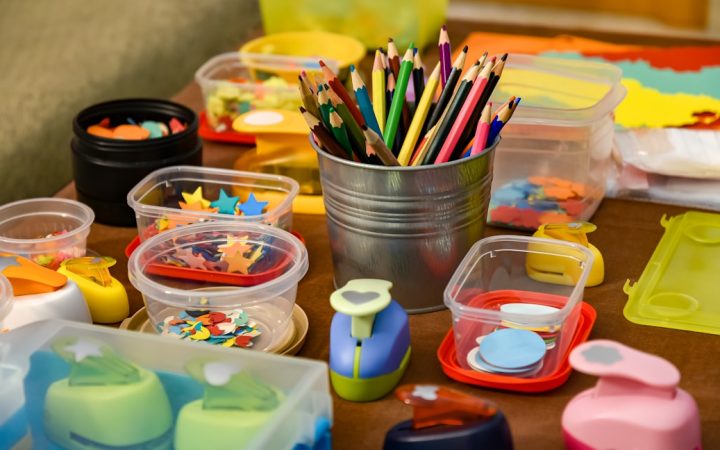
Keep crayons, markers, paper, glue, stickers, and projects under control with an active-art caddy, one paper zone, project limits, and a simple cleanup children can actually follow.
Use one temporary pickup basket to clear a family living room fast—without turning the basket into permanent toy storage or hiding unfinished sorting forever.
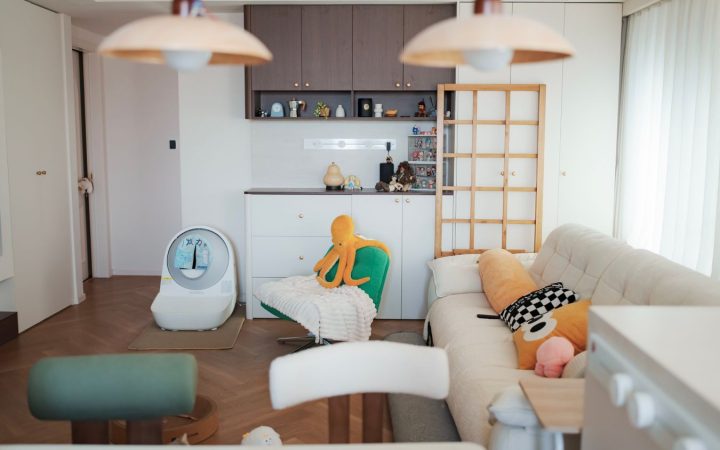
Create a calm family living room without hiding family life by limiting active toys, protecting clear surfaces, simplifying storage, and designing a fast evening reset.
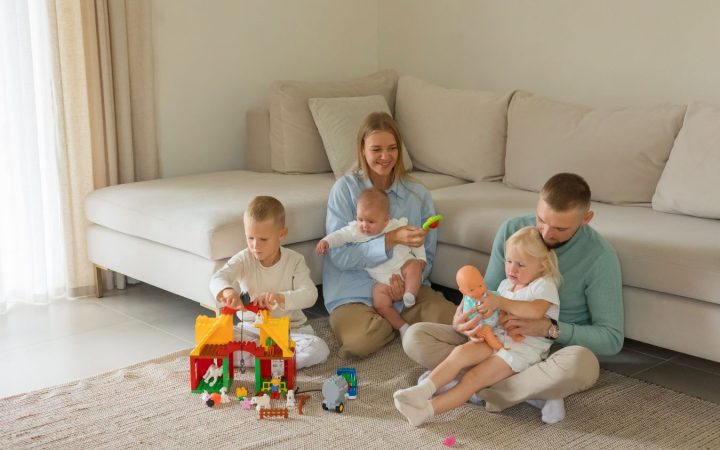
Keep toys accessible in a small living room without letting them dominate the space by using a limited active-toy zone, closed storage, and a fast evening reset.
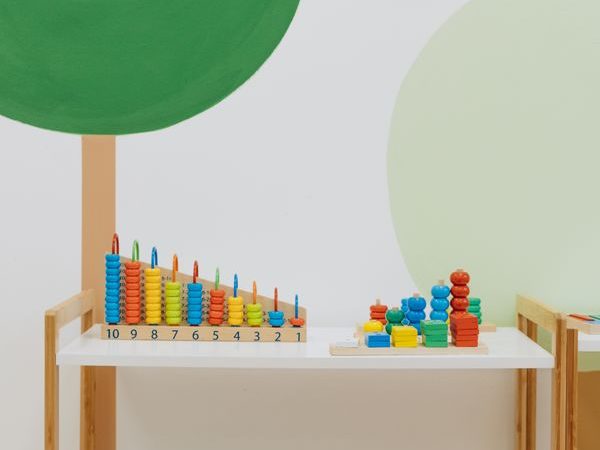
Build a simple toy rotation system for a small home with a limited active set, broad categories, easy swap rules, and storage parents can maintain without spreadsheets.
A useful note for your week
Simple tips, new articles, and inspiration delivered to your inbox each week.