
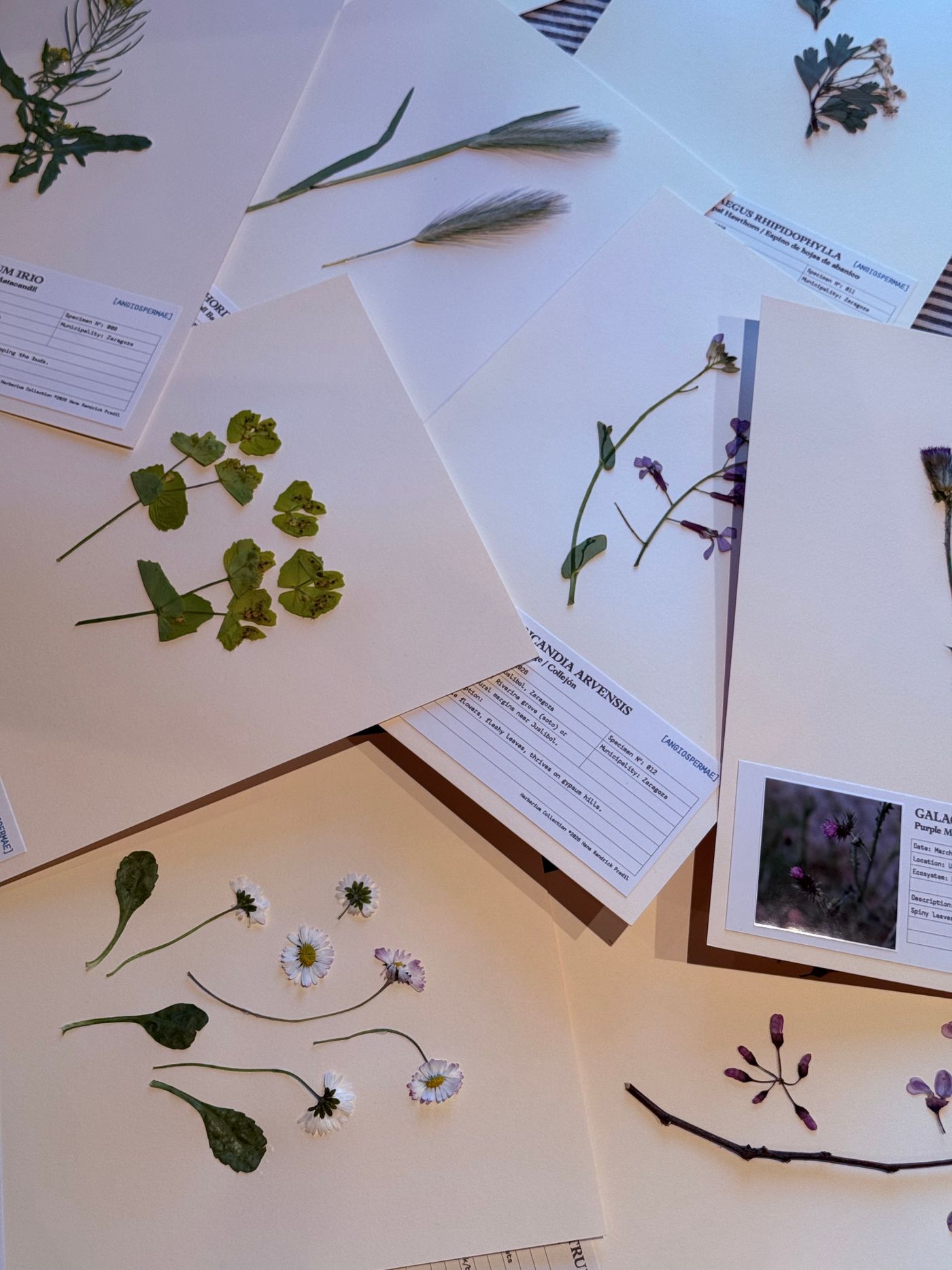
A pressed flower can still look familiar long after its date and place have been forgotten. If you want a small botanical collection to carry memories or support a creative project, organize the information with the pieces before the loose leaves spread through notebooks and drawers. Begin with material already appropriately dried and prepared, and give each small group a clear reason to stay.
Pinterest’s 2026 hobbies report describes interest in botanical observation and pressed-flower projects. This guide applies that direction to home-office storage. It is about keeping a personal collection understandable, not collecting wild plants, identifying edible species, or reproducing a professional herbarium’s treatment procedures at home.
Decide whether the piece is a record or a craft supply
Some pieces matter because of where they came from: a flower from a familiar garden, a leaf saved after a visit, or part of a gift. Others are materials intended for cards or artwork. Make that distinction before choosing storage. If a meaningful piece is mixed into an anonymous supply pile, the next person may use it without realizing that the original matters.
Start with three small groups: pieces you intend to keep with their story, prepared pieces available for making, and items whose identity or condition needs a decision. These are working groups, not an obligation to buy three containers. Separate them clearly on the table, then choose suitable storage for the amounts you actually retain.
Our travel-postcard organization guide offers a useful parallel for connecting a physical object with its place and story. A botanical piece needs its own handling, but the information problem is similar. The record becomes more useful when you can tell which note belongs to which item without interpreting a large mixed collection.
Record what you know without filling in the gaps
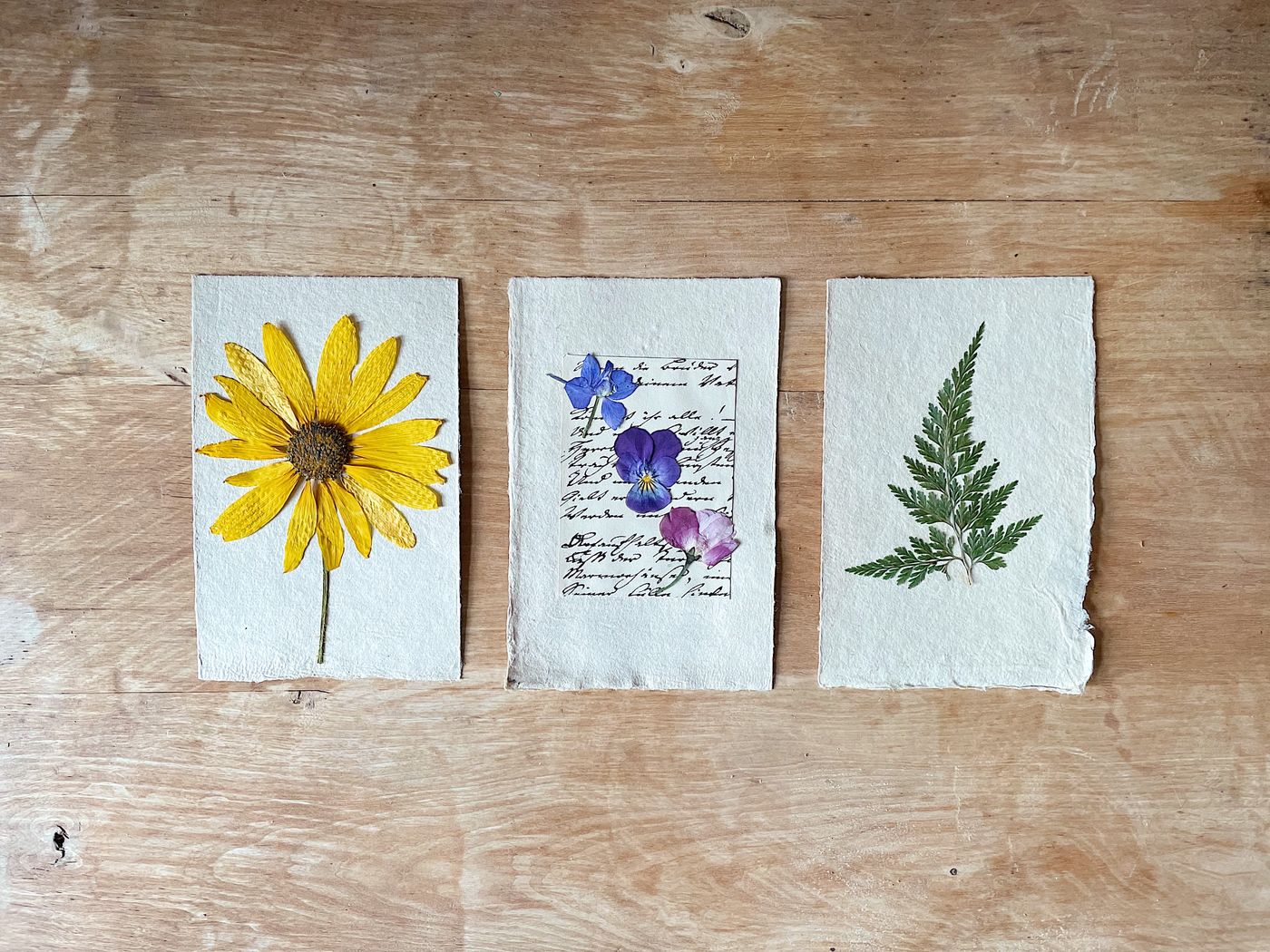
Write the actual date, source, and context while they are still available. If you only know the month or remember that the piece came from a friend’s bouquet, record that uncertainty plainly. A useful personal note can be incomplete. Inventing a precise date or a confident plant name makes the collection less reliable rather than more scientific.
Keep botanical identification separate from the memory. “From the anniversary bouquet” can be a secure personal fact even when the species remains unknown. A decorative printed name is not proof of identification. If accurate naming matters, seek appropriate help and retain the basis of the identification instead of guessing from the nearest picture online.
Kew’s account of preparing herbarium specimens shows how records and physical material belong together in a scientific collection. Its professional preparation includes procedures outside this home-storage task. The transferable idea here is keeping the information attached to the right specimen, not copying institutional freezing, chemical, or mounting treatments without appropriate knowledge.
Use a simple identifier when the collection grows
For a handful of pieces, a readable note beside the actual material may be enough. With several similar leaves or repeated visits, a short identifier can prevent mix-ups. Use the same identifier on the piece’s suitable enclosure and on any related photograph or note. Keep it short enough that you will write it consistently.
Choose a sequence you can maintain, such as a year followed by a running number. That is an optional household system, not a scientific accession standard. The useful part is that two nearly identical pieces cannot silently inherit the same story. Avoid adding more fields than you actually need for the collection’s purpose.
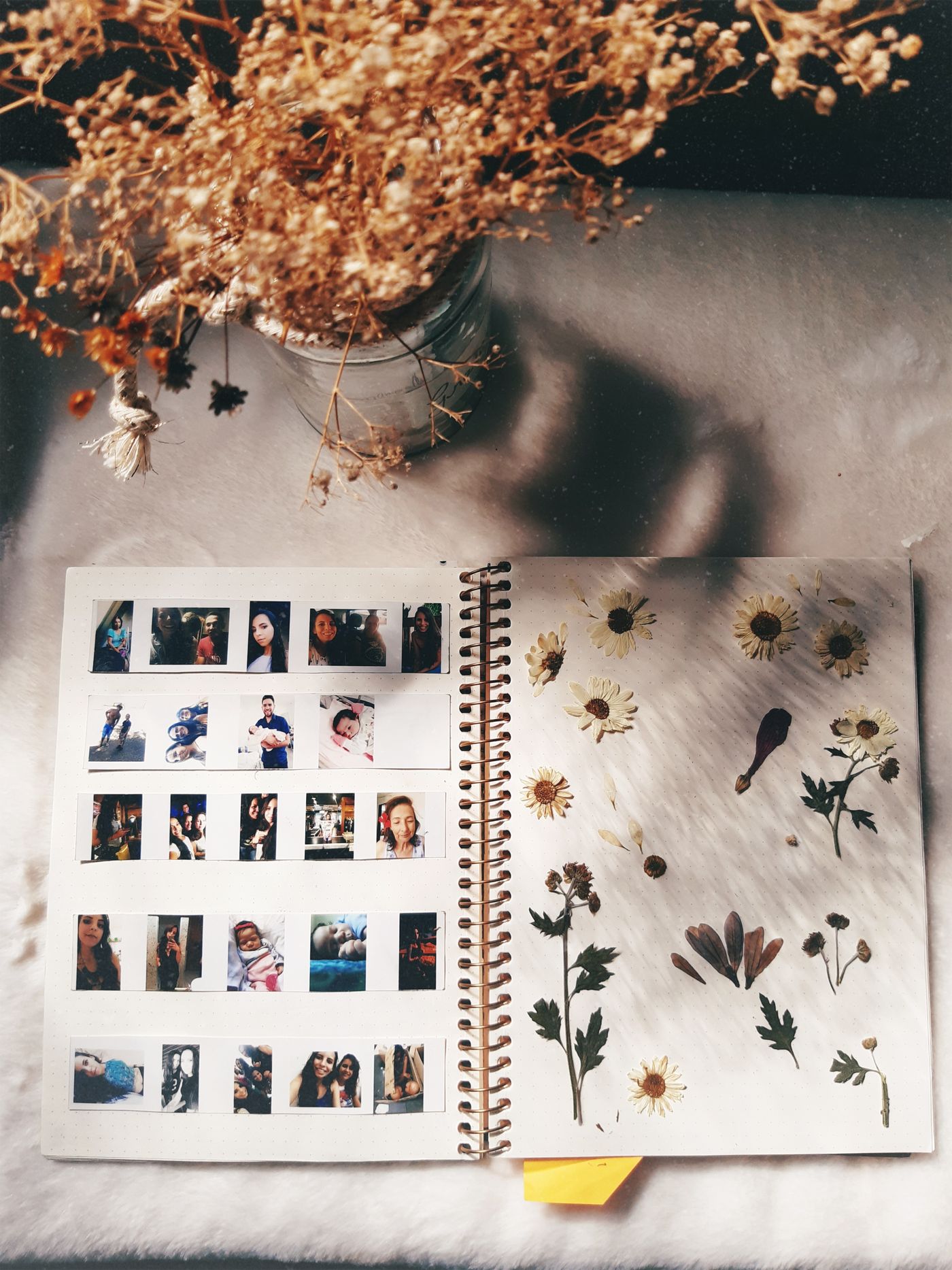
Our labeling-system guide can help choose readable labels and decide when extra coding adds work. Do not write directly on delicate botanical material merely to make the filing system look complete. Keep the chosen information with a suitable supporting record or enclosure and use materials appropriate to the preservation you want.
Protect the pieces from ordinary desk traffic
A working home office contains coffee cups, paperwork, moving keyboards, and open notebooks. Choose a suitable protected position for the collection rather than leaving loose specimens between current work papers. A flat-looking flower can still catch, crumble, or detach when a stack is moved quickly. The storage should let you retrieve the selected item without handling every other one.
Avoid closing damp or inadequately prepared material into the ready collection. If you are uncertain about condition, keep the decision separate and seek appropriate botanical or preservation guidance. This article does not establish a drying time, treatment, or archival lifetime for a particular plant. A decorative photograph cannot confirm that the pictured material is ready for your storage method.
For valuable or irreplaceable pieces, obtain suitable conservation advice before mounting or adhering them. For ordinary craft materials, follow the directions of the preparation and storage products you actually use. A household folder may keep things identifiable without being an archival preservation system. Be clear about which level of care you intend.
Keep photographs connected without duplicating every record
A clear reference photograph can help you recognize a piece while leaving it protected. Include its identifier in the file name or the associated record so you can reconnect the image with the physical item later. Photograph what you actually have rather than using a downloaded plant image that might show a different species or condition.
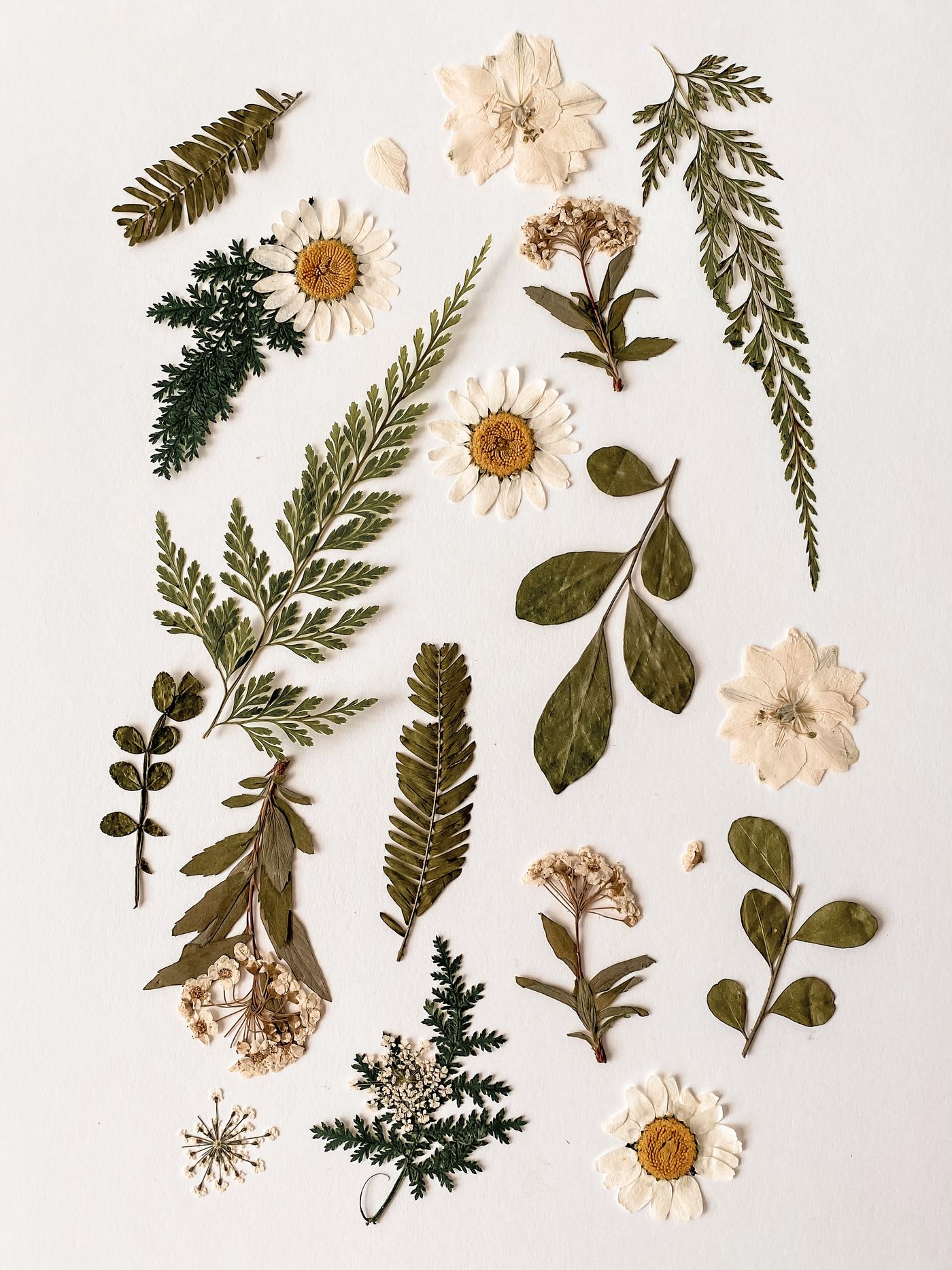
Our guide to a manageable photo-scanning project can help keep this digital step small. One useful record is usually better than a folder of near-identical images whose purpose is unclear. You do not have to create a polished online catalogue to find the leaf saved from one memorable afternoon.
If a piece is used in a card or artwork, update its status instead of leaving the record as though the loose original remains in the folder. Note the destination if that matters to you. A simple “used in Mira’s card” keeps the collection honest and prevents another search for material that has already fulfilled its purpose.
Give creative projects their own selected group
Choose the few prepared pieces for the next project and keep them apart from the main collection in a suitable temporary arrangement. Leave meaningful originals protected if you only intend to use their images. A project should not require unloading every botanical piece simply to compare two small petals.
Keep unrelated embellishments and writing supplies in their normal homes until needed. Our compact letter-writing kit guide can support a card-making project without turning the botanical folder into a general stationery container. The pressed material, its story, and the tools used to make something from it have different roles even when they meet on one table.
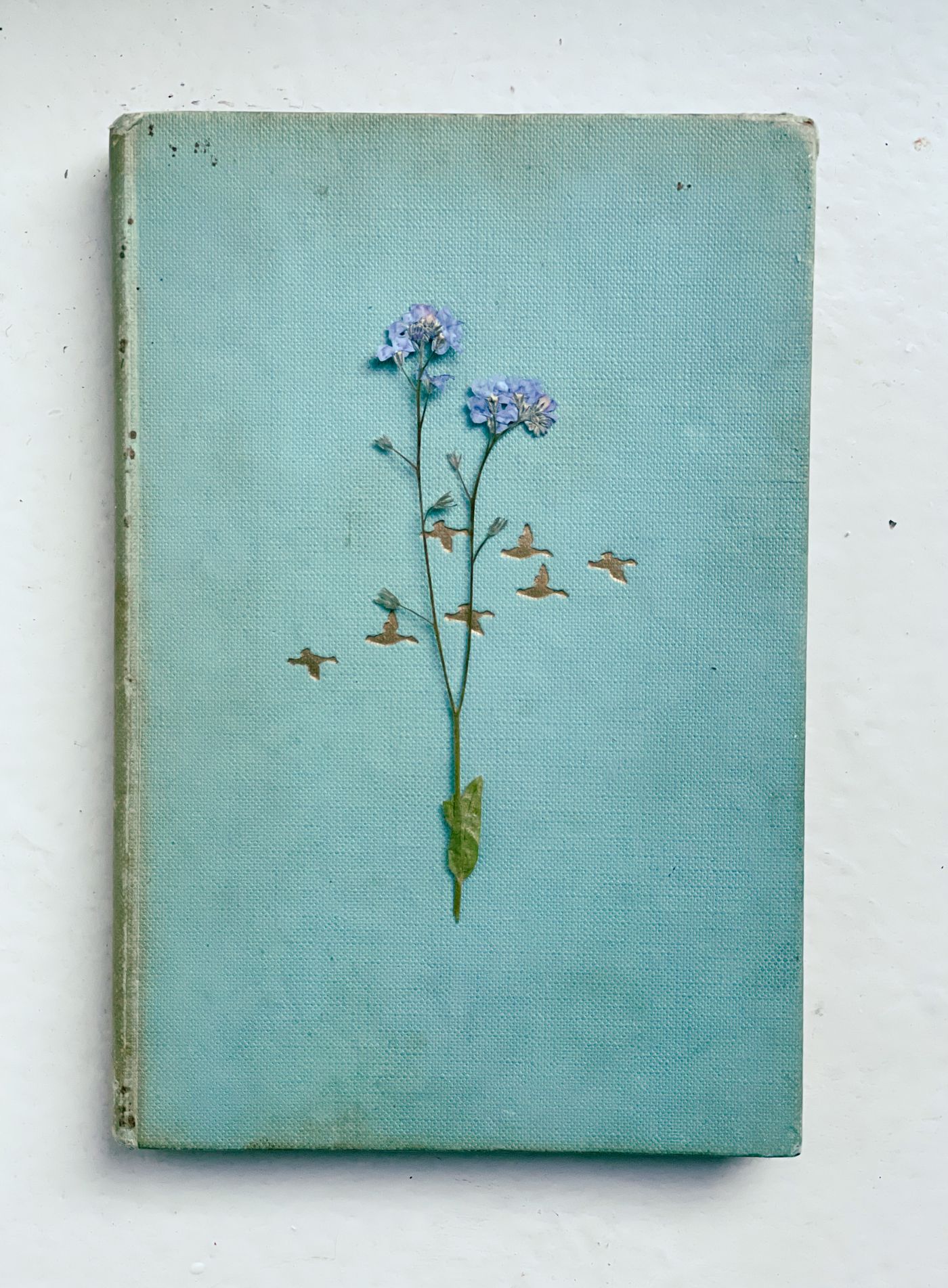
When the project ends, return unused prepared pieces with their information. Remove scraps that no longer have a useful purpose through an appropriate route, rather than keeping every fragment because it once belonged to the collection. The end of a project is a useful moment to reduce uncertainty before storing everything again.
Leave room for future meaning
Set a modest limit based on the suitable storage space and the attention you want to give the collection. Keep a representative piece or a photograph when that meets the purpose; you do not have to retain every flower from every occasion. A smaller collection with readable stories can be more enjoyable than a large folder of anonymous, fragile material.
Use our personal decor-record guide if provenance and changes matter across several kinds of keepsake. Keep the botanical details accurate and the household system simple. The finished collection should make it easy to find a piece, understand what is known about it, and decide how it may be used without losing the reason it was saved.
Explore related decisions in our Home Organization hub.
Sources and editorial scope
Editorial research checked October 21, 2026. Published trend reports are context for these editorial applications, not verified live keyword rankings. Practical household guidance; photographs do not document a tested household or authenticate pictured materials.
