A bring-one-object story night gives a small gathering a shared focus without requiring an elaborate meal, a presentation, or a room full of party equipment. Each person brings one manageable object and tells a story connected to it. The object might be ordinary: a repaired mug, an old ticket kept in a sleeve, or a tool that changed how someone learned a skill.
The useful part is the conversation, so the host’s job is to make participation clear and comfortable. Set boundaries around size, handling, privacy, and timing. Keep the room usable, allow anyone to pass, and send every object home with its owner. A successful evening does not have to produce a recording, an album, or a new display collection.
Etsy’s October 14, 2026 report includes chosen-family gatherings. This small-room activity is an editorial way to support that direction using things people already own. It is not a claim that storytelling parties have a measured search increase or that guests should buy a special object to participate.
Write an invitation that removes the pressure to impress
Explain the activity in ordinary language: bring one small, easy-to-handle object with a story you feel comfortable sharing. Say that ordinary things are welcome and that nobody has to reveal private history, prove an object’s value, or deliver a polished performance. People can attend without bringing anything.
Mention the approximate gathering length and whether food or drinks are involved. Avoid describing the event as a contest, appraisal, or collection show. An expensive or unusual object does not necessarily create a more engaging conversation, and a person with a quiet everyday story should not feel they arrived with the wrong material.
Ask guests to choose something that can travel and remain at the gathering safely. Suggest a photograph or a verbal description instead if the original is fragile, valuable, bulky, irreplaceable, or unsuitable for the setting. A phone picture can be shown briefly without making the whole evening screen-centered.
For a shared home, agree with other occupants about the room and timing before inviting people. Our quiet-time zone guide is useful when someone needs a separate low-interruption area during the gathering. The invitation should reflect the household arrangement you can actually provide.
Set a practical object limit
Choose a size that can sit comfortably in the owner’s lap or on a suitable small surface. You do not need a rigid rule in inches if a clear description will do, but explain that large furniture, live animals, liquids, hazardous items, and objects requiring special handling are outside the format.
Let each owner decide whether their object may be handled. Some may prefer to hold it up, some may pass it around under suitable conditions, and others may bring only a photograph. Do not assume that an object entering the home becomes a shared activity prop.
Ask guests to leave objects in their own possession until their turn when that works for the items. If a temporary landing place is needed, identify one suitable surface and keep separate objects clearly associated with their owners. A communal pile makes accidental swaps and handling much more likely.
Keep drinks, food, and cleaning products away from the object surface. Use ordinary household care appropriate to each item, and do not promise a controlled display environment. If an object needs museum-style conditions or special insurance, it is not the right choice for this casual gathering.
Arrange seats for hearing each other
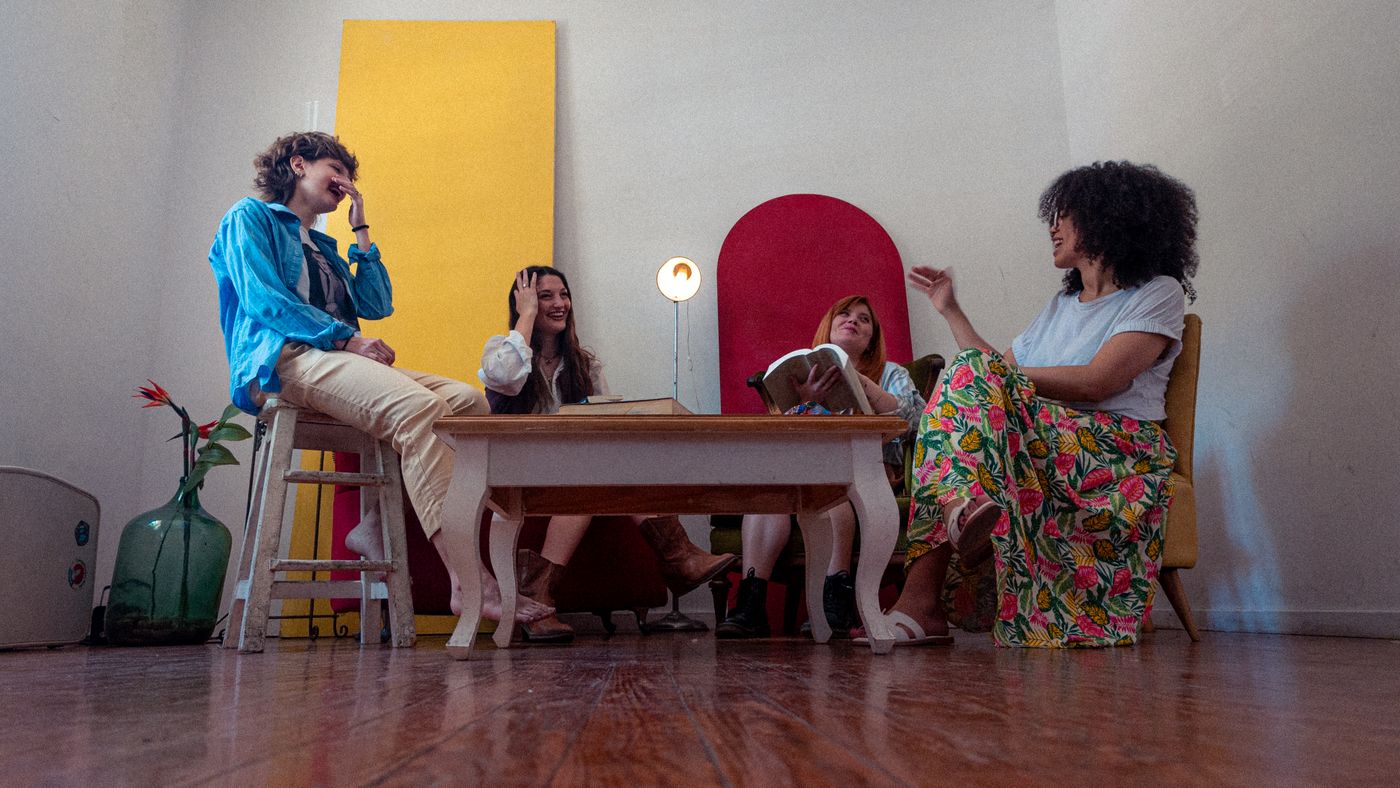
Use existing chairs and comfortable seating that suit the guests. The main requirement is that people can hear the speaker without twisting awkwardly or leaning across a table. An open semicircle or modest conversational group may work better than rearranging the entire room into rows.
Keep an accessible route through the room and to the exit. Place bags and coats where they will not spread into the seating area, and preserve necessary household access. Do not require a guest to sit on the floor simply because that makes the arrangement look more informal.
Check how the room will work while someone holds an object up. A low light level may be pleasant for conversation but poor for seeing a small detail. Use suitable existing lighting rather than adding hot or unstable lamps around delicate items. Allow a person to describe something instead of demanding a close inspection.
If the room normally hosts a hobby setup, complete its pack-away routine before guests arrive. A half-cleared project with loose tools and drying materials is a different use of the same surface; it should not become the place where guest objects are temporarily parked.

Open with a short, ordinary story
The host can begin with a modest example to make the format understandable. A useful story might explain what the item is, how it came into the person’s life, and why it remains meaningful or useful. There is no requirement to cover a full family history or establish an impressive origin.
Keep the opening shorter than the maximum time you would offer a guest. This shows that the object is a doorway into conversation rather than the subject of a formal lecture. Avoid displaying many backup examples; that can make everyone else’s single object feel insufficient.
Make passing explicit at the start. A person may prefer to listen, tell a story without showing an object, or change their mind when their turn arrives. Do not interpret that choice publicly or ask them to explain it. The activity works better when participation remains voluntary throughout the evening.
For a mixed-language group, allow extra time and alternative ways to participate. Someone might describe the item simply, ask a friend to help with a word, or answer a few short questions instead of speaking continuously. The format should support the people who are present, not test their fluency.
Use questions that invite detail without demanding disclosure
Ask about the part of the story the speaker has chosen to share. “What do you use it for now?” or “What changed after you repaired it?” can open a useful next step. Avoid questions about cost, inheritance disputes, personal loss, or other sensitive matters unless the speaker clearly wants to discuss them.
Let the owner correct a detail without turning the evening into a fact-checking contest. A casual memory may include uncertainty. “I think it was the summer before we moved” is a valid way to describe that uncertainty; nobody needs to produce documents at the table.
Keep appraisals and authenticity claims outside the format. An object that looks antique may be modern, and a remembered origin may be incomplete. If someone wants expert identification afterward, that is a separate task. Do not use the gathering to establish value, provenance, or a product recommendation.
When a story involves someone who is not there, stay with information the speaker is comfortable sharing and entitled to share. The host can gently redirect if the discussion becomes an account of another person’s private circumstances. Curiosity does not require access to every detail.

Agree about photographs and recording before anyone begins
Default to conversation without recording unless the group has clearly agreed otherwise. Ask before photographing a person or their object, and distinguish permission to take a picture from permission to post it online. A visible object can reveal names, locations, dates, or messages that the owner did not intend to circulate.
If someone wants a personal photograph of their own object later, make space for that separately. Do not turn every turn into a mandatory portrait. Guests should be able to participate without becoming content for the host’s social accounts.
For people who want to preserve a family image after the event, our printed-photo and keepsake guide offers a separate storage approach. The gathering itself does not need to generate more physical records. Keep the social purpose distinct from an archival project that nobody agreed to undertake.
Leave room for ordinary conversation
Set an approximate speaking allowance based on the group size and the evening’s length. Present it as a practical way to hear from everyone, not as a timed performance. A host can help transition with a warm acknowledgment and an invitation to continue individual conversations later.
Avoid making the object tour consume the entire visit. Leave time for people to return to a detail, compare experiences, or talk about something unrelated. If the activity begins to feel strained, stop after a natural point instead of insisting on a complete formal round.
Keep food arrangements simple enough that the host can listen. Any serving routine should follow appropriate food guidance and the guests’ known needs; this article does not prescribe a menu. Use existing suitable surfaces rather than balancing drinks beside the object display.
Return every item to its owner before the gathering ends
Invite owners to collect their objects while the group is still together. Check any protective sleeves or containers that came with them. An interesting item should not become part of the host’s shelf display merely because it was admired during the evening.
If someone wishes to lend or give an object, make that a separate explicit agreement between the people involved. Do not let a passing comment such as “you should have this sometime” become an assumed transfer. The clear set-and-return approach for borrowed items is useful when a later loan is actually agreed, though the particular handling needs may differ from toys.
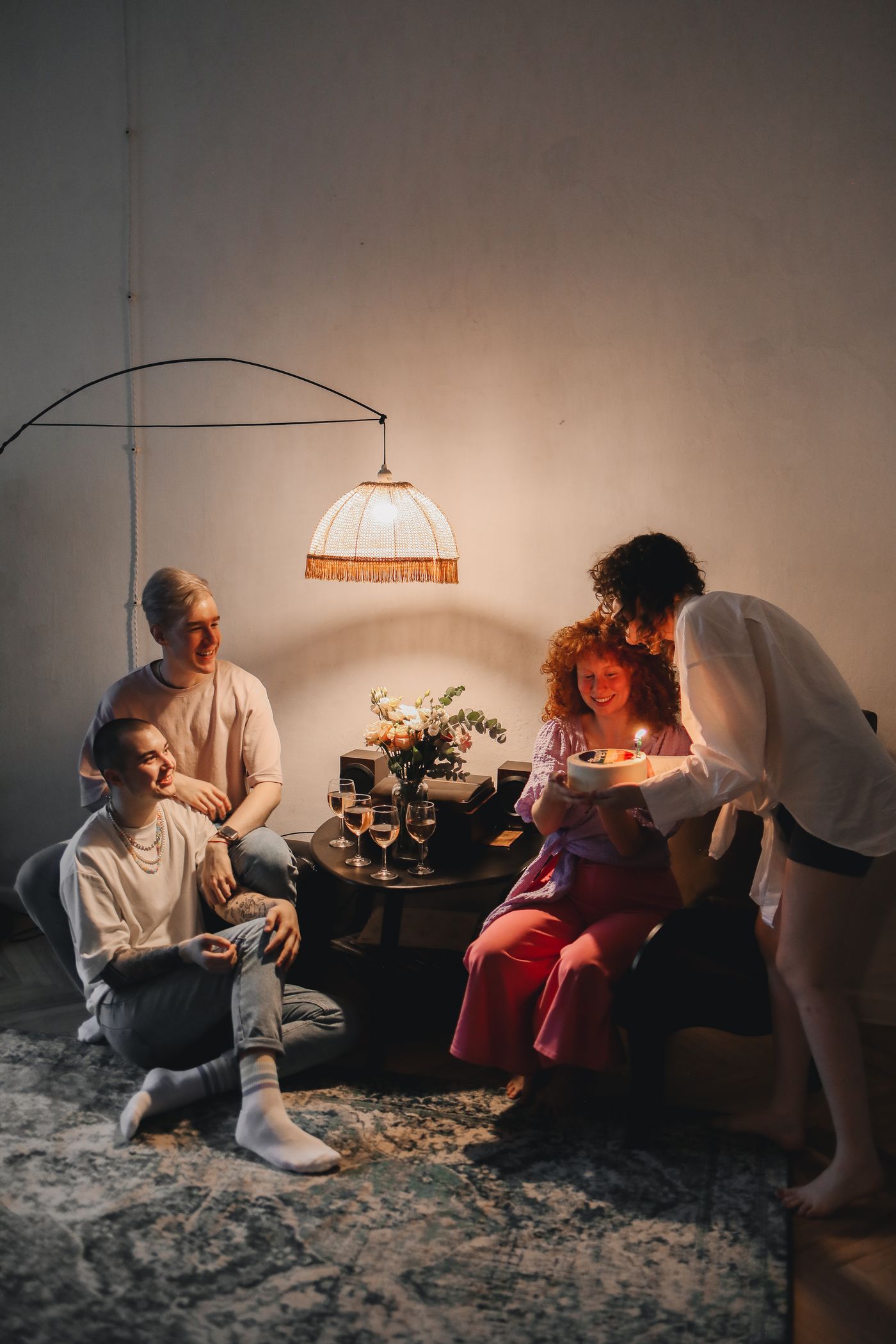
Afterward, return chairs and shared surfaces to ordinary use, check for forgotten belongings, and note only the hosting adjustment that would help next time. Perhaps the group should be smaller or the opening story shorter. The strongest result is a room of people who know one another a little better, with every object safely back where its owner intended it to go.
Explore related household decisions in our Family Home hub.
Sources and editorial scope
Editorial research checked October 16, 2026. Trend-report dates and limitations are stated in the article; these are editorial applications of published signals, not verified October keyword rankings. Practical household guidance; illustrations do not document a tested household or authenticate a pictured material.