A one-track-each listening session gives a small gathering a clear focus without requiring a large sound system or a themed party installation. Each person chooses one suitable track, the group listens, and there is room for a short explanation or conversation afterward. The hosting work is deciding how those choices will move through the room without making playback the evening’s main technical problem.
Use the equipment and permitted music access already available. Agree on a manageable selection, a playback owner, and a comfortable finish time. Keep participation optional, respect the household and neighbors, and give the room a simple return routine. A successful session is a shared experience, not an audition or a contest over musical knowledge.
Etsy’s October 14, 2026 report recognizes gatherings with friends and chosen family. This activity is an editorial response to that theme. It does not establish a measured trend for listening parties or endorse a particular speaker, streaming subscription, record player, or music service.
Decide who is coming and what the session will be
Choose a group small enough for the room and the time available. Explain the format in the invitation: one track per person, an opportunity to say why they chose it, and permission simply to listen. Let guests know the approximate duration and whether the listening is the main activity or a short part of a longer visit.
Agree on suitable content for the actual group, especially when children or mixed-age households are involved. A guest should not have to discover an unwanted content surprise after the host has announced a listening-only rule. Give participants a simple way to ask about a selection beforehand.
Keep the invitation independent from ownership of specialist equipment or physical media. A person can suggest a track through the agreed access route without bringing records, cables, or an extra speaker. Explain what the host can actually play rather than promising that every format will work on arrival.
For the shared home around the event, our quiet-time zone guide helps establish who needs another area and when. The session’s boundaries should reflect the household’s agreement instead of assuming music takes priority over everyone else’s evening.
Choose one playback arrangement and check it in advance
Use a suitable existing device and authorized music access under the applicable service or media terms. Identify one person to operate playback. This avoids repeated account changes, improvised connections, or several phones competing for the same equipment while guests wait.
Check the selected tracks through the actual planned access route before the gathering where practical. Availability can differ by version, account, and service. Ask a guest for an alternative if the intended selection cannot be played appropriately, rather than seeking an unverified copy simply to preserve the running order.
Keep credentials private. Guests can provide a title and artist or use another agreed nonsensitive reference; they do not need to disclose account logins. If a personal phone will remain in use, keep private notifications and unrelated material out of the shared viewing experience through the owner’s normal preferences.
For equipment that needs a physical connection, follow the product instructions and use compatible components. Avoid promising a universal connection from a port’s appearance alone. A short check before the visit is more useful than beginning the evening with a pile of adapters nobody has verified.
Keep the room comfortable for listening and ordinary movement
Use existing seating that suits the people attending. Everyone should be able to join without blocking the route to a door or sitting where household equipment needs clearance. A small session does not require rows facing a speaker as though the room were a concert hall.
Position equipment according to its own instructions, on an appropriate stable support. Keep cables out of routes and drinks away from electronics and physical media. Do not move a speaker to an unstable shelf just to make the room look balanced.
Our family movie-night layout guide considers seats, shared surfaces, and the room’s return to everyday use. The listening session has a different focus, but the same household should still be able to enter, leave, and reach what it needs while the activity is underway.
Keep the listening level comfortable for the participants and appropriate for the property. Make it easy for somebody to request an adjustment or take a break. Do not turn “careful listening” into an expectation that people accept an uncomfortable sound level or remain in the room without choice.

Set a selection rule that keeps the evening manageable
Ask for one track rather than a long playlist. Choose a practical length allowance based on the session and explain it in advance. If a person’s preferred piece exceeds that allowance, agree on another selection or a suitable excerpt before the gathering, with no obligation to make a special exception publicly.
Decide the running order simply. Arrival order, a volunteer opening, or a sequence prepared by the host can work. Avoid creating a ranking that suggests one person’s choice is the serious contribution and another’s is a novelty interruption.
Keep repeat listening optional and separate from the first round. Replaying one guest’s selection several times may be enjoyable for some while preventing others from taking a turn. Finish the agreed group sequence before deciding together what to revisit.
When people have different familiarity with music, use ordinary descriptions. Nobody needs to know recording dates, production terms, or an artist’s complete catalog to explain that a song accompanied a meaningful journey or made them want to dance.
Give each selection a short introduction
Invite the chooser to say what they want the group to notice or why they brought the track. Keep that introduction brief enough that the music remains the shared focus. A person can pass on explaining without having to justify the choice.
Leave room for a response after listening. Ask an open, low-pressure question if it helps, such as which detail someone noticed. Avoid quizzes, unsolicited appraisals, or comparing guests’ tastes as though the evening needs a winner.
If a story connected to a track becomes personal, let the speaker set the boundary. Do not demand private background or photograph the moment for social media without appropriate agreement. A gathering can be memorable without producing a public record of every reaction.

Make physical media a deliberate option
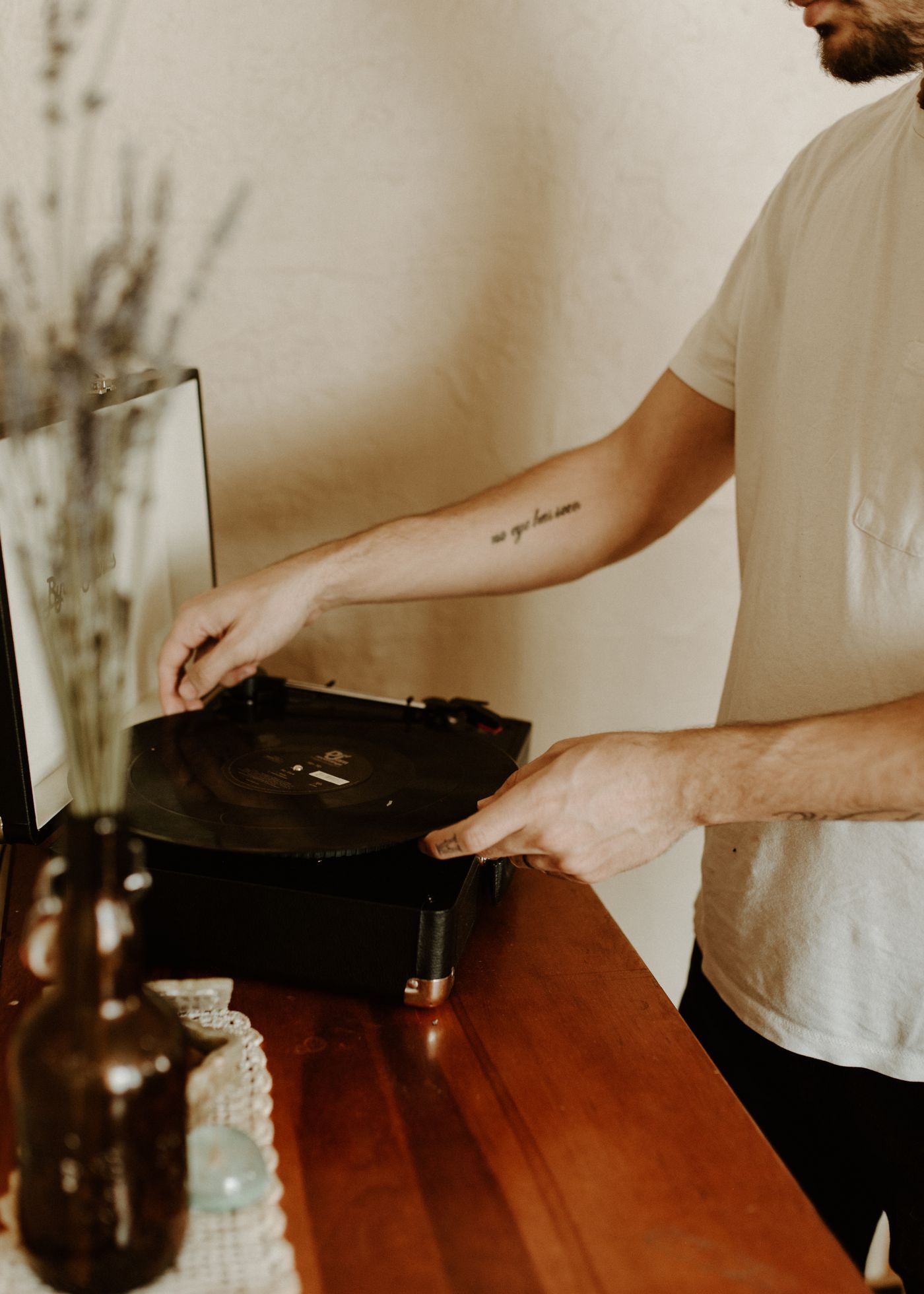
If the agreed format includes a record or another physical medium, use compatible equipment and let its owner establish handling. Keep sleeves and discs together, and give the item a suitable landing place away from food, drinks, and the edge of a crowded table.
Do not pass a delicate or valued item around as an assumed part of its introduction. Showing the cover or explaining the story may be enough. The guest can choose a different way to share if transport or handling makes the original unsuitable for the setting.
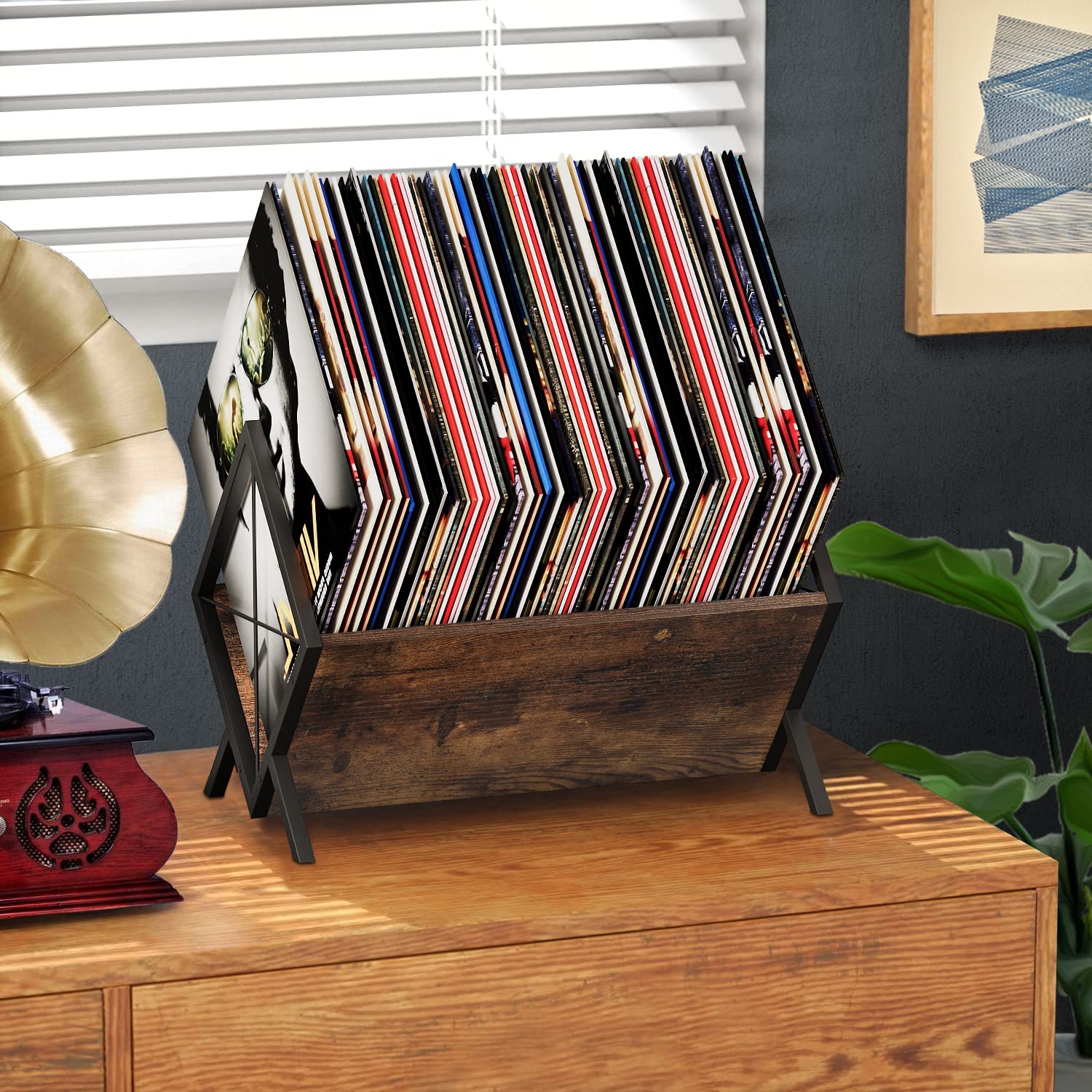
Our vinyl-rack review considers the footprint and access involved in keeping records in a shared room. A temporary listening event does not require purchasing that rack; a suitable existing storage position may already support the selected items and their safe return.
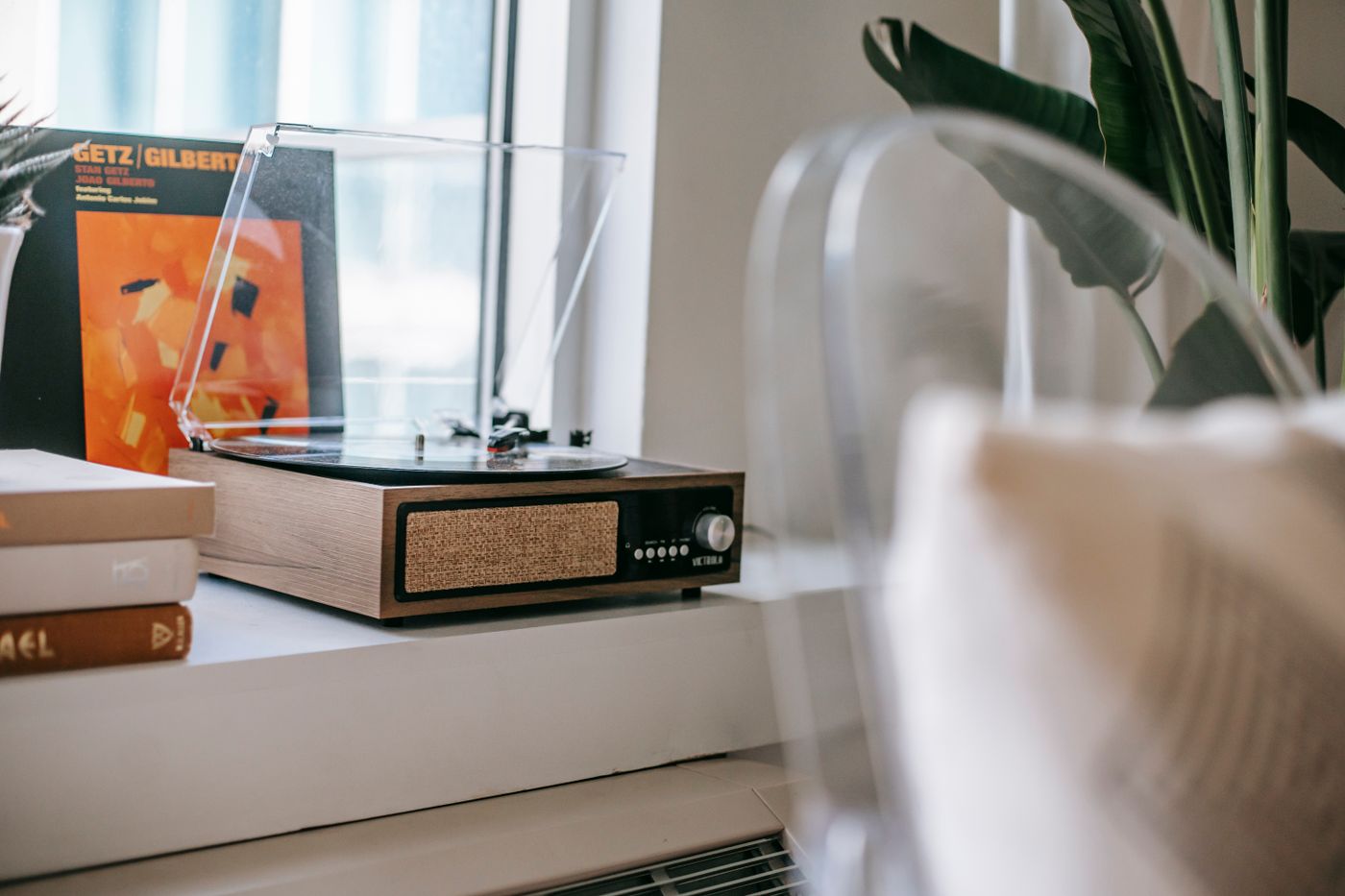
The contextual equipment photographs in this article show formats, not verified combinations. They do not establish that a pictured player, speaker, phone, and record are connected, compatible, or appropriate for your intended setup. Follow your own products’ instructions.
Include a pause and an honest end
Leave a break where people can move, talk, or choose whether to continue. A short structured session can be more enjoyable than extending it automatically because somebody has another track in mind. The invitation’s time boundary should still mean something when the host is enthusiastic.
If technical access fails, use the agreed fallback or move into ordinary conversation. Avoid making a guest wait through an extended troubleshooting performance. Their contribution can be a description or a later recommendation rather than a playback task the whole group must solve immediately.
Bring snacks and drinks through a separate suitable routine if they are part of the visit. Keep the listening equipment accessible to its operator without making every person reach over it to use the shared surface. Clear the surface as needed instead of treating a styled arrangement as fixed throughout the event.
Return equipment and belongings before the room changes purpose
Give physical media back to its owner, disconnect guest equipment as instructed, and return the playback setup to the household’s normal arrangement. Check for small accessories before clearing the table. Do not leave a temporary connection as a permanent cable across the room because the evening ended late.
Use the pack-away hobby-zone routine to keep the return concrete: each item has an identified home, shared surfaces are released, and the next room user can understand what remains. Save a shared track list only with the group’s agreement and without adding private stories people did not intend to circulate.
A useful listening gathering leaves people with a few new sounds and a clear sense that their choice was welcome. The equipment supports that exchange. It does not need to become another collection or an ongoing project for the household after everyone has gone home.
Explore related household decisions in our Family Home hub.
Sources and editorial scope
Editorial research checked October 17, 2026. Trend-report dates and limitations are stated in the article; these are editorial applications of published signals, not verified October keyword rankings. Practical household guidance; illustrations do not document a tested household or authenticate a pictured material.