A handwritten thank-you afternoon can bring people together without asking everyone to write the same message. Each person chooses a recipient, writes in their own voice, and decides how the note will reach that person. The shared part is the time and table, rather than the private content of every card.
Etsy’s October 2026 report frames Family Reimagined around meaningful connection. Writing together is a modest editorial application of that theme, with room for relatives, friends, neighbors, and chosen family. It should remain voluntary. Gratitude is not improved by requiring someone to disclose feelings or send a message they do not want to send.
Choose a purpose small enough to finish
Invite people to write one specific thank-you, acknowledgement, or warm note. A recipient might have helped with a move, shared a meal, looked after a plant, or simply made a difficult week easier. There is no need to produce a complete holiday mailing list in one sitting.
Explain that participants can keep the note, hand it over, or send it later once the delivery details are confirmed. Do not promise mailing as the only successful outcome. Someone may want to thank a person whose address they do not know, or write privately without sharing the finished message with the group.
Keep the invitation clear about available space and materials. People can bring an existing card or use plain paper. A small shared room does not need a themed stationery purchase or decorations for the activity to feel intentional. Leave room for conversation, quiet writing, and someone choosing not to participate.
Prepare the table for separate messages
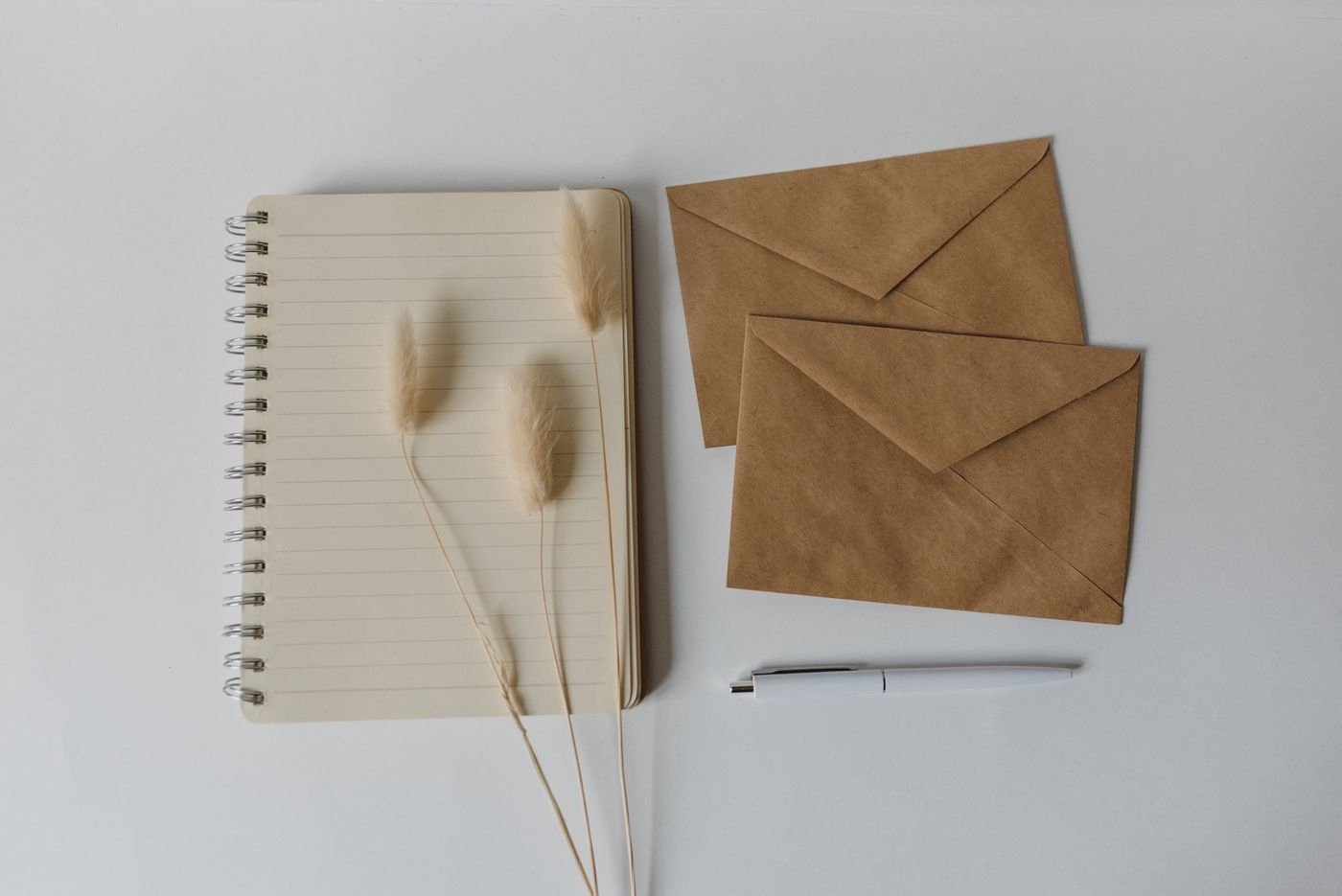
Give each writer enough ordinary working space for paper, a pen, and an envelope if needed. Avoid one central pile that requires people to move each other’s cards every time they reach for supplies. Keep drinks appropriately separated from the writing areas and make the route around occupied chairs usable.
Put extra paper and a few suitable writing tools within easy reach. Start with what the household already owns and that works on the chosen paper. Test a pen on a spare piece before writing the final message, particularly if the card has an unfamiliar finish. Elaborate lettering supplies are optional, not the admission price.
If the table has another job later, agree on the finish time and the destination for anything unfinished. Managing a shared family table helps establish those boundaries. The agreement should cover the room’s return to ordinary use without imposing a deadline on someone’s feelings.
Offer prompts without supplying a script
A useful prompt can be as simple as naming the specific action and its effect: “Thank you for collecting the parcel; it meant I did not have to rearrange the afternoon.” This gives the writer somewhere concrete to begin without claiming there is a perfect formula for gratitude.
Let the message sound like its author. A short note can be complete, and a drawing can contribute where the writer wants it to. Avoid rewriting every phrase into formal language or insisting on a sentimental ending. The recipient is likely to value recognition that feels specific and personal.
For a child who wants help, ask whether they would prefer spelling assistance, a scribe, or someone reading the message back. If you write dictated words, preserve their meaning and make clear whose message it is. Do not add promises, emotional claims, or invitations the child has not chosen.
Allow silence and protect unfinished thoughts
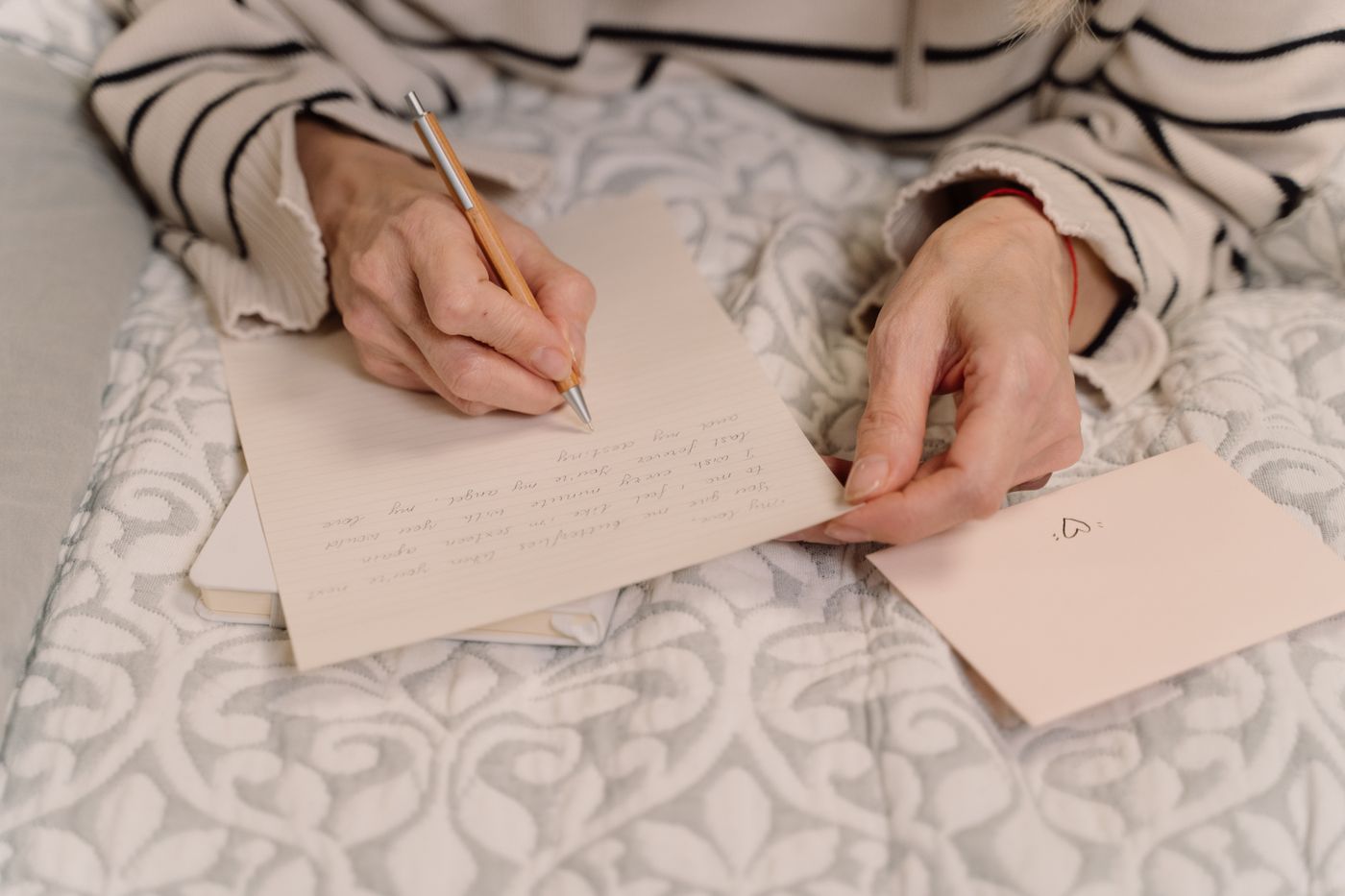
Conversation can be pleasant, but writing may need a quieter interval. Tell participants they can pause the chat while they find words. Do not read over a shoulder or pick up a card to see how someone is progressing. The shared activity does not create permission to inspect private correspondence.
If someone asks for feedback, clarify the request: checking readability, helping with an address, or discussing tone are different forms of help. Respond to the actual question rather than taking over the note. A message should not become a group editing exercise unless its author wants that.
Participants can step away without leaving a personal draft exposed. Provide a suitable folder or envelope for that purpose. For households balancing different activities, quiet zones in a multipurpose room offers a related way to protect concentration while keeping the rest of the home functional.
Confirm delivery details privately
For a posted note, the writer should confirm the current address through an appropriate trusted source and check the applicable postal requirements. Do not guess an address from an old envelope or assume another guest has permission to share it. Keep address checks separate from the group conversation.
Use the delivery method the author has chosen and that is appropriate for the recipient. A hand-delivered note does not require anyone else to learn a home address. A message intended for a workplace may need different handling from a personal card. Where there is uncertainty, hold the note securely until the author resolves it.
Do not photograph addressed envelopes for a public activity recap. A neatly arranged mailing pile may expose names, addresses, or other personal details. If participants want a picture of the afternoon, use blank or otherwise appropriate materials and obtain the relevant permission before sharing.
Separate complete, awaiting-detail, and private-keep notes
Before clearing the table, let each writer decide the state of their own note. A complete note can go into the delivery arrangement they authorize. An awaiting-detail note needs a named next action, such as confirming an address. A private-keep note belongs with its author rather than in a communal outgoing pile.
Do not seal another person’s envelope or add a signature on their behalf without permission. A note can look finished while the author still intends to revise it. Likewise, do not promise that one participant will mail everyone’s cards unless that person has agreed and the writers have authorized the handoff.
If the family has an established place for correspondence, use it only for items that genuinely belong there. Keeping household records understandable can help distinguish ongoing administrative papers from personal notes, but these messages should retain the privacy and ownership their writers expect.
Return the supplies without collecting the messages
Gather shared pens and unused blank materials, then let each participant take responsibility for their own correspondence. Put spare envelopes away in usable condition. Dispose of drafts containing personal information through an appropriate private route chosen by the author, rather than leaving them in an open shared paper pile.
Divide practical cleanup tasks without evaluating who wrote the most. Someone can wipe an appropriate cleared surface using its usual care method, another can return chairs, and another can collect the shared supplies. A clear approach to family chores supports an understandable finish without making the writing itself a performance contest.

Make the next action visible to its owner
A note waiting for an address should have a reminder its author understands. That might be a private calendar entry or a slip kept with the note. Avoid an open display of recipients and addresses on a common board. Clear ownership is more useful than a conspicuous tracking system everyone can inspect.
If the group wants to write together again, repeat the part they enjoyed rather than expanding it automatically. The next afternoon could involve fewer people, plain paper, or a shorter quiet interval. Keep enough flexibility for someone to attend without writing or to bring their own materials.
If the next use is a shared meal, a simple family table-setting routine can begin once personal messages and writing supplies have been put away. A finished gathering can leave a few meaningful notes and a clear room, with each writer knowing what happens to their message next.
There is no need to count completed cards as proof that the afternoon succeeded. The practical goal is time to acknowledge someone thoughtfully, with enough privacy and a simple route from the writer’s intention to the recipient.
Explore related household decisions in our Family Home hub.
Sources and editorial scope
Editorial research checked October 17, 2026. Trend-report dates and limitations are stated in the article; these are editorial applications of published signals, not verified October keyword rankings. Practical household guidance; illustrations do not document a tested household or authenticate a pictured material.