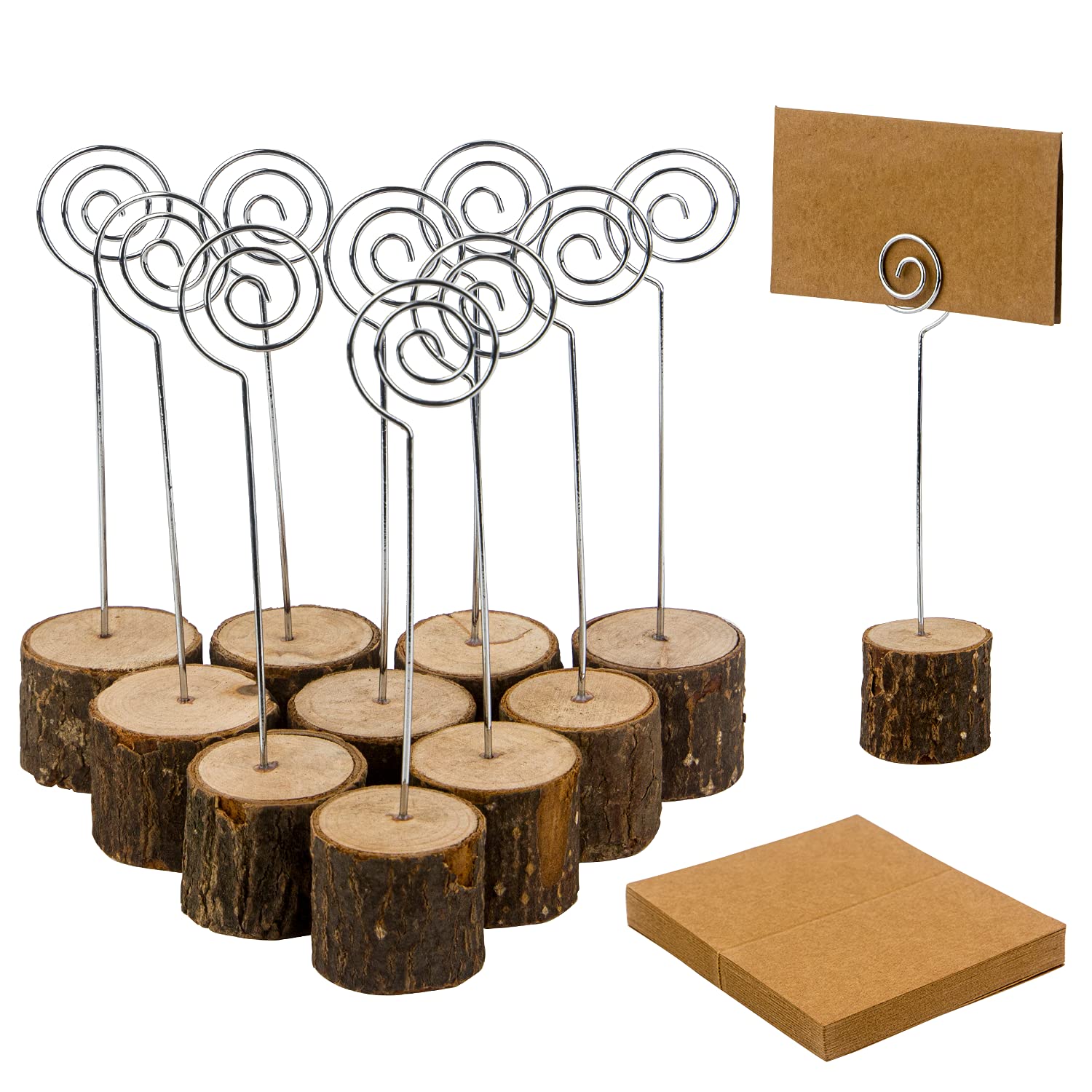
Make a recipe-card exchange useful by asking for complete, readable instructions rather than just attractive cards. Each recipe needs a clear yield, ingredient amounts, a workable method, and any equipment or preparation notes that matter. Keep the gathering small enough that friends can ask questions without turning the dining table into a permanent collection of loose paper.
Etsy’s October 14, 2026 report includes gifts for friends and chosen family. Sharing a meaningful household recipe is our application of that direction. It can be an inexpensive personal gesture, but the value comes from something the recipient can understand and choose to cook, not from elaborate packaging.
This guide plans the exchange of recipe information. It does not prescribe a tasting event, certify a recipe’s food safety, or adapt dishes for medical diets. If you also serve food, plan its preparation, storage, and individual requirements separately using appropriate authoritative guidance.
Keep the invitation specific
Choose a small group and state what each person should bring. One recipe per household can be enough. Ask for an appropriate number of readable copies or agree how people will make their own copy with permission. The gathering does not need to become a printing project for a large imaginary audience.
Let participants choose a dish they actually know. A simple family breakfast or weekday soup may be more useful than an impressive recipe copied from somewhere else and never attempted. Ask people to say whether they have made the exact version they are sharing.
Do not require every person to contribute a treasured family recipe. Someone may prefer to participate by asking questions or sharing a legitimate reference to a recipe’s original publisher. Keep the event welcoming without expecting access to private family information.
Use a small consistent information checklist
Include the recipe name, stated yield, ingredients with quantities, preparation steps, and any relevant equipment. Note whether an ingredient is measured before or after a preparation step when that changes the result. Write clearly enough that a person outside the original household can follow the sequence.
Explain shorthand that may not travel well. “One packet” needs the product and size, and “cook as usual” assumes experience the recipient may not have. Ask the contributor to resolve those gaps before the recipe goes into the exchange pile.
Our usable recipe-index guide addresses the collection after the event. A consistent title and source reference will help a new recipe enter that system. The exchange itself should not require every guest to adopt the same binder, app, or filing method.
Preserve source and ownership information
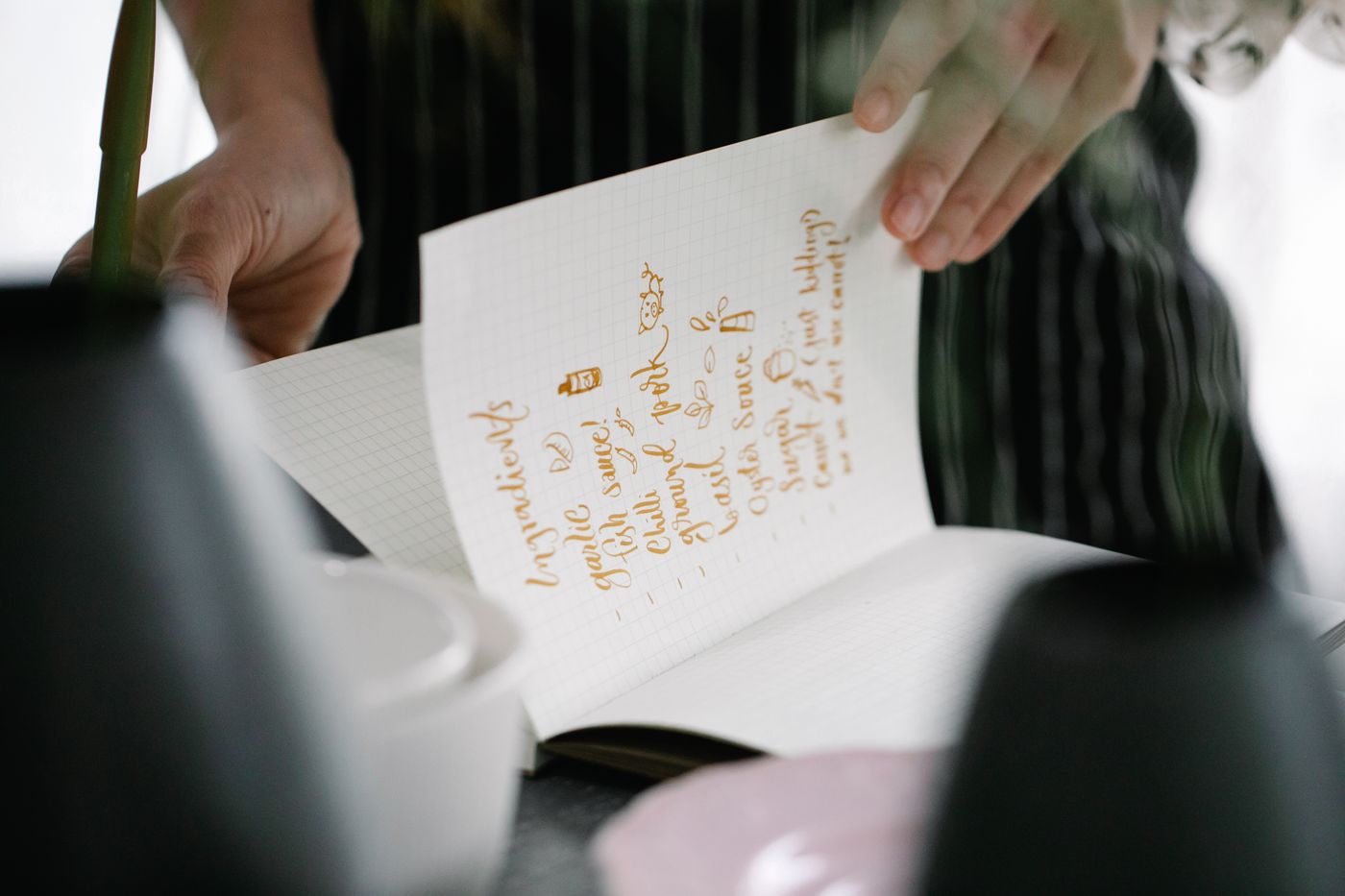
Ask contributors to distinguish their own instructions, a family version, and a recipe from a book, website, or paid class. Keep the original author or publisher identified where relevant. Sharing an idea does not automatically grant permission to reproduce someone else’s full published text.
When permissions are uncertain, share a brief description and a legitimate source reference instead of photocopying pages for the whole group. Recipients can consult the original under its own access terms. A personal recommendation can be valuable without distributing the entire source.
Keep private stories optional. A contributor may enjoy explaining who made the dish in their family, but the cooking instructions do not need to include names, addresses, health information, or other personal details. Ask before photographing or posting another person’s card or story.
Make units and equipment understandable
Keep the contributor’s original units clear. If someone wants to convert measurements, use an appropriate reliable reference and label the converted version rather than silently changing the card. A handwritten correction should not leave two conflicting quantities that the next person must interpret.
Note equipment that materially affects the process, such as a particular pan size or an appliance setting. Do not describe a recipe as universally interchangeable across ovens, pressure cookers, and other devices without a tested, appropriate method for each.
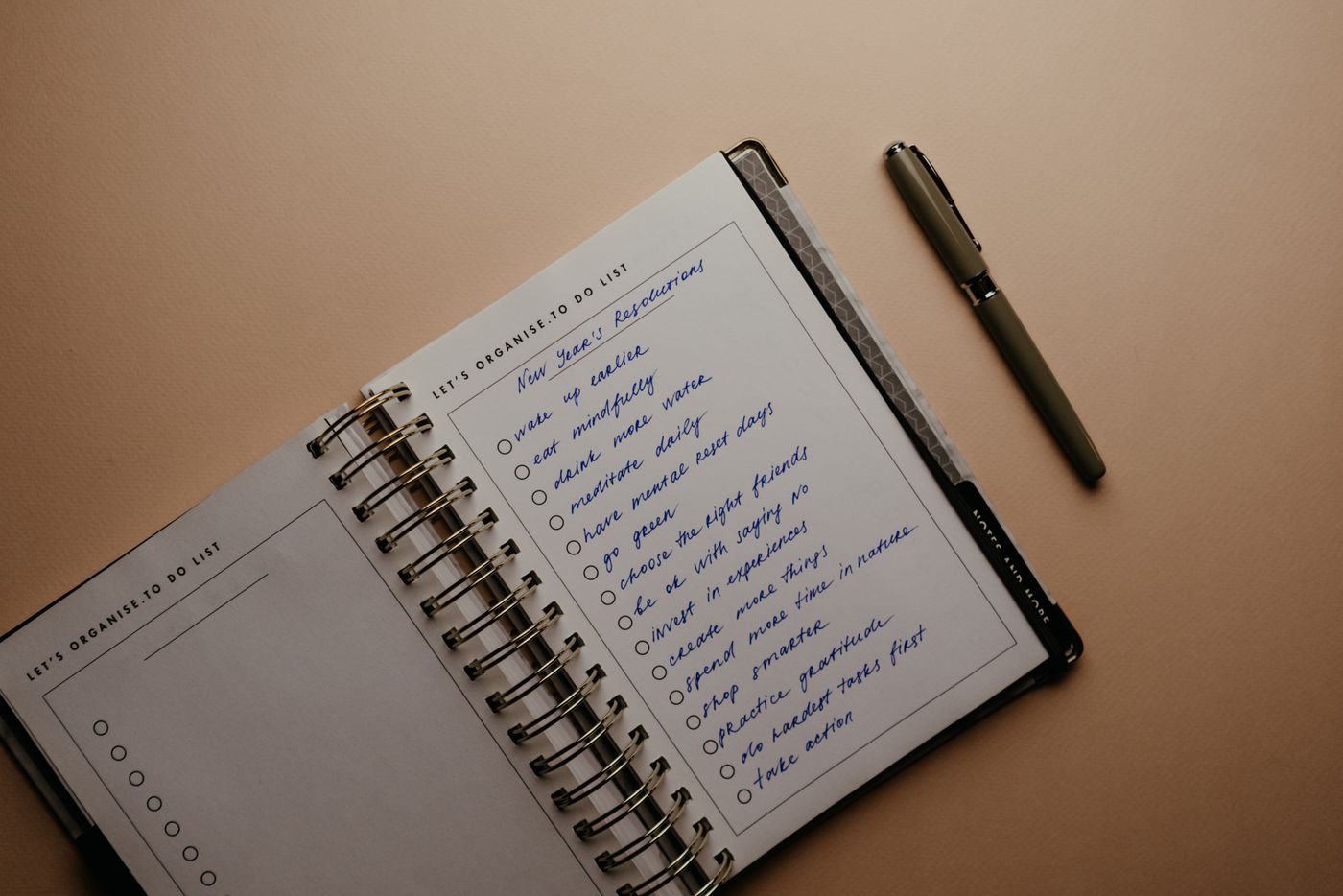
Avoid presenting an uncertain timing note as a safety instruction. Participants should consult authoritative cooking guidance and the actual recipe source where needed. The host’s job here is to make the information clear, not to validate every dish or promise that it will work in every kitchen.
Leave substitutions as questions when untested
Separate changes someone has actually made from ideas they have not tried. “I used this exact substitute in my version” is different from “this might work.” Label the distinction plainly. An attractive card should not make an untested suggestion look established.
List the actual ingredients rather than declaring the recipe safe for every person with a dietary restriction. People should make their own suitability decisions with the appropriate information and advice. Do not ask the group to disclose medical details to justify declining a recipe.
If a friend wants to experiment later, let that remain their own project. The exchange can inspire cooking without promising a result. A useful note might identify where the original recipe explains an option, allowing the recipient to consult it directly.
Use the existing table with a clear boundary
Set aside a modest area for the cards and another suitable position for people to write or ask questions. Keep drinks away from the papers. Do not spread the exchange across every dining surface simply to make the event feel generous.
Our shared dining-table handoff guide can help clear the previous task and restore the table afterward. Move ordinary papers to their real temporary home rather than stacking them under the exchange materials. Each activity should have an understandable ending.
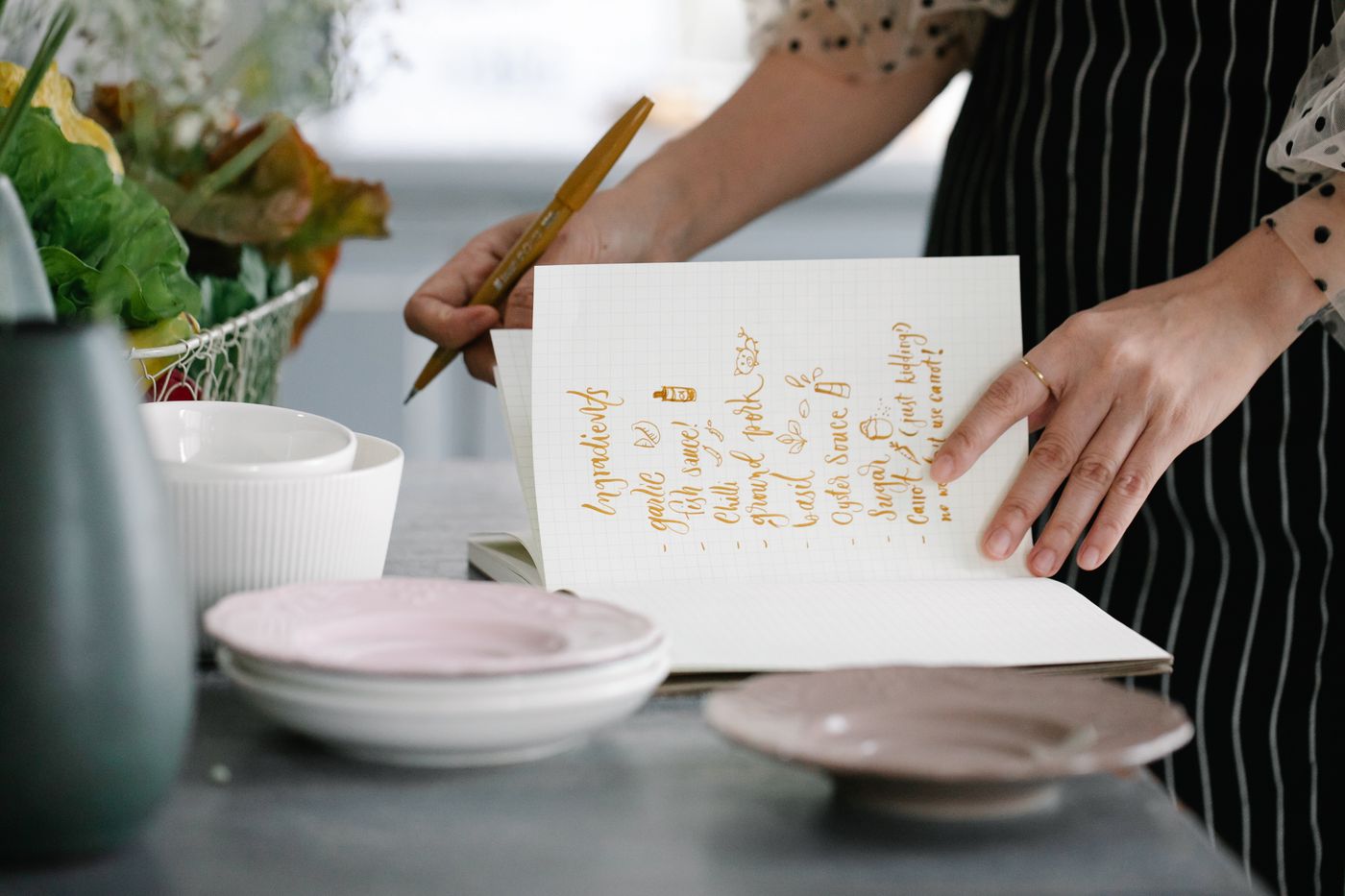
Keep materials simple: suitable paper, a few working pens, and a way to keep each recipe’s pages together. A special card kit or personalized box is optional. The exchange becomes more useful through readable information, not through another set of containers that every household has to store.
Give each contributor a short turn
Let people explain why they chose the dish and identify one practical point that would help a first-time cook. A clear sequence keeps the event from becoming several simultaneous conversations over the same stack of cards. Invite questions before moving to the next contributor.
Keep uncertainty visible. If a person cannot remember a quantity or cooking step, mark the card as needing confirmation and agree who will supply the correction. It is better to send a completed version later than to guess in order to finish the pile that afternoon.
Children can help distribute appropriate papers or identify the recipe they are interested in. Our table-setting handoff for children offers a similar way to define a small useful role. Here, distinguish handing out cards from being responsible for checking adult cooking information.
Let guests choose what they want to take
Do not require every person to accept every recipe. A guest may already have a version they prefer, lack the equipment, or simply not enjoy the dish. A small chosen set is more likely to be used than a compulsory packet that joins another paper pile.
Keep any source and revision notes attached to the selected copy. If someone photographs a card with permission, check that all necessary pages and the identifying source are included. A beautiful image of half the method is not a useful recipe record.

Avoid making the next meeting conditional on everyone cooking their selection. The exchange can remain a pleasant social event without a follow-up performance requirement. People may try the recipe when it suits their household, or decide that the conversation itself was the part they enjoyed.
Close the event with the table available again
Return unchosen cards to their contributors or agree an appropriate route for them. Keep the host’s selected recipes in their intended reference position. Do not make the dining room an indefinite collection point for everyone else’s spare copies.
Use the household’s existing division of closing tasks. Our family chore-system guide can help clarify who returns pens, checks for missing pages, and restores the table. The work should remain proportionate to a small gathering.
The exchange has succeeded when guests leave with information they understand, sources remain clear, and any unresolved correction has an owner. A personally useful recipe and an enjoyable conversation can be enough. You do not need a large new collection to make shared household knowledge feel generous.
Explore related household decisions in our Family Home hub.
Sources and editorial scope
Editorial research checked October 16, 2026. Trend-report dates and limitations are stated in the article; these are editorial applications of published signals, not verified October keyword rankings. Practical household guidance; illustrations do not document a tested household or authenticate a pictured material.