
The last toilet-paper roll can sit in the bathroom for several days without becoming anybody’s task. One person notices, another assumes a replacement is nearby, and a child announces the shortage only when the room is already in use. The problem is often a missing handoff between noticing, bringing supplies, and recording what has run out.
Create a bathroom restock routine with a small set of appropriate tasks children can help complete. Keep cleaning products, medicines, sharp items, electrical equipment, and other restricted supplies under suitable adult control. This guide concerns ordinary agreed items such as toilet paper and clean towels; the child’s age, abilities, supervision, and household rules determine their participation.
Choose a short list of child-appropriate tasks
Walk through the bathroom with the responsible adult and choose what a child can safely notice or carry. They might report that the toilet-paper reserve is low, bring a clean hand towel to an accessible place, or tell an adult that the ordinary soap supply needs attention. Reporting a need is useful participation even when the adult handles the product itself.
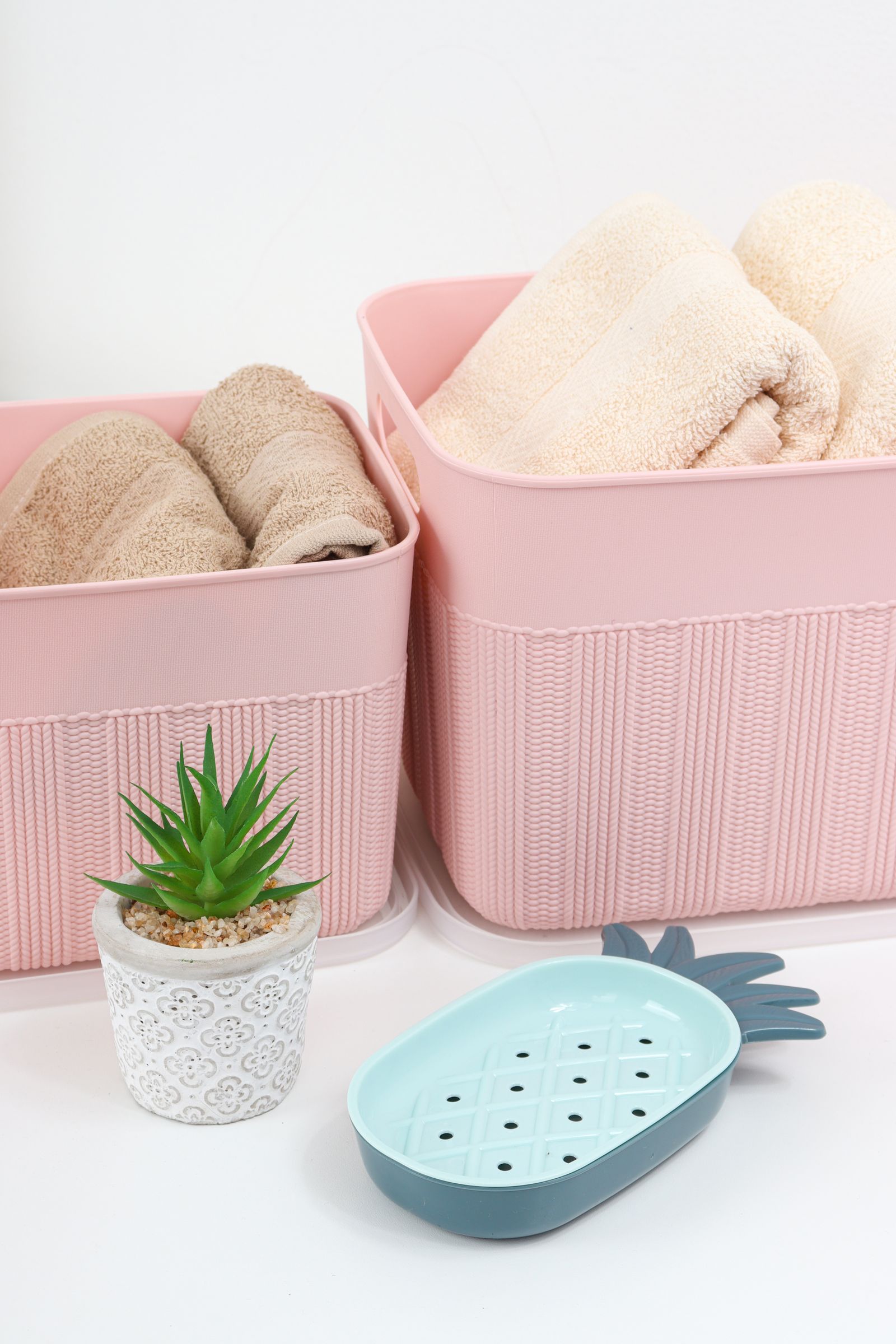
Make the boundary concrete. A child should not have to inspect unknown bottles or decide whether a cleaning product belongs beside the sink. Keep restricted items secured as appropriate and identify who handles them. Avoid putting adult-only products in the same open restock basket merely because the basket is conveniently located.
Start with one or two tasks. Show the child the complete route, including where to find the approved item, where it belongs, and how to tell you it is finished. A short responsibility that ends clearly is easier to repeat than an instruction to “make sure the bathroom has everything.”

Define the amount that means ready
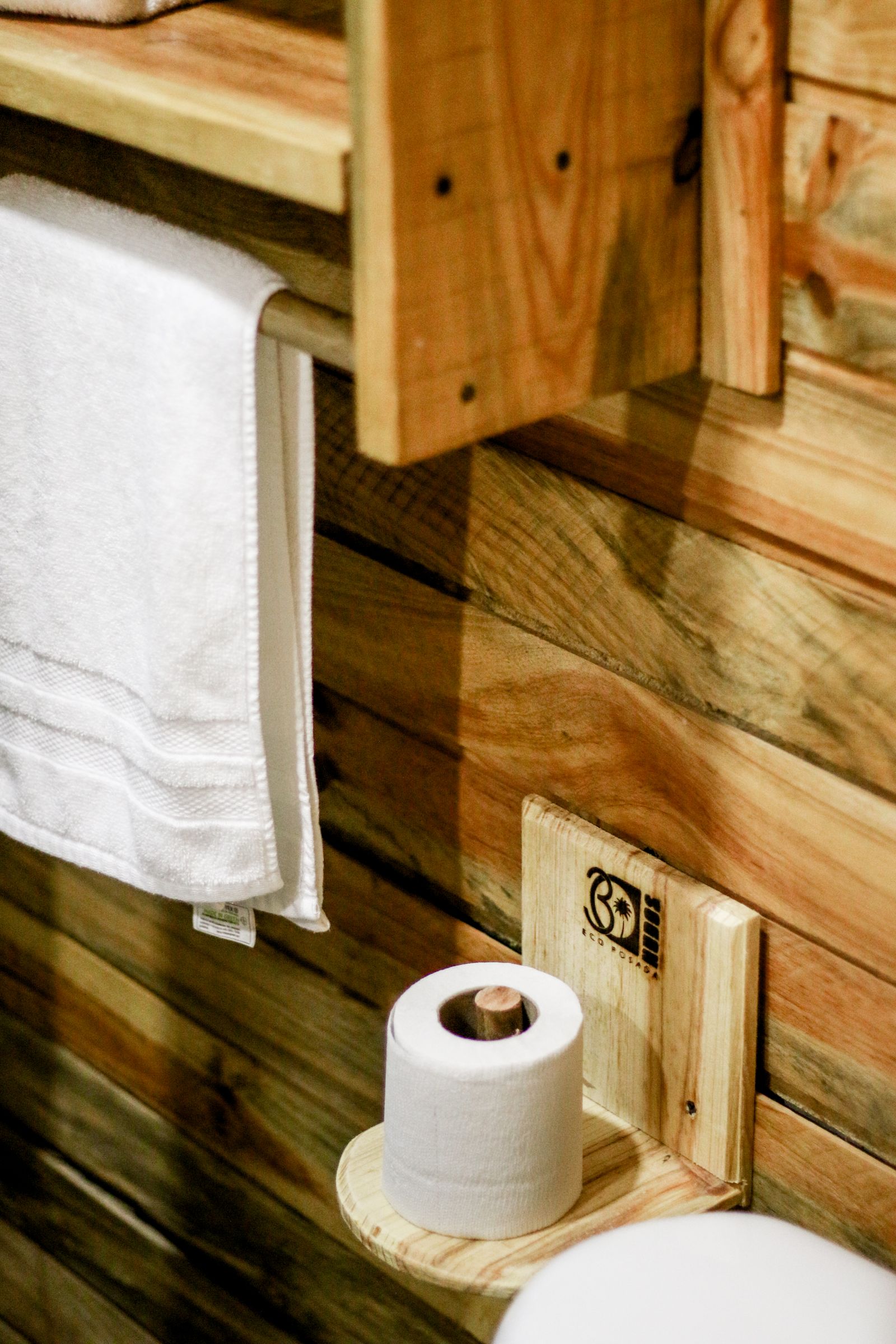
Choose a modest ready supply appropriate to the room and household. For example, designate a particular accessible spot for the current toilet-paper reserve. Decide what visible condition means it needs adult attention. The child should be able to recognize that condition without counting everything in a larger storage cupboard.
Use the actual product size when testing fit. Rolls, towel folds, and packages vary. A shelf that held one brand’s rolls may not accept a replacement package in the same arrangement. Keep ordinary access possible and follow relevant storage requirements. Do not pack the space so tightly that taking one item makes the rest fall.
Keep the ready amount separate from the buying decision. A child can report that the room needs a roll without knowing whether the household must purchase more. The adult checks the reserve storage and shopping list. This prevents each observation from becoming a duplicate order or an extra large package occupying the bathroom floor.
Make the supply route easy to show
Choose an accessible source location for the approved items. Check the route with the child under appropriate supervision: opening the storage, retrieving the item, carrying it, and putting it in place. Remove requirements to climb, drag furniture, or reach over adult-only products. If the route cannot be made suitable, keep the retrieval step with the adult.
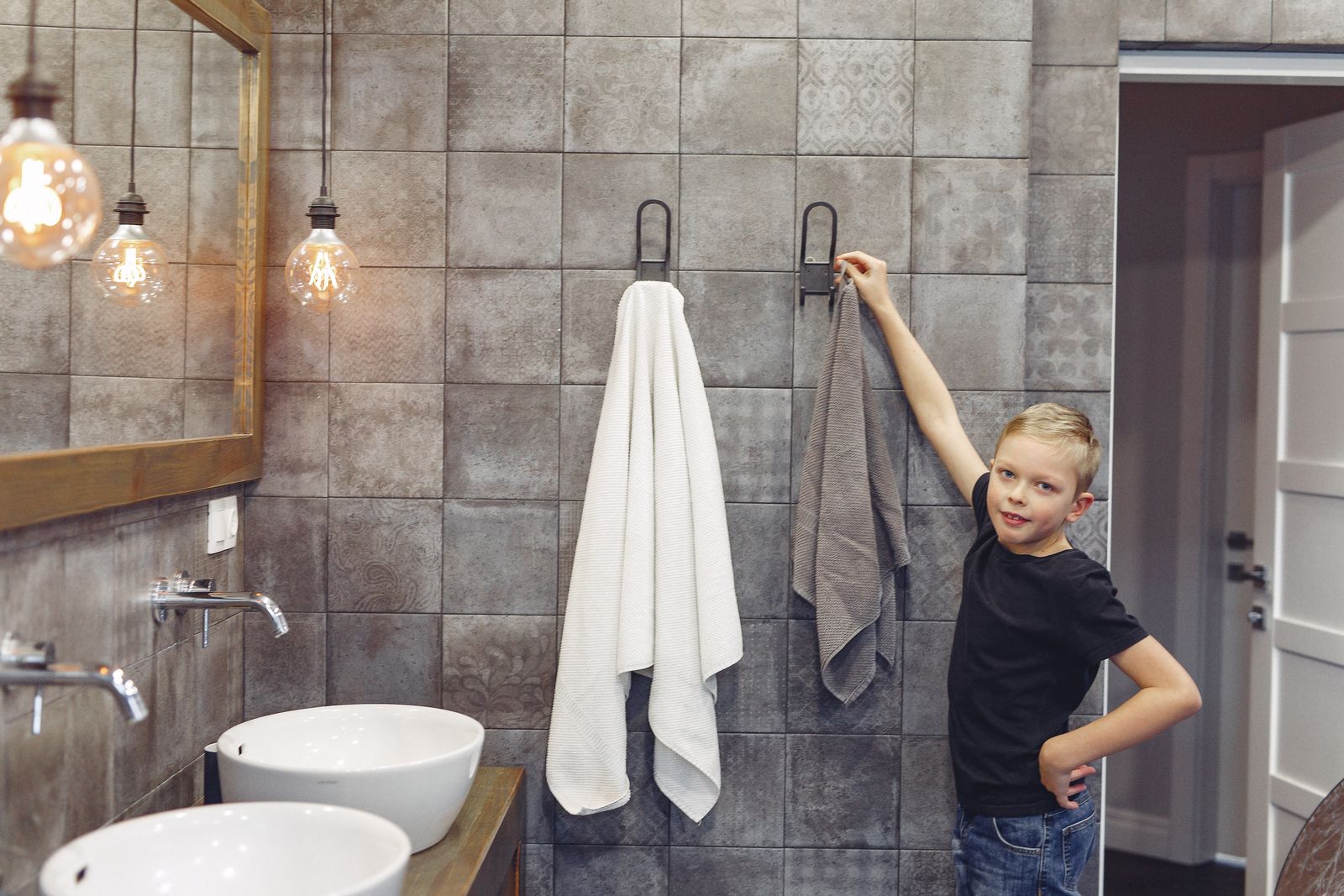
For towels, identify which clean towel belongs in the bathroom and where a used one goes. Our family laundry handoff guide connects carrying and returning with the larger laundry routine. Here, the towel task ends when the appropriate clean item is in its assigned place and the adult knows about any shortage.
A small label or a simple picture can help distinguish the source and destination if it suits the household. Keep labels on appropriate storage surfaces rather than adding them to a product where they hide directions. The adult should still demonstrate the task; a picture is a reminder, not proof that the child understands every step.
Separate noticing, completing, and needing help
Use three plain messages: “needs restocking,” “restocked,” and “need an adult.” Choose a way to share them that everyone already uses, such as speaking to the responsible adult or using one household note. A child who cannot retrieve the item should have an obvious help route rather than leave the task in an ambiguous middle state.
Record completion when more than one person participates. The record can be as simple as an adult checking the ready position after the child reports the task. Avoid a second complicated chart that nobody consults. Our simple family chore system shows how a clear finished condition can make an ordinary task understandable.
Give the adult a distinct follow-up: check the reserve and add a specific need to the existing shopping list when appropriate. “Bathroom supplies” is too broad if the actual need is a particular household product. Retain the product identity and preferences the household requires rather than sending a child to choose an unfamiliar replacement.
Use a convenient check, not repeated interruptions
Attach the restock check to an ordinary suitable point in the week or a moment when the room is available. Choose a frequency that reflects household use. You can respond to a shortage sooner without asking children to monitor every roll constantly. The goal is a routine that supports daily life, not a new source of supervision throughout the day.
Keep the room’s users in mind. In a shared bathroom, check when nobody needs the sink or toilet. A child carrying towels through a busy morning route may be completing a useful task at an inconvenient moment. Our one-bathroom morning plan helps separate supply preparation from the busiest access window.
Explain how to respond to an unexpected problem. A spill, damaged fitting, missing item, or unfamiliar product belongs with the adult. Do not expand a simple restock task into unsupervised cleaning or maintenance because the child is already in the room. Keep the agreed boundary visible as the routine becomes familiar.

Test the whole handoff once
Keep a visit or busy week within the same structure. The adult can temporarily change the ready amount or complete the restock themselves without changing the child’s whole job. Explain what is different and when the ordinary routine returns. A helpful system should survive guests, illness, and schedule changes without becoming another task everyone has to relearn.
When something is missing, review the handoff before assigning blame. Did the child recognize the cue, was the source accessible, and did the adult receive the report? A shortage may reveal an unsuitable storage position or an incomplete buying step. Correcting that part gives the child a clearer responsibility and makes the next attempt more likely to finish.
During a supervised practice, ask the child to show the task from noticing to reporting completion. Let them explain where they would seek help. Notice whether the difficulty is the wording, the storage height, the weight of the item, or uncertainty about the finished position. Adjust that specific part rather than assuming the child needs a more elaborate chart.
Check that the adult’s part is equally clear. If a child reports a shortage but nobody updates the shopping list, the system remains unfinished. Assign the follow-up to an actual responsible person, with an alternative when that person is unavailable. The household should not depend on one child repeatedly announcing the same unresolved need.
Review the tasks as abilities and circumstances change. A child can contribute meaningfully through noticing and reporting before carrying or placing items is appropriate. Keep adult responsibility intact. Explore Family Home and the Bathroom hub for related routines. A good restock handoff ends with suitable supplies ready, restricted items controlled, and a clear adult buying decision.