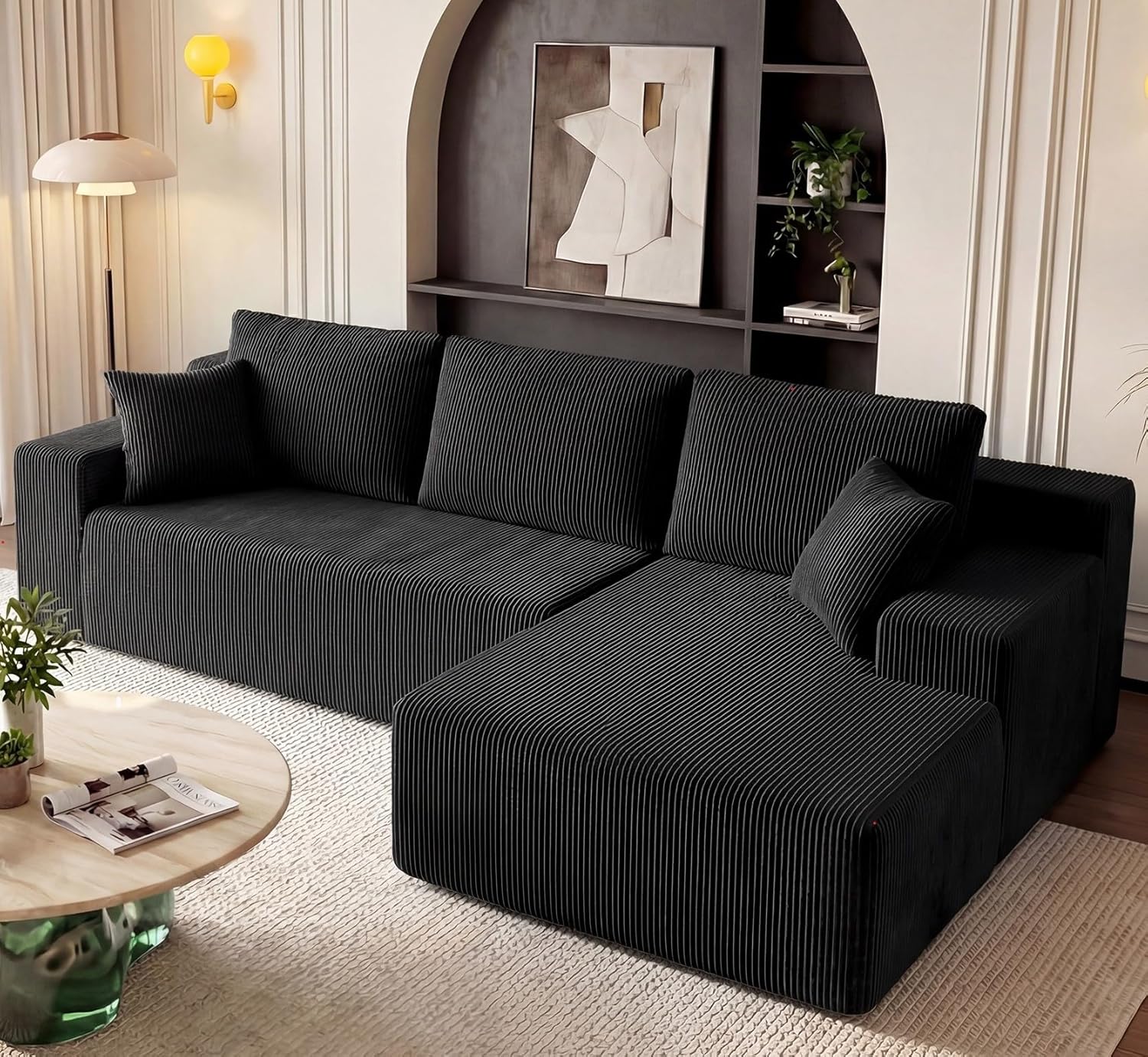
A small home may need to host overnight guests without giving permanent floor area to a guest bed. The solution is not to make the living room look like a bedroom all year. It is to create a sleep setup with a fast conversion path and a real storage plan. If you are working on the same space, How to Turn a Small Living Room Into a Guest Sleeping Area for One Night covers the next decision in more detail.
Choose the sleeping surface by storage volume
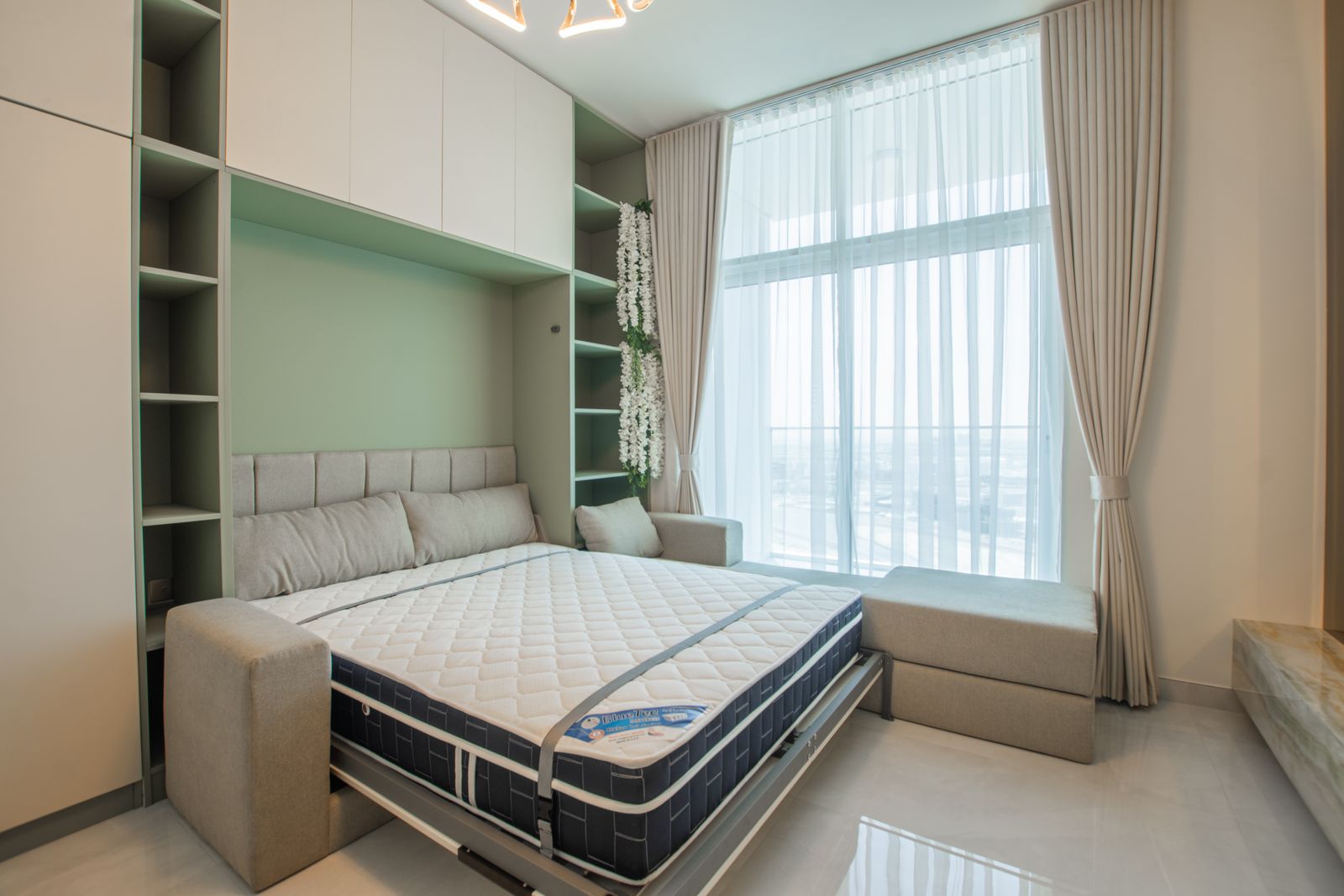
A tri-fold mattress, sleeper chair, compact sofa bed, or air mattress may all work, but each has a different folded volume, setup time, bedding requirement, and floor footprint. Measure where the item lives when nobody is sleeping on it. For the broader setup, How to Create Quiet-Time Zones When the Whole Family Shares a Small Home is a useful next read.
Protect the walking route at night
Lay out the sleep surface and then walk from bedrooms to bathroom and kitchen in the dark. Keep exits, heaters, vents, and door swings clear.
Create one guest bedding capsule
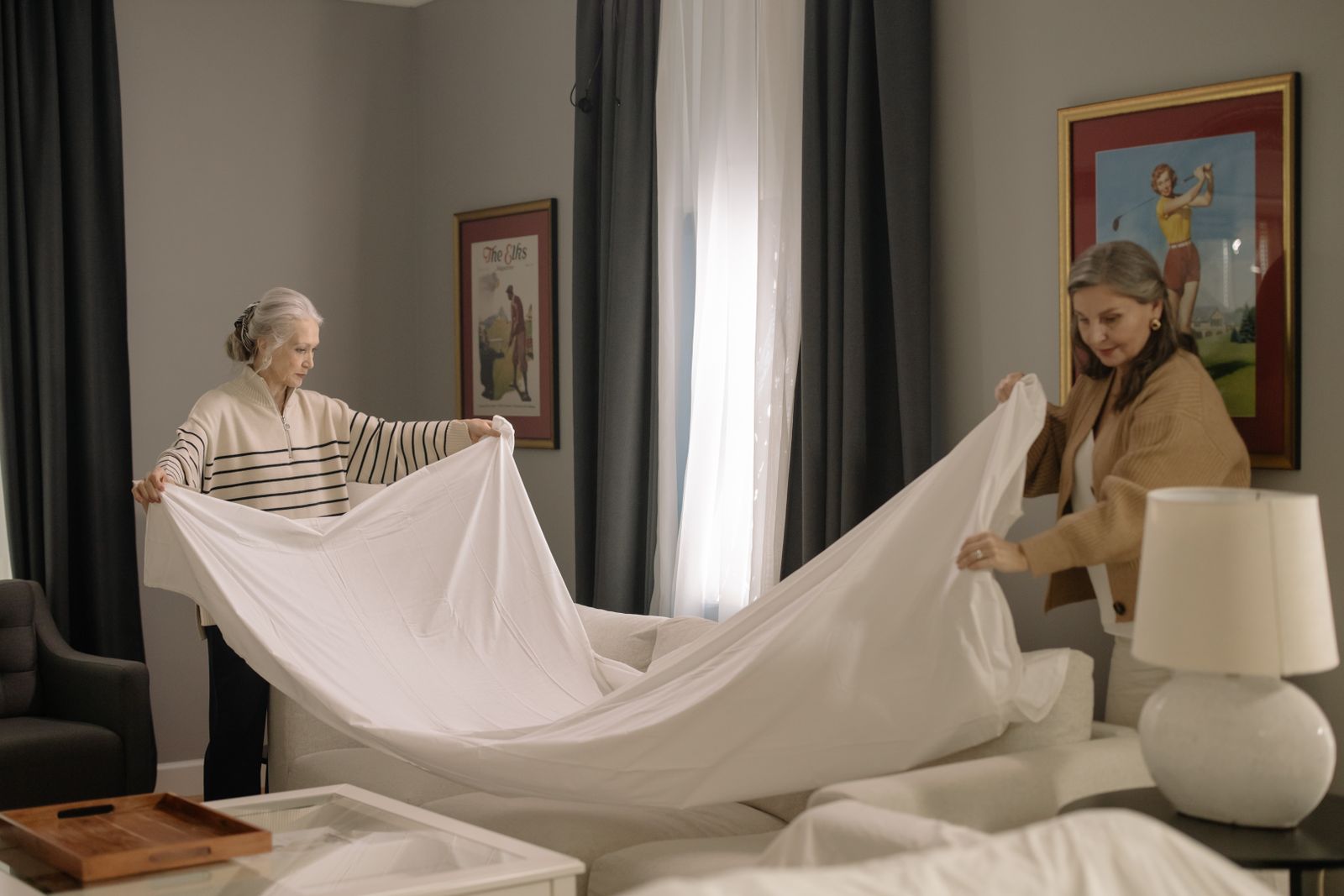
Store the fitted sheet, flat sheet or duvet cover, blanket, pillowcase, and a small towel set together in one labeled bag or bin. The goal is one retrieval, not six separate closet searches.
Give guests a tiny landing zone
A tray, cleared shelf, folding stool, or small basket gives a phone, glasses, water, and charger a place to land without taking over the coffee table. For the broader setup, How to Store a Folding Table and Extra Chairs in a Small Home is a useful next read.
Use temporary privacy instead of permanent partitions
A curtain on an approved track, folding screen, or furniture orientation can add visual privacy. Do not create unstable barriers or block ventilation and exits.
Plan morning conversion before bedtime
Know where bedding goes after use, where the mattress folds, and how the living room returns to daytime mode. A setup that takes twenty minutes to dismantle will feel much larger than one that resets in five. For a related step-by-step approach, see How to Plan Chair Clearance and Walkways in a Small Dining Room.
Store the guest kit near the room if possible
Under-sofa space, a nearby closet shelf, or a bench can work better than a remote storage area. Keep the heaviest item at a safe lifting height and avoid blocking everyday essentials.
Decide how many guests the room can realistically host
Do not size the system around the largest family gathering of the decade. Base it on the most common overnight scenario and use hotel or nearby-family options for rare overflow if needed.
Run a full practice setup once
Set up the sleep zone, make the bed, turn off the lights, walk the route, charge a phone, and reset the room the next morning. The test reveals missing outlets, poor storage, noisy mechanisms, or blocked paths before a guest arrives.
Continue with Small-Space Living
Browse Small-Space Living. Multipurpose Rooms remains Room metadata until its real hub is verified.
My conclusion
A guest sleep zone works when the off-hours storage is as carefully planned as the bed itself. Choose the surface by folded volume, protect the night route, capsule the bedding, and practice the reset.