A short family audio greeting can be made around one table with equipment you already know how to use. The useful decisions come before pressing record: who wants to contribute, what the message is for, who may hear it, and which version will count as finished. Settle those points and the activity can remain a small shared project rather than turning the room into a permanent recording station.
Etsy’s fall and winter 2026 report emphasizes personal connections, while Pinterest’s hobbies report describes people making their own small media projects. A spoken family greeting is our editorial application of those broader signals. Neither report establishes demand for this exact activity, and making an audio file is not a screen-free task.
Choose one message and its intended listener
Decide whether the greeting marks a birthday, a seasonal visit, or an ordinary hello to someone familiar. Keep the purpose specific enough that the contributors know what to say. A message for one grandparent can feel different from a greeting intended for a wider family group. Do not leave the audience undefined until after everyone has recorded personal details.
Agree whether the recording is for private playback at home or may later be shared with the named listener. This article helps you prepare the file; it does not send a message on your behalf. If sharing is part of the family’s plan, make that a separate deliberate action after the final playback and agreement.
Our family photos and keepsakes guide can help place the finished greeting in the broader household collection. A recording does not need a permanent public page to matter. It can remain a private file with a clear occasion and a known home, just as a printed photograph can belong in a family album rather than a public feed.

Let each person choose a contribution
Ask what each participant wants to offer. A greeting can contain one sentence per person, a shared memory, or a short description of something the recipient would recognize. Do not make the youngest or quietest person responsible for the most elaborate part. The point is a recognizable contribution, not equal speaking time or a polished group performance.
Offer a non-speaking role to anyone who prefers it. They might help decide the order, choose the opening words, or listen to the draft. Being present does not create an obligation to record their voice. Children should have appropriate adult support and a real chance to decline participation without being told they are spoiling the project.
Keep the message away from details someone would rather not include. If a name, story, or private event concerns another person, agree on its use before recording. A funny memory can still be unwelcome to the person involved. It is easier to choose another sentence now than to argue about deleting it after everyone else likes the result.
Use a brief prompt rather than a full script
Write the order of contributions and a few key words on one sheet. Reading every sentence can make a small greeting feel like a performance examination, while having no prompt may produce several competing openings. Choose the level of structure that helps the actual group, especially anyone who wants to know when their turn will arrive.
Keep the sheet large and simple enough to consult comfortably. It need not become a decorated keepsake unless someone wants that as a separate activity. If you use a shared dining table, our guide to changing the table between household tasks can help clear the surface for a short recording and return it afterward.

Try saying the greeting aloud once without recording. Notice whether the message is longer or more complicated than expected. Remove a repeated introduction or an explanation the intended listener will not need. A short greeting can feel complete without music, a spoken title sequence, or a separate conclusion from every participant.
Check the familiar equipment first
Use an appropriate recording function or device you already understand and follow its instructions. Confirm what the controls do, where the file will be saved, and whether any automatic upload or sharing setting applies. Do not assume a recording remains only on the device simply because you did not intentionally send it during the session.
Make a short test with the actual setup and play it back before the full message. Listen for whether the intended voices can be understood at a comfortable level. If not, change one simple thing at a time: the position of the device, the distance between speakers, or avoidable background activity. A private family greeting rarely needs a shopping trip for studio equipment.
The photographs showing microphones illustrate recording and preparation; they are not required equipment or evidence of a sound-quality test. If you already use a microphone, follow its directions and keep the setup manageable. Do not add cables, stands, and software solely because they appear beside a professional-looking presenter in an image.
Borrow the room for one quiet interval
Choose a time when the shared room can reasonably support the activity. Let other household members know the short interval you need rather than demanding that the whole home remain silent indefinitely. Our quiet-time zoning guide can help coordinate different needs without giving the recording project permanent priority over meals, work, or rest.
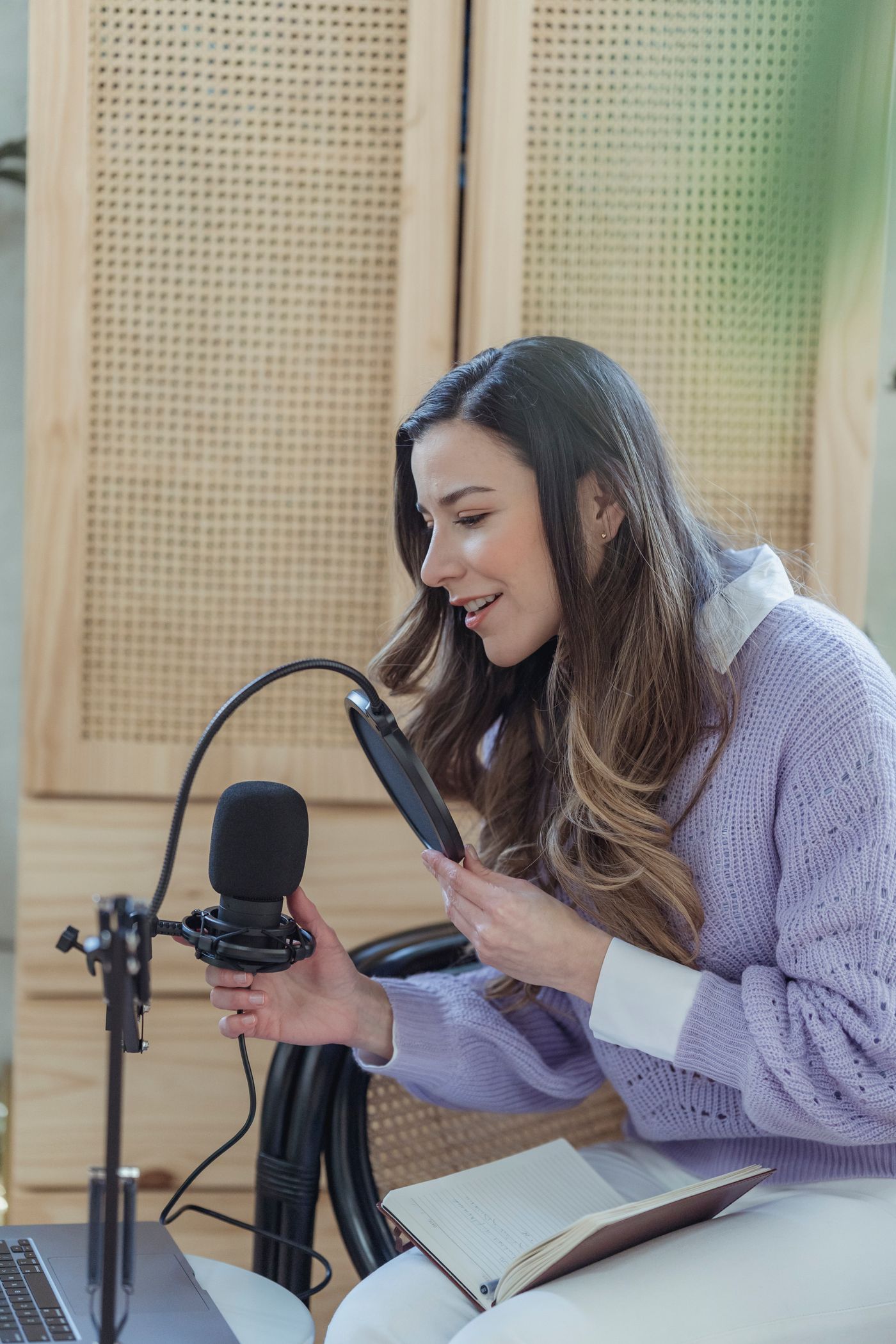
Keep the seating and device position comfortable for the participants. Nobody needs to lean awkwardly over the table or hold a heavy object through a long take. If the group cannot comfortably gather around one setup, record the planned contributions in a simpler arrangement you know how to manage, or choose a shorter message.
Do one complete attempt before beginning detailed corrections. A slight pause or a recognizable laugh may suit the purpose perfectly. Repeat because a contributor wants another try or the words cannot be understood, not because every family voice must sound like a broadcast presenter. Agree on a reasonable stopping point so repeated attempts do not drain the activity of its purpose.
Play back privately before choosing the final file
Listen to the whole draft with the participants who need to approve their contributions. Confirm the opening, names, message, and ending. Check that no unintended conversation or private detail remains in the recording. If someone asks to remove their contribution, respect that choice and make an appropriate replacement or shorter version.
Choose one finished version and give it a descriptive name that helps you recognize the occasion. Use the device’s actual saving and file-management functions rather than inventing a complicated archive. If you keep additional takes temporarily, make it clear which version is approved for the intended use. “Final” should not describe three different files whose differences nobody remembers.
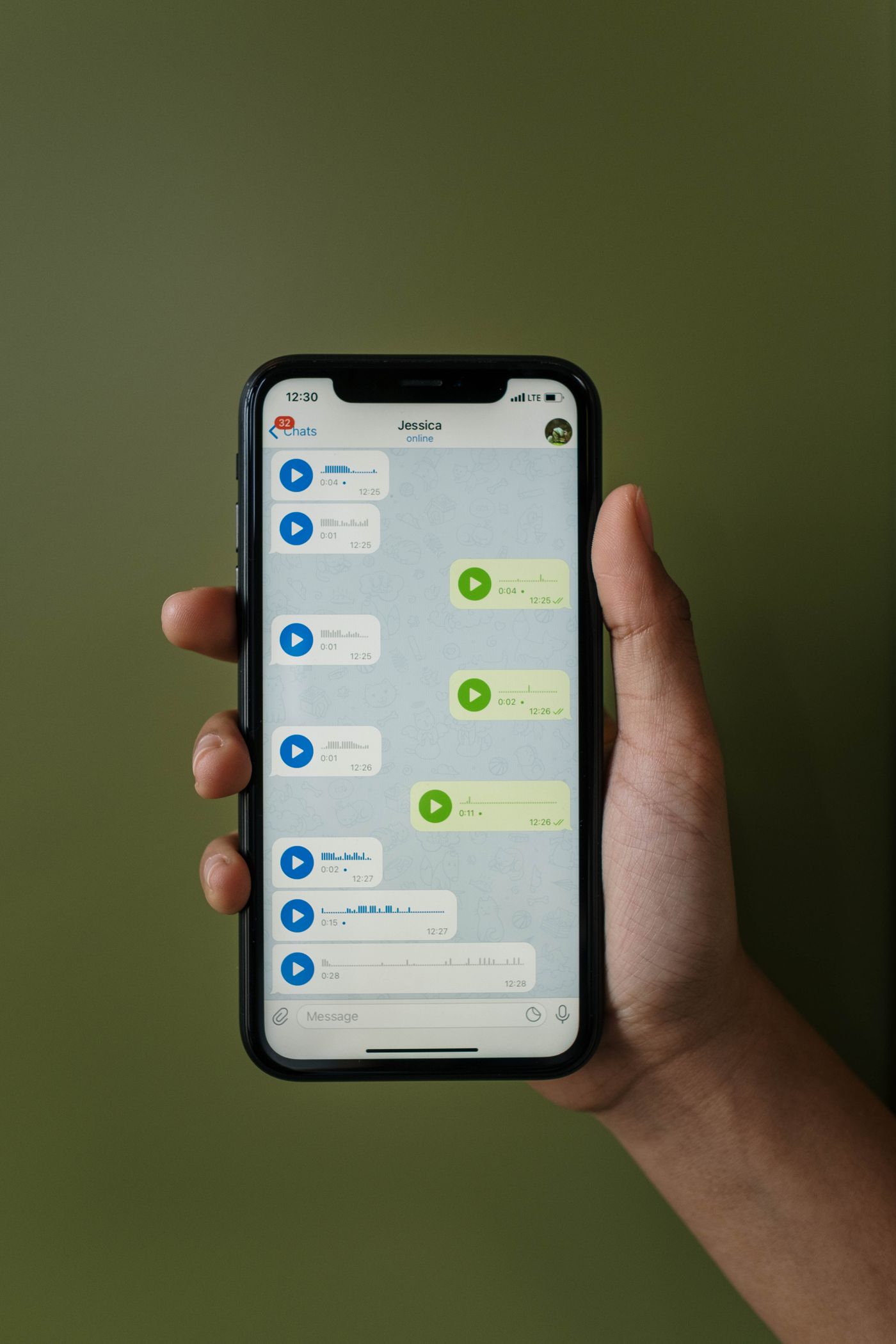
Our family task-handoff guide provides a useful organizing principle: name the next action and the person responsible for it. Here, that might mean an adult saving the agreed file or checking the recipient before a later send. The handoff should be explicit without making every participant responsible for the technical steps.
Share deliberately, then return the room
If the agreed plan includes sharing, confirm the intended recipient and the file before that separate action. Use a method the household understands, and do not widen the audience without asking the contributors. A private greeting to one person should not automatically become a social post because the result sounds cheerful.
Return the equipment, clear the prompt sheet, and restore the shared surface. Keep the final recording with an appropriate household record if you want to find it again. One small completed message can be enough. The success is a greeting whose contributors, listener, and finished version are clear, with the multipurpose room ready for its ordinary life again.
Explore related decisions in our Family Home hub.
Sources and editorial scope
Editorial research checked October 21, 2026. Published trend reports are context for these editorial applications, not verified live keyword rankings. Practical household guidance; photographs do not document a tested household or authenticate pictured materials.