A shared flower vase can give a family a small decorating project with a visible finish. It works best when people know what they are contributing and one suitable vessel defines the size of the activity. Otherwise, the table can fill with cut stems, tools, and several half-started arrangements nobody has agreed to maintain.
Etsy’s October 2026 seasonal report highlights expressive table settings and making things together. This activity combines those ideas on a modest scale. It is a family coordination plan for suitable floral materials, not a promise about flower longevity or a reason to collect plants whose identity and handling needs are unknown.
Choose the destination before choosing the flowers
Decide where the finished vase will go and how much room that location can spare. Consider ordinary movement, visibility across the table, and access to nearby objects. A large arrangement that looks impressive during making may be inconvenient beside the meals or activities the surface normally supports.
Choose one suitable stable vessel and review its material and condition. Keep a decorative container that cannot hold water from being mistaken for a watertight vase. If an appropriate insert is required, establish that arrangement before the activity rather than improvising around a leak after stems have been cut.
Use a location and materials appropriate to the people and animals in the home. Confirm plant identity and relevant handling guidance with a reliable supplier where needed. Do not bring unidentified garden or foraged material into a children’s activity simply because it matches the intended colors.
Keep the first arrangement deliberately small
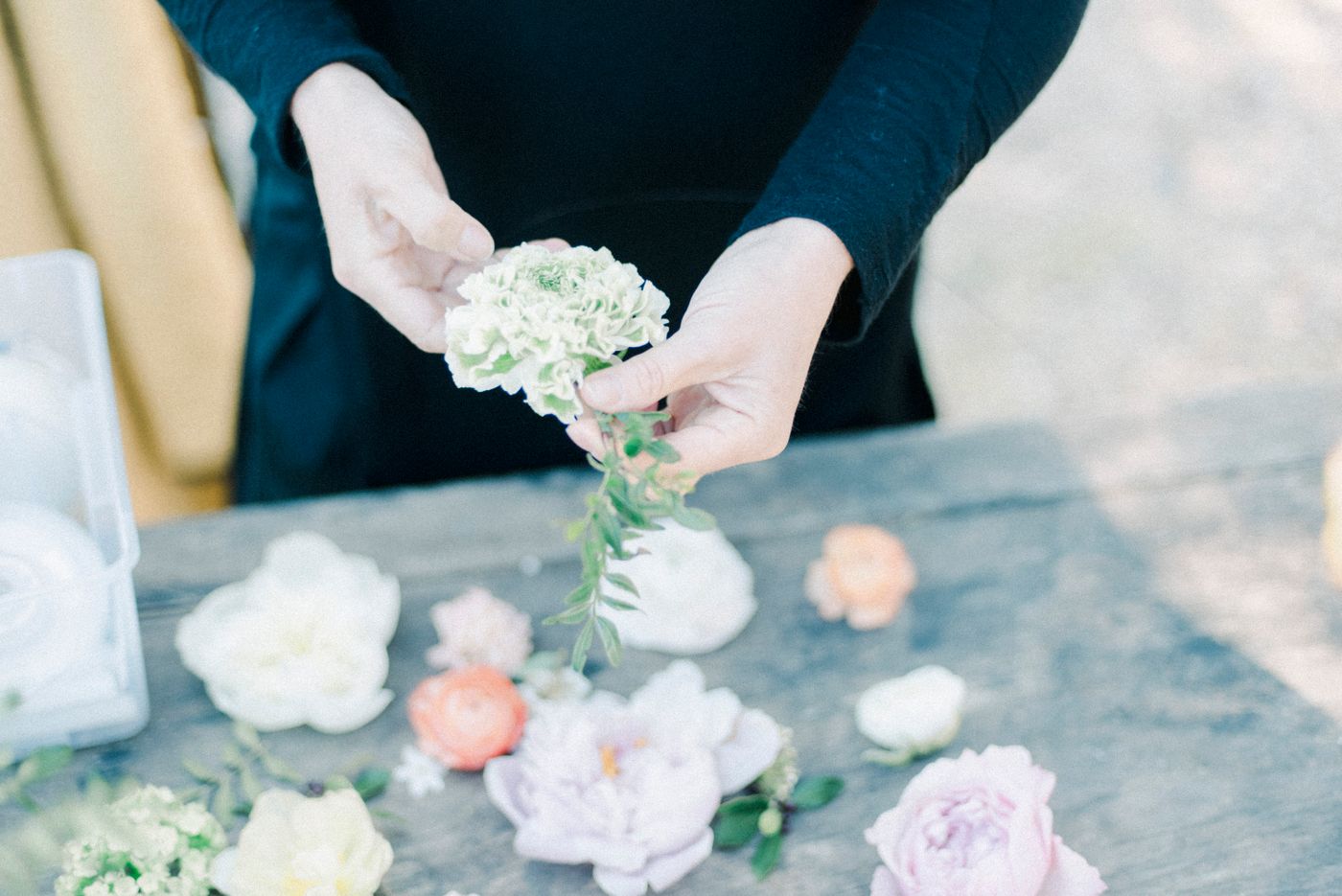
Start with a modest quantity that suits the vessel and the agreed destination. You can use suitable material already available without purchasing a complete florist’s assortment. A smaller selection makes it easier to give each person a meaningful turn and account for what remains at the end.
Choose the project’s visual idea in plain language: one repeated color, a loose mix of appropriate seasonal stems, or a simple arrangement that leaves room to see across the table. Avoid requiring participants to reproduce a professional photograph with different flowers and equipment.
Let the available materials help set the plan. If the family has a small bunch rather than many varieties, compare height, direction, and spacing within that bunch. The activity can be arranging what is there, rather than shopping until every person has a separate themed bouquet.
Prepare the surface and adult tasks first
Protect the shared surface appropriately for the vessel, water, and actual materials. Keep tools, packaging, and stem offcuts in defined positions. Arrange the setup so food, homework, or other household objects do not become accidental parts of the flower project.
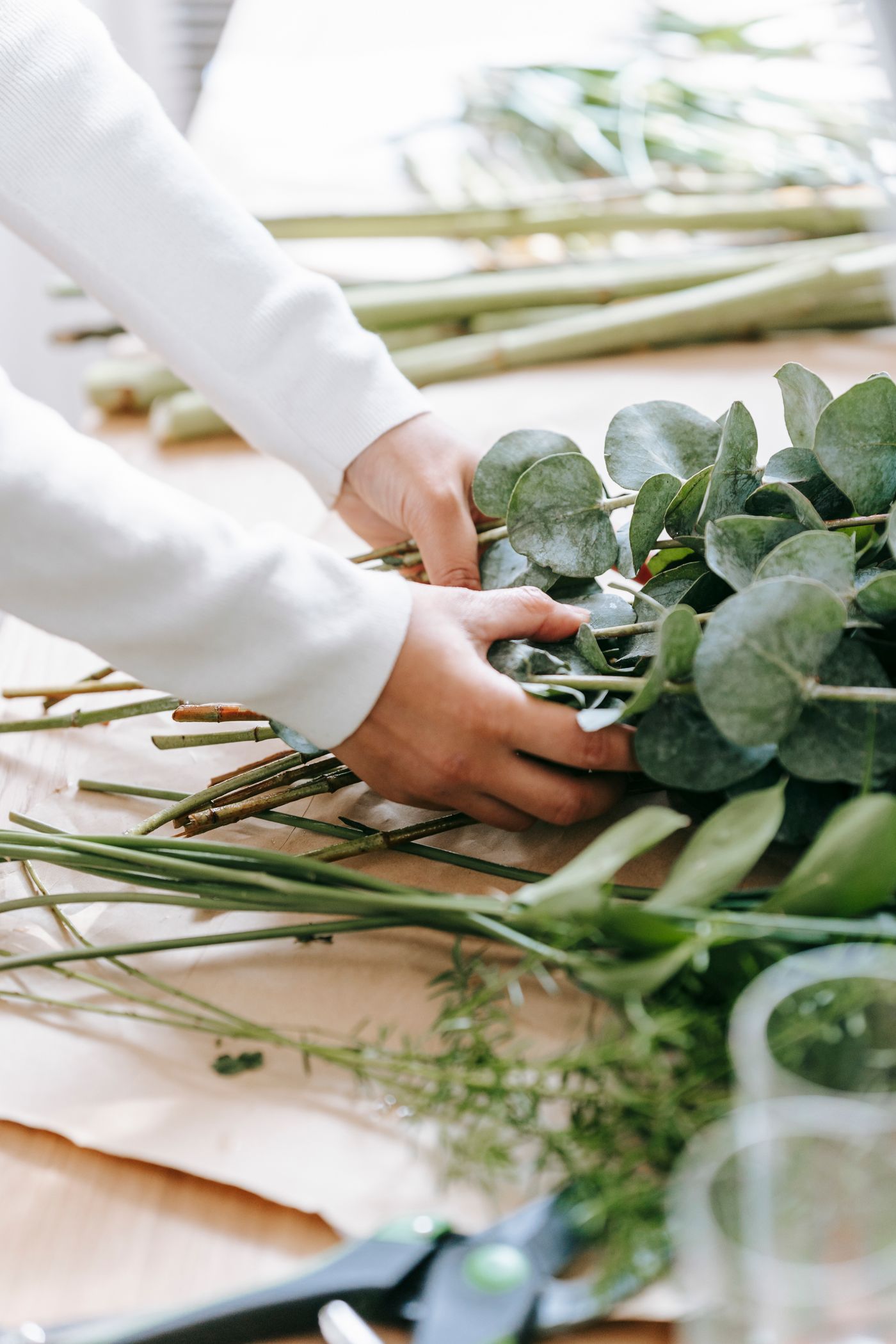
Assign cutting and other tool work to a suitable responsible person using appropriate equipment and handling. Younger participants can choose between prepared suitable stems, observe the arrangement, or suggest a position without managing a sharp tool. Match roles to the actual participants rather than a fixed age-based assumption.
The shared-table routine helps reserve a clear start and finish for the surface. Plan where the arrangement will pause if the session is interrupted and who will clear the materials. Do not rely on everyone remembering a temporary water-filled vessel in the middle of a busy multipurpose room.
Give each participant one clear contribution
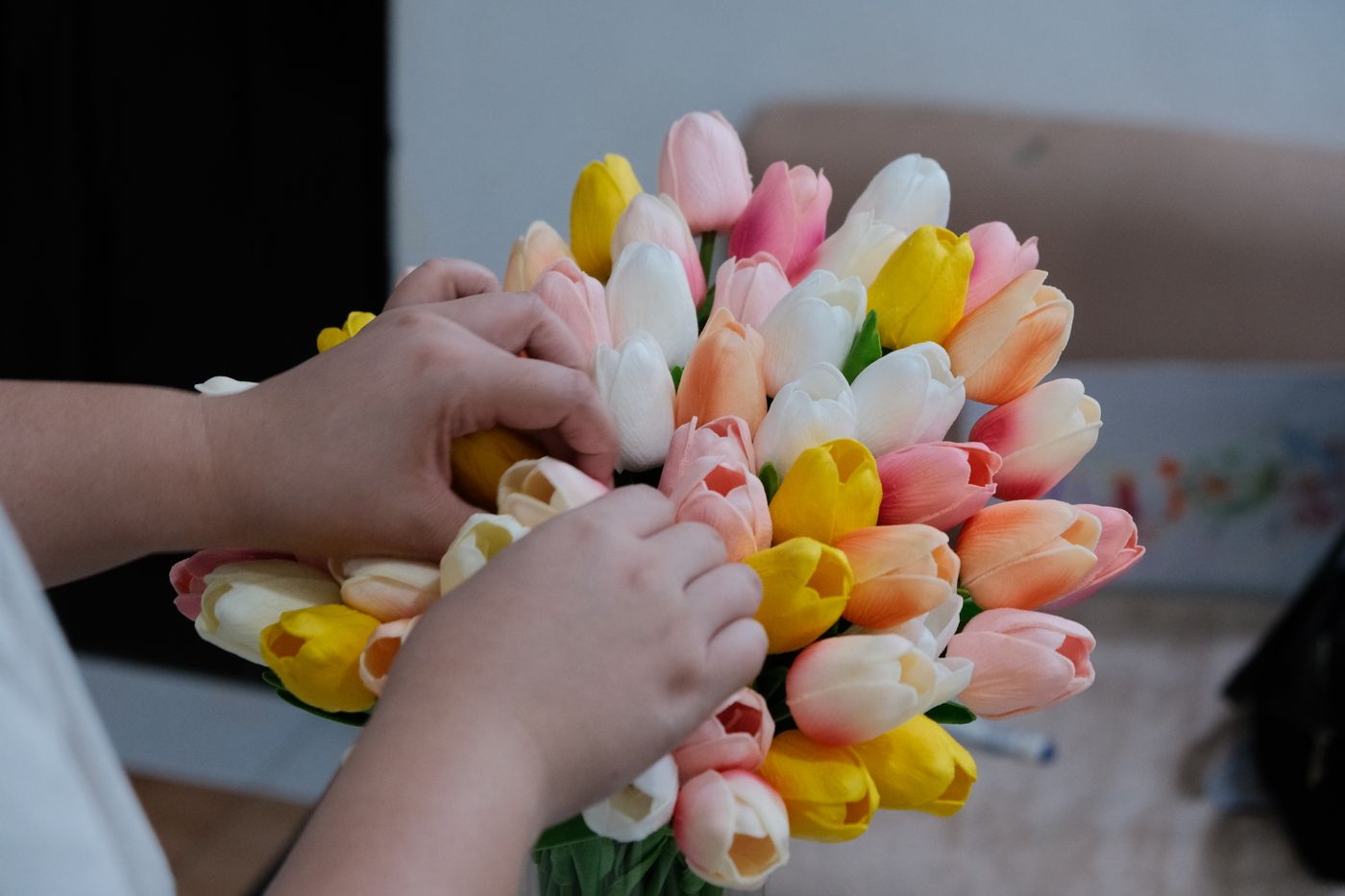
Explain the shared goal and the available choices. One person might select a prepared stem, another suggest its direction, and another step back to describe how the arrangement looks from the ordinary viewing position. A contribution can be a decision or observation rather than an equal number of stems.
Ask before moving someone else’s placement. If a change is needed for the vessel or destination, explain the specific reason and invite another choice. This keeps the activity collaborative without requiring the adult to silently rebuild the whole arrangement after every turn.
The family table-setting handoff provides a useful parallel for defining where one person’s task begins and ends. Here, make the handoff visible: choose, place with appropriate help, observe, then offer the next person a turn. The arrangement does not need to become a contest for the most prominent flower.
Build by looking from the actual destination
Pause after a small number of placements and look from the position where the vase will normally be seen. Consider whether the arrangement is stable in its intended vessel and whether its shape suits the available space. Follow the floral material’s actual care and handling requirements throughout.
Ask concrete visual questions. Is there an area people want to leave open? Does a tall stem block a view that matters at the table? Would one directional change make the arrangement easier to enjoy from another seat? These questions are more useful than a general demand to make it look professionally balanced.
Keep the option to stop before every available stem is used. Unused material can have an appropriate separate destination. Filling the vase to avoid leftovers can make the arrangement harder to place or maintain, and it can remove the clear contribution people were trying to preserve.

Keep care instructions attached to the finished vase
Follow the supplier’s directions for the chosen flowers and any appropriate care products. Do not invent a universal water-change interval, additive mixture, or preservation recipe for every type of stem. If the family does not know what the material needs, resolve that before treating the vase as a finished unattended decoration.
Assign a responsible person to the ongoing care and a simple way to notice when attention is needed. Keep that task realistic for the household rather than giving it automatically to the youngest participant. A shared making activity can still have an adult managing water, lifting, and product instructions afterward.
If a participant wants to help, define the safe appropriate part of the task. Looking at the arrangement and reporting a visible issue is different from handling the vessel or adding a product. Make the distinction clear enough that a helpful person does not guess what the next step should be.
Clear the making area before decorating another surface
Account for tools and dispose of packaging or offcuts through routes suitable to the actual materials and local guidance. Keep plant material away from household members or animals for whom it is unsuitable. Do not leave the cleanup as a loose pile beneath the table because the finished vase already looks attractive.
Return unused suitable materials to a defined destination. If there is enough for another arrangement, decide who genuinely wants to make it and where it will go. The paper-collage session guide concerns a separate craft, but its stopping-point approach helps prevent one completed project from expanding into several unplanned ones.
Move the completed vessel appropriately to its agreed location and check the ordinary use around it. A protected craft table and a working dining surface present different conditions. Adjust the placement while the group can still see why the final destination matters to the project.
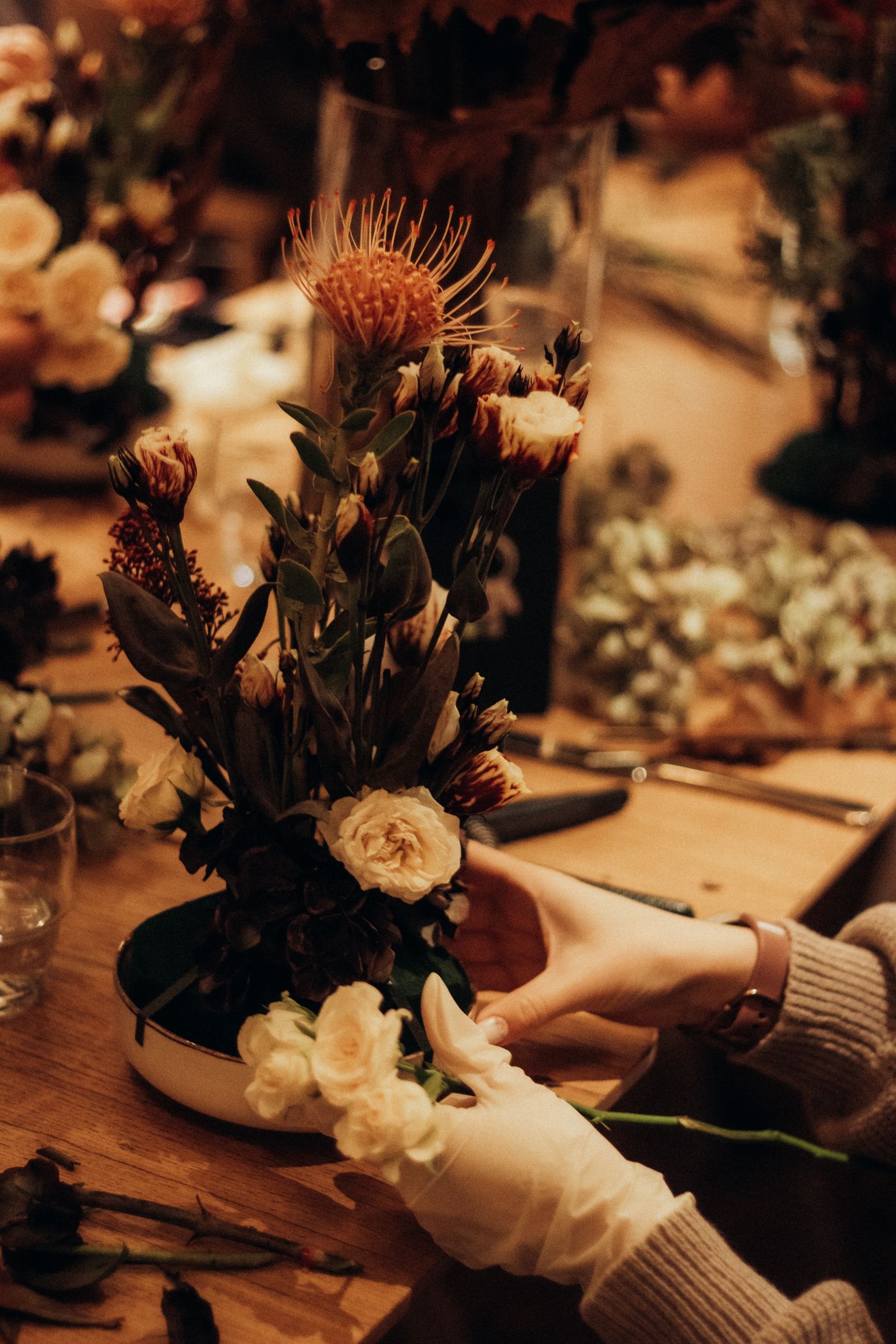
Preserve the memory without keeping every stem
Ask whether the family wants a photograph of the finished arrangement, with appropriate permission and private details excluded. The family-photo and keepsake guide can help choose a small useful record instead of retaining every trial image and unused supply as a permanent archive.
Discuss one choice each person enjoyed, without requiring a polished explanation of the whole design. Someone may remember choosing a color; another may remember making room for another person’s stem. Those real accounts are enough without claiming that the activity produced a particular emotional or developmental outcome.
When the arrangement reaches the end of its appropriate use, complete the agreed cleanup and care for the vessel according to its own instructions. The project can then be finished. One shared vase, a manageable care handoff, and a restored surface make a useful family decorating activity without creating a continuing obligation to maintain several displays.
Explore related decisions in our Family Home hub.
Sources and editorial scope
Editorial research checked October 21, 2026. Published trend reports are context for these editorial applications, not verified live keyword rankings. Practical household guidance; photographs do not document a tested household or authenticate pictured materials.