The Kikkerland ST85 Solar Radiometer is worth considering as a small moving curiosity when you already have a suitable place with sunlight. It is a weaker choice when the room is dim, the object will be handled frequently, or you want predictable movement whenever you look at it. The available records do not establish that performance for an individual home.
This is a research-based assessment of model ST85, linked to Amazon ASIN B071RFB62P. We checked the maker’s product page, the Amazon model record, and the matching supplier photographs on October 17, 2026. We have not handled the radiometer, measured its operating light threshold, tested impact resistance, or timed its rotation. No current price, stock level, or customer-consensus judgment is implied.
Affiliate disclosure: As an Amazon Associate, Small Home Rhythm earns from qualifying purchases.
What the product record establishes
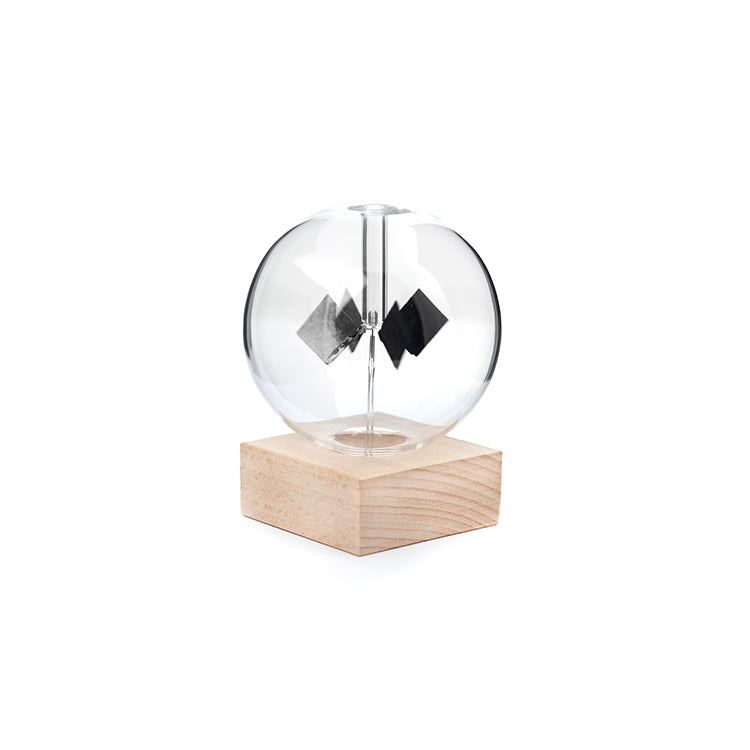
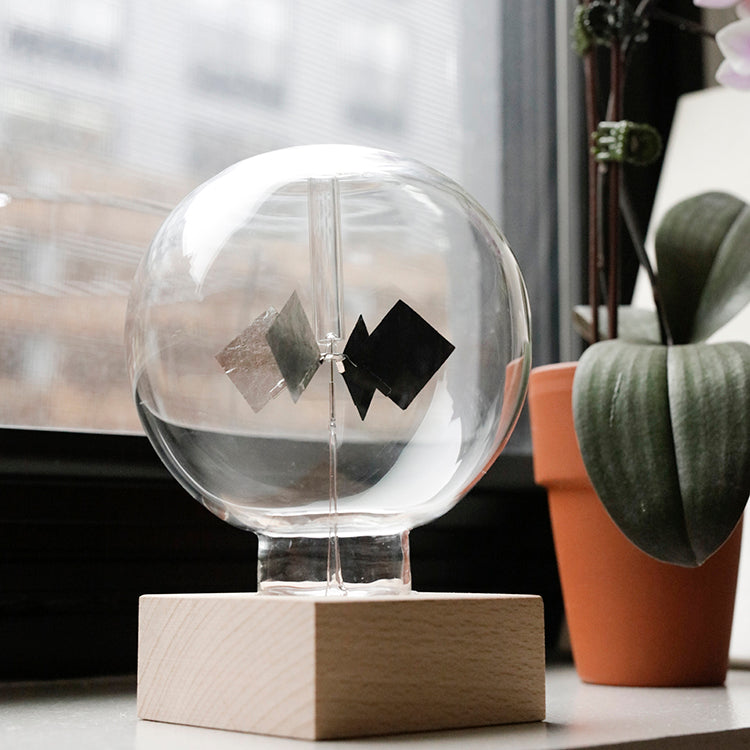
Kikkerland describes an object whose internal vanes spin in sunlight without batteries. Its stated materials are beechwood, glass, and steel, and its listed dimensions are 10.8 by 8.3 centimeters without clearly assigned axes. Amazon’s product information identifies ST85 and the matching ASIN. Those details establish which object this review concerns, but they do not supply a complete performance specification.
Treat the maker’s sunlight description as a placement requirement to investigate, rather than proof that an ordinary room lamp will provide the same experience. The records checked do not establish a minimum useful light level, a guaranteed rotation rate, or a measured response behind a particular type of window.
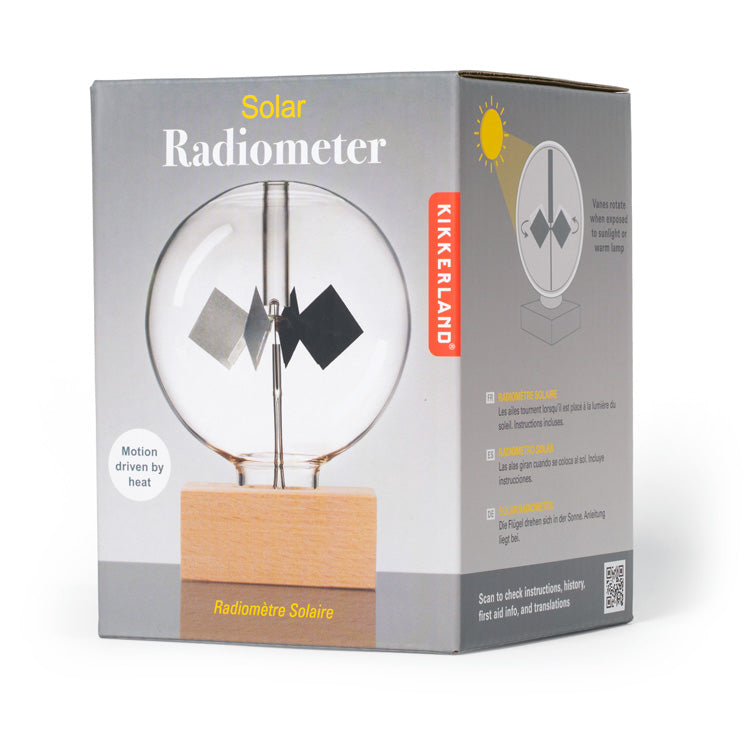
If the model and intended use fit your expectations, check the Kikkerland ST85 model and current Amazon offer. Confirm the product identity, seller, selected offer, and return terms before purchasing. An offer photograph should show the same glass object on its wood base; similarly named science-themed decorations are not interchangeable specifications.
| Selected record detail | Specification or limit |
|---|---|
| Model | Kikkerland ST85 Solar Radiometer |
| ASIN | B071RFB62P |
| Materials listed by maker | Beechwood, glass, steel |
| Maker dimensions | 10.8 x 8.3 cm; axes not specified |
| Operation | Maker says vanes spin in sunlight without batteries |
| Limits | No measured light threshold, rotation speed, or glass impact test |
Why it belongs in a collected room rather than a performance promise
Houzz’s Fall 2026 report describes rooms with collected character and materials that contribute individual personality. A radiometer can fit that direction as a conversation object, but the report does not identify ST85 as a trending product or prove consumer demand for it. The connection is an editorial styling choice.
Consider whether you would like the object while its vanes are stationary. A decoration that pleases you only during visible motion may disappoint in a room whose light varies through the day. If the glass-and-wood form is appealing on its own, the purchase depends less on catching a specific moving effect at a particular moment.
Look at the surrounding collection too. One small curiosity can read clearly beside a few books or a simple plant arrangement. Several unrelated moving objects may make the shelf harder to use and clean. The shelf-lamp review considers another object that combines display with a separate function; keep each proposed purchase tied to a role you actually want.
Observe the intended location before ordering
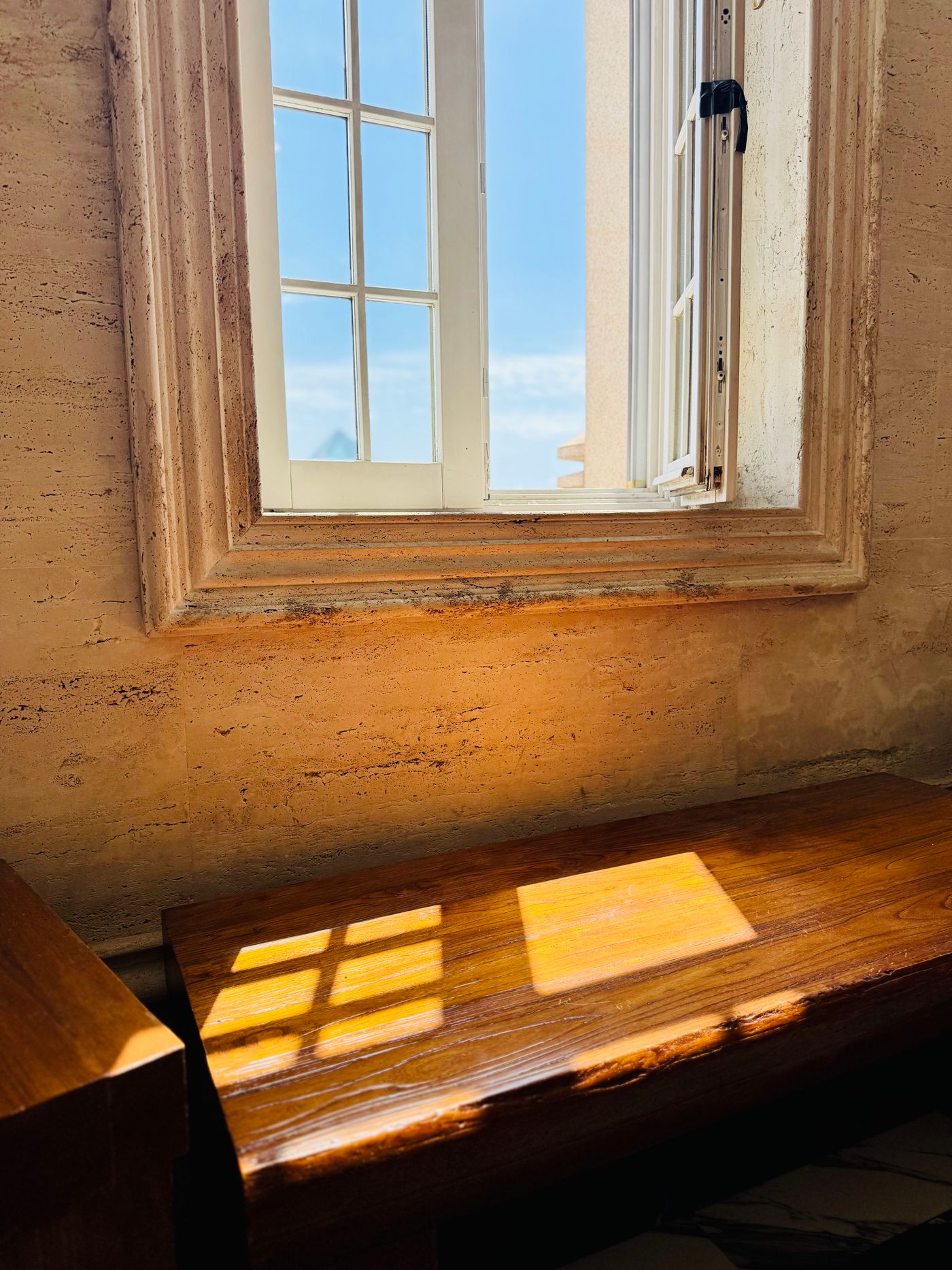
Visit the proposed display spot at the times you normally use the room. Note whether sunlight actually reaches the supporting surface, how that changes over the day, and whether curtains are usually closed. A bright-looking room is not the same as a specific surface receiving sunlight.
Also consider whether using that location would conflict with the room’s other needs. Do not leave a window difficult to operate, move an essential object to a worse place, or compromise a plant’s suitable location merely to create an experimental stage for the radiometer. The useful spot must work as part of the room even before the new object arrives.
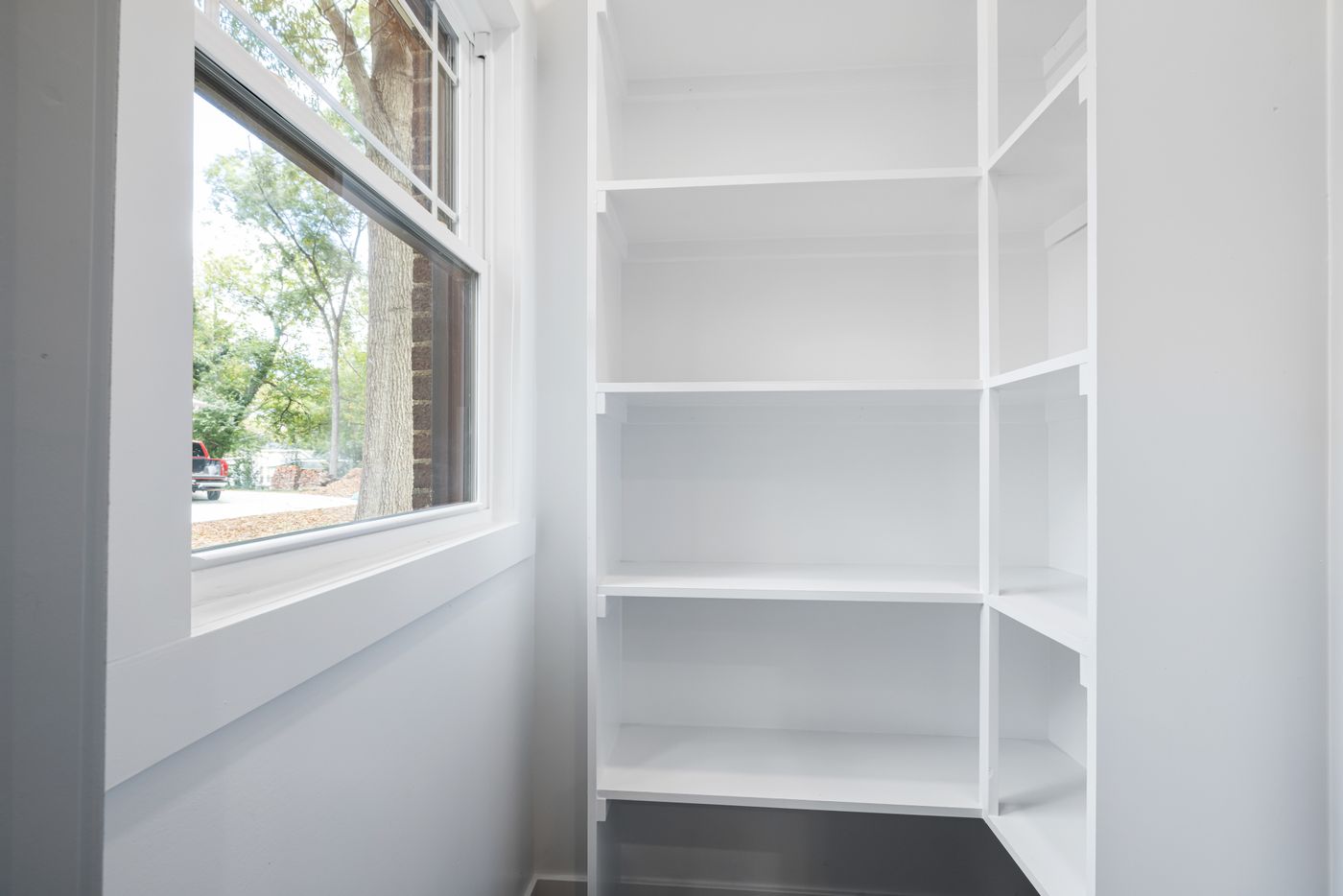
The contextual window photographs in this review illustrate light and surface access, not tests of ST85 in those locations. Do not infer that any pictured shelf has been shown to operate the product. If reliable movement under your exact conditions is essential, ask the maker for the missing operating information before deciding.
Account for the glass shape, access, and movement nearby
A small base does not describe the complete object. Leave suitable room for the glass body and for handling it as directed. Because the dimensional axes are not clearly assigned in the maker’s short record, obtain the required width, depth, and height confirmation if the proposed space is close to the listed measurements.
Place a glass decorative object only on a stable, appropriate surface where it is protected from knocks and falls. Consider curtains moving, people opening a window, pets using the ledge, children reaching, and a person retrieving a nearby book. A spot can look empty while still being part of several ordinary movements.
Avoid a location that requires squeezing the radiometer against another hard object or stretching over it every day. Choosing whether a living room needs a coffee table illustrates the value of questioning objects that make routine access awkward. Here, a different display surface or no purchase may be the more practical decision.
Separate decorative curiosity from measurement or a toy
The product is discussed here as a decorative curiosity. This review does not validate it as a measuring instrument, an educational curriculum tool, or an item for unsupervised child handling. A visible response to sunlight does not establish calibrated measurement or suitability for a specific experiment.
If you want an educational activity, first identify the learning goal and the equipment and supervision it requires. Do not buy a glass display object on the assumption that it can be passed around like a robust hands-on toy. For a classroom or child-focused purchase, obtain the applicable manufacturer information and age or use guidance.
Likewise, do not use the object to judge whether a room provides enough light for a plant, enough illumination for work, or any health-related exposure. Those are different questions with different assessment methods. Its value in a living room is the object and the observation it invites, rather than a measurement claim this research cannot support.
Include care in the ownership decision
The short maker record checked does not provide a detailed cleaning procedure. Before applying water, spray cleaner, polish, or solvent, obtain instructions appropriate to the assembled glass-and-wood object. Care information for a glass vase or a wooden shelf does not automatically transfer to this construction.
Think about how you will access the display surface for routine room care without knocking the object. A tightly crowded shelf may require handling more often than you want. Do not dismantle the product or attempt to adjust internal parts based on a general internet explanation of radiometers.
If it arrives damaged, follow the seller’s applicable process and the manufacturer’s guidance rather than attempting a repair to the glass assembly. No durability test is reported here. A decorative object with a delicate component should fit your household’s ordinary handling habits, not require a permanent exception that nobody else knows about.
Compare alternatives by the experience you want
If the appeal is a small sculptural object, a stationary sculpture or a personal keepsake avoids dependence on motion. It still needs suitable placement and care, but you can evaluate whether you like it without an operating-condition question. An object you already own may fill that role at no additional cost.
If the appeal is living change, a suitable plant offers a different experience with its own light, care, and household compatibility requirements. It is not a lower-effort substitute by default. Keeping plant-care supplies manageable is relevant if the comparison leads you toward plants rather than another display object.
If the appeal is an adjustable visual atmosphere, an appropriate lighting product belongs to a separate decision with electrical and installation requirements. The Tapo P125M review discusses one supporting smart-home device, but neither it nor an ordinary decorative lamp guarantees the radiometer’s operation. Keep these options separate rather than buying multiple products to rescue one uncertain setup.
Who should buy, and who should pass
Consider ST85 if you want the pictured form, understand the stated sunlight requirement, and already have a stable protected place where it can be viewed. Be comfortable with the lack of a measured operating threshold in the records checked and with the possibility that movement will vary with conditions.
Pass if you require dependable motion in a dim room, need verified performance behind particular glazing, or want an object children can handle freely. Also pass if the only available ledge is crowded, exposed to knocks, or necessary for opening the window. A purchase is less compelling when accommodating it creates another household problem.
Review the exact ST85 listing and current purchase terms on Amazon after those questions are answered. The strongest case for this product is a deliberate decorative choice with suitable light and realistic expectations. The research supports that limited consideration; it does not establish how quickly or consistently an individual unit will move in your home.
Explore related household decisions in our Buying Guides hub.
Sources and editorial scope
Editorial research checked October 17, 2026. Trend-report dates and limitations are stated in the article; these are editorial applications of published signals, not verified October keyword rankings. Research-based product assessment; no hands-on testing, current price, stock, or customer-consensus claim.