Chuck’s Woodbarn’s Peanut boot jack is a possible entryway purchase for someone who regularly removes compatible boots and wants the tool itself to look considered. Its oak-and-leather appearance gives it a decorative role, but heel fit, floor placement, and verified care matter more than the product’s display appeal.
This research-based review concerns ASIN B08N5GN91M, described by the linked supplier as a Beefcake boot jack in Peanut. We checked the available records on October 15, 2026. We have not used the tool, tested a pair of boots in it, measured the finished unit, or assessed its grip on a household floor.
Affiliate disclosure: As an Amazon Associate, Small Home Rhythm earns from qualifying purchases.
Etsy’s October 2026 Mark of the Maker direction provides the craft-oriented context. Choosing a visibly worked household tool is our editorial interpretation, not evidence that this boot jack is currently trending. A simple existing removal routine remains a valid alternative if it already works comfortably.
Resolve the product name before ordering
The supplier’s title names Beefcake, but several descriptive passages refer to Roundabout. The manufacturer lists Beefcake and Roundabout as separate collections. That mismatch deserves an answer from the seller before you treat the wording as a reliable description of one exact item.
Use the ASIN, Peanut variation, current photographs, and manufacturer’s current collection information together. Ask the seller which collection is supplied and whether the dimensions, finish, and construction information refer to that exact offer. Do not assume every phrase in a copied product description belongs to the same variation.
This matters if you are choosing the tool as a visible accent. A different leather color or silhouette may change its appearance, while a different opening could affect the boots you intend to use. If the seller cannot clarify the identity, choose an unambiguous offer rather than relying on the title alone.
| Selected record detail | Specification or limit |
|---|---|
| Listing identity | Beefcake, Peanut variation |
| ASIN | B08N5GN91M |
| Maker description | Steam-bent oak, bison leather, decorative nails |
| Naming conflict | Supplier also refers to the separate Roundabout collection |
| Package only | 14.5 x 6.8 x 4.8 inches; not the finished footprint |
| Unverified | Actual footprint, heel fit, floor grip, and outdoor suitability |
What the sources support about the materials
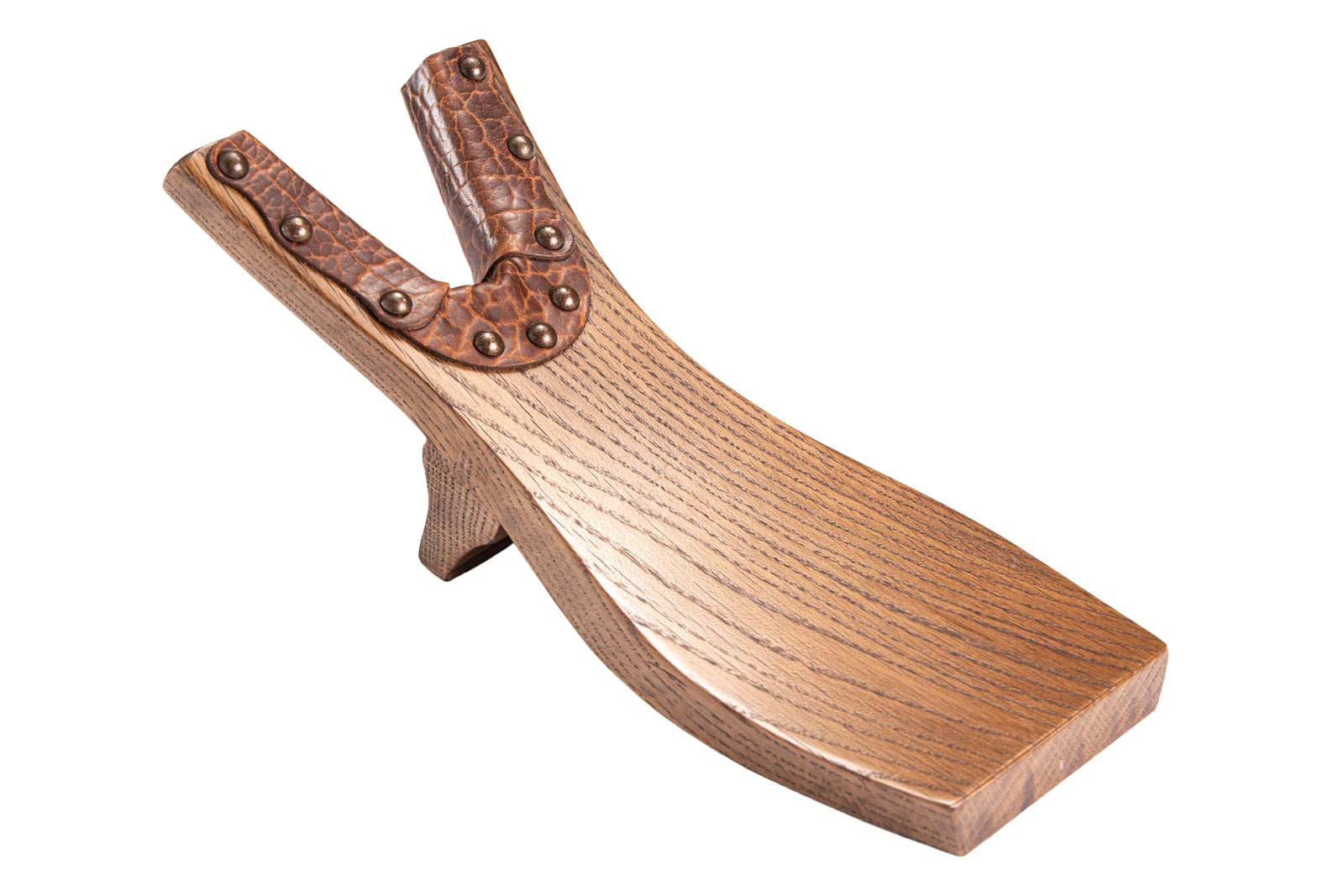
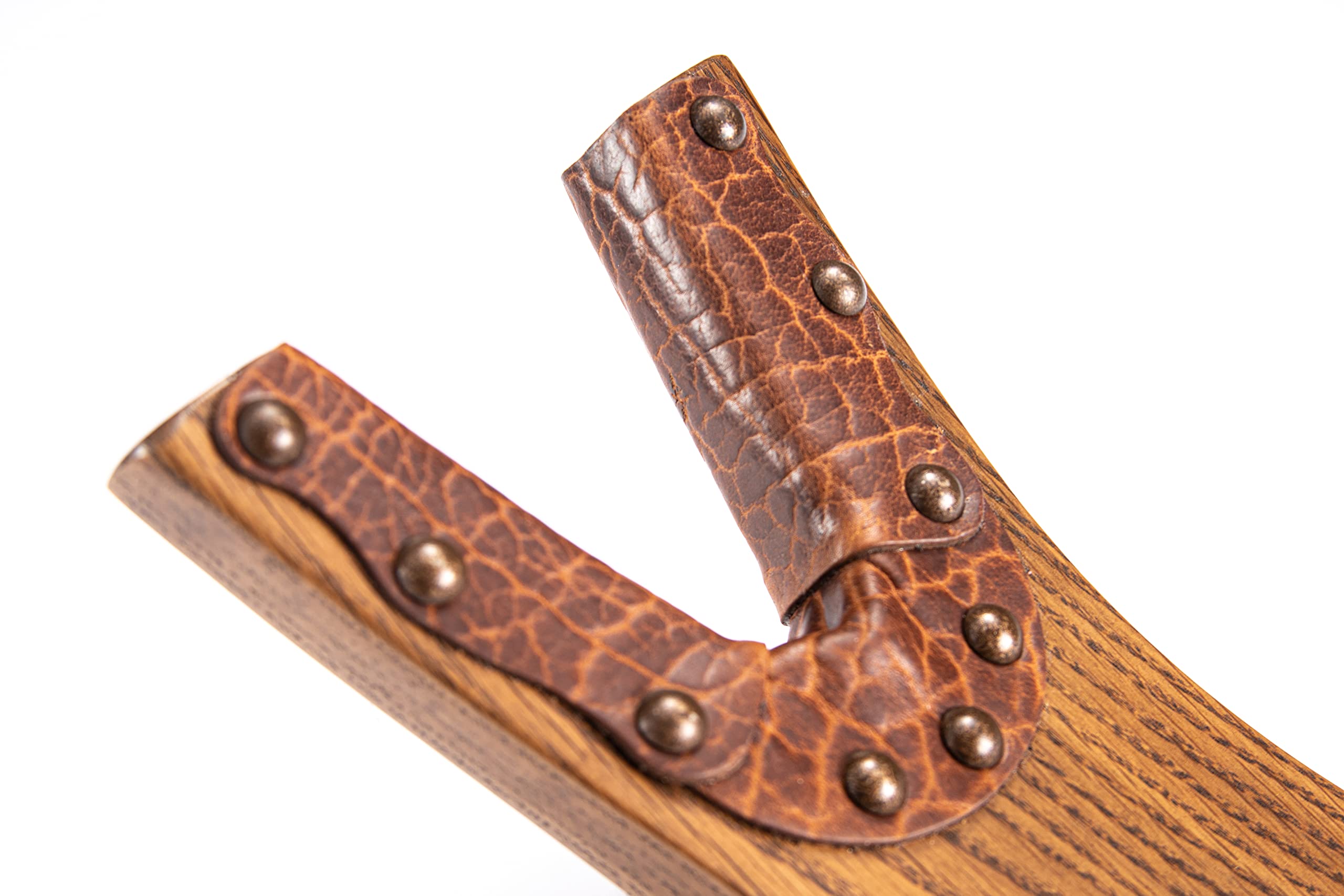
The supplier describes laminated steam-bent oak with genuine leather at the yoke, and identifies the Peanut item with bison leather in its title and details. The maker describes its wooden boot-jack range as handcrafted in the United States, with leather-covered designs. These are source claims; we have not independently authenticated the timber, leather, or manufacturing process of an individual unit.
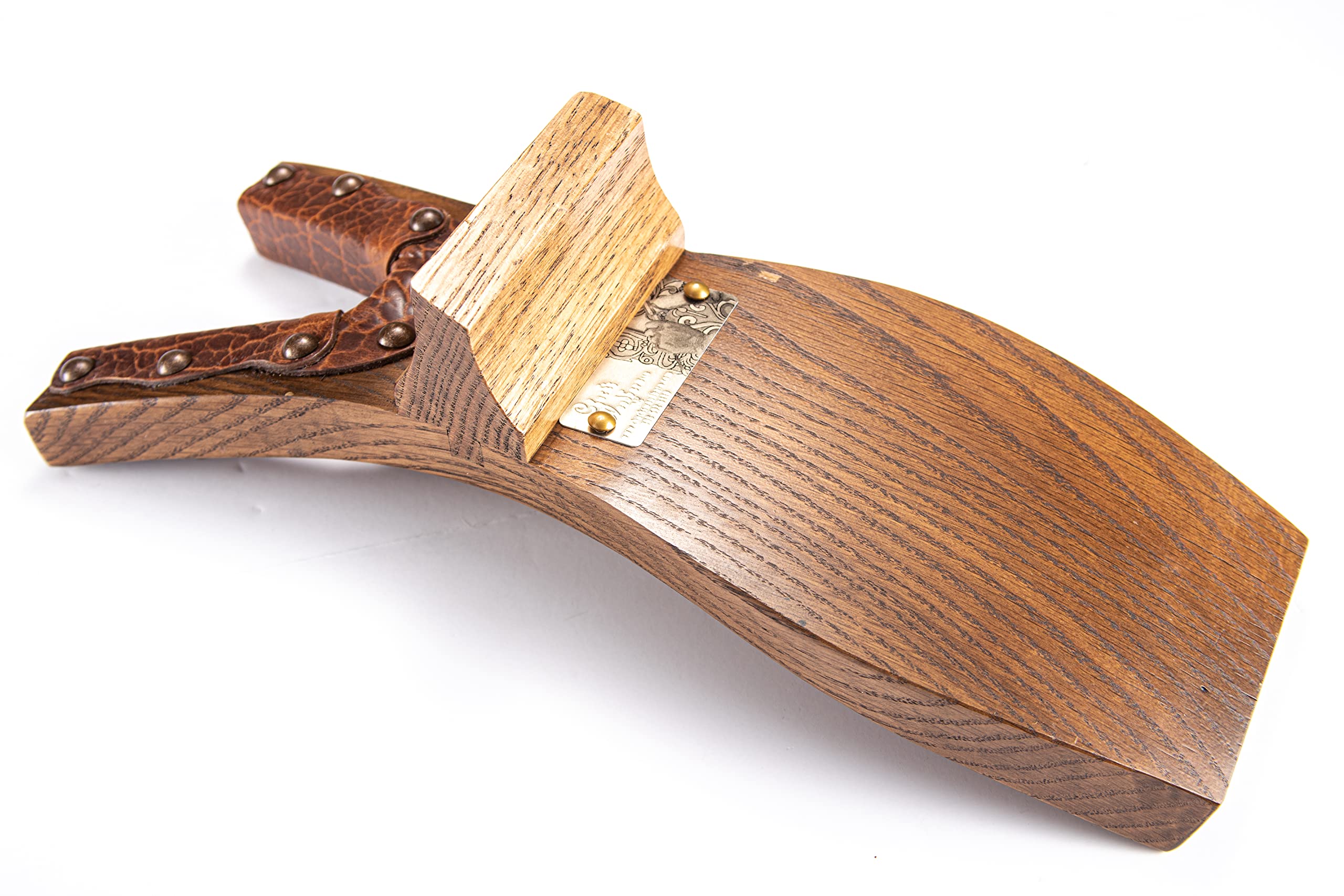
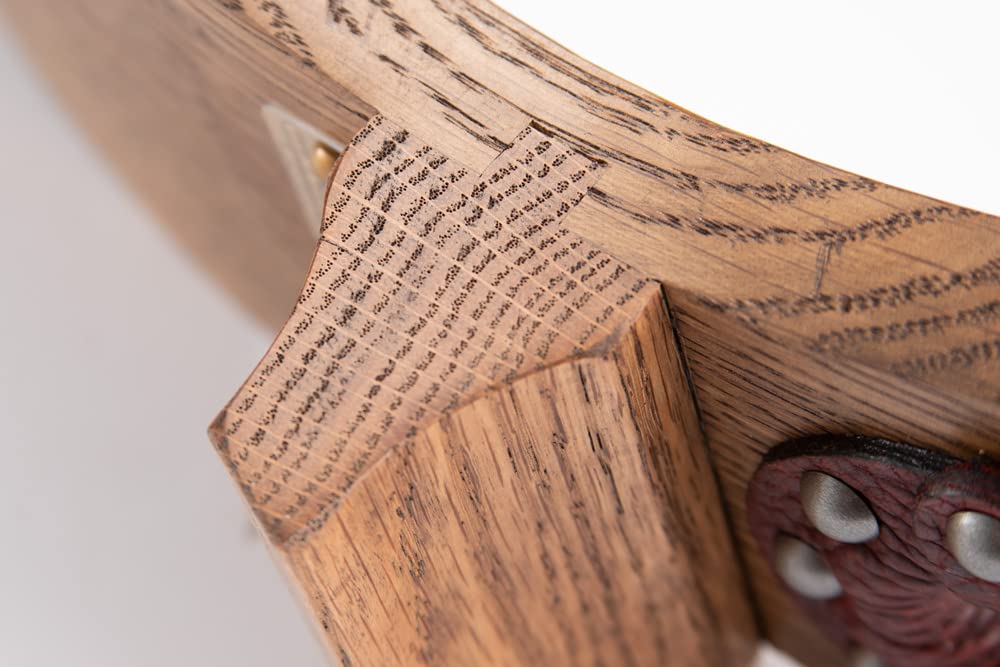
The selected product photographs show wood grain, a curved profile, a forked opening with leather-like covering, and decorative metal fasteners. A close view gives a useful impression of the visual finish. It cannot establish how securely every fastener is set, how the surface will wear, or whether a particular boot finish will remain unmarked.
Keep those limits in mind when comparing a premium-looking tool with a plain one. The meaningful decorative difference is visible in the images, but durability and protection claims require more than a good photograph. Avoid turning the maker’s craftsmanship language into a promise of a particular service life.
Do not use package dimensions as the floor footprint
The supplier record gives package dimensions of 14.5 by 6.8 by 4.8 inches. Those figures describe packaging, not a verified finished-unit footprint. It also uses approximate weight language without a measured test available to us. Confirm the current item’s actual length, width, height, and weight before deciding it fits your entry.
A usable position needs room for the tool and the person using it. Include the movement of both feet and the removed boot, as well as the space needed to retrieve the tool from storage. A boot jack that fits neatly against the skirting board may not have enough surrounding room for its intended use.
Check the doorway in its open position. Do not leave the tool where the door will strike it or where a person walking through may catch a foot. If the only available space is a narrow passage, a routine that allows the tool to be put away appropriately may be more suitable than permanent display on the floor.
Separate the removal task from where dirty footwear waits afterward. Our Stalwart boot-tray review addresses a container for footwear residue; a boot jack performs a different job. Keeping both does not mean placing the jack inside a tray unless each product’s instructions and the resulting stability permit that arrangement.
Confirm heel compatibility rather than assuming universality
The maker makes broad compatibility claims for its range. We did not test them. Ask about the heel shape, sole material, boot size, and any finish-sensitive footwear you actually own. A wide-looking opening is not a substitute for an answer about your particular pair.
Follow the current product instructions for positioning the tool and removing a boot. Do not force a boot into an opening that does not suit it. If fit is uncertain, check the seller’s return conditions before purchase, including what assessment is permitted without affecting a return.
A boot jack is also different from a shoehorn. The former is intended to assist removal, while the latter generally assists putting footwear on. A household that struggles with both tasks may need two different decisions, not one decorative purchase expected to solve everything.
Place function before the styled entryway photograph
Use only on a surface and in a manner approved for the exact product. We have no measured slip-resistance result for tile, wood, carpet, or mats. Do not infer that the unit will remain still because the timber looks substantial. Ask the maker about floor suitability and any required precautions.
Do not present it as a balance aid or mobility device. If standing removal is unsuitable for a user, choose an appropriate alternative with guidance relevant to that person. A maker’s convenience wording does not establish safety for every user or circumstance.
Choose whether it will stay visible
If the tool has a suitable permanent position, its wood grain and Peanut-colored leather can provide a warm detail in an otherwise practical entryway. Keep the surrounding area edited so it reads as one useful object rather than another item among loose shoes and bags.
If it will be stored between uses, make access simple enough for the routine. A tool hidden behind several pairs of boots is unlikely to be used consistently. Choose a suitable stable storage position that protects the finish and keeps the passage clear, following the maker’s directions rather than improvising a hanging method through the yoke.
You can coordinate its appearance with existing wood furniture without buying a matching bench or shelf. The entryway’s practical capacity matters more than an exact material match. A small visible tool should not trigger a much larger furniture project unless the household has a separate need for it.
Ask for the wood-and-leather care instructions
Find out how the exact finish should be cleaned and whether water, mud, or winter residue requires special handling. Do not soak the tool or apply general leather conditioner, furniture oil, or a household disinfectant without maker approval. A combination object can have different care requirements at the wood, leather, adhesive, and metal parts.
Do not assume outdoor suitability from information about the manufacturer’s fiberglass range. That is a different construction. An attractive wooden boot jack shown near a doorway does not establish approval for rain, prolonged damp, or an unheated porch. Confirm the intended environment for the exact wooden model.
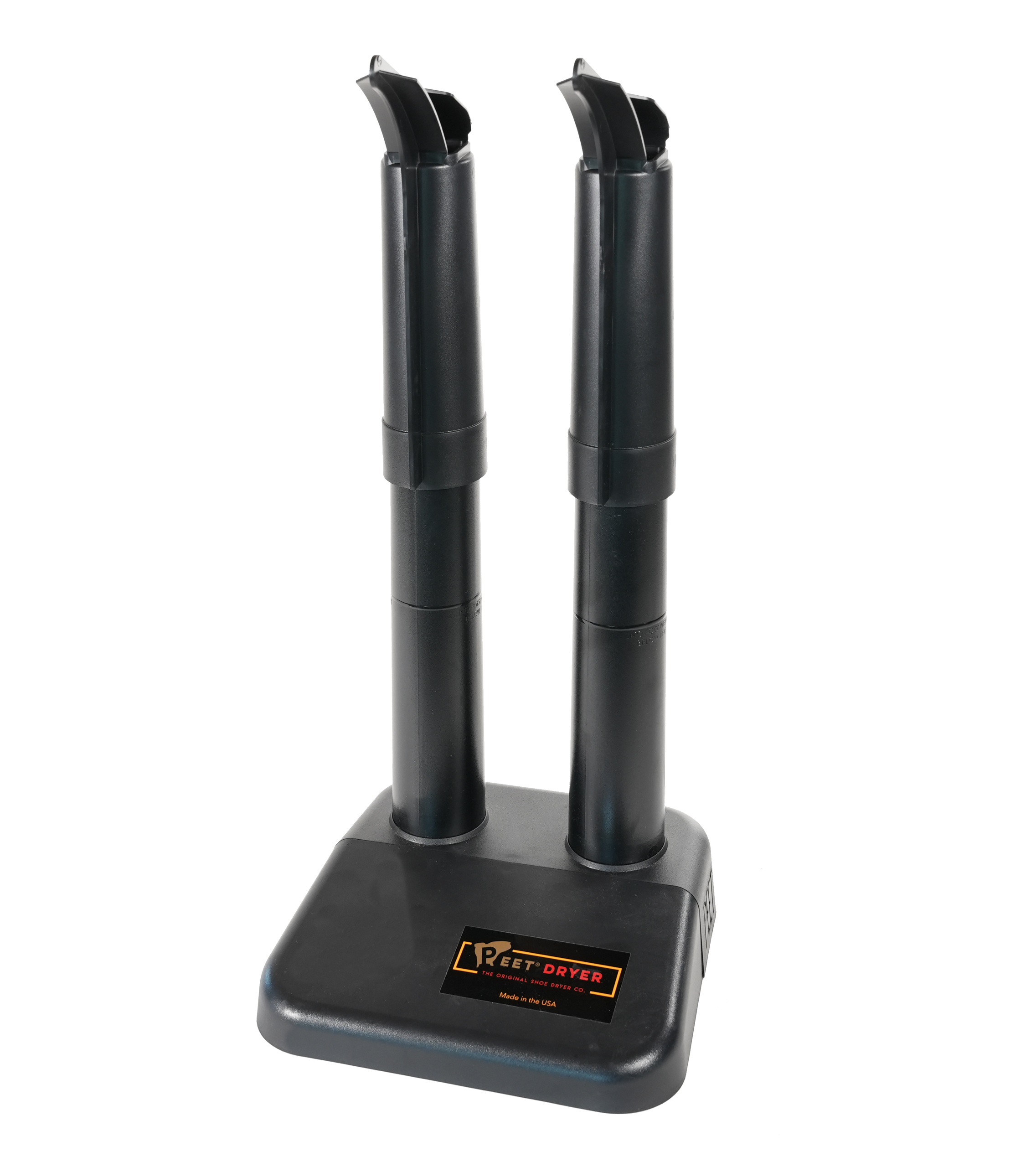
For drying footwear, our PEET Original and DryGuy Force Dry DX comparison examines a separate task and different equipment. Removing a boot, containing the mess, and drying the footwear are three decisions. Buying one object should not hide an unresolved need in either of the other two.
Compare three realistic alternatives
A plain boot jack may be the direct alternative if removal function is the main goal. Compare documented heel fit, construction, floor requirements, and current price rather than assuming a decorative premium guarantees better removal. A simple tool that suits your footwear can be the more useful purchase.
An appropriate seated removal routine may be preferable if standing use is uncomfortable or unsuitable. Assess that separately for the user involved. This review does not recommend a medical or mobility solution, and the product has not been evaluated here for that purpose.
Keeping your current method is the third alternative. If you remove your boots easily and have no wish to display the tool, there may be little reason to add it. The maker-focused aesthetic can be appealing, but an unused decorative tool still occupies entryway space.
For a wider room choice, our Whitmor over-door shoe-rack review shows how advertised storage capacity can outgrow the actual location. The same discipline applies here: confirm how the object will be used and where it will rest before letting an attractive listing set the size of the project.
Who should buy and who should skip
Consider this item if the seller resolves the Beefcake-versus-Roundabout wording, confirms compatibility and dimensions, and you value a wood-and-leather tool that will be used regularly. The decorative case is strongest when it replaces a less appealing version of something you already need, rather than creating a new routine solely to justify the object.
Skip it if you require verified universal boot compatibility, documented slip testing for your floor, or approval for wet outdoor storage. Also skip if a safe suitable use position cannot fit your entryway. Those are practical limits that an attractive close-up cannot solve.
You can check the exact Peanut boot-jack offer on Amazon after gathering the missing information. Verify the current seller, collection name, variation, care instructions, and return policy. We do not quote a live price, promise stock, or summarize customer ratings that we have not checked.
The verdict: useful craft appeal with important checks
The appeal is clear: an ordinary removal tool can also be a visible wood-and-leather accent. The current supplier wording is less clear, and the package dimensions cannot tell you its working fit. Those gaps keep this a conditional recommendation rather than a blanket endorsement.
The Entryway room guide offers context for the surrounding space. If your placement and footwear questions have satisfactory answers, compare the current Chuck’s Woodbarn Peanut listing on Amazon with a plain suitable boot jack. Choose the version whose everyday role is as convincing as its appearance.
Explore related household decisions in our Buying Guides hub.
Sources and editorial scope
- Source: chuckswoodbarn.com
- Source: woodartsupply.com
- Product record and current offer reference
- Source: www.etsy.com
Editorial research checked October 15, 2026. Trend-report dates and limitations are stated in the article; these are editorial applications of published signals, not verified October keyword rankings. Research-based product assessment; no hands-on testing, current price, stock, or customer-consensus claim.