Disclosure: As an Amazon Associate, Small Home Rhythm may earn from qualifying purchases. Price, stock, variant and seller may change.
KitchenAid 3.5-Cup Food Chopper Review: Is It Worth a Small Kitchen Cabinet? This research-based review looks at the exact 3.5 Cup Food Chopper KFC3516ER, Empire Red listing through the everyday constraints of a kitchen: clearance, access, upkeep and the alternative you already own. We have not physically tested this item. A product photograph identifies the listed product, while room photographs illustrate context rather than hands-on use. For the broader setup, OXO Collapsible Colander Review: Does It Earn Cabinet Space in a Small Kitchen? is a useful next read.
A three-and-a-half-cup bowl is a boundary
The 3.5-cup work bowl is designed for small portions, not a full week of batch cooking. Put your usual onion, herb bunch or sauce ingredients in a measuring bowl before deciding. The blade needs enough food to catch, but overloading makes a small chopper frustrating. Two passes may erase the time saved over a knife. A family that cooks one dinner at a time may value the small bowl more than a meal-prep household that processes several pounds of vegetables. If you are working on the same space, Dash Mini Waffle Maker Review: A Small Breakfast Tool With a Batch-Size Catch covers the next decision in more detail.
Counter footprint includes the dirty parts
Measure the chopper where you would actually use it, beside an outlet and a cutting board. Then find a dry cabinet spot for its assembled height and cord. A compact motor base can still turn into permanent counter clutter if the storage shelf is inconvenient. Count the work bowl, lid and blade in your cleanup routine, too. The purchase only earns space when it replaces enough repeated knife work to justify washing and drying those separate parts.
Pulse before you puree
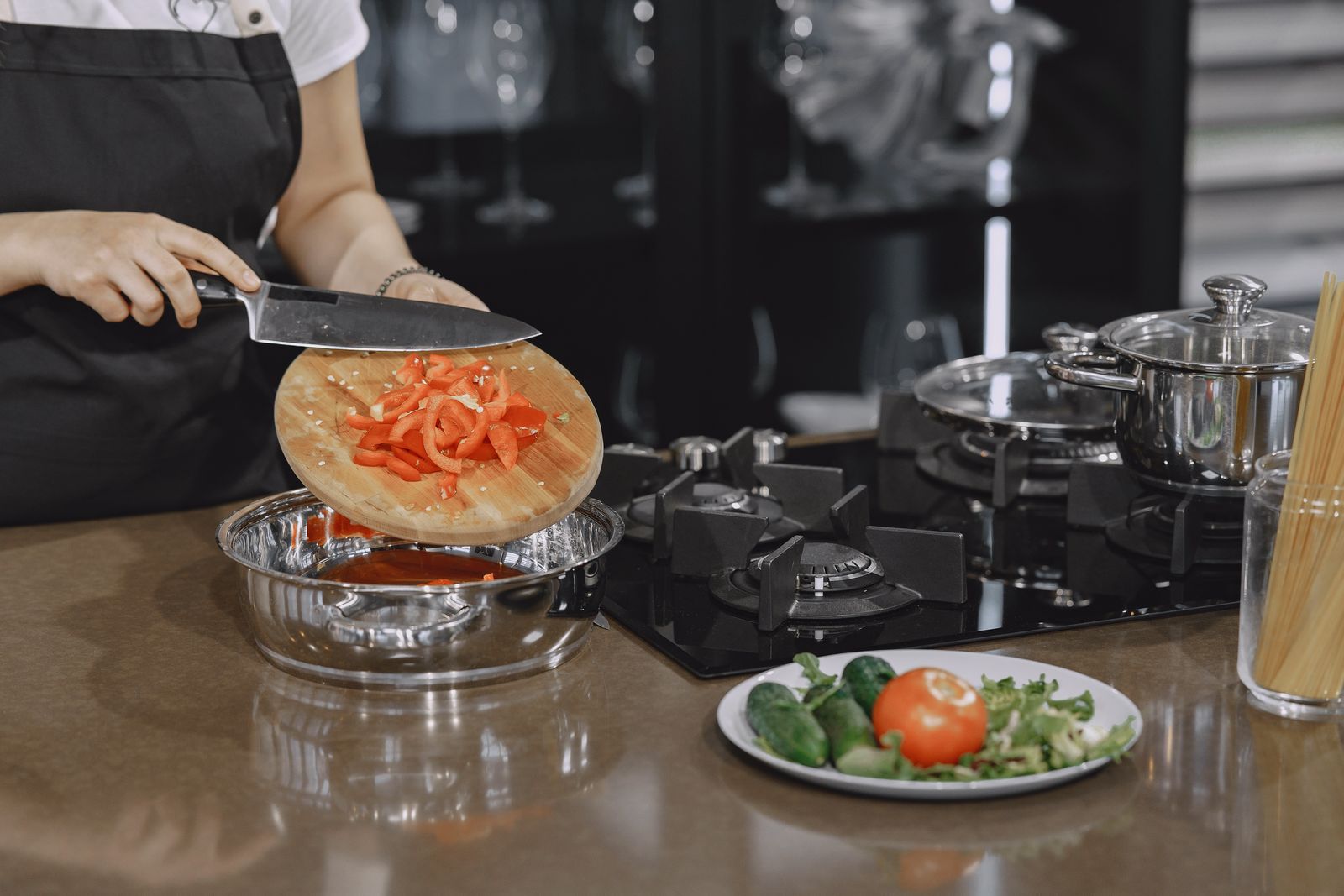
The listing describes two speeds and pulse control. That gives you some control over texture, but it does not make cubes as uniform as careful knife cuts. Think through the foods you prepare: a rough onion base for soup, herbs for dressing, or a smoother dip all ask for different stopping points. Start with short pulses when texture matters. If the recipe depends on neat identical pieces, this blade-based tool is the wrong comparison; a knife or dedicated slicer is a better benchmark.
Pour spout and drizzle basin
The bowl handle, pour spout and drizzle basin are useful in a small kitchen when a dressing moves straight from prep to serving. They do not eliminate the need to scrape the walls or wash the lid. Try to picture the exact path from counter to bowl without setting a wet lid on your only clear workspace. If you mostly prepare chunky ingredients, the pouring features may add less value than they do for sauces or emulsions.
The locking blade is still a blade
The listed locking blade makes pouring more controlled, but sharp edges still need careful handling. Unplug the unit before removing parts and follow the maker’s cleaning directions. Keep the blade in a predictable place that children cannot reach; loose blades in a drawer are an avoidable nuisance. A small appliance that is unpleasant to clean often stops being used, regardless of its speed. The dishwasher-safe claim on the listing should be checked against the current manual for each removable part.
Run a knife comparison
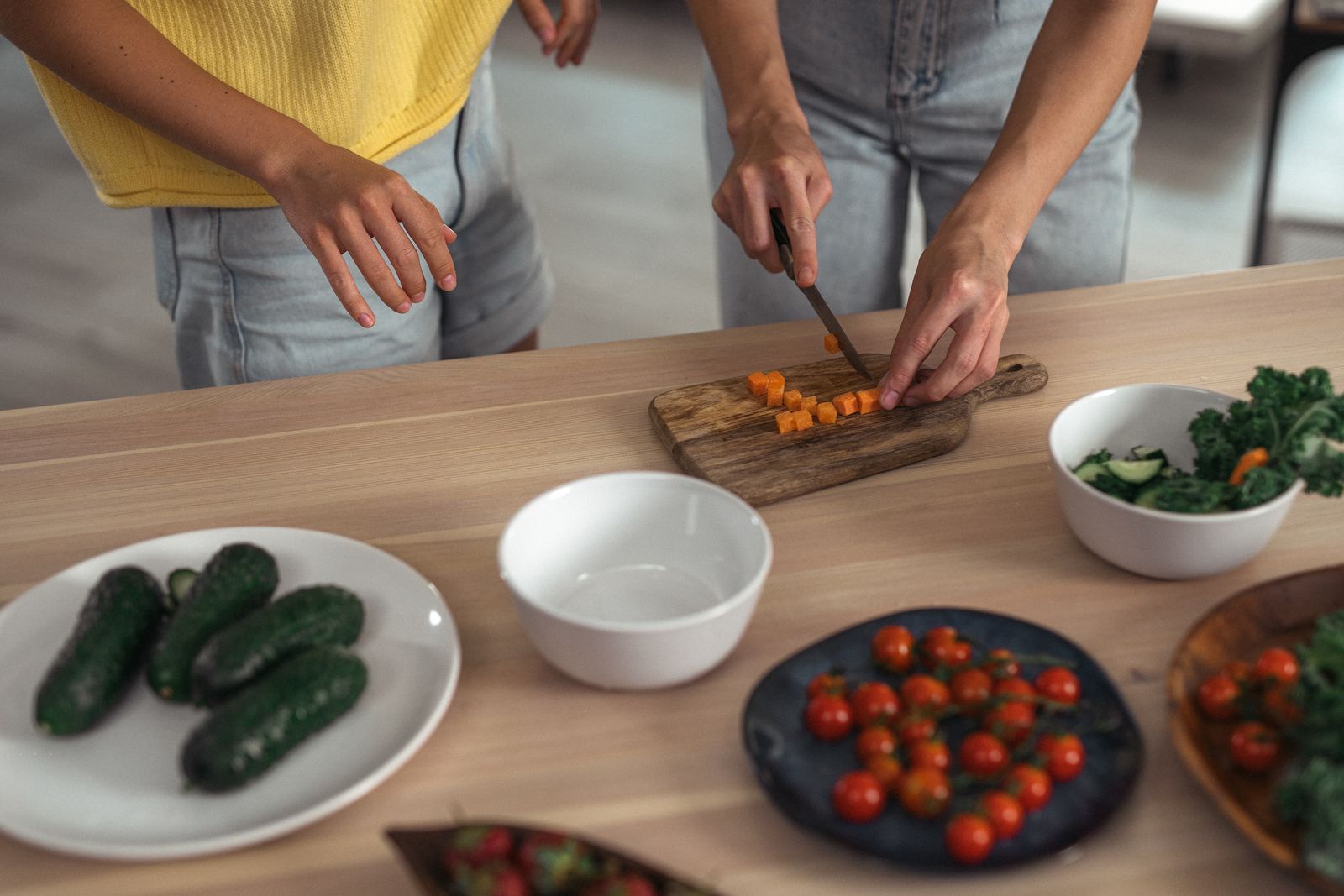
Time a routine recipe with the knife and board you already own. Include fetching tools, cutting, washing and putting them away. Do the same mental walkthrough with the chopper, including the bowl, lid and blade. The comparison is not a contest for the fastest first chop; it is about the entire dinner routine. If several ingredients must be processed separately, repeated emptying and rinsing may be the deciding factor.
A tiny cabinet test
Mark a shelf space for the appliance with a cardboard box or another object of similar volume for a week. Can you reach it without moving the toaster, mixing bowls or food containers? Can the cord remain tidy? If retrieving it requires clearing a stack, it will probably stay in storage. The best location is close enough to the cutting board that you can use it on an ordinary busy evening, not just during an ambitious weekend cook.
When a bigger machine makes sense
The food chopper does not replace a machine built to grate, slice or knead. If your actual bottleneck is shredding vegetables or preparing large family batches, compare a larger food processor instead. On the other hand, a full-size processor can be excessive for two tablespoons of herbs. Buy for the job that occurs frequently in your home. The red finish is a variant detail; verify the selected color and included accessories on the current Amazon page.
Care that keeps it useful
Rinse food residue promptly, especially around the lid and blade hub, and let parts dry completely before stacking them in the cabinet. Check the manual for what may go in the dishwasher. Store the blade in the bowl only if the maker’s directions and your household access make that safe. Notice whether the chopper creates an extra drying footprint after dinner. A device that cannot be put away until the next morning needs a deliberate place on the rack.
One practical dinner scenario
Imagine chopping onion for a quick soup while another person needs the sink. The machine can reduce hand work, but it uses an outlet, a patch of counter and at least one washable bowl. If the onion is followed by herbs that must remain distinct, pause to empty and rinse the container. This scenario is more informative than a showroom demonstration with one ingredient. It tells you whether the product fits the choreography of your actual kitchen. For the broader setup, Braun MQ505 vs. KitchenAid KHBV53: Which Hand Blender Fits a Small Soup-Making Kitchen? is a useful next read.
Decide with a week of cooking
For seven days, note every time a knife task feels slow enough that you would fetch a powered chopper. Record the ingredient, approximate volume and whether it would have needed a separate batch. Do not count recipes you cook only once a year. At the end, look for a repeated small-volume pattern such as onions, herbs or dressing. If the only tasks are a single garlic clove and an occasional large party dip, the 3.5-cup machine sits awkwardly between a knife and a full processor. Also note whether the countertop was free and the dishwasher had room for the bowl and lid. A purchase is easier to justify when the entire preparation and cleanup cycle improves several normal dinners. If it merely makes one impressive recipe faster, keep using the board until the need becomes recurring.
Who is this for?
Home cooks who chop small batches several times a week and have a cabinet slot close to the prep area. The choice is strongest when the product addresses a recurring task and has a known place to live between uses. Put the existing tool or routine beside it in your comparison. If the proposed purchase merely moves clutter from one surface to another, the small-home advantage disappears. Check that everyone who shares the room can still use it comfortably.
When should you skip it?
Cooks who only occasionally mince a clove of garlic, need even slices or already own a food processor. A product can be well made and still be wrong for your layout. Decide whether the constraint is a missing tool, an overloaded storage area, or a routine that needs fewer steps. Do not let a staged product photo substitute for measurements and a walk through your actual room. Waiting until the need is clear is also a valid purchase decision.
What would I compare instead?
A sharp knife and stable board for small jobs, or a larger processor if slicing and substantial batches are regular tasks. Compare total effort, not only the upfront price: storage, cleaning, setup, replacement parts and the minutes involved on a busy day. An alternative that is already in your home has no new footprint. If you would buy a second item to make this one usable, include both in the budget and space calculation. The most useful choice is the one you will actually maintain.
Questions to settle before ordering
Measure the intended spot, including doors, drawers, hands and walking clearance when 3.5 Cup Food Chopper KFC3516ER, Empire Red is in use. Read the live specifications and care instructions for ASIN B01LZIHVTC. Confirm the selected variant, box contents, seller, return terms and warranty where applicable. A listing can change after this article is written. Check recent customer questions for recurring compatibility concerns, but distinguish one household’s experience from your own measurements.
Amazon product and current listing
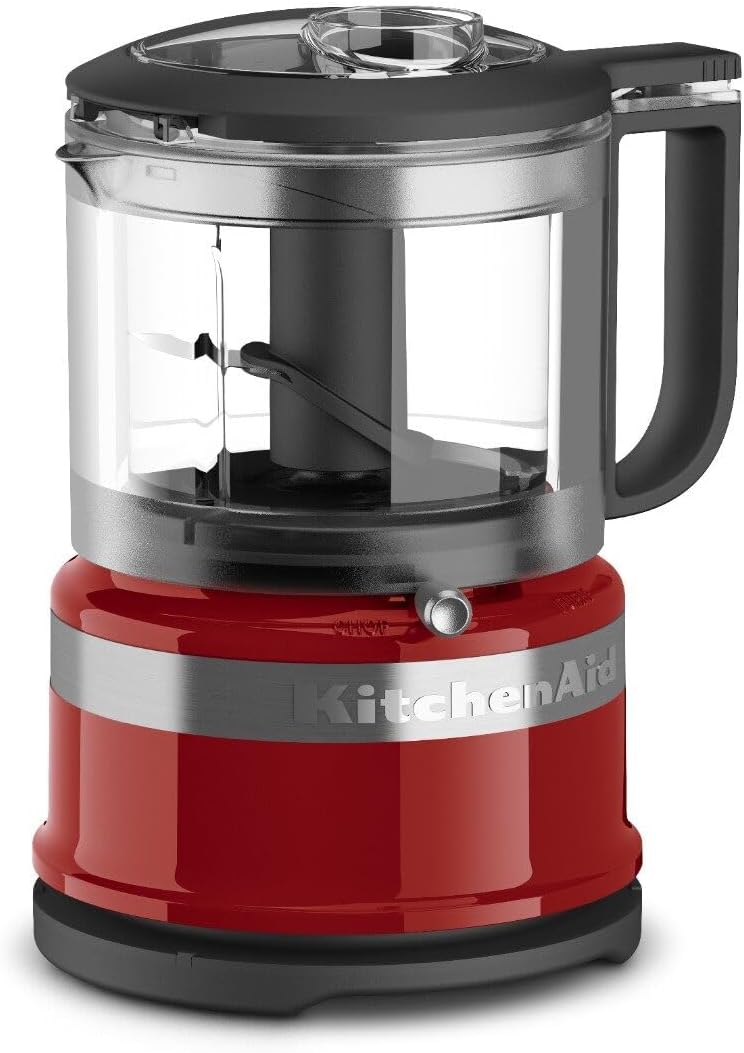
Check the current 3.5 Cup Food Chopper KFC3516ER, Empire Red listing on Amazon. The photograph is from the linked listing. It helps identify the product and is not evidence that we tested it, installed it or measured performance. Confirm the exact variant and current details on Amazon before purchase; we do not quote a fixed price or promise availability.
The small-home verdict
Home cooks who chop small batches several times a week and have a cabinet slot close to the prep area. If that describes your household and the fit exercise works, this model is worth comparing with the existing solution. A sharp knife and stable board for small jobs, or a larger processor if slicing and substantial batches are regular tasks. If the alternative solves the task with less storage or upkeep, keep it. The buying decision should remain tied to a real routine and a measured location rather than a general claim that every small home needs another product.
Explore our Buying Guides and the Kitchen room guide for related ideas.
Sources
- Amazon product listing — ASIN B01LZIHVTC
- Manufacturer or product information — KitchenAid product information
Sources
- Amazon product listing — https://www.amazon.com/dp/B01LZIHVTC
- Manufacturer/product information — https://www.kitchenaid.com/countertop-appliances/food-processors/choppers/p.3.5-cup-food-chopper.kfc3516er.html