Disclosure: As an Amazon Associate, Small Home Rhythm may earn from qualifying purchases. Availability and variants can change.
A small rice cooker can free a burner, but the ARC-743 still needs counter, steam and storage space. Here is the fit test.
The case for a separate rice cooker
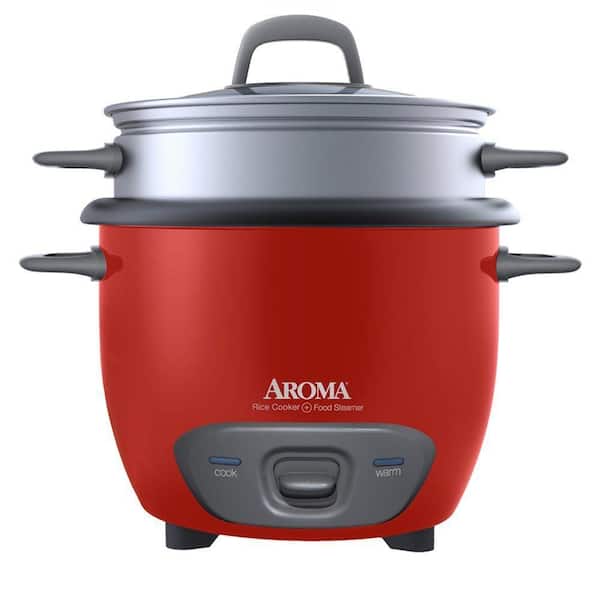
A dedicated cooker is useful when rice appears on the menu often enough that freeing a burner changes dinner. The ARC-743-1NGR is a simple one-touch pot-style model with an automatic keep-warm mode and a steamer tray. AROMA lists up to three rice-cooker cups of uncooked rice, yielding up to six cooked. Those are the smaller measuring cups supplied for rice cookers, not an invitation to pour three standard US cups into the pot. Decide how many servings you regularly make before choosing by the headline capacity. This is a document-based review; we have not cooked or timed rice in this unit.

Measure the working position, including steam
A cooker cannot sit under a low wall cabinet while venting hot steam. Identify a level, dry, heat-resistant place with a nearby outlet and clear space above the lid. Consider where the lid will open and where the steamer tray will go when lifted out. Keep the cord and hot unit away from a child’s reach and follow the manual for clearance. If your only clear square of counter is beside loose papers or a hanging cabinet, solve that layout first. A compact appliance may occupy a modest footprint yet create a surprisingly awkward temporary work zone.
What the one-switch design gives up
The basic controls reduce setup: add rinsed rice and the measured water specified in the manual, start cooking, and allow the prescribed rest before fluffing. That simplicity is appealing in a kitchen used by several people. It also means this is not a programmable cooker with different grain profiles or a delayed start. Automatic keep warm is a convenience, but it is not permission to leave food indefinitely; follow the manual and safe food handling guidance. The included steamer tray can make the device more versatile, though steaming over rice calls for compatible cooking times and careful handling of hot vapor.
Cleanup and storage are part of the value
Before buying, trace the end of dinner: lift the inner pot, wash it as directed, dry the components completely, and give the pot and tray a reachable home. A nonstick inner pot needs suitable utensils and gentle cleaning according to the manufacturer instructions. If you have to unpack three nested appliances to reach this one, frequent use becomes unlikely. If you already cook rice reliably in a saucepan and need the cabinet for something else, that saucepan remains a strong alternative. The dedicated unit earns its space through repeated, predictable use, not through a long list of theoretical recipes.
A realistic week of meals
Imagine three weekday dinners rather than a long recipe list. On Monday, rice cooks while vegetables occupy the only large burner; on Wednesday, leftovers become a bowl and the cooker saves attention; on Friday, a saucepan is already clean and free. In that pattern the separate appliance earns a place twice, but still requires rinsing rice, washing the pot and putting it away. If you make rice once a month, the saucepan will probably be easier overall. If you make it several times a week, identify whether the cooker can remain on an open counter without displacing chopping space. The decision depends more on your actual frequency and counter workflow than on the compact dimensions alone. A household with more people should check the amount it needs at one meal against the uncooked capacity, allowing for guests and leftovers.
Compare the alternatives honestly
A lidded saucepan needs no additional storage and gives control over heat, but ties up a burner and asks for attention. A microwave rice bowl may use equipment already on hand, although its container, portions and directions vary. A programmable cooker may handle more grain settings but takes more room and adds a more complicated interface. The ARC-743 sits between those options: simple dedicated operation, modest capacity and a fixed spot to vent steam. If you need a delayed dinner schedule or distinct grain programs, compare models that explicitly provide those features rather than assuming this switch does. If your goal is only fewer dirty dishes, the extra pot might work against it. Include washing and drying time when you compare convenience.
Questions to resolve from the current listing
Confirm the exact red ARC-743-1NGR model rather than an adjacent color or capacity option. Check the included cup, spatula and steaming tray and locate the matching manual before relying on a recipe written for a different Aroma cooker. Measure the appliance body and the clear vertical space where it will run; the listed dimensions do not include the space needed to lift a hot glass lid. Decide where the hot lid and tray can be set down without blocking the sink or a child’s path. Review the return window if your kitchen measurements are close. These checks are practical safeguards, not claims that a particular batch cooks a grain faster or tastes better.
Capacity is a meal-planning question
Before buying a six-cup cooked-rice model, write down the portions your household actually puts on the table. One adult who uses rice as a side may need a different batch from a family serving rice as the main part of dinner. Account for a second serving, packed lunch, and whether leftovers are deliberately refrigerated soon after cooking. The manufacturer’s rice-cooker cup is smaller than a standard US measuring cup, so follow the supplied cup and markings rather than transferring a favorite saucepan recipe by volume. A model that reliably covers your ordinary batch will get used; one that only covers the smallest dinner becomes another appliance to manage. Conversely, buying a much larger machine for rare guests wastes cabinet volume every day. This is a planning exercise, not a claim about texture or yield from an independent kitchen test. For the broader setup, KitchenAid 3.5-Cup Food Chopper Review: Is It Worth a Small Kitchen Cabinet? is a useful next read.
A counter layout for a busy dinner
The real test is the full cooking sequence: rinse the rice, fill the pot, carry it to the cooker, plug it in, serve, then move a hot lid and tray to a safe place. Sketch that route around the sink and the only available prep board. Leave an open area above the steam vent and follow the manual’s placement advice; steam under cabinetry can damage finishes. If the machine sits beside the dish rack, the lid may block drying space exactly when dinner creates more dishes. If the outlet is across a walking route, rearrange equipment instead of stretching a cord. A small cooker can save burner space and still make a compact kitchen feel crowded at cleanup. Decide where each removable piece dries overnight before assigning the cooker a permanent place.
What to verify after the first few uses
If you buy it, keep the matching manual and measure the rice with the provided cup for a few typical batches before adapting recipes. Check how much condensation forms near your chosen location and whether the tray or glass lid is easy to lift without reaching over steam. Notice whether the inner pot is simple to clean with the utensils you already own and whether anyone in the household scratches the coating with inappropriate tools. Track actual use for two weeks; if a saucepan is still chosen most nights, move the cooker to more accessible storage or consider whether it truly earns space. This practical trial belongs to the eventual owner; we have not run it. The point is to judge an appliance by repeated dinners, safe placement and cleaning, rather than promising better rice from specifications alone.
An ownership decision after the novelty fades
Picture a month when the cooker is no longer new. If it lives on a crowded counter, does it displace your cutting board every morning? If it lives high in a cabinet, will you still reach for it on a Tuesday? Account for the power outlet, a safe landing spot for the hot lid, drying time for the pot and the space taken by the tray and cup. The answer differs in a studio where one pan handles every grain from a household that needs a burner free while children’s dinner is prepared. The one-switch design can make the routine easy for different family members, but it offers limited control compared with a programmable appliance. Decide whether that trade suits the grains you really cook, not an imagined menu. If you already own a multicooker, compare its setup and wash-up time before buying a second vessel. Keep-warm is a serving convenience and must be used within the maker’s and food-safety instructions. For a purchase decision, repeated usefulness outweighs an occasional extra feature. For the broader setup, OXO Collapsible Colander Review: Does It Earn Cabinet Space in a Small Kitchen? is a useful next read.
Who should buy it
Choose the ARC-743 if you cook modest portions frequently, can provide a safe venting spot, and value a freed stove burner more than a spare cabinet shelf. Skip it if the one burner and saucepan you own already deliver the routine you want, if countertop clearance is poor, or if you need detailed grain programs. Check the precise ARC-743 variant, accessories, plug and seller on the Amazon listing before checkout. Prices and bundles change; no performance or durability comparison is implied by this recommendation.
A two-minute pre-purchase check
Measure the working and storage positions, read the current installation and care instructions, and check whether the item you already own solves the task. Confirm the exact model, variation, pack quantity, seller and return terms. Product pages and prices change; this editorial recommendation reflects the documented design and the room-specific constraints above, not a hands-on performance trial.
Keep the room system working
Read How to Organize a Small Fridge for a Family Without Overstuffing Every Shelf. Read How to Meal Prep in a Small Kitchen Without Covering Every Counter. Read How to Organize Baking Supplies in a Small Kitchen Without Creating a Second Pantry. Browse Buying Guides for more small-home product decisions.
Check the exact Amazon listing
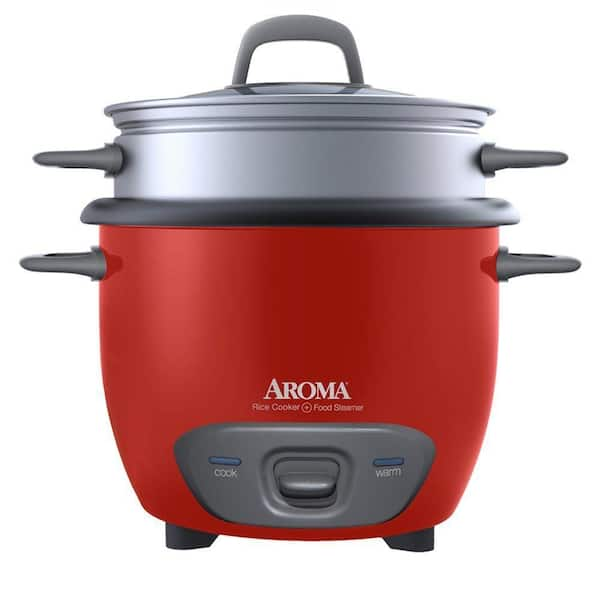
View AROMA ARC-743-1NGR Rice Cooker and Food Steamer on Amazon. Verify compatibility and the current offer before checkout.
Frequently asked questions
Is three cups the cooked capacity?
The listed three rice-cooker cups refer to uncooked rice; the listing describes up to six cooked cups. Follow its supplied cup and manual.
Can it stay under an upper cabinet?
Allow the steam vent a safe open area; do not run it beneath a low cabinet or near vulnerable surfaces.
Does keep warm replace food storage?
No. Follow the product manual and appropriate food handling guidance.
Sources
- Amazon product listing — https://www.amazon.com/dp/B0057XGM5W
- Product documentation — https://www.aromaco.com/product/rice-grain-cooker-arc-743-1ngr/