A round tray and a rectangular tray can both carry a few drinks, but their outlines do not tell you which one will work better in your home. Compare the usable base, the handles, the contents, and the trip between rooms. Then look at the place where the tray will rest during serving and after everything has been cleared away.
Etsy’s October 2026 seasonal report identifies increased attention to the way tables are dressed for gatherings. This comparison applies that signal to a practical serving decision. It does not rank specific products, claim that one shape is universally safer, or turn a decorative tray photograph into evidence of carrying performance.
Begin with what you intend to carry
Choose a realistic small serving task: two cups and a water glass, a few bowls, or drinks with separate spoons and napkins. Identify the actual pieces you use, including handles and saucers. A tray that fits three plain tumblers may not hold the same number of wide mugs comfortably. Count the complete arrangement rather than the number printed in a listing caption.
Use an existing suitable tray first if you have one. Follow its directions and loading limits, and keep the task manageable for the person carrying it. Do not buy a larger tray merely to make one trip possible. Several modest trips can be preferable to a loaded object that feels awkward to lift or control.
For serving accessories, our napkin-holder review illustrates why the actual item dimensions and retrieval action matter. Apply that principle to the cups and small pieces on the tray. A coordinated table arrangement should remain easy to use rather than requiring every object to stay in its photographed position.

Compare the interior rather than the outer outline
Look for usable base measurements, not just the tray’s overall width or diameter. Raised sides, a curved wall, a handle cutout, and decorative edges can reduce the flat area available for contents. If the listing does not establish the interior dimensions you need, ask before assuming that every inch of the exterior outline can support a cup.
A rectangle may line up conveniently with several similar objects, while a round tray may suit a smaller central arrangement. Those are layout possibilities, not guaranteed capacity results. The actual object shapes, base dimensions, and permitted load decide what fits. A large round tray can offer more usable space than a small rectangle, and the reverse can also be true.
Use paper shapes or measurements to compare layouts while everything is empty. That can expose an awkward cup handle or a glass that sits too close to the edge. It does not replace the directions or establish carrying performance. Keep the distinction clear between a planning exercise and a tested loaded arrangement.
Check handles with the person who will carry it
Two trays of the same shape may have very different grips. One might have raised handles; another may have small cutouts or require lifting beneath the base. Examine the actual design and the maker’s directions. Do not assume that a decorative opening provides the same hand space or support as a purpose-designed carrying handle.
Consider comfort for the intended user and the complete task. Can they pick the tray up from the normal starting surface and set it down comfortably at the other end? A handle that looks elegant in a close-up may not suit the way someone needs to grip. Where possible, assess the actual product rather than transferring comfort claims from another tray.
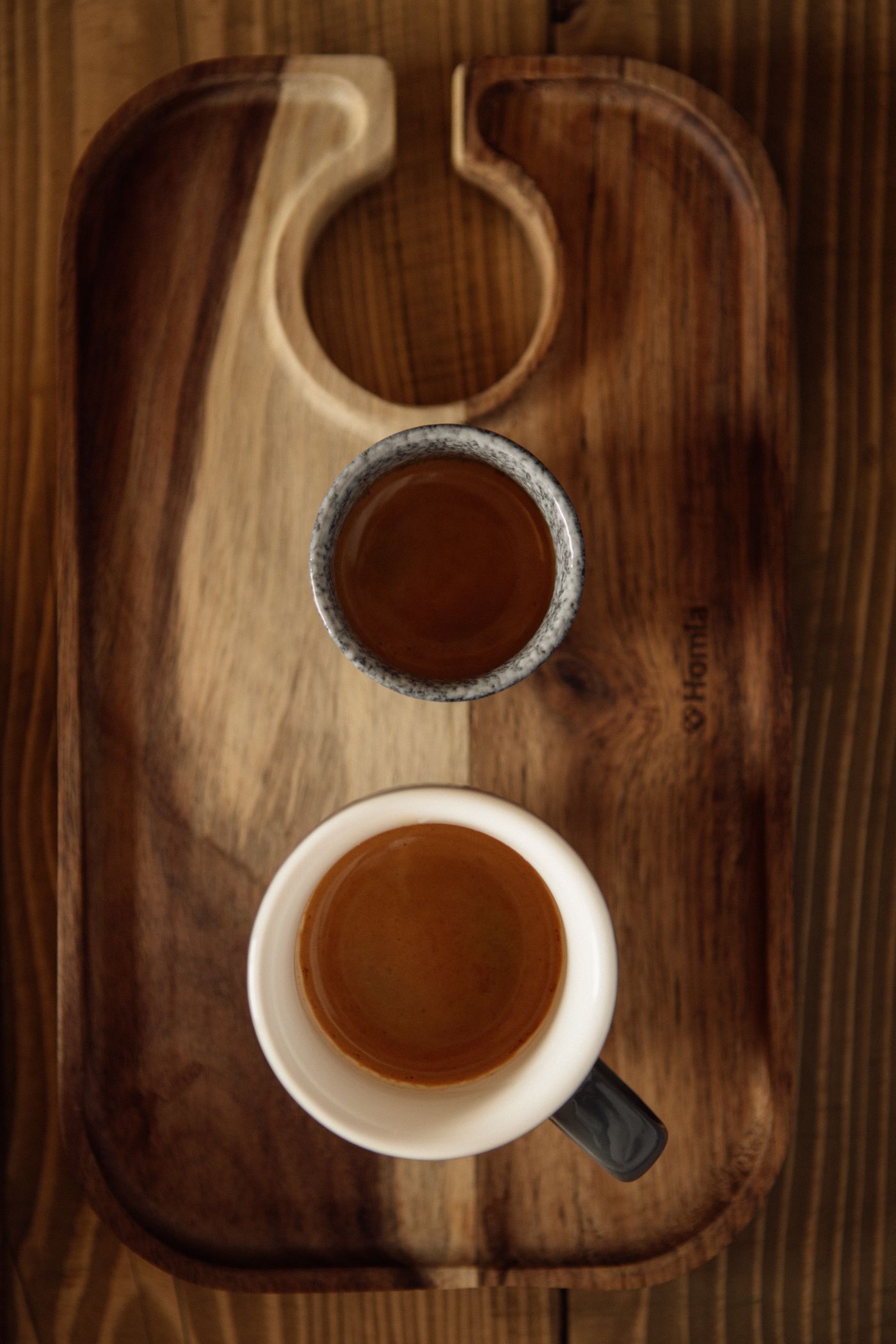
Do not infer a grip, load rating, or non-slip performance from the material’s appearance. A wood-look photograph does not authenticate wood, and a textured base does not by itself prove that contents will remain still. Follow stated specifications and keep unverified performance claims out of the buying decision.
Walk the route before deciding on size
Notice the turns between the preparation surface and the table. Include doorways, furniture, and the space needed to approach the final position. A rectangular tray’s long side or a broad circular edge can both become awkward in a particular route. The useful comparison is the actual object in the actual home, not a general rule that one outline is easier to carry.
Check the route without a loaded tray first. Make sure a door can be dealt with appropriately and that the destination is already clear. If another person needs to open a door, agree on that before the serving task begins. A tray should not require balancing its contents while clearing unrelated clutter from the table.
Our butter-dish review offers another example of connecting the storage location with the serving position. The trip matters as much as the object’s appearance once it arrives. A tray that looks right in a dining-room photograph may still be an unnecessary complication if all the contents already begin on that table.
Judge the tray on the table too
Once a tray reaches the table, decide whether it remains there or is removed after unloading. If it stays, check access for the people seated around it. The raised edge can affect how easily someone reaches a cup, while the outline can occupy space needed for plates. A serving tray and a permanent centerpiece have related but different jobs.

A round tray can visually echo a round table, but visual similarity does not establish usable space. A rectangular tray may sit well on a narrow side surface, yet still be too long for the intended table arrangement. Measure the real pieces and allow the dining task to guide the choice rather than using a matching outline as the only reason to buy.
Our placemat review can help when several table layers compete for the same area. Keep the serving setup modest enough that the tray does not have to sit partly over a plate or an unstable decorative layer. Remove an unnecessary styling element before concluding that the entire table or serving collection needs replacement.
Separate serving use from permanent display
Some trays mainly gather decorative objects; others are intended to carry food-service items. Check the actual product’s permitted uses rather than assuming a display tray can perform every serving task. A tray being used for plants, candles, or bathroom items should not be reassigned casually without suitable care and confirmation that the new use is appropriate.
If you want one tray to move between display and serving, decide where the display objects will go during that change. Otherwise, the first action of serving becomes finding another home for a collection that previously looked contained. A dedicated modest tray may be useful, but buying one more object is not the only way to simplify the task.
Our small bud-vase review considers how a group of decorative objects affects a working table. Keep that arrangement separate from any unverified carrying claim. Photographs of cups or vases on a tray illustrate a layout; they do not prove the load or movement has been tested.

Include cleaning and storage in the comparison
Check the care instructions for the actual tray’s finish and construction. Raised corners, handle joints, and textured surfaces can change the cleaning task, but shape alone does not establish difficulty. Do not apply an all-purpose soaking or dishwasher rule to a material you have not identified. Follow the product’s directions after the serving task.
Choose a storage home that works with the complete tray, including projecting handles. A circular tray may fit one cupboard shelf and not another; a rectangle may suit a vertical slot if the product and storage arrangement permit that position. The answer comes from your measurements and the maker’s guidance, rather than a universal claim that one outline stores more neatly.
Let the tray finish any permitted cleaning and drying before putting it away. If the only available home requires reorganizing the cupboard after every use, revise the size or storage plan before ordering. The return trip deserves as much attention as the first photograph of the tray on the dining table.
Choose the shape after the task is clear
Choose a round tray when the specific product accommodates your contents, route, and table position better than the alternatives you have assessed. Choose a rectangle on the same grounds. Neither answer needs to become a rule for every room or every gathering. A useful tray may simply be the familiar suitable one already in your cupboard.
Before purchasing, verify the interior measurements, grip design, care requirements, intended use, and load information of the exact product. If the unresolved question matters to the task, resolve it before ordering. Table dressing becomes easier when the serving equipment supports the meal and returns to a known home, with fewer objects purchased merely to reproduce a seasonal photograph.
Explore related decisions in our Buying Guides hub.
Sources and editorial scope
Editorial research checked October 21, 2026. Published trend reports are context for these editorial applications, not verified live keyword rankings. Practical household guidance; photographs do not document a tested household or authenticate pictured materials.