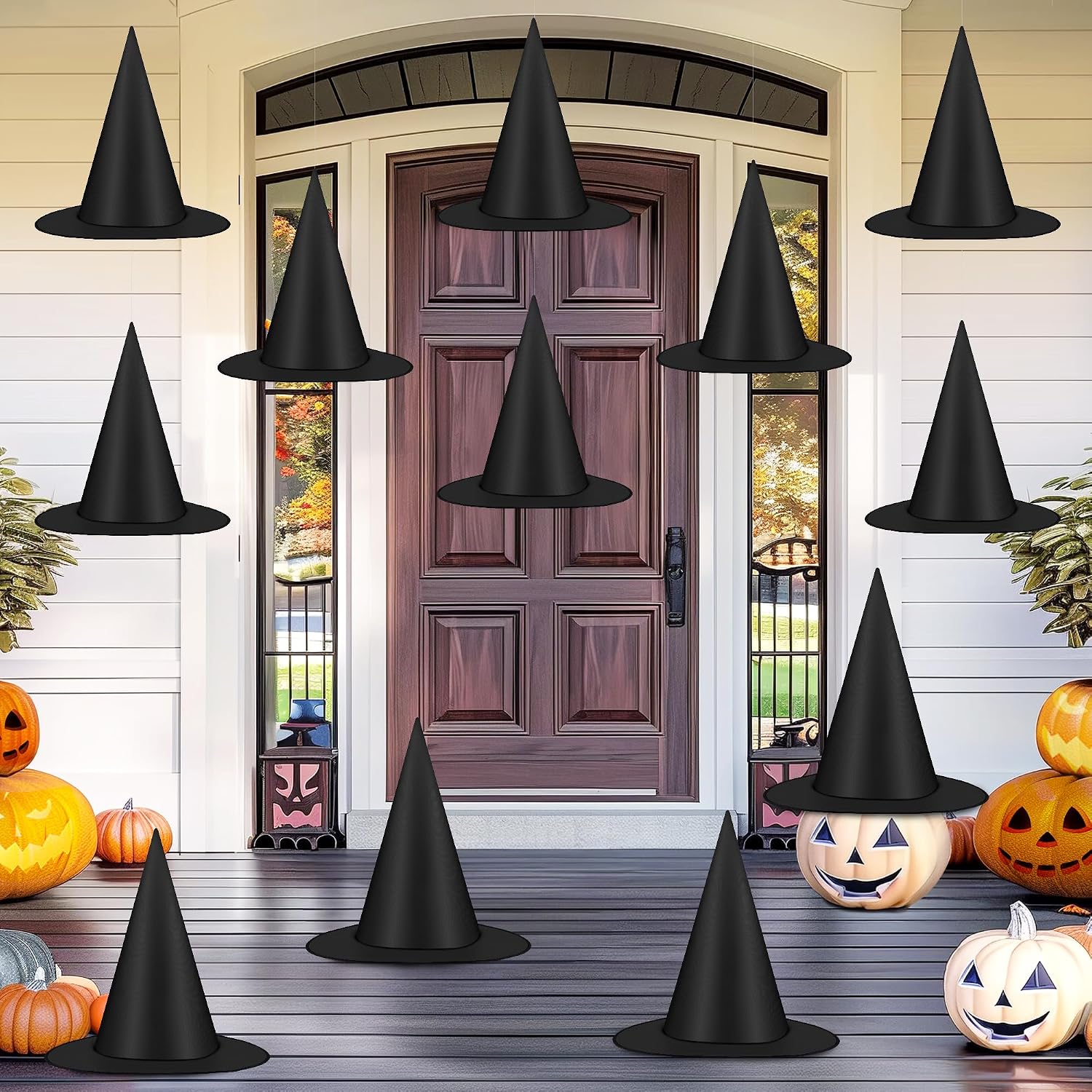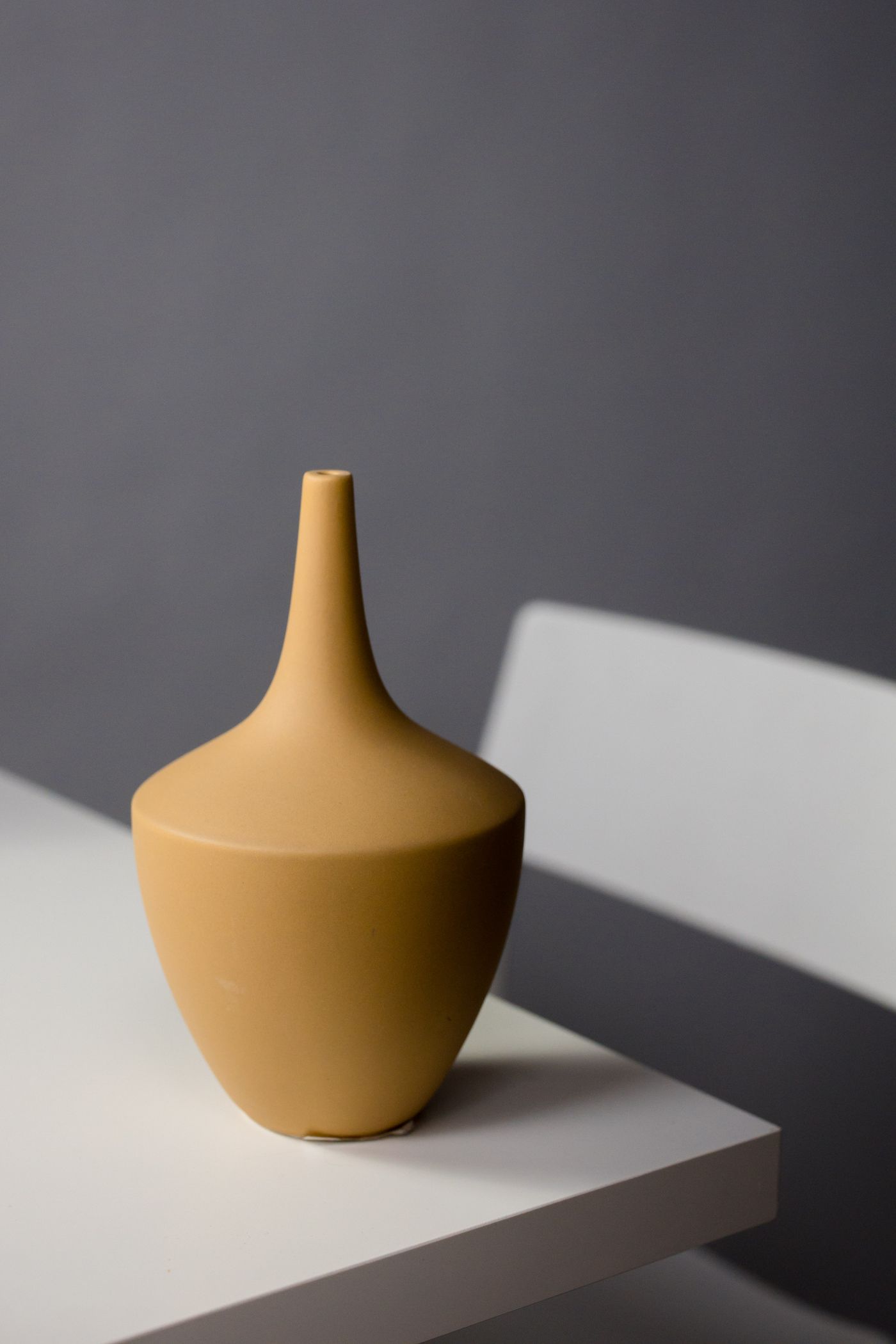
A sculptural vessel and an everyday flower vase can occupy the same shelf while serving different purposes. One may be chosen for its outline when empty; the other needs an opening, interior, and care routine suited to the flowers you regularly bring home. Compare those actual jobs before treating every attractive vessel as interchangeable flower storage.
The Houzz fall 2026 report describes interest in expressive objects and personal, collected interiors. This guide applies that context to a buying decision. It compares two possible roles, not two exact products, and does not invent material tests, water-resistance results, ratings, or current prices.
Name the job before choosing a shape
Start with the ordinary moment that will use the object. Do you want an empty form on a living-room shelf, a container for a weekly small bouquet, or an occasional vessel for a few dry stems? These are legitimate but different purposes. Write the main job first and let any secondary use remain optional.
If the object is mainly an empty accent, assess how it looks from the room’s normal seats and how much surface it occupies. If it will hold fresh flowers, start with the actual arrangement and the product’s documented approval for water use. The word vase in a listing title is not enough information to establish every intended function.
Consider the empty form on its own
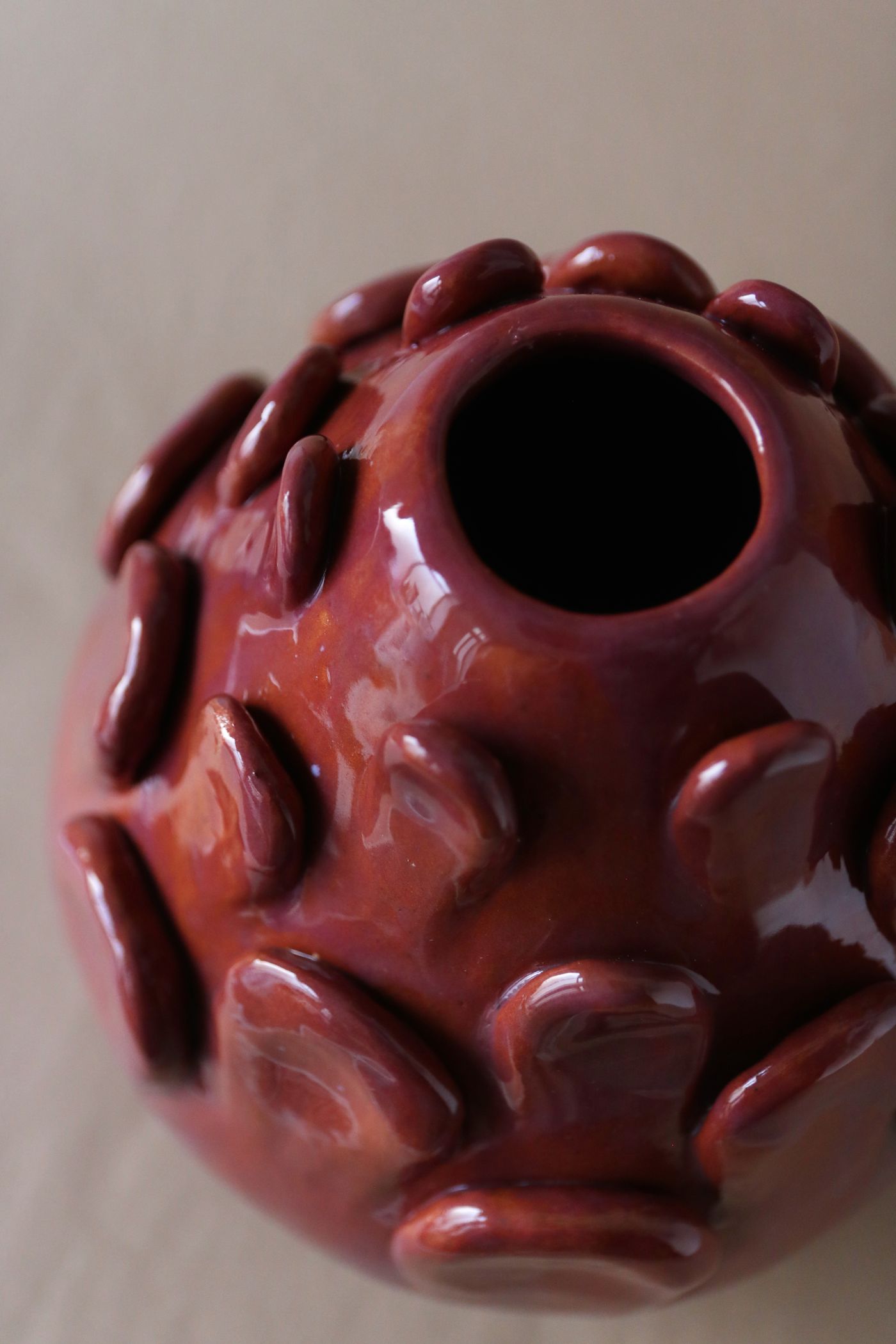
A sculptural vessel can have a narrow neck, unusual openings, projecting handles, or a shape that is visually effective without flowers. Check the complete dimensions rather than assuming the opening determines the footprint. A wide curved body may occupy the practical space where you usually put a book or reach for a switch.
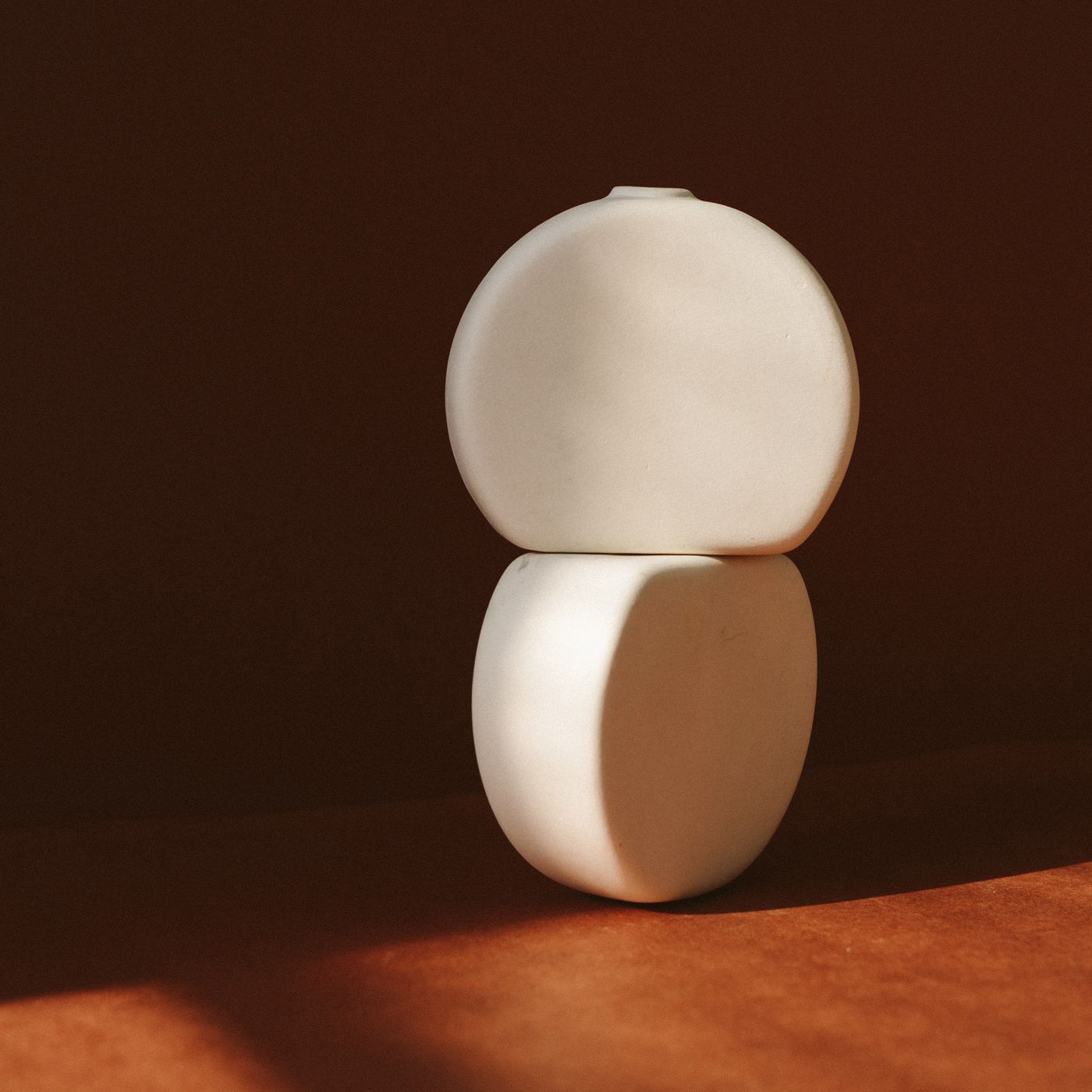
Look at the object from the angles the room actually offers. A form shown directly from the front in a studio may look different from a sofa seat or doorway. Ask whether you enjoy the object empty before assigning yourself a recurring flower purchase to make it look complete. An accent should be able to serve the role that justified bringing it home.
Match a flower vase to an actual small arrangement
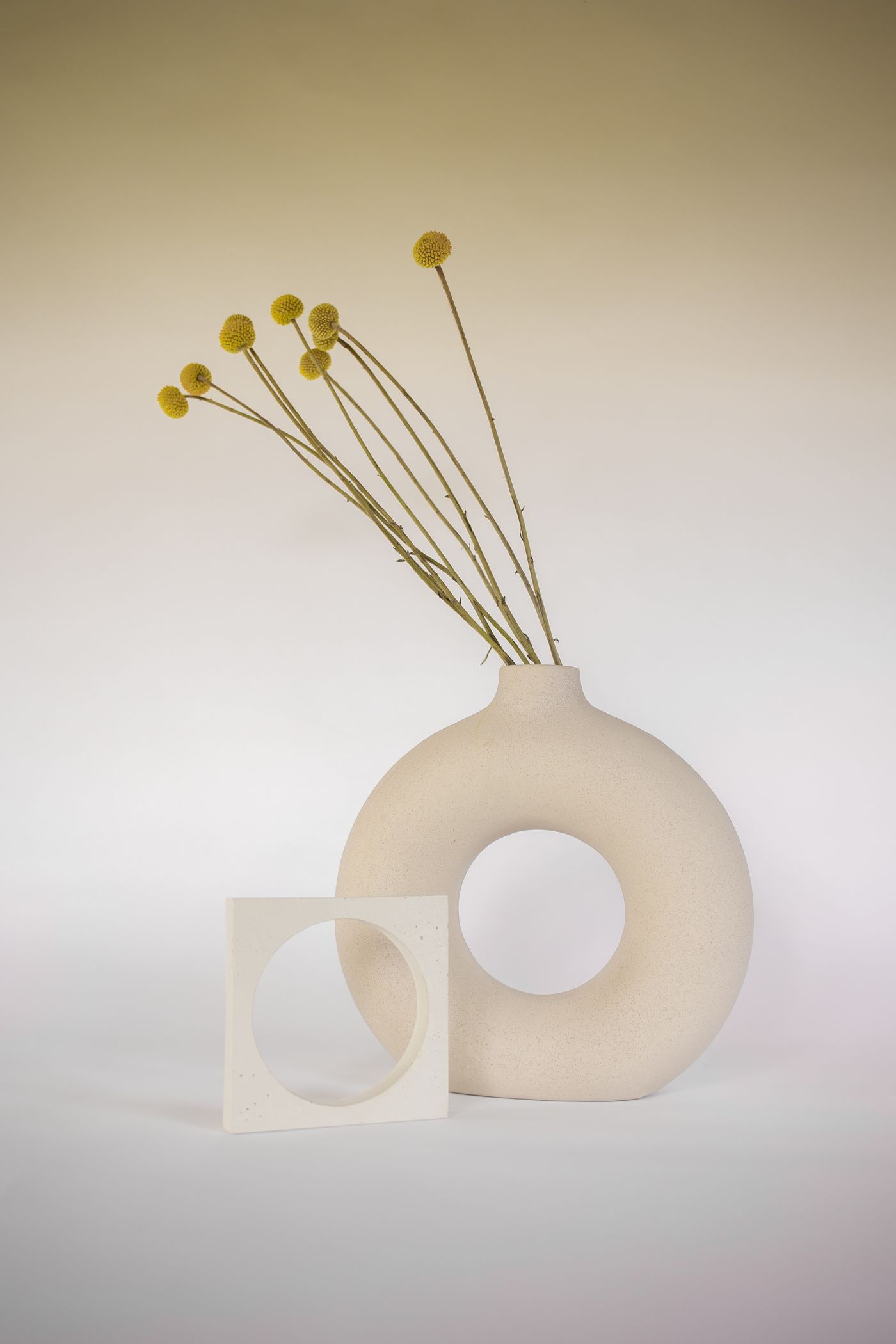
Think about the stems you commonly use, their approximate length, and the arrangement’s spread. A broad opening can let a small group fall outward; a narrow opening may hold fewer stems than the photograph suggests. Use the product’s actual opening and body dimensions rather than inferring capacity from a styled image.
Do not buy a larger vase merely because it appears more versatile. A large vessel may require a larger arrangement to produce the effect you want, changing both the household routine and the space needed. A small vase already in the cupboard may handle the flowers you genuinely buy more conveniently than a new statement object.
Verify permitted water use separately from appearance
Check the maker’s description and care instructions for the exact vessel. A ceramic-looking surface, glaze-like sheen, or decorative finish does not by itself establish that the interior is suitable for water. Where that information is absent, ask the seller or maker before choosing it for fresh flowers.
Do not assume adding a liner or another container is a supported solution for every shape. Such an arrangement needs to suit the actual vessel and intended use, and it can introduce its own handling and cleaning tasks. If reliable water-use information cannot be obtained, treat the object according to its documented role rather than experimenting on the living-room shelf.
Check the opening with retrieval in mind
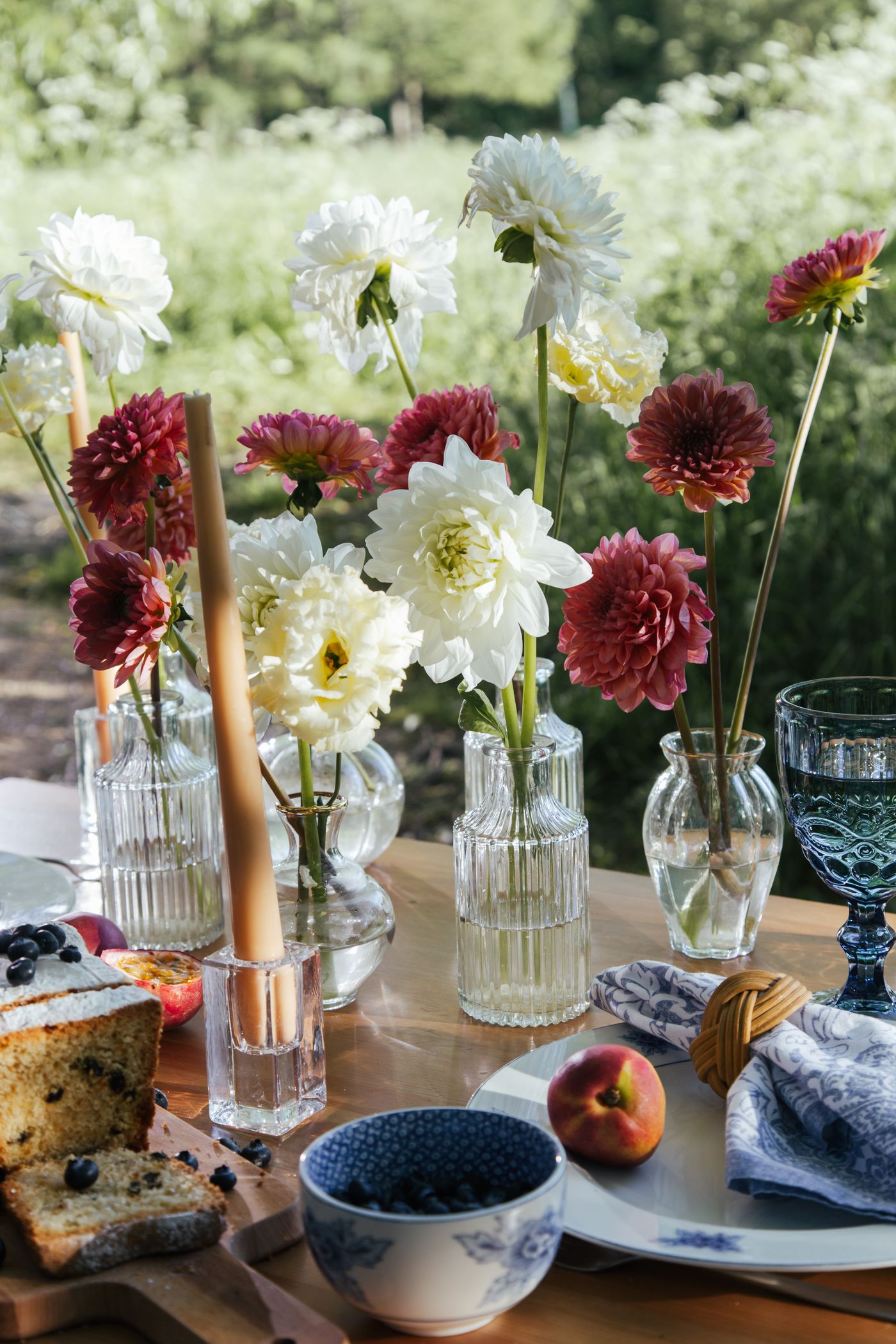
An opening needs to support more than inserting the stems. You must also remove the arrangement and complete the permitted care afterward. A narrow neck or unusual internal shape can make those steps more demanding. Ask whether the routine remains realistic for the person who will actually do it.
For small separate stems, the HEWORY bud-vase review considers one particular multi-vessel arrangement. That format can distribute flowers differently from a single broad vase, but it also creates several objects to position and clean. Compare the exact role and care burden rather than assuming more vessels always produce a better table or shelf display.
Include the filled arrangement in the footprint
Measure the complete object and the space the intended stems will occupy. Check nearby lamps, curtains, shelves, and the route used to set the vessel down. A vase that fits on a console can still support flowers that extend into an ordinary walkway or obscure the view between seats.
Consider the weight and handling of the complete arrangement within the product’s intended use. Choose an appropriate stable surface and location. A decorative photo with a vessel on a narrow ledge does not establish suitability for your household’s activity or the object’s actual construction. Keep daily access to the surrounding room part of the buying decision.
Decide where preparation and water changes happen
Plan the ordinary transfer between the display position and a suitable preparation or care area. Can the complete object be handled appropriately through that route? Is there somewhere suitable to set it down while following the flower and vessel care instructions? A visually effective arrangement may be inconvenient if every change requires clearing half the room.
The FUNSOBA bottle-display review examines another specific small-vessel arrangement. A group of bottles offers different placement possibilities from one large form, but it also has separate openings and supports to maintain. Use the comparison to identify your preferred routine, not as a reason to buy several display systems at once.
Treat cleaning access as part of the purchase
Read the exact product’s cleaning directions before ordering. Check whether the opening and interior allow the permitted tools and methods. A vessel may look simple on the outside while requiring careful handling of a coating or decorative detail. Do not assume a dishwasher or a universal soaking method is allowed.
The narrow-neck glass-vase cleaning guide addresses a particular access problem. It does not replace a different vessel’s instructions, but it can help you recognize the practical questions to ask. If you already avoid using a vase because cleaning it is too awkward, buying another similarly restrictive shape may repeat the same issue.
Compare display systems rather than isolated objects
A wall-mounted vase, a tabletop vessel, and an empty sculptural accent interact with the room differently. The wooden wall-vase review addresses another product and its mounting role. It should be compared only when wall installation and its intended use genuinely suit the household. A wall position does not automatically remove preparation, care, or appropriate access needs.
Keep the comparison grounded in the object’s main purpose. An empty accent may need occasional care and an intentional display position. A fresh-flower vase adds recurring preparation and care. A dry-stem display has its own material instructions. None needs to be framed as the universally better decorating choice; choose the routine you actually want.
Make the no-purchase option concrete
Try an existing suitable vessel in the proposed place before ordering. Use a manageable appropriate arrangement or evaluate the form empty, depending on its intended role. Observe the room during ordinary use rather than deciding from the first styled moment. Check whether the object enhances the experience or simply occupies the last convenient clear surface.
If the current vessel works but looks visually isolated, reconsider its position or neighboring objects before replacing it. If it fails the required function, record the specific reason: opening too wide for the usual stems, unclear water-use approval, unsuitable complete dimensions, or care that you consistently postpone. Those details form a useful buying brief.
Choose by the recurring job
Choose a sculptural accent when its empty form is the experience you want and it fits an appropriate display position. Choose a functional flower vase when documented water use, stem support, handling, and care match the arrangements you make. A single object can serve both roles only when the actual product supports both.
Keep the model information and care guidance after purchase, and reassess the position if the room or intended arrangement changes. The useful outcome is one object whose role is clear. It should fit the flowers or the visual experience you genuinely enjoy, without creating an ongoing household task that was missing from the original buying decision.
Explore related decisions in our Buying Guides hub.
Sources and editorial scope
Editorial research checked October 24, 2026. Published trend reports are context for these editorial applications, not verified live keyword rankings. Practical household guidance; photographs do not document a tested household or authenticate pictured materials.